

 Примерить в интерьере
 Отправить
 Поделиться
 Подробнее
 Руководство

 Скачать
 Похожие объекты
 Рентгенография
 Слайд-шоу
 Статистика
Ritual Processional


 Развернуть текст
Произведение искусства, представленное на этой странице, защищено законом об авторском праве, что исключает возможность законного создания или продажи его точной репродукции. Данная защита обеспечивается международными соглашениями, такими как Бернская конвенция и национальным законодательством, включая положения, изложенные в Закон США об авторском праве — Раздел 17.
Этот метод полностью соответствует нормам авторского права, так как он не предполагает копирования или дублирования защищенного произведения. Напротив, это творческая реинтерпретация — создание новой картины, которая вдохновлена оригиналом, но не является его точной копией.
Жикле / Арт-принты
Печать (жикле) или холст музейного качества с быстрыми сроками изготовления и широким выбором вариантов отделки. ( Заказать репродукцию ручной работы Перейти к цифровым изображениям)




P118B $10

P118H $10

P118W $10

P438Z $10

P508JH $12

P508YH $12

P805H $10

P805Z $10

P919BZ $10

P919G $10

P919XJ $10

P959ZH $10

P968JZ $12

W106C $8

W218G $10

W218JH $8

W218Y $10

W307PJ $10

W316G $10

W316PJ $8

W316Y $10

W398PJ $8

W4111J $10

W500HY $15

W500JH $15

W692G $12

W849H $8

W940BG $15

W953PJ $8




Выберите один из наших стандартных размеров, соответствующих оригинальным пропорциям произведения искусства.

Введите необходимую ширину и высоту, чтобы репродукция подошла к вашей раме или стене. При печати изображение можно только уменьшить, но нельзя увеличить больше оригинала, поэтому при выборе другого формата часть изображения может быть обрезана. Перед печатью мы отправим вам цифровой макет на утверждение. Изображение на этой странице не отображает реальную обрезку — ее можно увидеть только на макете.
Доставка по всему миру () за 2 недели вместо стандартных 4–5 недель. (22 Октябрь)

Бесплатная экспресс-доставка по всему миру

Высококачественный льняной холст

Полное страхование при транспортировке

Гарантия возврата таможенных пошлин

Гарантия точного цветового соответствия

100-дневный период возврата (только при обнаружении дефектов)

Гарантия возврата 100% средств

Скидка при заказе нескольких работ
 Вариант со стеклом доступен только для размеров менее 110 см

Ritual Processional
Жикле / Арт-принты
Размер репродукции
-


Итоговая стоимость
$ 80
The Raw Pulse of a Community – Purvis Young's "Ritual Processional"
Purvis Young’s “Ritual Processional,” painted in 1985-1999, isn’t merely a depiction of a gathering; it’s an immersive experience. It’s a vibrant snapshot pulled from the heart of Overtown, Miami – a neighborhood that pulsed with both hardship and resilience during Young's lifetime. The painting immediately assaults the senses with its unapologetic energy: a dense throng of figures moving within a claustrophobic space, bathed in the warm glow of an unseen light source. It’s a scene brimming with movement, a feeling of collective purpose—a ritual unfolding before our eyes.
Young, largely self-taught and working outside traditional art circles, eschewed polished techniques for a directness that resonated powerfully with his subjects. He utilized inexpensive materials – wood scraps, cardboard, and house paint – transforming discarded objects into canvases brimming with life. This deliberate choice speaks volumes about Young’s philosophy: art wasn't about prestige or refinement; it was about capturing the essence of everyday experience, particularly within marginalized communities. The slightly rough texture of the paint, the visible layering of materials, all contribute to a sense of immediacy and authenticity—as if you could reach out and feel the heat of Overtown’s summer sun on your skin.
Decoding the Figures – Symbolism in Motion
The figures themselves are remarkably diverse, rendered with an astonishing lack of detail. They aren't portraits; they represent a collective, a community engaged in something significant. Some appear to be leading the procession, their gestures emphatic and directed. Others seem lost in contemplation, absorbed in the moment. The sheer number of individuals—a multitude coalescing into a single force—underscores the strength and solidarity of Overtown’s residents. Notice the varying heights and sizes; this isn't an attempt at photographic realism but rather a celebration of human diversity.
The background, rendered in a bold yellow hue, acts as both a stage and a symbolic anchor. It’s not a realistic landscape; it’s an intensified color field that amplifies the energy of the scene. Some art historians suggest this vibrant backdrop represents the hope and optimism that persisted within Overtown despite its challenges. The lack of specific details in the background further emphasizes the figures themselves, drawing our attention to their actions and emotions.
A Legacy Forged on the Streets – Context and Influence
Purvis Young’s work emerged during a period of profound social change in Miami. Overtown was undergoing gentrification, facing displacement and economic hardship. Young's art became a powerful voice for his community, documenting its struggles and celebrating its spirit. He wasn’t interested in creating pretty pictures; he wanted to tell the stories of the people who lived there – their hopes, their fears, their resilience.
His influence extends far beyond Miami. Young's raw, emotive style paved the way for a new generation of outsider artists and street artists. He demonstrated that art could be created anywhere, by anyone, and that it didn’t need to conform to traditional notions of beauty or skill. The painting’s directness and emotional honesty continue to resonate with audiences today, reminding us of the power of art to connect us to our shared humanity.
Bringing "Ritual Processional" Home – Reproduction Considerations
Reproductions of “Ritual Processional” offer a remarkable opportunity to bring a piece of Overtown’s soul into your own space. When selecting a reproduction, consider the quality of materials and printing techniques. A high-quality print on archival paper will ensure that the colors remain vibrant for years to come. The scale of the reproduction is also important; a larger format will allow you to fully appreciate the painting's intricate details and dynamic composition. Ultimately, a carefully chosen reproduction can serve as a powerful reminder of Purvis Young’s legacy – a testament to the enduring spirit of Overtown and the transformative power of art.
Вопросы и ответы
Где лучше всего повесить репродукцию «Ritual Processional», Пурвис Юнг?
Формат Square для работы «Ritual Processional», Пурвис Юнг рекомендуется размещать в Living Room. Формат и пространство вместе помогают определить идеальное место для репродукции.
Как работа «Ritual Processional» вписывается в темы и стиль Пурвис Юнг?
«Ritual Processional» относится к работам Пурвис Юнг в рамках Purvis Young / Overtown, к основным темам которых относятся overtown life, street art, african american experience, social commentary, protest, spiritual, ritual imagery, unique.
Насколько гармонично сочетаются цвета в работе "Ritual Processional"?
Цветовая гармония произведения «Ritual Processional» определена как Strong Color Unity.
Биография художника
A Life Forged in Overtown: The Story of Purvis Young
Purvis Young’s art wasn't born in a sterile studio, but rather emerged directly from the vibrant, chaotic heart of Miami’s Overtown neighborhood—a place he didn’t merely depict on canvas, but truly *lived* and breathed. Born in Liberty City in 1943, his journey was one defined by a relentless pursuit of self-discovery, fueled by hardship, keen observation, and an unwavering commitment to translating the very soul of his community onto any surface available to him. He wasn’t formally trained as an artist; his education stemmed from an immersive engagement with art books during a period of incarceration, followed by countless hours spent diligently studying at Miami's public libraries – a testament to his self-directed learning and profound dedication. This autodidactic approach became the cornerstone of his artistic identity—a deliberate rejection of established norms, mirroring the remarkable resilience inherent within Overtown itself. His early life was marked by significant challenges, including time served in prison for breaking and entering; an experience that profoundly shaped his worldview, igniting a creative fire within him and providing a unique perspective on human existence. Upon his release, he eschewed the conventional path of seeking out gallery representation or mentorships; instead, he turned inward, drawing inspiration from the decaying beauty and the palpable humanity surrounding him—a neighborhood undergoing dramatic transformation and decline.The Alchemy of Found Objects
Purvis Young’s artistic process was as singular and unconventional as his vision. He wasn't driven by a desire for pristine canvases or expensive materials; rather, he embraced the discarded remnants of Overtown – a neighborhood grappling with profound change and economic hardship. He scoured its streets for discarded wood planks, scrap metal, aged books, fragments of wallpaper, and any other object that caught his eye—items that weren’t simply *materials* to him, but imbued with the very essence of the community he sought to represent. These cast-offs were transformed into powerful assemblages through a meticulous layering process, incorporating drawings, paintings, and text in a deliberately chaotic yet strangely harmonious manner. This technique wasn't merely an exercise in resourcefulness; it was a deliberate act of reclamation—a way to give voice to those who had been forgotten and overlooked. His work frequently featured recurring motifs: horses symbolizing freedom and hope, angels representing spiritual guidance, and fragmented figures engaged in ritualistic acts – all rendered with a raw, expressive quality that conveyed both profound sorrow and unwavering optimism. The surfaces themselves were deliberately textured and distressed, mirroring the physical and emotional landscape of Overtown—a neighborhood marked by both beauty and decay. He didn’t simply paint *about* the neighborhood; he painted *with* it, incorporating its very fabric into his art, creating a tangible connection between the artist and his subject matter.Echoes of Influence and a Singular Voice
While largely self-taught, Young wasn't entirely isolated from broader artistic currents. The mural movement that gained momentum in the 1960s profoundly influenced him, inspiring him to create large-scale works directly within Overtown—transforming dilapidated walls into vibrant canvases that documented the lives and struggles of its residents. He absorbed influences from a diverse range of sources – evident in his eclectic style – yet he never simply imitated or copied existing styles. His work possesses a distinct aesthetic—a palpable energy, an arresting beauty, and a poignant social commentary that firmly distinguishes him as a unique artistic voice. Some critics have noted subtle echoes of Expressionism and Surrealism within his imagery, but these influences were filtered through the lens of his deeply personal experiences and cultural context. He wasn’t interested in replicating established styles; he was intent on forging his own visual language—one capable of capturing the complexities of urban life and the enduring spirit of resilience.Recognition and Lasting Legacy
For many years, Young's work circulated primarily within a dedicated local following – a testament to its immediate impact and undeniable power. Collectors such as Jane Fonda, Damon Wayans, Jim Belushi, and Dan Aykwood recognized the originality and emotional depth of his vision early on, providing crucial support during a period when mainstream art institutions largely overlooked him. The 2006 documentary, *Purvis of Overtown*, brought wider attention to his life and work, shedding light on his unique process and profound connection to his community. However, it was ultimately the increasing recognition from prestigious museums – including the American Folk Art Museum, the Pérez Art Museum Miami, and the Smithsonian American Art Museum – that solidified his place in art history. In 2018, he was posthumously inducted into the Florida Artists Hall of Fame—a remarkable honor recognizing his enduring impact on the state’s artistic heritage.A Chronicle of a Community
Purvis Young's significance extends far beyond mere aesthetics; his work serves as an invaluable historical document, preserving the memory of Overtown during a period of profound transformation and social upheaval. He captured not just the visual landscape of the neighborhood, but also its spirit—giving voice to those who were often marginalized and ignored by mainstream society. His art is a powerful commentary on the African American experience in the South, exploring themes of resilience, spirituality, and the persistent search for dignity and justice. Moreover, his success as a self-taught artist challenges conventional notions of artistic training, demonstrating that true creativity can flourish independently of formal institutions. He reminds us that art isn’t simply about technical skill; it's about vision, passion, and the courage to share one’s unique story—even when that story is difficult or uncomfortable. His legacy continues to inspire artists and viewers alike, urging us to look beyond superficial appearances and engage with the complexities of the world around us – a testament to the enduring power of art to illuminate the human condition.
Пурвис Юнг
1943 - 2010 , Соединенные Штаты Америки
Краткая справка
- Artistic Movement Or Style: Социальное выражение
- Date Of Birth: 4 февраля 1943 г.
- Date Of Death: 20 апреля 2010 г.
- Full Name: Purvis Young
- Nationality: Американский
- Notable Artworks:
- Неизвестное (1980)
- Неизвестное (1978)
- Place Of Birth: Город Либерти-Сити, США
Похожие статьи
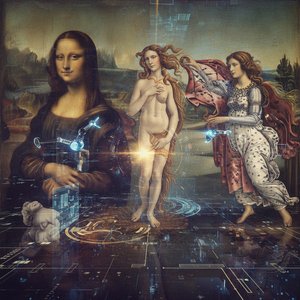
Digital Collage: Merging Art History and Technological Innovation into Modern Masterpieces
Explore the profound evolution of digital collage, where art history meets modern technology. Discover how contemporary masters merge classical techniques with digital innovation to create breathtaking new masterpieces for the modern collector.

Mastering Digital Collage: An Expert Guide to Layering Art, Texture, and Imagination
Elevate your digital artistry with our expert guide to mastering collage. Learn professional techniques for layering textures, blending imagery, and creating profound visual narratives through advanced digital composition and modern creative workflows.
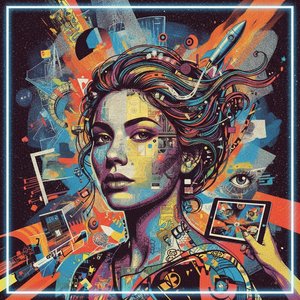
Digital Collage Unleashed: How to Remix Reality into High-Impact Pop Art
Master the art of digital collage. Discover how to remix pop culture icons, glitch aesthetics, and vibrant textures into high-impact Pop Art for modern urban spaces. Elevate your collection with bold, trend-setting visual strategies from the experts in contemporary graphic art.

The Alchemy of Layers: How Digital Collage Reimagines the Soul of Artistic Tradition
Explore the enchanting evolution of digital collage, where modern technology meets the timeless soul of art history. Discover how contemporary artists blend classical textures with digital innovation to create breathtaking new masterpieces for the modern collector.

The Magic of Collage: How to Layer Texture and Story into Your Home Decor
Elevate your interiors with the magic of collage. Discover expert tips on layering texture, 3D elements, and personal narratives through mixed media art to create a soulful, sophisticated home decor experience.


