

 Примерить в интерьере
 Отправить
 Поделиться
 Подробнее
 Руководство

 Скачать
 Похожие объекты
 Рентгенография
 Слайд-шоу
 Статистика
Galatea (?)
 1509
1509 63.0 x 100.0 cm
 Развернуть текст
Масляная репродукция ручной работы
Картина маслом на холсте в выбранном вами размере и раме, написанная на заказ нашими художниками. ( Переключиться на печать Перейти к цифровым изображениям)




































Выберите один из наших стандартных размеров, соответствующих оригинальным пропорциям произведения искусства.

Введите необходимую ширину и высоту, чтобы репродукция подошла к вашей раме или стене. Поскольку работа выполняется вручную, при изменении пропорций художник может немного увеличить область вокруг картины или, наоборот, обрезать края — выбор за вами. Перед началом работы мы пришлем вам цифровой макет на утверждение. Изображение на этой странице не является точным результатом — увидеть реальный вид можно только на макете.
После оформления заказа команда OriginalUniqueArt.com свяжется с клиентом по электронной почте для уточнения деталей и предоставит предварительный макет
Доставка по всему миру () за 3–4 недели вместо стандартных 5 недель. (23 Октябрь). Без компромиссов в качестве.

Бесплатная экспресс-доставка по всему миру

Высококачественный льняной холст

Полное страхование при транспортировке

Гарантия возврата таможенных пошлин

Гарантия точного цветового соответствия

100-дневный период возврата (только при обнаружении дефектов)

Гарантия возврата 100% средств

Скидка при заказе нескольких работ
 Вариант со стеклом доступен только для размеров менее 110 см

Galatea (?)
Материал репродукции
Размер репродукции
-


Итоговая стоимость
$ 300
Вопросы и ответы
Могу ли я рассмотреть «Galatea (?)» более детально?
Рентгеновский вид работы «Galatea (?)», Пинтуриккио доступен на странице Рентгеновский снимок: это интерактивное исследование изображения через одиннадцать оптических слоев.
Где я могу купить принт работы «Galatea (?)», Пинтуриккио?
«Galatea (?)» доступна в формате художественная печать на хлопковом холсте или архивной холст-бумаге. Заказ можно оформить на странице Художественная печать в любом удобном для вас размере.
Как мне найти произведения, похожие на «Galatea (?)», Пинтуриккио?
Работы, похожие на «Galatea (?)», Пинтуриккио, собраны на странице Похожие работы этого произведения.
Биография художника
Загадочное изящество Пинтуриччо: мастер Ренессанса
Бернардино ди Бетто, известный всему миру как Пинтуриччо — прозвище, с нежностью данное ему за его миниатюрный рост, — явился на свет в 1454 году в самом сердце художественной жизни Перуджи. Его жизнь протекала в эпоху колоссального культурного брожения, когда по всей Италии расцветал Высокий Ренессанс, однако Пинтуриччо сумел проложить свой уникальный путь, соединив уходящую элегантность готических традиций с зарождающимися инновациями той эпохи. В то время как такие титаны, как Леонардо да Винчи и Микеланджело, стремились к анатомическому совершенству и драматическому реализму, Пинтуриччо взращивал стиль, отличающийся утонченной грацией, замысловатой детализацией и ярким декоративным чувством. Его творческий путь не был путем революционных потрясений, но скорее путем изысканного совершенствования — свидетельством его мастерства в превращении устоявшихся форм во что-то неповторимо пленительное.От умбрийских мастерских до папских заказов
Раннее обучение Пинтуриччо остается в некоторой степени окутанным тайной, хотя считается, что он оттачивал свое мастерство под руководством менее известных перуджинских мастеров, таких как Бонфильо и Фиоренцо ди Лоренцо. Переломный момент наступил, когда он вошел в орбиту Пьетро Перуджино, ведущей фигуры умбрийской школы. Согласно Джорджо Вазари, Пинтурило служил помощником Перуджино, и это сотрудничество, несомненно, сформировало его художественное развитие. Эта связь оказалась решающей в получении заказа для Сикстинской капеллы в Риме в начале XVI века. Работая бок о бок с самыми прославленными художниками того времени — среди которых были Боттичелли, Гирландайо и Синьорелли, — Пинтуриччо внес свой вклад в этот монументальный проект, хотя, к сожалению, его фрески позже были уничтожены, чтобы освободить место для «Страшного суда» Микеланджело. Тем не менее, этот опыт послужил важнейшим трамплином, открыв ему доступ к новым влияниям и укрепив его репутацию.Период расцвета: Рим и покои Борджиа
Годы между 1484 и 1492 года стали периодом невероятной продуктивности для Пинтуриччо, сосредоточенной преимущественно в Риме. Он получал заказы от видных семей, таких как Делла Ровере, украшая капеллы в церкви Санта-Мария-дель-Пополо своим самобытным стилем. Эти работы демонстрировали его мастерство в технике фрески, характеризующейся нежными фигурами, богато орнаментированными фонами и склонностью к сложным декоративным мотивам. Однако именно работа на папу Александра VI — Родриго Борджиа — по-настоящему закрепила его место в истории искусства. Получив задание украсить покои Борджиа во дворце Ватикана между 1492 и 1494 годами, Пинтуриччо создал ансамбль комнат, пышно украшенных фресками с мифологическими сценами, портретами и аллегорическими изображениями. Эти покои, несмотря на их неоднозначную репутацию из-за связи с печально известной семьей Борджиа, представляют собой выдающийся пример декоративного искусства Ренессанса, раскрывая способность Пинтуриччо сочетать классические мотивы со своей собственной уникальной эстетической чувственностью. Использование сусального золота, ярких красок и иллюзорных техник создавало атмосферу роскошного великолепия, отражая мощь и амбиции папского двора.Наследие и непреходящее влияние
Художественное наследие Пинтуриччо — это наследие утонченной элегантности и тщательного мастерства. Хотя он, возможно, не обладал такой же широкой славой, как некоторые его современники, его влияние на последующие поколения художников неоспоримо. Его уникальный стиль — гармоничное сочетание готической грации и ренессансного новаторства — находил отклик у тех, кто ценил тонкость и детализацию. Он продемонстрировал исключительную способность создавать визуально потрясающие композиции, которые были одновременно эстетически приятными и интеллектуально стимулирующими. Его работа в библиотеке Пиколоммини в Сиене, завершенная незадолго до его смерти в 1513 году, служит свидетельством его непреходящего таланта. Фрески, изображающие сцены из жизни папы Пия II, демонстрируют ясность формы и цвета, предвосхищающую стиль Высокого Возрождения. Искусство Пинтуриччо продолжает очаровывать зрителей и сегодня, предлагая заглянуть в мир красоты, изысканности и художественного мастерства — мир, где деликатный штрих «маленького живописца» оставил неизгладимый след на ландшафте итальянского искусства Ренессанса.- Значимые работы: Фрески в Сикстинской капелле (уничтожены), покои Борджиа в Ватикане, библиотека Пиколоммини в Сиене.
- Влияние: Перуджино, Умбрийская школа живописи, готические традиции.
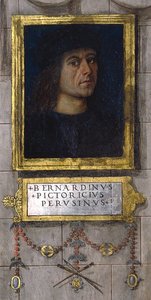
Пинтуриккио
1454 - 1513 , Италия
Краткая справка
- Artistic Movement Or Style: Ренессанс
- Artists Or Movements Influenced By This Artist: ['Рафаэль']
- Artists Who Influenced This Artist:
- Пиеро Перугино
- Бонфигли
- Фиренцо ди Лоренцо
- Date Of Birth: 1454
- Full Name: Bernardino di Betto
- Nationality: Итальянский
- Notable Artworks:
- Фрески Сикстинской капеллы
- Апартаменты Борджиа
- Святой Августин
- Place Of Birth: Perugia, Italy