Предпросмотр
 Поделиться
 Поделиться
 Детали произведения

 Скачать
 Похожие работы
 Рентгенография
 Слайд-шоу
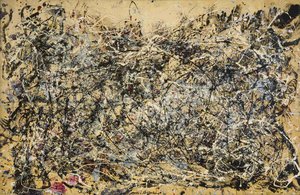
Untitled (Naked Man)


 Читать далее
Масляная репродукция ручной работы
Картина маслом на холсте в выбранном вами размере и раме, написанная на заказ нашими художниками. ( Купить принт Купить изображение)




P118B $10

P118H $10

P118W $10

P438Z $10

P508JH $12

P508YH $12

P805H $10

P805Z $10

P919BZ $10

P919G $10

P919XJ $10

P959ZH $10

P968JZ $12

W106C $8

W218G $10

W218JH $8

W218Y $10

W307PJ $10

W316G $10

W316PJ $8

W316Y $10

W398PJ $8

W4111J $10

W500HY $15

W500JH $15

W692G $12

W849H $8

W940BG $15

W953PJ $8




Выберите один из наших стандартных размеров, соответствующих оригинальным пропорциям произведения искусства.

Вы можете указать собственные размеры, чтобы картина идеально вписалась в выбранную раму или пространство. Если выбранный вами размер не соответствует пропорциям оригинала, мы либо обрежем полотно, либо расширим его за счет дополнительных элементов, написанных вручную. Цифровой макет будет отправлен вам на утверждение перед началом производства.
Обратите внимание, что предварительный просмотр на экране не отражает фактическую обрезку или расширение. Только макет точно покажет окончательную композицию.
Хотя доступны индивидуальные размеры, мы рекомендуем выбирать вариант из предопределенного списка, чтобы сохранить исходные пропорции.
После оформления заказа команда OriginalUniqueArt.com свяжется с клиентом по электронной почте для уточнения деталей и предоставит предварительный макет
Доставка по всему миру () за 3–4 недели вместо стандартных 5 недель. (18 Август). Без компромиссов в качестве.

Бесплатная экспресс-доставка по всему миру

Высококачественный льняной холст

Полное страхование доставки

Гарантия возмещения таможенных пошлин

Гарантия точного соответствия цветов

Политика возврата в течение 60 дней (только при наличии дефектов)

Гарантия возврата 100% средств

Предложение оптовых скидок
 Вариант со стеклом доступен только для размеров менее 110 см

Untitled (Naked Man)
Техника репродукции
Размер репродукции
-


Итоговая стоимость
$ 300
Описание произведения
A Figure Forged in Turmoil: Exploring Pollock’s ‘Untitled (Naked Man)’
This powerful painting by Jackson Pollock plunges the viewer into a vortex of emotion and raw energy. Depicting a nude male figure seemingly erupting from a chaotic, fiery landscape, it's a prime example of his groundbreaking contribution to Abstract Expressionism. While often referred to simply as ‘Untitled (Naked Man)’, this work exists alongside a closely related version titled ‘Untitled (Naked Man with Knife)’ – both created around 1950-53, and sharing similar compositional elements and emotional weight.Style & Technique: The Birth of Action Painting
Jackson Pollock’s revolutionary technique is immediately apparent. Abandoning traditional easel painting, he placed the canvas on the floor and employed a radical “drip” method. Liquid paint – often industrial house paints thinned with turpentine – was poured, splashed, and flung onto the surface, creating a dense network of lines and textures. This wasn’t merely about applying paint; it was *performance*, an ‘action painting’ where the physical act of creation became integral to the artwork itself. The resulting composition is characterized by its loose brushwork (or lack thereof!), intense color application, and flattened perspective – all hallmarks of his mature style. The heavy impasto creates a tactile surface, inviting close inspection of the layers and gestures.Subject & Symbolism: Rebirth or Destruction?
The central figure, though abstracted, is undeniably present—a muscular male form struggling upwards amidst swirling chaos. The dominant warm tones – oranges, reds, and yellows – evoke heat, danger, and perhaps even suffering. These fiery hues contrast with subtle cooler blues and greens in the background, adding depth without resolving the overall sense of unrest. What does this figure *mean*? Interpretations are open-ended, but themes of rebirth, psychological turmoil, or emergence from destruction resonate strongly. The absence of a clear narrative allows viewers to project their own emotions and experiences onto the work. Is it a depiction of primal struggle, a symbolic representation of inner demons, or a testament to the resilience of the human spirit?Historical Context: A Post-War Vision
Pollock’s artistic breakthrough occurred in the aftermath of World War II, a period marked by profound anxiety and existential questioning. Abstract Expressionism emerged as an attempt to grapple with these feelings, rejecting representational art in favor of subjective expression. Pollock's work, in particular, reflected a desire to break free from convention and explore the subconscious mind. His drip paintings were not intended to depict specific objects or scenes but rather to convey raw emotion and energy directly onto the canvas. He became a leading figure in the New York School, shifting the center of the art world away from Paris.Emotional Impact & Legacy
‘Untitled (Naked Man)’ is not a painting for passive observation; it demands engagement. The turbulent composition and intense colors create a visceral experience, evoking feelings of unease, excitement, or even catharsis. Pollock’s work continues to captivate audiences today, influencing generations of artists and inspiring collectors and interior designers alike. Its bold energy and unconventional beauty make it a striking focal point for any space – a testament to the enduring power of abstract art. The painting serves as a reminder that art can be both deeply personal and universally resonant, offering a glimpse into the complexities of the human condition.Биография художника
Early Life and the Seeds of Innovation
Paul Jackson Pollock, born in Cody, Wyoming, in 1912, was a restless spirit from the very beginning. His early life was marked by constant movement; his father, LeRoy Pollock, pursued work as a land surveyor across the vast landscapes of the American West, leading the family on a nomadic journey through Arizona and California. This itinerant existence instilled in young Pollock a deep connection to the natural world – he developed an appreciation for Native American art during these surveying trips, absorbing their visual language and spiritual intensity. Though he never consciously imitated Indigenous styles, these early experiences undoubtedly left an indelible mark on his artistic sensibility, shaping his later exploration of raw energy and primal expression.
Pollock’s formal artistic training commenced at the Manual Arts High School in Los Angeles, followed by studies at the Art Students League of New York under the tutelage of Thomas Hart Benton. Benton, a prominent figure in the Regionalist movement, emphasized rhythmic composition and narrative themes rooted in American life. Initially, Pollock absorbed Benton's lessons diligently, learning to create works that depicted scenes of rural America with a sense of dynamism and social commentary. However, his inherent inclination leaned toward more abstract explorations – he was drawn to the expressive potential of color and form, seeking ways to convey emotions and ideas beyond representational accuracy.
Furthermore, Pollock was profoundly influenced by Mexican muralists like José Clemente Orozco, whose monumental works depicted social struggles and historical events with a powerful emotional intensity. The scale, dynamism, and symbolic language of these murals resonated deeply with Pollock, inspiring him to seek ways to create art that could capture the complexities of human experience on a grander scale.
The Birth of Action Painting and a Revolutionary Technique
The 1930s witnessed Pollock’s experimentation with various techniques, driven by a desire to move beyond traditional brushwork. He began pouring paint directly onto canvases, exploring its fluidity and unpredictable nature – this was not simply applying color; it was an attempt to capture the very essence of movement and spontaneity. However, it was around 1947 that his artistic trajectory underwent a radical transformation. Abandoning the easel altogether, Pollock laid canvases directly on the floor, initiating what would become known as his “drip technique.” He then proceeded to drip, splash, and fling paint onto the canvas from above, orchestrating a dynamic dance between artist, medium, and surface – this wasn’t merely about applying paint; it was about embodying the act of creation itself.
This innovative approach fundamentally altered the way painting was conceived. Pollock's canvases became arenas for physical expression, capturing the immediacy of his gestures and emotions. The resulting paintings are characterized by their “all-over” composition – a lack of central focus that invites the viewer to explore the entire surface as a unified field of energy. Intricate networks of lines and colors intertwine, creating a visual complexity that is both captivating and challenging. He employed unconventional tools—sticks, knives, even syringes—to manipulate the paint in unpredictable ways, further emphasizing the spontaneous nature of his process.
This revolutionary technique positioned Pollock as a central figure in the burgeoning Abstract Expressionist movement, which emerged in post-World War II New York City. Abstract Expressionism prioritized spontaneous gesture, large scale, and non-representational imagery – reflecting a broader cultural shift away from traditional artistic conventions. His marriage to fellow artist Lee Krasner was also pivotal; she provided unwavering emotional support and actively encouraged his artistic development, recognizing the groundbreaking nature of his work.
Iconic Works and Lasting Legacy
Pollock’s most celebrated works—such as Number 1, 1950 (Lavender Mist), One: Number 31, 1950, Blue Poles: Number 11, 1952, and *Convergence*—are testaments to his revolutionary technique. These paintings are not simply images; they are records of a performance, imbued with the artist’s physical presence and emotional intensity. The dynamic energy that emanates from these canvases is palpable, drawing viewers into a world of pure abstraction.
The significance of Pollock's work extends beyond mere aesthetics; it represents an exploration of process over product. He sought to capture the immediacy of his actions and emotions on canvas, rejecting traditional notions of composition and representation. He delved into Jungian psychology, exploring archetypes and the subconscious in his art, seeking to tap into universal symbols and primal energies.
Pollock’s impact on the history of art is immeasurable. He fundamentally altered the way artists approached painting, breaking free from easel-based methods and embracing a more performative approach. His work helped solidify New York City's position as a global center for modern art, shifting the focus away from European dominance. His influence can be seen in the work of countless artists who followed, including those associated with Color Field painting and later forms of abstract expressionism.
A Complex Figure and Enduring Influence
Despite his groundbreaking achievements, Pollock’s life was marked by personal struggles. He battled alcoholism for much of his adult life, a condition that exacerbated his volatile personality and contributed to his untimely death in 1956 at the age of 44. However, it is important to recognize Pollock not just as an artist but also as a complex individual grappling with profound emotional challenges.
His legacy continues to evolve and inspire artists today. His work remains a subject of intense debate and interpretation, prompting viewers to consider the relationship between art, emotion, and experience. The drip technique he pioneered is still practiced by many contemporary painters, demonstrating the enduring relevance of his innovations. Jackson Pollock’s paintings are not merely decorative objects; they are windows into the artist's psyche, offering a glimpse into the depths of human consciousness.

Джексон Поллок
1912 - 1956 , Соединенные Штаты Америки
Основные сведения
- Artistic Movement Or Style: Абстрактный экспрессионизм
- Artists Or Movements Influenced By This Artist:
- Полевые цвета
- Экспрессионизм
- Artists Who Influenced This Artist:
- Бентон
- Орозко
- Массон
- Date Of Birth: 28 января 1912 г.
- Date Of Death: 11 августа 1956 г.
- Full Name: Paul Jackson Pollock
- Nationality: Американский
- Notable Artworks:
- Lavender Mist
- One: 31
- Blue Poles
- Convergence
- Place Of Birth: Кодий, США
Похожие статьи

Топ-10 шедевров абстрактного экспрессионизма: искусство для вашего интерьера от OriginalUniqueArt.com
Погрузитесь в мир абстрактного экспрессионизма! Откройте для себя 10 шедевров Поллока, Ротко и других гениев. История искусства, техники живописи и вдохновение для вашего интерьера от OriginalUniqueArt.com. Explore the full collection online!
Paul Jackson Pollock: A Radical Departure – Exploring Abstract Expressionism's Pioneering Figure and His Enduring Legacy
Explore the revolutionary art of Jackson Pollock & Abstract Expressionism. Discover his iconic drip paintings, lasting impact, and considerations for collecting this pivotal American artist. Expert insights at OriginalUniqueArt.

Unveiling Abstraction: The Raw Power and Enduring Mastery of Pollock, Rothko, and De Kooning
Unveil the visceral power of Abstract Expressionism. Our expert exploration delves into the transformative legacies of Pollock, Rothko, and De Kooning, offering discerning collectors a profound understanding of the New York School’s enduring mastery and historical impact.
Pure Chaos & Color: The High-Voltage World of Abstract Expressionism
Dive into the high-voltage world of Abstract Expressionism. Explore the raw energy of Action Painting and the legendary masters of the New York School through a visual journey of pure chaos and color. Discover how to bring bold, high-impact abstract art into your modern space.
Beyond Representation: Exploring the Emotional Landscape of Abstract Expressionism
Explore the profound emotional world of Abstract Expressionism with OriginalUniqueArt. Discover key artists like Pollock & Rothko, learn about collecting, and find museum-quality reproductions to inspire your space.