
 Предпросмотр
 Поделиться
 Поделиться
 Детали произведения

 Скачать
 Похожие работы
 Рентгенография
 Слайд-шоу
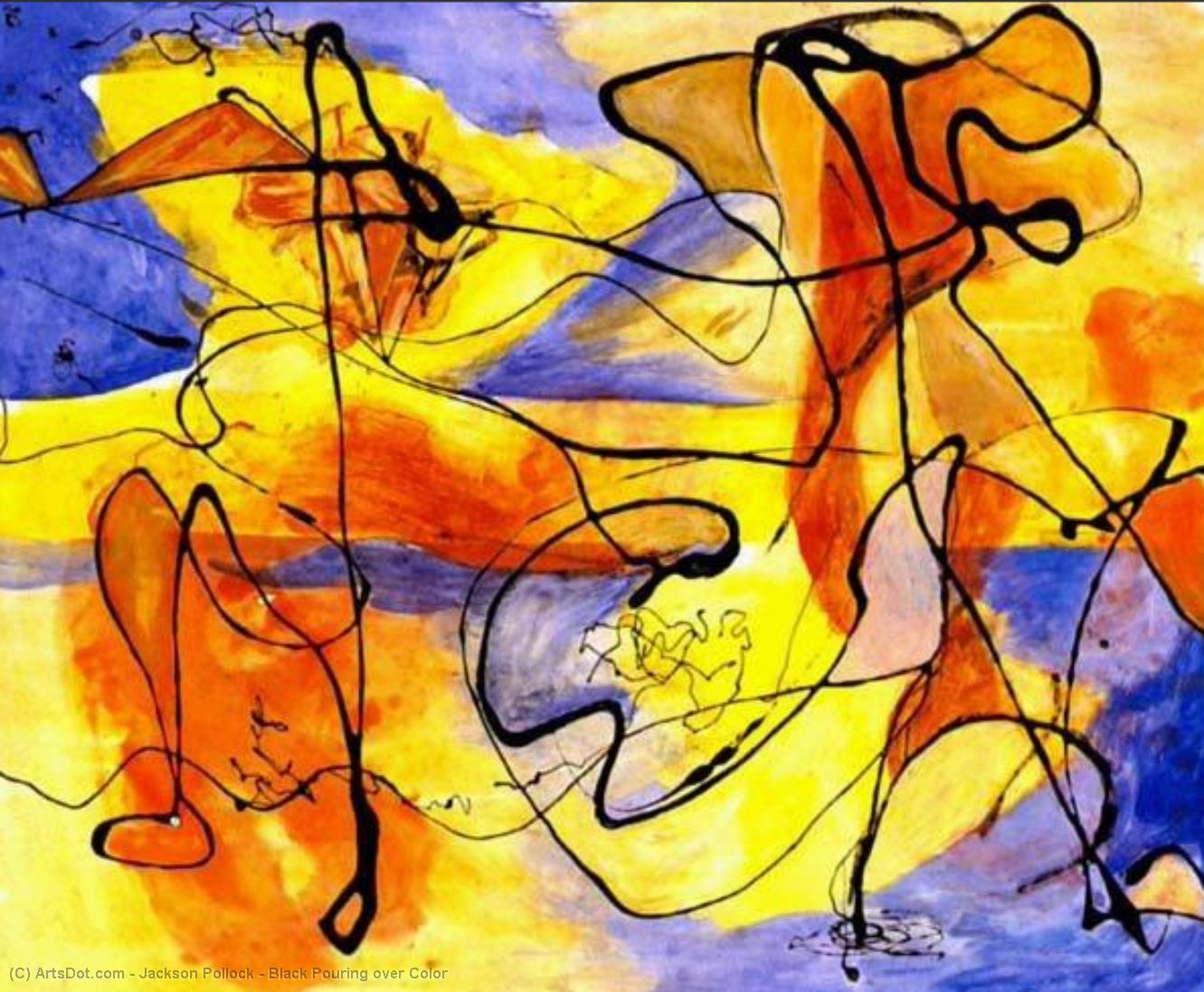
Black Pouring over Color


 Читать далее
Приобретите цифровое изображение высокого разрешения в улучшенном качестве, которое значительно превосходит онлайн-превью.
Каждый файл тщательно подготавливается нашими специалистами с использованием передовых инструментов и экспертной ручной ретуши. Мы гарантируем исключительную четкость, точную цветопередачу и детальную проработку каждого изображения.
Финальный файл доставляется по электронной почте в течение 72 часов и оптимизирован для немедленного использования в профессиональной среде, при верстке и печати. Это тот же уровень качества, которому доверяют ведущие дизайнерские студии, издательства и галереи.
Цифровое изображение
Скачайте файл высокого разрешения для личного использования, печати и творческих проектов. ( Купить принт Купить картину ручной работы)
Включено в каждый заказ цифровых изображений
Гарантия экспертной цифровой доставки
Выбирая OriginalUniqueArt.com, вы получаете не просто изображение — вы приобретаете профессионально обработанное цифровое произведение искусства, созданное с безупречной точностью и под защитой гарантии качества. Вот всё, что автоматически входит в ваш заказ:

Мгновенная доставка по e-mail
Ваш цифровой файл в высоком разрешении будет отправлен вам по электронной почте в течение 72 часов после оформления заказа — и сразу станет доступен для использования.

Цифровой файл с ИИ-улучшением
Ваше произведение искусства проходит профессиональную оптимизацию с использованием передовых инструментов ИИ и ручной обработки, что гарантирует максимальную детализацию, четкость и точность цветопередачи.

Бессрочная бесплатная повторная доставка
Случайно удалили или потеряли файл? Не беспокойтесь — мы отправим его вам повторно в любое время и совершенно бесплатно.

Без импортных пошлин — навсегда
Наслаждайтесь вашим произведением искусства мгновенно без таможенных пошлин, сборов или затрат на доставку — цифровые загрузки всегда не облагаются налогом.

Гарантия точности цветопередачи
Мы гарантируем, что ваше цифровое изображение максимально точно передает оригинальные цвета благодаря использованию профессиональных инструментов и систем управления цветом.

Гарантия удовлетворения в течение 60 дней
Если вы останетесь не удовлетворены покупкой цифрового изображения, мы внесем в него правки или вернем 100% стоимости в течение 60 дней — без лишних вопросов.

100% Гарантия возврата средств
Не удовлетворены покупкой? Мы гарантируем полный возврат средств в течение 60 дней после получения вашего цифрового файла — без лишних вопросов.

Скидки на оптовые заказы
Купите 3 изображения, сэкономьте 10% — Купите 5, сэкономьте 15% — Купите 10+, сэкономьте 20%. Отличное решение для творческих проектов, галерей и агентств.
Описание коллекции
A Dance with Color: Jackson Pollock’s “Black Pouring over Color”
Jackson Pollock's "Black Pouring over Color," created in 1950, isn’t merely a painting; it’s an immersive experience—a visceral representation of the turbulent energy simmering beneath the surface of modern life. This seminal work, housed within OriginalUniqueArt’s meticulously crafted hand-painted reproductions, offers a profound glimpse into the heart of Abstract Expressionism and the revolutionary techniques pioneered by its most iconic figure. The painting immediately commands attention with its dense, almost chaotic composition, dominated by layers of black paint that seem to writhe and pulse with an inner life. Yet, within this apparent darkness, subtle shifts in tone and texture reveal a complex interplay of color and movement—a testament to Pollock’s mastery of the drip technique. It's a piece that invites prolonged contemplation, revealing new nuances with each viewing.The Genesis of Action Painting
“Black Pouring over Color” emerged from a pivotal moment in art history: the rise of Abstract Expressionism in post-World War II America. This movement, born out of a desire to express raw emotion and subjective experience, rejected traditional representational forms in favor of non-objective imagery. Pollock, along with artists like Willem de Kooning and Franz Kline, sought to capture the immediacy of their inner worlds—their anxieties, passions, and spiritual journeys—directly on canvas. Pollock’s method, famously dubbed “action painting,” involved abandoning brushes altogether and utilizing a unique system of gravity and controlled drips – pouring, splattering, and flicking paint onto a large, flat canvas laid horizontally on the floor. This process wasn't about meticulous planning; it was an act of spontaneous creation, a dance between the artist and the materials themselves. The resulting works are imbued with a sense of dynamism and unrestrained energy—a reflection of the rapidly changing social and cultural landscape of the time.Technique and Materiality: A Symphony of Texture
The technical brilliance of “Black Pouring over Color” lies in its intricate layering and manipulation of paint. Pollock employed a combination of oil paints, thinned with turpentine, creating a fluid consistency that allowed for both controlled drips and spontaneous splatters. The canvas itself was often primed with multiple layers of gesso, providing a textured surface upon which the paint could build and interact. Notice how the black paint isn’t uniformly applied; it pools in certain areas, forming dense, almost sculptural masses, while other sections are thinner and more translucent, revealing glimpses of the underlying canvas. The subtle variations in gloss and matte finish contribute to the painting's overall sense of depth and movement. The use of aluminum, as seen in some of his later works, added a reflective quality that further enhanced the visual complexity. OriginalUniqueArt’s reproductions faithfully capture these nuances, ensuring that viewers can appreciate the full extent of Pollock’s technical skill.Symbolism and Emotional Resonance
While Abstract Expressionism deliberately avoided overt symbolism, “Black Pouring over Color” undeniably evokes a range of emotions—anxiety, intensity, and perhaps even a sense of unease. The dominant black color can be interpreted as representing the darkness and uncertainty of the post-war era, but also as a symbol of introspection and self-reflection. The fragmented forms and chaotic composition suggest a state of emotional turmoil, while the bursts of color—particularly the subtle hints of blue and gray—offer moments of respite and hope. Pollock himself described his process as “automatic,” allowing the subconscious to guide his hand. This emphasis on spontaneity and intuition speaks to the painting’s profound psychological depth. It's a work that resonates with viewers not just visually, but emotionally, inviting them to project their own experiences and interpretations onto its surface.Bringing Pollock Home: OriginalUniqueArt Reproductions
OriginalUniqueArt is proud to offer meticulously hand-painted reproductions of “Black Pouring over Color,” capturing the essence of this iconic masterpiece with unparalleled fidelity. Our artists, trained in traditional oil painting techniques, painstakingly recreate every detail—from the subtle variations in texture to the nuanced interplay of color. Unlike mass-produced prints, our reproductions possess a rich, tactile quality that evokes the original’s physicality. They are more than just images; they are authentic works of art, ready to enhance any interior space and serve as a lasting tribute to Jackson Pollock's revolutionary vision. Explore our collection today and bring this extraordinary painting into your world.Биография художника
Early Life and the Seeds of Innovation
Paul Jackson Pollock, born in Cody, Wyoming, in 1912, was a restless spirit from the very beginning. His early life was marked by constant movement; his father, LeRoy Pollock, pursued work as a land surveyor across the vast landscapes of the American West, leading the family on a nomadic journey through Arizona and California. This itinerant existence instilled in young Pollock a deep connection to the natural world – he developed an appreciation for Native American art during these surveying trips, absorbing their visual language and spiritual intensity. Though he never consciously imitated Indigenous styles, these early experiences undoubtedly left an indelible mark on his artistic sensibility, shaping his later exploration of raw energy and primal expression.
Pollock’s formal artistic training commenced at the Manual Arts High School in Los Angeles, followed by studies at the Art Students League of New York under the tutelage of Thomas Hart Benton. Benton, a prominent figure in the Regionalist movement, emphasized rhythmic composition and narrative themes rooted in American life. Initially, Pollock absorbed Benton's lessons diligently, learning to create works that depicted scenes of rural America with a sense of dynamism and social commentary. However, his inherent inclination leaned toward more abstract explorations – he was drawn to the expressive potential of color and form, seeking ways to convey emotions and ideas beyond representational accuracy.
Furthermore, Pollock was profoundly influenced by Mexican muralists like José Clemente Orozco, whose monumental works depicted social struggles and historical events with a powerful emotional intensity. The scale, dynamism, and symbolic language of these murals resonated deeply with Pollock, inspiring him to seek ways to create art that could capture the complexities of human experience on a grander scale.
The Birth of Action Painting and a Revolutionary Technique
The 1930s witnessed Pollock’s experimentation with various techniques, driven by a desire to move beyond traditional brushwork. He began pouring paint directly onto canvases, exploring its fluidity and unpredictable nature – this was not simply applying color; it was an attempt to capture the very essence of movement and spontaneity. However, it was around 1947 that his artistic trajectory underwent a radical transformation. Abandoning the easel altogether, Pollock laid canvases directly on the floor, initiating what would become known as his “drip technique.” He then proceeded to drip, splash, and fling paint onto the canvas from above, orchestrating a dynamic dance between artist, medium, and surface – this wasn’t merely about applying paint; it was about embodying the act of creation itself.
This innovative approach fundamentally altered the way painting was conceived. Pollock's canvases became arenas for physical expression, capturing the immediacy of his gestures and emotions. The resulting paintings are characterized by their “all-over” composition – a lack of central focus that invites the viewer to explore the entire surface as a unified field of energy. Intricate networks of lines and colors intertwine, creating a visual complexity that is both captivating and challenging. He employed unconventional tools—sticks, knives, even syringes—to manipulate the paint in unpredictable ways, further emphasizing the spontaneous nature of his process.
This revolutionary technique positioned Pollock as a central figure in the burgeoning Abstract Expressionist movement, which emerged in post-World War II New York City. Abstract Expressionism prioritized spontaneous gesture, large scale, and non-representational imagery – reflecting a broader cultural shift away from traditional artistic conventions. His marriage to fellow artist Lee Krasner was also pivotal; she provided unwavering emotional support and actively encouraged his artistic development, recognizing the groundbreaking nature of his work.
Iconic Works and Lasting Legacy
Pollock’s most celebrated works—such as Number 1, 1950 (Lavender Mist), One: Number 31, 1950, Blue Poles: Number 11, 1952, and *Convergence*—are testaments to his revolutionary technique. These paintings are not simply images; they are records of a performance, imbued with the artist’s physical presence and emotional intensity. The dynamic energy that emanates from these canvases is palpable, drawing viewers into a world of pure abstraction.
The significance of Pollock's work extends beyond mere aesthetics; it represents an exploration of process over product. He sought to capture the immediacy of his actions and emotions on canvas, rejecting traditional notions of composition and representation. He delved into Jungian psychology, exploring archetypes and the subconscious in his art, seeking to tap into universal symbols and primal energies.
Pollock’s impact on the history of art is immeasurable. He fundamentally altered the way artists approached painting, breaking free from easel-based methods and embracing a more performative approach. His work helped solidify New York City's position as a global center for modern art, shifting the focus away from European dominance. His influence can be seen in the work of countless artists who followed, including those associated with Color Field painting and later forms of abstract expressionism.
A Complex Figure and Enduring Influence
Despite his groundbreaking achievements, Pollock’s life was marked by personal struggles. He battled alcoholism for much of his adult life, a condition that exacerbated his volatile personality and contributed to his untimely death in 1956 at the age of 44. However, it is important to recognize Pollock not just as an artist but also as a complex individual grappling with profound emotional challenges.
His legacy continues to evolve and inspire artists today. His work remains a subject of intense debate and interpretation, prompting viewers to consider the relationship between art, emotion, and experience. The drip technique he pioneered is still practiced by many contemporary painters, demonstrating the enduring relevance of his innovations. Jackson Pollock’s paintings are not merely decorative objects; they are windows into the artist's psyche, offering a glimpse into the depths of human consciousness.

Джексон Поллок
1912 - 1956 , Соединенные Штаты Америки
Основные сведения
- Artistic Movement Or Style: Абстрактный экспрессионизм
- Artists Or Movements Influenced By This Artist:
- Полевые цвета
- Экспрессионизм
- Artists Who Influenced This Artist:
- Бентон
- Орозко
- Массон
- Date Of Birth: 28 января 1912 г.
- Date Of Death: 11 августа 1956 г.
- Full Name: Paul Jackson Pollock
- Nationality: Американский
- Notable Artworks:
- Lavender Mist
- One: 31
- Blue Poles
- Convergence
- Place Of Birth: Кодий, США

