

 Предпросмотр
 Поделиться
 Поделиться
 Детали произведения

 Скачать
 Похожие работы
 Рентгенография
 Слайд-шоу
Les Miserables


 Читать далее
Масляная репродукция ручной работы
Картина маслом на холсте в выбранном вами размере и раме, написанная на заказ нашими художниками. ( Купить принт Купить изображение)




P118B $10

P118H $10

P118W $10

P438Z $10

P508JH $12

P508YH $12

P805H $10

P805Z $10

P919BZ $10

P919G $10

P919XJ $10

P959ZH $10

P968JZ $12

W106C $8

W218G $10

W218JH $8

W218Y $10

W307PJ $10

W316G $10

W316PJ $8

W316Y $10

W398PJ $8

W4111J $10

W500HY $15

W500JH $15

W692G $12

W849H $8

W940BG $15

W953PJ $8




Выберите один из наших стандартных размеров, соответствующих оригинальным пропорциям произведения искусства.

Вы можете указать собственные размеры, чтобы картина идеально вписалась в выбранную раму или пространство. Если выбранный вами размер не соответствует пропорциям оригинала, мы либо обрежем полотно, либо расширим его за счет дополнительных элементов, написанных вручную. Цифровой макет будет отправлен вам на утверждение перед началом производства.
Обратите внимание, что предварительный просмотр на экране не отражает фактическую обрезку или расширение. Только макет точно покажет окончательную композицию.
Хотя доступны индивидуальные размеры, мы рекомендуем выбирать вариант из предопределенного списка, чтобы сохранить исходные пропорции.
После оформления заказа команда OriginalUniqueArt.com свяжется с клиентом по электронной почте для уточнения деталей и предоставит предварительный макет
Доставка по всему миру () за 3–4 недели вместо стандартных 5 недель. (31 Август). Без компромиссов в качестве.

Бесплатная экспресс-доставка по всему миру

Высококачественный льняной холст

Полное страхование доставки

Гарантия возмещения таможенных пошлин

Гарантия точного соответствия цветов

Политика возврата в течение 60 дней (только при наличии дефектов)

Гарантия возврата 100% средств

Предложение оптовых скидок
 Вариант со стеклом доступен только для размеров менее 110 см

Les Miserables
Техника репродукции
Размер репродукции
-


Итоговая стоимость
$ 575
A Chronicle of Suffering: Paul Gustave Doré’s “Les Misérables”
Paul Gustave Doré's "Les Misérables" is not merely an engraving; it is a visceral plunge into the heart of Victor Hugo’s seminal novel, a testament to human suffering rendered with unparalleled emotional intensity. Executed in the late 19th century, this work captures a pivotal moment – a gathering of the destitute and marginalized within the grimy confines of Parisian urban life. The composition immediately commands attention, a deliberate chaos reflecting the desperate circumstances of its subjects. Doré’s masterful use of line, achieved through meticulous cross-hatching and stippling, generates an astonishingly tactile quality, mimicking the coarse fabric of their clothing, the weathered stone of the buildings, and the very texture of despair itself. The deep shadows, cast by a single, unseen light source, amplify this sense of vulnerability, transforming the figures into haunting silhouettes against a stark background.The Language of Line: Technique and Style
Doré’s technique is fundamentally rooted in the principles of engraving – an art form he elevated to extraordinary heights. The process involved meticulously incising lines onto a metal plate, which was then inked and pressed onto paper to create the final image. This method demanded immense patience and control, resulting in a level of detail rarely seen in contemporary illustrations. Notice how the artist’s hand guides the line with confident precision, creating not just an image but a deeply felt narrative. The flattened perspective, characteristic of engravings, prioritizes clarity and emotional impact over strict realism, allowing Doré to focus on conveying the psychological weight of his subjects' plight. The influence of Romanticism is palpable, particularly in the dramatic lighting and the emphasis on intense emotion – hallmarks of artists like Eugène Delacroix, whose work Doré deeply admired.Symbolic Echoes: Poverty, Justice, and Hope
Beyond its technical brilliance, “Les Misérables” resonates with profound symbolic meaning. The crowded scene, dominated by men, women, and children, immediately evokes the themes of poverty, social injustice, and neglect that permeate Hugo’s novel. The inclusion of individuals using walking sticks speaks to both age and disability, further highlighting their vulnerability. Children, a recurring motif in Doré's work, represent lost innocence and the devastating consequences of societal indifference. While the scene is overwhelmingly somber, there are subtle hints of resilience – a shared gaze, a protective arm around a child – suggesting an enduring spirit amidst unimaginable hardship. The simple, unadorned building serves as a stark backdrop, emphasizing the subjects’ isolation and their struggle against overwhelming odds.A Legacy in Ink: Reproduction Possibilities
OriginalUniqueArt offers meticulously crafted hand-painted reproductions of Paul Gustave Doré's “Les Misérables,” capturing the essence of this iconic engraving with unparalleled fidelity. Utilizing traditional artistic techniques, our skilled artisans recreate Doré’s masterful use of line and shadow, ensuring that every detail – from the rough texture of the clothing to the poignant expressions on the figures’ faces – is faithfully reproduced. Available in a range of sizes, this artwork makes an exceptional addition to any collection or interior space, serving as a powerful reminder of human resilience and the enduring struggle for justice. GD178Биография художника
A Life Etched in Shadow and Light: The World of Gustave Doré
Paul Gustave Louis Christophe Doré, a name synonymous with dramatic illustration and evocative imagery, was a figure who profoundly shaped the visual landscape of 19th-century Europe. Born in Strasbourg, France, on January 6th, 1832, his life unfolded during a period of immense social and artistic transformation – a time when Romanticism’s passionate spirit was yielding to new currents of realism and symbolism. Even as a young boy, Doré exhibited an extraordinary talent, not merely for drawing—a skill he cultivated from an incredibly early age—but also with a personality brimming with theatricality and a deep sensitivity to the human condition. Tales abound of youthful pranks that revealed a maturity far beyond his years, foreshadowing the complex and often melancholic themes that would dominate his art. He embarked on his professional career remarkably early, at just fifteen years old, as a caricaturist for *Le Journal pour rire*, honing his observational skills and mastering the craft of composition within the vibrant world of Parisian satire.From Caricature to Literary Giants: The Rise of an Illustrator
Doré’s initial commissions laid the groundwork for his future renown. Works such as *Les Travaux d'Hercule* (1847), *Trois artistes incompris et mécontents* (1851), and *Les Dés-agréments d'un voyage d'agrément* (1851) showcased a burgeoning talent for dynamic composition and a masterful command of light and shadow, even in these relatively modest beginnings. He was deeply influenced by the illustrations of J.J. Grandville, whose fantastical imagery and satirical edge resonated with Doré’s own developing style – a shared fascination with social commentary and imaginative storytelling. However, it was through his collaborations with literary giants that Doré truly ascended to prominence. In 1853, he received a monumental commission to illustrate the works of Lord Byron, an undertaking that opened doors to further prestigious projects. This collaboration not only established him as a leading illustrator but also exposed his work to a vast and discerning audience. The ambitious task of illustrating the Bible followed, a project that would cement his reputation and bring his art before a global readership – a testament to his skill and ambition. His illustrations for Cervantes’ *Don Quixote* in the 1860s were particularly groundbreaking, profoundly influencing subsequent interpretations of the characters and narrative with their dramatic intensity and emotional depth. He didn't simply reproduce these stories; he reimagined them, imbuing them with a theatrical flair that captured the imagination of readers worldwide. The oversized edition of Edgar Allan Poe’s “The Raven,” completed in 1883, earned him an impressive 30,000 francs from Harper & Brothers, demonstrating the commercial success alongside the artistic acclaim he had achieved. His collaboration with Blanchard Jerrold on *London: A Pilgrimage* (1872) was a particularly poignant and controversial work, depicting the stark realities of Victorian London’s poverty and sparking debate about social conditions – a reflection of his willingness to confront difficult truths through his art.A Master of Technique: Wood Engraving and Romantic Vision
Doré's artistic prowess wasn't solely rooted in imaginative vision; it was inextricably linked to his technical mastery, particularly in wood engraving. He possessed an extraordinary ability to create incredibly detailed and dramatic images using this medium – a skill that allowed for the mass production and widespread dissemination of his work. His compositions are characterized by their dynamism, strong contrasts between light and shadow (a technique known as chiaroscuro), and a sense of grandeur that often evokes a feeling of awe or even terror. He frequently employed a large team of block-cutters to translate his designs into wood engravings, enabling the efficient production needed to meet the demands of publishers and readers alike. This process demanded immense patience and precision, reflecting Doré’s meticulous attention to detail. His style is firmly rooted in the Romantic tradition – emphasizing emotion, imagination, and the sublime—a fascination with the overwhelming power of nature and the human condition. He wasn't merely recording scenes; he was interpreting them through a lens of heightened emotionality and dramatic flair. This approach, while celebrated by many, also drew criticism from some contemporaries who found his work overly theatrical or lacking in subtlety.Notable Works and Lasting Influence
Doré’s artistic output spanned a remarkable range of subjects and styles. His illustrations for Dante's *Inferno* remain perhaps his most iconic achievement – a terrifying and unforgettable depiction of hell that continues to captivate audiences today. The sheer scale and detail of these engravings are breathtaking, showcasing Doré’s technical skill and imaginative power. His work on Milton’s *Paradise Lost* offered a contrasting vision of the heavens, filled with majestic beauty and divine splendor. Beyond these monumental projects, he produced countless illustrations for popular literature, including works by Cervantes, Shakespeare, and Poe. His depictions of London life in *London: A Pilgrimage* provided a stark and unflinching portrayal of poverty and social injustice. He was awarded the honor of being made a Chevalier de la Légion d'honneur by the French government in 1861 – a recognition of his growing influence within artistic circles. Despite facing some criticism during his lifetime—some found his style overly dramatic or lacking in subtlety—Doré’s work is now celebrated for its artistic merit and historical importance. His illustrations continue to shape our understanding of classic literature and Victorian society, offering a powerful visual interpretation of timeless stories and enduring themes. Paul Gustave Doré died on January 23rd, 1883, leaving behind an immense body of work that continues to captivate and inspire artists and readers alike. *His art remains a testament to the power of illustration to not only depict but also to interpret and transform the world around us.*Key Characteristics
- Dramatic Composition: Doré’s works are renowned for their dynamic arrangements, creating a sense of movement and excitement.
- Chiaroscuro: His masterful use of light and shadow – a technique known as chiaroscuro – adds depth and drama to his illustrations.
- Romanticism: His art is deeply rooted in the Romantic tradition, emphasizing emotion, imagination, and the sublime.
- Technical Skill: Doré’s expertise in wood engraving allowed him to create incredibly detailed and intricate images.
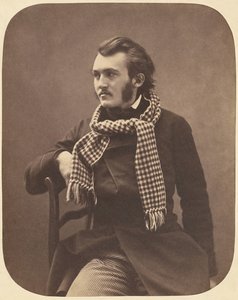
Доре, Гюстав
1832 - 1883 , Франция
Основные сведения
- Artistic Movement Or Style: Романтизм
- Artists Or Movements Influenced By This Artist: ['Винсент Ван Гог']
- Artists Who Influenced This Artist: ['Ж.Ж. Гранвилль']
- Date Of Birth: 6 января 1832 г.
- Date Of Death: 23 января 1883 г.
- Full Name: Paul Gustave Doré
- Nationality: Француз
- Notable Artworks:
- «Цветные» в Лондоне
- «Битва при Ватерлоо»
- «Дон Кихот»
- Place Of Birth: Страсбург, Франция
Похожие статьи
10 шедевров гравюры, изменивших искусство навсегда | OriginalUniqueArt
Откройте для себя 10 легендарных шедевров гравюры от Дюрера, Гойи и Рембрандта! Узнайте историю создания этих культовых работ и их влияние на искусство. Репродукции высокого качества для вашего интерьера – OriginalUniqueArt.

Топ-10 знаменитых картин в черных тонах: шедевры искусства для вашего интерьера
Погрузитесь в мир темных шедевров! Топ-10 знаменитых картин в черных тонах от Гойи, Рембрандта и Мунка. История искусства, техники живописи и вдохновение для вашего интерьера. Купите репродукции высокого качества на OriginalUniqueArt.com

Engraving: A Historical Survey of Technique, Artistic Expression & Enduring Legacy
Explore the rich history of engraving with OriginalUniqueArt. Discover techniques, iconic artists like Dürer & Callot, collecting tips, and expert guidance for preserving your art investment. Learn about intaglio printing & more!

The Intricate World of Engraving: A Historical Survey of Technique, Artistic Expression & Enduring Legacy
Explore the rich history of engraving with OriginalUniqueArt. Discover techniques, iconic artists like Dürer & Callot, collecting tips, and expert guidance for preserving your art investment. Learn about intaglio printing & more!
Топ-10 шедевров XIX века: искусство, история и декор от OriginalUniqueArt.com
Погрузитесь в мир искусства XIX века! От реализма до импрессионизма – 10 величайших картин, истории художников и вдохновение для вашего интерьера. Репродукции высокого качества на OriginalUniqueArt.com. Откройте всю коллекцию онлайн!



