

 Предпросмотр
 Поделиться
 Поделиться
 Детали произведения

 Скачать
 Похожие работы
 Рентгенография
 Слайд-шоу
 Stats
StatsMorphine Addicts
 Acrylic On Canvas
- WallArt
- Impressionism
 1887
1887 24.0 x 37.0 cm
 Музей Метрополитен
 Читать далее
Приобретите цифровое изображение высокого разрешения в улучшенном качестве, которое значительно превосходит онлайн-превью.
Каждый файл тщательно подготавливается нашими специалистами с использованием передовых инструментов и экспертной ручной ретуши. Мы гарантируем исключительную четкость, точную цветопередачу и детальную проработку каждого изображения.
Финальный файл доставляется по электронной почте в течение 72 часов и оптимизирован для немедленного использования в профессиональной среде, при верстке и печати. Это тот же уровень качества, которому доверяют ведущие дизайнерские студии, издательства и галереи.
Цифровое изображение
Скачайте файл высокого разрешения для личного использования, печати и творческих проектов. ( Switch to Print Купить картину ручной работы)
Включено в каждый заказ цифровых изображений
Гарантия экспертной цифровой доставки
Выбирая OriginalUniqueArt.com, вы получаете не просто изображение — вы приобретаете профессионально обработанное цифровое произведение искусства, созданное с безупречной точностью и под защитой гарантии качества. Вот всё, что автоматически входит в ваш заказ:

Мгновенная доставка по e-mail
Ваш цифровой файл в высоком разрешении будет отправлен вам по электронной почте в течение 72 часов после оформления заказа — и сразу станет доступен для использования.

Цифровой файл с ИИ-улучшением
Ваше произведение искусства проходит профессиональную оптимизацию с использованием передовых инструментов ИИ и ручной обработки, что гарантирует максимальную детализацию, четкость и точность цветопередачи.

Бессрочная бесплатная повторная доставка
Случайно удалили или потеряли файл? Не беспокойтесь — мы отправим его вам повторно в любое время и совершенно бесплатно.

Без импортных пошлин — навсегда
Наслаждайтесь вашим произведением искусства мгновенно без таможенных пошлин, сборов или затрат на доставку — цифровые загрузки всегда не облагаются налогом.

Гарантия точности цветопередачи
Мы гарантируем, что ваше цифровое изображение максимально точно передает оригинальные цвета благодаря использованию профессиональных инструментов и систем управления цветом.

Гарантия удовлетворенности 100 дней
Если вы не будете удовлетворены своим цифровым изображением, мы внесем правки или вернем 100% стоимости в течение 100 дней — без лишних вопросов.

100% Гарантия возврата средств
Не удовлетворены покупкой? Получите полный возврат средств в течение 100 дней после получения цифрового файла — без лишних вопросов.

Скидки на оптовые заказы
Купите 3 изображения, сэкономьте 10% — Купите 5, сэкономьте 15% — Купите 10+, сэкономьте 20%. Отличное решение для творческих проектов, галерей и агентств.
Paul Albert Besnard - Morphine Addicts
Paul Albert Besnard (1849-1934) stands as a singular figure in French art of the late nineteenth and early twentieth centuries—a painter who stubbornly resisted categorization while simultaneously achieving remarkable success across diverse artistic mediums. Born in Paris, he possessed an innate talent nurtured by formal training at the École des Beaux-Arts under Jean Bremond and profoundly shaped by the pioneering spirit of Alexandre Cabanel, whose meticulous realism served as a cornerstone for Besnard’s initial artistic explorations. His academic grounding provided a disciplined foundation upon which he would later forge his own distinctive path, one characterized by an unwavering fascination with color and light—concepts championed by the Impressionists. Despite eschewing the overtly dramatic aesthetic favored by his contemporaries, Besnard skillfully adapted Impressionistic techniques to monumental decorative pro Besnard’s oeuvre is marked by a profound sensitivity to human emotion and psychological nuance, particularly evident in his portraits of women – figures rendered with exquisite detail and imbued with an aura of melancholy. “Morphine Addicts,” completed in 1887, exemplifies this artistic approach, presenting two women presented in a starkly lit laboratory setting—a juxtaposition that immediately invites contemplation on themes of illness, addiction, and the complexities of human experience. The artist’s masterful command of etching technique contributes significantly to the artwork's expressive power, capturing subtle tonal variations and textural nuances with remarkable precision. The composition itself is deliberately restrained, focusing intently on the faces and upper bodies of the subjects—a stylistic choice that underscores Besnard’s commitment to realism while simultaneously conveying a sense of intimacy. The figures are positioned slightly off-center, creating visual balance and drawing the viewer's gaze towards their expressive eyes. A table laden with scientific glassware serves as a grounding element, anchoring the scene within its clinical context and subtly hinting at the underlying narrative. Besnard’s meticulous hatching and crosshatching techniques—inherited from Cabanel’s influence—are employed to build up areas of shadow, enhancing depth and creating an atmosphere of quiet contemplation. Color plays a crucial role in conveying emotion, though Besnard eschews vibrant hues characteristic of Impressionism, opting instead for a monochrome palette dominated by shades of grey and white. This tonal scheme amplifies the artwork’s melancholic mood, emphasizing the vulnerability of the subjects and fostering a connection with the viewer on an emotional level. The artist skillfully utilizes light and shadow to sculpt the forms of the women's faces, highlighting their expressions and conveying subtle nuances of emotion—a testament to Besnard’s artistic prowess. Ultimately, “Morphine Addicts” transcends mere visual representation; it functions as a poignant meditation on human suffering and resilience. Besnard’s stylistic blend of academic realism with Impressionistic sensibilities captures the essence of his era—a period marked by intellectual curiosity and an exploration of psychological states. The artwork's enduring appeal lies in its ability to provoke reflection on themes of addiction, vulnerability, and the profound beauty found within moments of quiet introspection. It remains a compelling example of Besnard’s artistic vision and a testament to the power of art to communicate complex emotions with grace and subtlety.Биография художника
Светлое наследие Поля Альбера Бенарда
Поль Альбер Бенарда (1849–1934) — самобытная фигура в полотне французского искусства, живописец, который с неповторимым, не поддающимся классификации изяществом следовал за переменчивыми течениями конца XIX и начала XX веков. Рожденный в Париже, он начал свой творческий путь в строгих стенах Эколе де Боз-Ар, где обучался у Жана Бремона. Его раннее становление было глубоко пропитано тщательным реализмом Александра Кабанеля — это влияние заложило в Бенарда дисциплинированный академический фундамент. Однако под этой классической выучкой билось сердце новатора, который со временем решился выйти за жесткие рамки традиций, чтобы объять эфемерную красоту света и атмосферы.
По мере созревания своего мастерства Бенарда начал наводить мосты между структурированным миром академической живописи и яркими, чувственными поисками импрессионизма. И хотя он не отказался от формы ради чистой абстракции, он стал истинным мастером цвета, используя палитру, которая казалась одновременно сияющей и глубоко эмоциональной. Его творчество характеризуется непоколебимым восхищением тем, как свет взаимодействует с поверхностями — будь то нежная кожа в портрете или величественные архитектурные пространства его грандиозных заказов. Эта способность соединять монументальное с интимным позволила ему преодолеть ярлыки своей эпохи, создав стиль, который ощущается одновременно вневременным и поразительно современным.
Мастер масштаба и духа
Подлинный гений Бенарда наиболее ярко проявился в его способности переносить современные настроения на грандиозный, декоративный масштаб. Он не просто писал картины — он преображал пространства. Его амбициозные фрески, украшающие некоторые из самых престижных институтов Франции, служат свидетельством его видения искусства как публичного, иммерсивного опыта. Эти работы можно встретить в таких местах, как:
- Сорбонна, где его мазки вдыхают жизнь в академическое величие.
- Фармацевтическая школа, демонстрирующая его умение интегрировать искусство в функциональную архитектуру.
- Зал наук Комеди Франсез, ставший триумфом декоративного повествования.
- Отель-де-Виль, отражающий гражданскую гордость и эстетическую утонченность Парижа.
- Часовня больницы в Берке, где его Stations of the Cross («Крестный путь») переосмыслили религиозную иконографию через современную, гуманистическую призму.
В этих масштабных проектах Бенарда избегал излишне драматичной или театральной эстетики, столь любимой многими его современниками. Вместо этого он использовал более тонкий, атмосферный подход, позволяющий свету вести взгляд зрителя, гарантируя, что даже самые массивные композиции сохраняют ощущение поэтической близости и духовной глубины.
Портрет и интимность формы
Помимо бескрайних просторов своих фресок, Бенарда был плодовитым создателем гораздо более личных произведений. Он обладал экстраординарной способностью улавливать психологическую сущность своих моделей, работая маслом, акварелью, пастелью и офортом. Его портреты прославились не только технической точностью, но и глубоким эмоциональным резонантом. В его изображении мадам Жорж Роденбах можно найти смелое исследование красоты, бросающее вызов устоявшимся нормам, демонстрирующее его мастерство в передаче текстуры и характера с одинаковым пылом.
Его многогранность как печатника и рисовальщика позволила ему экспериментировать с игрой тени и света в гораздо более тонком масштабе. Запечатлевая ли величественное присутствие короля и королевы Бельгии или безмолвие пейзажа, работы Бенарда остаются неразрывно связанными с влиянием, напоминающим о Томасе Гейнсборо — определенной элегантности и ритмической текучести, которые возвышают сам предмет искусства. В конечном счете, значимость Поля Альбера Бенарда заключается именно в этом дуализме: он был художником, способным властвовать в самых больших залах Франции и одновременно улавливать самые мимолетные, нежные шепоты света.
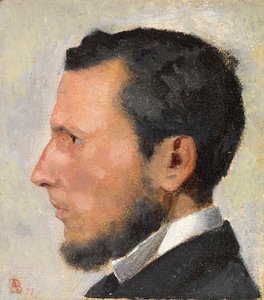
Поль Альбер Бенар
1849 - 1934 , Франция
Основные сведения
- Artistic Movement Or Style: Импрессионизм
- Artists Or Movements Influenced By This Artist: ['Академическая живопись']
- Artists Who Influenced This Artist:
- Александр Кабанель
- Томас Гейнсборо
- Date Of Birth: Париж, Франция (1849)
- Date Of Death: 1934
- Full Name: Поль Альбер Бельнар
- Nationality: Француз
- Notable Artworks:
- Смерть Тимофана
- Мир путем арбитража
- Портрет мадам Жорж Роденбах
- Place Of Birth: Париж