
 Предпросмотр
 Поделиться
 Поделиться
 Детали произведения

 Скачать
 Похожие работы
 Рентгенография
 Слайд-шоу
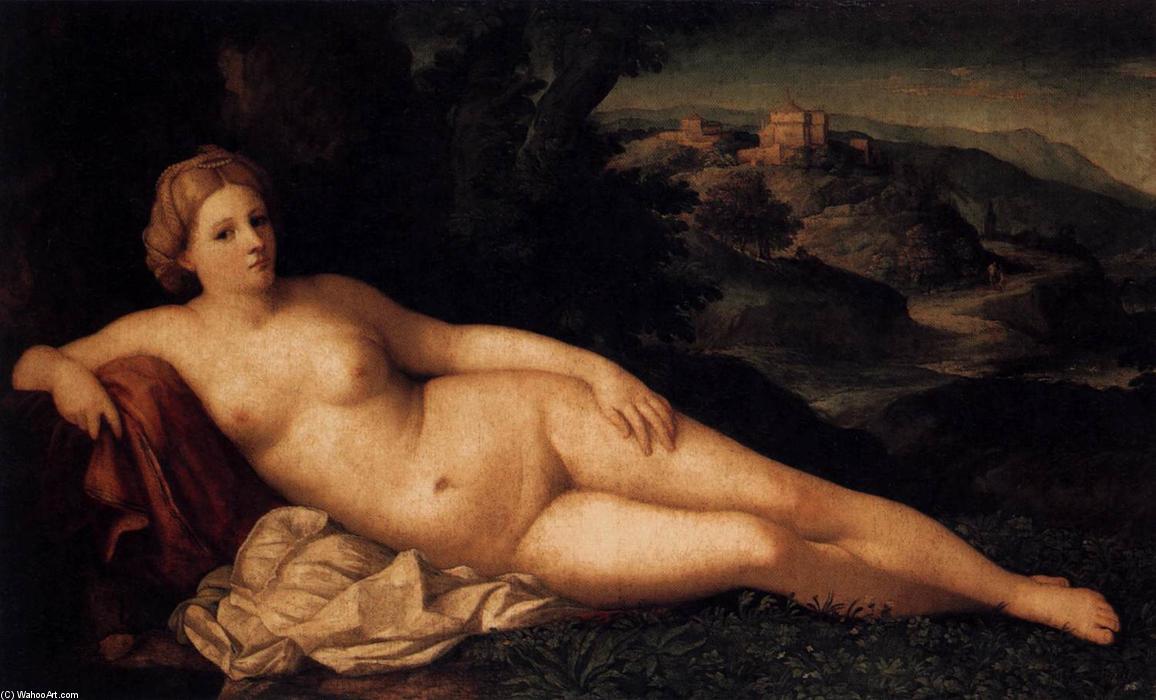
Venus
 Renaissance
 1520
1520 113.0 x 186.0 cm
 Галерея старых мастеров Дрездена
 Читать далее
Приобретите цифровое изображение высокого разрешения в улучшенном качестве, которое значительно превосходит онлайн-превью.
Каждый файл тщательно подготавливается нашими специалистами с использованием передовых инструментов и экспертной ручной ретуши. Мы гарантируем исключительную четкость, точную цветопередачу и детальную проработку каждого изображения.
Финальный файл доставляется по электронной почте в течение 72 часов и оптимизирован для немедленного использования в профессиональной среде, при верстке и печати. Это тот же уровень качества, которому доверяют ведущие дизайнерские студии, издательства и галереи.
Цифровое изображение
Скачайте файл высокого разрешения для личного использования, печати и творческих проектов. ( Купить принт Купить картину ручной работы)
Включено в каждый заказ цифровых изображений
Гарантия экспертной цифровой доставки
Выбирая OriginalUniqueArt.com, вы получаете не просто изображение — вы приобретаете профессионально обработанное цифровое произведение искусства, созданное с безупречной точностью и под защитой гарантии качества. Вот всё, что автоматически входит в ваш заказ:

Мгновенная доставка по e-mail
Ваш цифровой файл в высоком разрешении будет отправлен вам по электронной почте в течение 72 часов после оформления заказа — и сразу станет доступен для использования.

Цифровой файл с ИИ-улучшением
Ваше произведение искусства проходит профессиональную оптимизацию с использованием передовых инструментов ИИ и ручной обработки, что гарантирует максимальную детализацию, четкость и точность цветопередачи.

Бессрочная бесплатная повторная доставка
Случайно удалили или потеряли файл? Не беспокойтесь — мы отправим его вам повторно в любое время и совершенно бесплатно.

Без импортных пошлин — навсегда
Наслаждайтесь вашим произведением искусства мгновенно без таможенных пошлин, сборов или затрат на доставку — цифровые загрузки всегда не облагаются налогом.

Гарантия точности цветопередачи
Мы гарантируем, что ваше цифровое изображение максимально точно передает оригинальные цвета благодаря использованию профессиональных инструментов и систем управления цветом.

Гарантия удовлетворения в течение 60 дней
Если вы останетесь не удовлетворены покупкой цифрового изображения, мы внесем в него правки или вернем 100% стоимости в течение 60 дней — без лишних вопросов.

100% Гарантия возврата средств
Не удовлетворены покупкой? Мы гарантируем полный возврат средств в течение 60 дней после получения вашего цифрового файла — без лишних вопросов.

Скидки на оптовые заказы
Купите 3 изображения, сэкономьте 10% — Купите 5, сэкономьте 15% — Купите 10+, сэкономьте 20%. Отличное решение для творческих проектов, галерей и агентств.
Описание коллекции
A Classical Representation
The painting depicts a nude woman lying on her side, with one arm resting on her head in a pose reminiscent of the Venus de Milo. The figure's body is turned towards the viewer, but her face is turned away, looking over her shoulder. This classical representation of Venus showcases Palma Il Vecchio's ability to blend realism with idealism, creating a sense of timeless beauty. Key Features of the painting include:- The use of a warm color palette dominated by earth tones, which gives the scene a serene and natural quality.
- The attention to detail in the rendering of the figure's skin and the naturalistic depiction of the environment.
- The visible but not overly pronounced brushwork, suggesting a smooth finish typical of the Renaissance period.
Биография художника
A Venetian Master of Sensuality: The Life and Art of Palma Vecchio
Jacopo Negretti, known to history as Palma Vecchio – “Palma the Elder” – emerged from the artistic landscape of early 16th-century Venice as a pivotal figure bridging the High Renaissance and the burgeoning Mannerist styles. Born around 1480 in Serina Alta near Bergamo, his career unfolded entirely within the vibrant Republic of Venice, a city already steeped in artistic innovation. While documented records are sparse regarding his earliest training, it’s believed he may have initially apprenticed under Andrea Previtali before gravitating towards the revolutionary approaches of Giovanni Bellini, and ultimately, the captivating worlds created by Giorgione and Titian. Palma's arrival in Venice coincided with a period of intense artistic competition; alongside Lorenzo Lotto, he quickly established himself as a formidable talent, absorbing the lessons of his predecessors while forging his own distinctive path.Early Influences and the Development of a Unique Style
The initial stages of Palma’s career reveal a clear debt to Giovanni Bellini's refined technique and devotional style. However, it was the groundbreaking work of Giorgione – with its poetic atmosphere and enigmatic narratives – that truly ignited his artistic imagination. He swiftly embraced Giorgione’s use of color, light, and composition, infusing his own paintings with a similar sense of lyrical beauty. Yet, Palma wasn't merely an imitator; he possessed a unique gift for rendering the human form with a sensual grace and a captivating realism that set him apart. As Titian rose to prominence, Palma continued to evolve, demonstrating a remarkable ability to synthesize diverse influences into a harmonious and compelling visual language. This period saw the emergence of two primary themes in his oeuvre: the *sacra conversazione*, or holy conversation scenes, and half-length portraits of idealized women, often speculated to be depictions of Venice’s celebrated courtesans.The Allure of Myth and the Venetian Portrait
Palma Vecchio became renowned for his ability to imbue classical mythology with a distinctly Venetian sensibility. His pastoral scenes are not simply recreations of ancient tales; they are vibrant celebrations of beauty, love, and earthly pleasure, set against lush landscapes teeming with life. These works catered to the tastes of wealthy Venetian patrons who sought art that reflected their sophisticated lifestyles and appreciation for sensual delights. Simultaneously, his portraits – particularly those of women – captivated audiences with their exquisite detail and psychological depth. He developed a signature type: blonde beauties possessing an alluring gaze and a subtle air of mystery. The identity of these sitters remains largely unknown, fueling speculation about their connection to the city’s demimonde. His mastery of color—transparent glazes that created luminous effects—was particularly celebrated, though sadly, many of these delicate layers deteriorated over time. The sheer painterly capacity in his handling of paint and color is often cited as a defining characteristic of his work.Major Achievements and Artistic Legacy
Among Palma’s most significant achievements are the six paintings commissioned for the church of Santa Maria Formosa in Venice, centered around the *St. Barbara Altarpiece*. This monumental composition showcases his skill in depicting complex narratives and harmonious groupings of figures. His later works demonstrate a mastery of *contrapposto* – the elegant balance of opposing forces in a figure’s pose – and a refined palette that exudes dignity and grace. While he initially embraced influences from Central Italy, including Michelangelo, Palma ultimately forged a style uniquely his own. He was commissioned to paint a main altar at Sant'Elena in Venice in 1525, marking a significant milestone in his career. However, his sudden death in 1528 at the age of approximately 47 left numerous works unfinished, completed by his workshop and pupils. Despite this premature end, Palma Vecchio’s influence on Venetian painting was profound. He served as an important link between the High Renaissance masters like Titian and Giorgione and the emerging Mannerist generation, inspiring artists such as Bonifazio Pitati and Giovanni Busi.Historical Significance and Rediscovery
For centuries, Palma Vecchio's work remained somewhat overshadowed by his more celebrated contemporaries. However, in recent decades, there has been a growing appreciation for his unique contributions to Venetian art. Scholars have reassessed attributions previously assigned to Giorgione and Titian, recognizing the distinctive qualities of Palma’s style. His paintings are now celebrated for their sensual beauty, technical brilliance, and ability to capture the spirit of Renaissance Venice. He represents a fascinating intersection of artistic influences, bridging the gap between generations and offering a compelling glimpse into the cultural values and aesthetic sensibilities of his time. Palma Vecchio stands as a testament to the enduring power of Venetian painting—a master whose work continues to captivate and inspire audiences today.
palma il vecchio
1480 - 1528
Основные сведения
- Artistic Movement Or Style: High Renaissance
- Artists Or Movements Influenced By This Artist:
- Palma il Giovane
- Venetian School
- Artists Who Influenced This Artist:
- Giovanni Bellini
- Giorgione
- Titian
- Date Of Birth: c. 1480
- Date Of Death: July 30, 1528
- Full Name: Jacopo Negretti
- Nationality: Italian
- Notable Artworks:
- St. Barbara Altarpiece
- Three Sisters
- Place Of Birth: Serina, Italy

