
 Предпросмотр
 Поделиться
 Поделиться
 Детали произведения

 Скачать
 Похожие работы
 Рентгенография
 Слайд-шоу
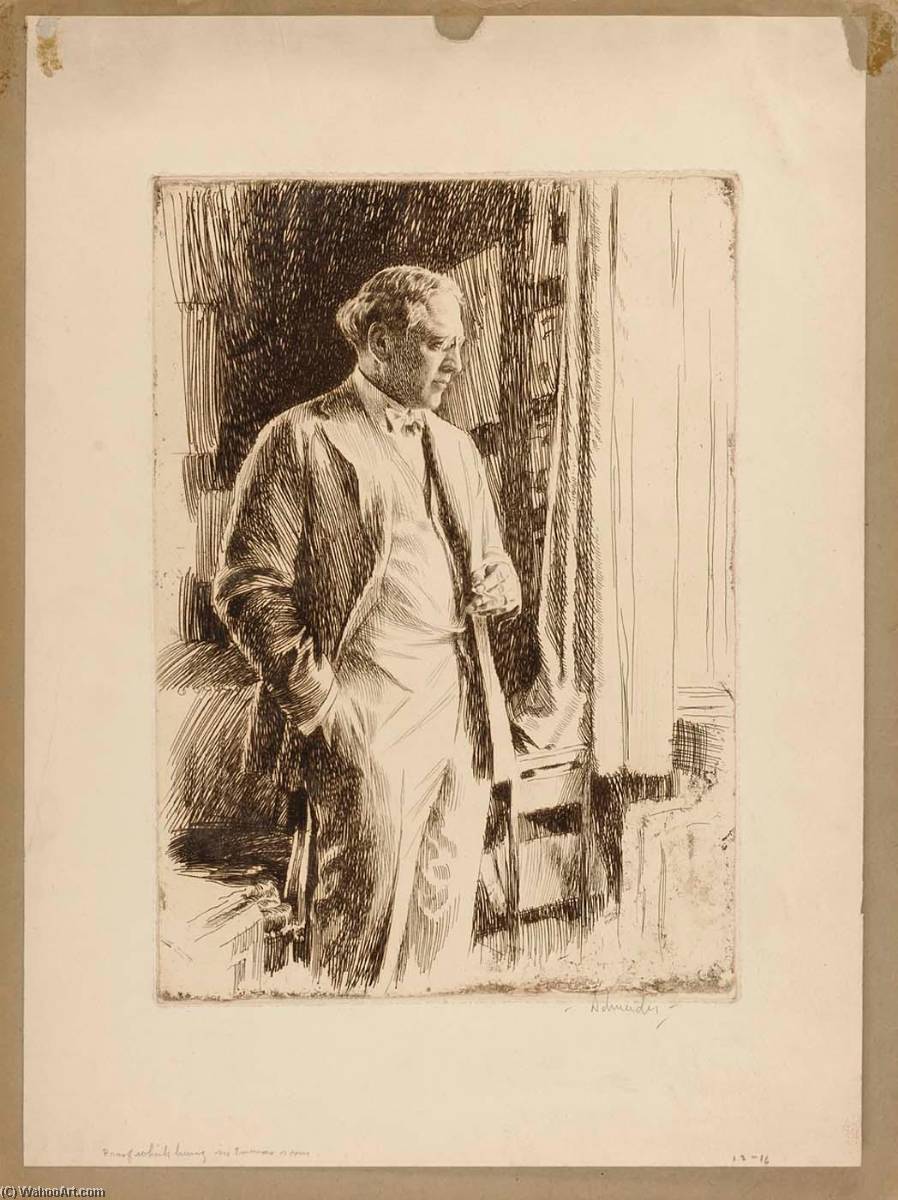
Jacob M. Loeb

 Читать далее
Жикле / Арт-принт
Печать (жикле) или холст музейного качества с быстрыми сроками изготовления и широким выбором вариантов отделки. ( Купить картину ручной работы Купить изображение)




































Выберите один из наших стандартных размеров, соответствующих оригинальным пропорциям произведения искусства.

Вы можете указать свои собственные размеры, чтобы репродукция идеально подошла под конкретную раму или пространство. Если выбранный вами размер не будет соответствовать пропорциям оригинала, мы либо обрежем произведение, либо дополним изображение зеркальным отражением краев или однотонной заливкой. Перед началом производства вам будет отправлен цифровой макет для утверждения.
Пожалуйста, обратите внимание, что предварительный просмотр на экране не отображает фактическую обрезку или расширение изображения. Только макет точно покажет финальную композицию.
Несмотря на возможность заказа индивидуальных размеров, мы рекомендуем выбирать размер из предопределенного списка, чтобы сохранить оригинальные пропорции.
Доставка по всему миру () за 2 недели вместо стандартных 4/5 недель. (21 Август)

Бесплатная экспресс-доставка по всему миру

Высококачественный льняной холст

Полное страхование доставки

Гарантия возмещения таможенных пошлин

Гарантия точного соответствия цветов

Политика возврата в течение 60 дней (только при наличии дефектов)

Гарантия возврата 100% средств

Предложение оптовых скидок
 Вариант со стеклом доступен только для размеров менее 110 см

Jacob M. Loeb
Жикле / Арт-принт
Размер репродукции
-


Итоговая стоимость
$ 80
Биография художника
Otto J. Schneider (1875–1946): Bridging Realism and Impressionistic Vision
Otto J. Schneider (1875-1946) was a Hungarian painter who emerged as a prominent figure in the burgeoning landscape movement of the early 20th century, skillfully blending realism with elements of Impressionism to capture the essence of the American West and Hungarian countryside alike. Born in Budapest, Schneider’s artistic journey began amidst the Austro-Hungarian Empire's cultural dynamism, fostering an appreciation for both classical traditions and innovative stylistic explorations.- Early Influences: Schneider’s formative years were marked by exposure to European art trends—particularly Impressionism—which profoundly shaped his aesthetic sensibilities. Artists like Claude Monet and Camille Pissarro served as crucial inspirations, encouraging him to prioritize capturing fleeting moments of light and color in his canvases.
- American Landscape Painting: Recognizing the allure of the American frontier, Schneider embarked on expeditions to Wyoming and Montana during the 1920s and 30s. These travels fueled his dedication to portraying expansive vistas with meticulous detail—often utilizing techniques reminiscent of Impressionistic brushwork—resulting in iconic depictions of mountains, prairies, and sunsets.
Schneider’s Artistic Style: A Synthesis of Observation and Emotion
Schneider's distinctive style distinguished itself through a careful balance between objective observation and subjective emotional expression. He meticulously studied geological formations and atmospheric conditions to accurately represent the landscapes he encountered, yet simultaneously infused his paintings with palpable feelings—a testament to his ability to convey both visual precision and psychological depth. His masterful use of color palettes—often favoring muted hues—created an atmosphere that mirrored the grandeur and serenity of the natural world.- Technique: Schneider favored a technique characterized by loose brushstrokes layered upon one another, allowing for subtle gradations of tone and hue. This approach effectively simulated the effects of sunlight filtering through clouds or reflecting off water surfaces—a hallmark of Impressionistic painting.
- Composition: Schneider’s compositions prioritized capturing panoramic views, emphasizing horizontal lines to convey a sense of openness and expanse. He skillfully positioned figures within these landscapes—often small in scale—to heighten their vulnerability against the immensity of nature.
Notable Works and Recognition
Schneider’s artistic legacy rests upon several celebrated paintings, including “Viseu, Portugal” (1947), a stunning portrayal of Portugal's Ribeira region—a testament to his ability to capture the beauty of European landscapes. Furthermore, he produced evocative portraits of Jacob M. Loeb – demonstrating remarkable attention to detail and capturing the subject’s gaze with dramatic lighting techniques. His dedication to documenting Native American culture through James Otto Lewis’s work cemented his place as a pioneer in portraying regional identity.- "Viseu, Portugal": This masterpiece exemplifies Schneider's Impressionistic style—characterized by vibrant color and textured brushwork—effectively conveying the atmosphere of Ribeira.
- "Jacob M. Loeb": Schneider’s portrait showcases masterful lighting and hatching techniques—reflecting his commitment to realism while simultaneously capturing the subject’s psychological presence.
Legacy and Influence
Otto J. Schneider's contribution to Hungarian art history remains significant, inspiring subsequent generations of painters who embraced Impressionistic principles. His unwavering pursuit of artistic excellence—coupled with his profound connection to the landscapes he depicted—solidified his reputation as a visionary artist whose work continues to resonate with audiences today.
otto j schneider
1875 - 1946
Основные сведения
- Artistic Movement Or Style: Neue Sachlichkeit
- Artists Or Movements Influenced By This Artist: ['German Expressionism']
- Artists Who Influenced This Artist:
- James Otto Lewis
- Otto Dix
- Date Of Birth: 1875
- Date Of Death: 1946
- Full Name: Otto J. Schneider
- Nationality: Austrian
- Notable Artworks:
- Viseu, Portugal
- Jacob M. Loeb
- Place Of Birth: Vienna, Austria
Похожие статьи
The Nuances of Graphite: Exploring Emotional Depth & Technical Mastery in Pencil Drawing
Explore the captivating world of graphite drawing! Discover its rich history, master essential techniques like chiaroscuro, and learn how artists evoke emotion through this timeless medium. Expert insights for art enthusiasts.

Mastering the Line: A Comprehensive Expert Guide to Technical Precision and Expressive Depth in Drawing
Elevate your artistic practice with this expert guide to mastering the line. Discover advanced techniques in graphite, charcoal, and contour drawing designed for art students seeking technical precision and expressive depth in their fine art studies.

The Art of the Line: A Masterclass in Drawing Techniques and the Evolution of Graphic Expression
Explore the profound history of drawing techniques, from Dürer's precision to the alchemy of graphite. Discover how masters use line, weight, and contour to capture the human spirit in this expert guide to art history and technical mastery.
The Power of Graphite: Mastering Depth, Texture, and Detail in the Art of Pencil Drawing
Explore the profound artistry of graphite drawing. Discover professional techniques for mastering depth, texture, and detail through a lens of art history, from classical sketches to modern masterpieces. Elevate your understanding of the pencil medium with our expert guide.

The Enduring Power of Line: Exploring Themes & Techniques in Drawing Across Art History
Explore the rich history of drawing! Discover key techniques like linear perspective & iconic artists from the Renaissance to modern times. Enhance your art appreciation with OriginalUniqueArt.

