
 Предпросмотр
 Поделиться
 Поделиться
 Детали произведения

 Скачать
 Похожие работы
 Рентгенография
 Слайд-шоу
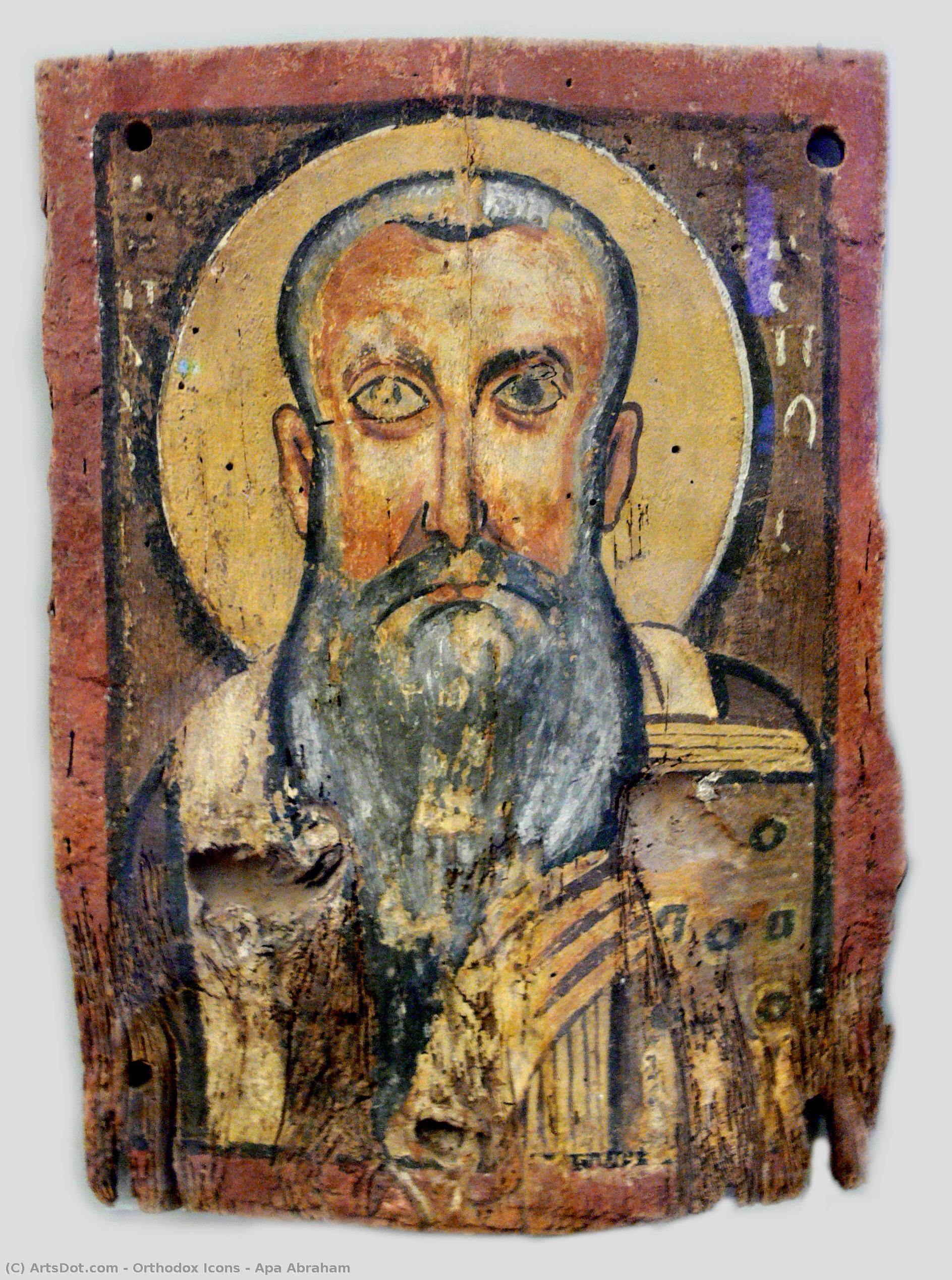
Apa Abraham


 Читать далее
Приобретите цифровое изображение высокого разрешения в улучшенном качестве, которое значительно превосходит онлайн-превью.
Каждый файл тщательно подготавливается нашими специалистами с использованием передовых инструментов и экспертной ручной ретуши. Мы гарантируем исключительную четкость, точную цветопередачу и детальную проработку каждого изображения.
Финальный файл доставляется по электронной почте в течение 72 часов и оптимизирован для немедленного использования в профессиональной среде, при верстке и печати. Это тот же уровень качества, которому доверяют ведущие дизайнерские студии, издательства и галереи.
Цифровое изображение
Скачайте файл высокого разрешения для личного использования, печати и творческих проектов. ( Купить принт Купить картину ручной работы)
Включено в каждый заказ цифровых изображений
Гарантия экспертной цифровой доставки
Выбирая OriginalUniqueArt.com, вы получаете не просто изображение — вы приобретаете профессионально обработанное цифровое произведение искусства, созданное с безупречной точностью и под защитой гарантии качества. Вот всё, что автоматически входит в ваш заказ:

Мгновенная доставка по e-mail
Ваш цифровой файл в высоком разрешении будет отправлен вам по электронной почте в течение 72 часов после оформления заказа — и сразу станет доступен для использования.

Цифровой файл с ИИ-улучшением
Ваше произведение искусства проходит профессиональную оптимизацию с использованием передовых инструментов ИИ и ручной обработки, что гарантирует максимальную детализацию, четкость и точность цветопередачи.

Бессрочная бесплатная повторная доставка
Случайно удалили или потеряли файл? Не беспокойтесь — мы отправим его вам повторно в любое время и совершенно бесплатно.

Без импортных пошлин — навсегда
Наслаждайтесь вашим произведением искусства мгновенно без таможенных пошлин, сборов или затрат на доставку — цифровые загрузки всегда не облагаются налогом.

Гарантия точности цветопередачи
Мы гарантируем, что ваше цифровое изображение максимально точно передает оригинальные цвета благодаря использованию профессиональных инструментов и систем управления цветом.

Гарантия удовлетворения в течение 60 дней
Если вы останетесь не удовлетворены покупкой цифрового изображения, мы внесем в него правки или вернем 100% стоимости в течение 60 дней — без лишних вопросов.

100% Гарантия возврата средств
Не удовлетворены покупкой? Мы гарантируем полный возврат средств в течение 60 дней после получения вашего цифрового файла — без лишних вопросов.

Скидки на оптовые заказы
Купите 3 изображения, сэкономьте 10% — Купите 5, сэкономьте 15% — Купите 10+, сэкономьте 20%. Отличное решение для творческих проектов, галерей и агентств.
Описание коллекции
The Divine Presence in Byzantine Tradition
In the quiet contemplation of an Orthodox icon, one does not merely observe a painting; one encounters a window into the eternal. Apa Abraham stands as a profound testament to this sacred tradition, embodying the spiritual essence of Byzantine iconography. This piece, rendered with the solemnity characteristic of Eastern Christian art, presents the figure of Saint Abraham not as a mere historical subject, but as a living presence. The composition is centered and frontal, inviting the viewer into a direct, unmediated dialogue with the saint. Through its weathered appearance and aged texture, the icon evokes a sense of timelessness, suggesting a relic that has survived the passage of centuries to bring its message of faith into the modern era.
The aesthetic language of the work is deeply rooted in the symbolic rather than the naturalistic. Eschewing the dramatic shadows and anatomical realism found in Western Renaissance art, Apa Abraham utilizes a flattened perspective and geometric forms to prioritize spiritual truth over physical accuracy. The color palette is a masterclass in earthy restraint, dominated by rich ochres, deep browns, and muted reds. These tones ground the figure in a sense of ancient stability, while the subtle use of gold leaf for the halo provides a luminous, celestial contrast. This interplay between the humble, terrestrial pigments and the radiant, divine light creates a visual tension that is central to the iconographic experience.
Symbolism and Sacred Craftsmanship
Every element within this icon serves as a vessel for theological meaning. The figure of Saint Abraham is depicted with a dignified beard and a steady gaze, embodying the wisdom of a patriarch. In his hands, he holds an open book—a powerful symbol of divine revelation, scholarship, and the sacred teachings that guide the faithful. The halo encircling his head acts as a visual manifestation of the uncreated light, signifying his sanctified status and his proximity to the divine. Even the rough, uneven textures of the wood panel and the layered application of tempera or encaustic paint contribute to the piece's narrative, suggesting the organic, enduring nature of faith itself.
For the discerning collector or interior designer, a reproduction of Apa Abraham offers more than mere decoration; it provides an anchor of tranquility and historical depth. The icon’s ability to command a space through its quiet intensity makes it a magnificent centerpiece for a curated collection or a sophisticated sanctuary within a home. It serves as a bridge between the ancient traditions of the Byzantine Empire and contemporary aesthetic sensibilities, offering a touch of profound, meditative beauty that transcends the fleeting trends of modern design.
Биография художника
Orthodox Icons
Orthodox icons represent a profound tradition of religious art rooted in Byzantine Christianity and extending across Eastern Europe and beyond. Unlike Western Christian iconography, which often prioritizes realism and narrative detail, Orthodox icon painting strives for spiritual contemplation and evokes divine grace through stylized representations. The aim is not merely to depict events or figures accurately but to convey their essence—to illuminate the sacred mysteries of faith. ### Origins and Early Development The roots of Orthodox icon painting can be traced back to the early Christian centuries, influenced by Jewish traditions concerning depictions of God’s glory and illuminated manuscripts from Alexandria and Jerusalem. The Byzantine Empire adopted Christianity as its state religion in 395 AD, establishing Constantinople (modern Istanbul) as its capital and fostering a vibrant artistic culture. Initially mirroring Byzantine imperial art—characterized by monumental mosaics and frescoes—icon painting quickly developed its own distinctive aesthetic. Artists adhered to strict canons of proportion and perspective, reflecting theological principles about the divine order. The Byzantine iconographers believed that God’s glory could only be expressed through symbols and stylized forms that transcended earthly limitations. ### Key Figures and Artistic Styles Several artists stand out as pivotal figures in shaping Orthodox iconography. Andrei Rublev (c. 1360 – early 15th century), considered Russia's greatest icon painter, exemplified the spiritual depth and artistic mastery of his time. His masterpiece, “The Trinity,” depicts God the Father, God the Son, and God the Holy Spirit as three interconnected circles radiating outward—a visual representation of divine unity and transcendence. Other notable icon painters included Dionysios Psellos (c. 1057 – 1109), who produced elaborate frescoes in monasteries across Greece, and Andrei Bogolyubov (c. 1113 – 1164), whose icons are renowned for their expressive faces and emotive gestures. Throughout the centuries, Orthodox icon painting evolved into diverse regional styles—Moscow School, Novgorod School, Serbian Iconography—each reflecting local cultural traditions and artistic sensibilities. The Moscow School emphasized clarity of form and monumental scale, while Novgorod iconography favored intricate detail and psychological realism. Serbian icon painters developed a distinctive style characterized by vibrant colors and expressive drapery, conveying spiritual fervor and devotion. ### Symbolism and Theological Significance Orthodox icons are laden with symbolism—each color, gesture, and compositional element carries theological meaning. Gold represents divine glory and immortality, while blue symbolizes heaven and the Virgin Mary’s purity. The haloes surrounding saints signify their holiness and communion with God. Iconographers meticulously crafted images to convey spiritual truths—the incarnation of Christ, the ascension of Saints Peter and Paul, the Dormition (falling asleep) of Mary—inspiring piety and fostering contemplation among worshippers. ### Legacy and Influence Orthodox icon painting continues to thrive today, serving as a cornerstone of Orthodox Christian spirituality and artistic heritage. Its influence extends beyond religious practice, inspiring artists across cultures and disciplines—from Renaissance painters like Raphael to contemporary sculptors and filmmakers—who seek to capture the essence of faith and transcendence. The enduring appeal of Orthodox icons testifies to their ability to communicate profound spiritual truths in timeless visual language—a testament to the power of art to illuminate the divine mysteries of existence.
orthodox icons
World
Основные сведения
- Artistic Movement Or Style: Orthodox Iconography
- Artists Or Movements Influenced By This Artist: ['Western European Art']
- Artists Who Influenced This Artist: ['Rublev Andrei']
- Full Name: Vladimir Manzhos
- Nationality: Russian
- Notable Artworks: ['The Virgin Mary with Saint George']
- Place Of Birth: Russia

