
 Предпросмотр
 Поделиться
 Поделиться
 Детали произведения
 Руководство

 Скачать
 Похожие предметы
 Рентгенография
 Слайд-шоу
 Вопросы и ответы
 Статистика просмотров
Peasant and his son

- 75.0 x 56.0 cm


 Читать далее
Жикле и арт-принты
Печать (жикле) или холст музейного качества с быстрыми сроками изготовления и широким выбором вариантов отделки. ( Купить картину ручной работы Перейти к цифровым изображениям)




P118B $10

P118H $10

P118W $10

P438Z $10

P508JH $12

P508YH $12

P805H $10

P805Z $10

P919BZ $10

P919G $10

P919XJ $10

P959ZH $10

P968JZ $12

W106C $8

W218G $10

W218JH $8

W218Y $10

W307PJ $10

W316G $10

W316PJ $8

W316Y $10

W398PJ $8

W4111J $10

W500HY $15

W500JH $15

W692G $12

W849H $8

W940BG $15

W953PJ $8




Выберите один из наших стандартных размеров, соответствующих оригинальным пропорциям произведения искусства.

Введите необходимую ширину и высоту, чтобы репродукция подошла к вашей раме или стене. При печати изображение можно только уменьшить, но нельзя увеличить больше оригинала, поэтому при выборе другого формата часть изображения может быть обрезана. Перед печатью мы отправим вам цифровой макет на утверждение. Изображение на этой странице не отображает реальную обрезку — ее можно увидеть только на макете.
Доставка по всему миру () за 2 недели вместо стандартных 4–5 недель. (4 Ноябрь)

Бесплатная экспресс-доставка по всему миру

Высококачественный льняной холст

Полное страхование при доставке

Гарантия возмещения таможенных пошлин

Гарантия точного цветового соответствия

100-дневная гарантия возврата (только при обнаружении дефектов)

Гарантия возврата 100% средств

Скидка при оптовом заказе
 Вариант со стеклом доступен только для размеров менее 110 см

Peasant and his son
Жикле и арт-принты
Размер репродукции
-


Итоговая стоимость
$ 81
A Glimpse into Georgian Rural Life: Niko Pirosmani's "Peasant and his Son"
Niko Pirosmani’s “Peasant and his son,” painted in 1908, offers a poignant window into the soul of rural Georgia at the turn of the twentieth century. This vertical oil painting isn't merely a depiction of two figures; it is an embodiment of generational connection, quiet dignity, and the timeless rhythms of agricultural life. The scene unfolds outdoors, suggested by the tall stalks that rise in the background—resembling reeds or corn—creating a backdrop evocative of the Georgian countryside. An elderly man dominates the left side of the composition, his presence weighty and grounded, while his young son stands to the right, presenting something unseen to his father. This simple act forms the heart of the painting’s narrative, hinting at respect, inheritance, or perhaps the passing down of knowledge—a symbolic exchange that resonates across time and cultures. The overall impression is one of profound stillness, a moment captured in amber, inviting contemplation on themes of family, tradition, and the enduring strength of human bonds.The Language of Primitivism: Style and Technique
Pirosmani’s artistic style defies easy categorization, often described as primitivist or naive. He wasn't formally trained; his skill blossomed from a deep observation of the world around him and an innate ability to translate that vision onto canvas. This lack of formal training is evident in the painting’s deliberate simplicity—a flattened perspective characteristic of folk art traditions, where illusionistic space takes a backseat to emotional impact. The artist employs visible brushstrokes, layering oil paints to create texture, particularly noticeable in the man's beard and robes, lending them a tactile quality that draws the viewer closer. Lines are used purposefully to define forms – both figures and surrounding vegetation—creating a sense of solidity and depth despite the overall flatness. The palette is predominantly dark: browns, blacks, and muted reds dominate, contributing to a somber yet contemplative mood. This restrained use of color amplifies the painting’s emotional weight, focusing attention on the subjects' faces and their interaction. Pirosmani often worked on oilcloth rather than traditional canvas, a testament to his resourcefulness and perhaps adding another layer of rustic authenticity to his work.A Georgian Visionary: Context and Legacy
To fully appreciate “Peasant and his son,” it’s essential to understand the context in which it was created. Niko Pirosmani lived a life largely outside the mainstream art world, working various odd jobs while pursuing his passion for painting. He was a self-taught artist who captured the essence of Georgian culture with remarkable honesty and sensitivity. His work gained recognition later in his life thanks to the support of Russian poets and artists like Mikhail Le-Dantyu and Kirill Zdanevich, who championed his unique vision. Pirosmani’s style resonated with the burgeoning primitivist movement, which celebrated art created outside established academic traditions. He became a pivotal figure in 20th-century Georgian art, influencing generations of artists with his distinctive approach to subject matter and technique. His paintings offer invaluable insights into the social fabric and daily life of Georgia during a period of significant change and transition.Emotional Resonance: A Timeless Portrait
Beyond its historical significance and artistic merit, “Peasant and his son” possesses an undeniable emotional power. The painting evokes a sense of quiet dignity and timelessness—a feeling that transcends the specific time and place depicted. The connection between father and son is palpable, conveyed through their posture and gaze. There's a profound tenderness in the boy’s offering, and a gentle acceptance in the man’s response. This isn’t a grand narrative of triumph or tragedy; it’s a simple moment of human interaction elevated to something extraordinary by Pirosmani’s masterful touch. The painting invites viewers to reflect on their own relationships with family, tradition, and the enduring values that shape our lives—making it a work of art that continues to resonate deeply with audiences today.Вопросы и ответы
Какие цвета преобладают в работе «Peasant and his son», Нико Пиросмани?
Колористика произведения «Peasant and his son», Нико Пиросмани: палитра в стиле Earthy, где преобладает Black (#150d12).
Какой размер репродукции рекомендуется для «Peasant and his son», Нико Пиросмани?
Рекомендуемый размер печати для «Peasant and his son», Нико Пиросмани — Medium.
Насколько насыщенны цвета в работе «Peasant and his son», Нико Пиросмани?
Насыщенность работы «Peasant and his son», Нико Пиросмани составляет Muted.
Биография художника
Нiko Pirosmani (1862 - 1918)
Николай Асланович Пиросманьвилли, известный как Никола Пиросманьи, был выдающимся грузинским художником, чье творчество обрело признание только после смерти. Несмотря на бедность большую часть жизни, он работал различными обычными профессиями и приобрел уникальный художественный стиль, который сегодня ценится как один из самых ярких представителей грузинского искусства начала XX века. Его работы отличаются необычной эмоциональной насыщенностью и глубоким пониманием человеческой природы.Жизнь и Биография
Пиросманьвилли родился в грузинской деревне Мирзаани, Кахетинской провинции, в 1862 году в семье крестьянина Аслана Пиросманьвили и Текле Токликишивили. Его родители были бедны и занимались земледелием небольшим виноградником. Уже в раннем возрасте он потерял родителей и был оставлен на попечение двух старших сестер. После окончания школы Пиросманьвилли переехал в Тбилиси, где работал слугой у богатых семей и изучал русский и грузинский языки. В 1876 году он вернулся в Мирзаани и работал пастухом. Его жизнь была полна трудностей и лишений, но он сохранял оптимизм и веру в будущее. Пиросманьвилли был известен своим скромным образом жизни и трудолюбием. Он работал различными профессиями, включая животноеводство и торговля сельскохозяйственной продукцией.Художественный Стиль и Техника
Пиросманьвилли был самообразованным художником и разработал уникальный художественный стиль, который характеризуется наивностью и примитивизмом. Он работал преимущественно на ткань (олифоне), используя простые инструменты и техники живописи. Его картины отличаются необычной композицией и использованием ярких цветов, что создает ощущение глубины и эмоциональной выразительности. Пиросманьвилли был вдохновлен народной культурой Грузии и изображал сцены из повседневной жизни крестьян и простых людей. Он часто использовал символические элементы в своих работах, которые отражают религиозные убеждения и традиции грузинского народа. Особенно выделяется его использование техники оливоны и фронтального размещения фигур на полотне, что придает картинам особую выразительность и динамичность.Основные Произведения и Выставки
Пиросманьвилли создал более 350 работ, которые сегодня хранятся в музеях Грузии и России. Среди наиболее известных его картин можно выделить: «Мusha с бутылкой вина», где изображен грузинский крестьянин и его семья; «Грузинская свадьба», которая является одним из самых ярких изображений традиционной грузинской культуры; «Портрет Зданевича», который был приобретен поэтом Кириллом Зданевичем и его братом Ильясом Зданевичем и стал одним из самых значимых произведений искусства начала XX века. Его работы были представлены на международных выставках и получили высокую оценку критиков и искусствоведов. Эти картины являются бесценным свидетельством жизни и культуры Грузии в начале XX века и продолжают вдохновлять художников и ученых по всему миру.Наследие и Постхудожественная Оценка
После смерти Пиросманьвилли его творчество было забыто на долгие годы, но сегодня он является одним из самых любимых художников Грузии и занимает особое место в истории грузинского искусства. Его работы были переведены на несколько языков и опубликованы в научных журналах и книгах по искусству. Пиросманьвилли оказал влияние на многих молодых художников и вдохновился его творчество новым поколением художников, которые продолжают использовать его стиль и техники в своих работах. Он является символом грузинской культуры и традиций и продолжает жить в памяти людей как один из самых талантливых и оригинальных художников своего времени.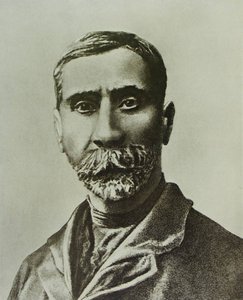
Нико Пиросмани
1862 - 1918 , Грузия
Об авторе
- Artistic Movement Or Style: Примитивизм
- Artists Who Influenced This Artist: ['Владимир Ладо Гудиашвили']
- Date Of Birth: 5 мая 1862 г.
- Date Of Death: 9 апреля 1918 г.
- Full Name: Николай Асланович Пиросмановский
- Nationality: Грузинский
- Notable Artworks:
- Муша с бутылкой вина
- Грузинская свадьба
- Портрет Зданевича
- Place Of Birth: Мирзаани, Кахетия
Похожие статьи
Niko Pirosmani: A Georgian Visionary – Life, Legacy, and the Poetics of Outsider Art
Discover the captivating life & art of Niko Pirosmani, Georgia’s celebrated primitivist painter. Explore his unique oilcloth paintings, lasting influence, and enduring legacy with OriginalUniqueArt.
Cultivating Visions: Rural Life & Social Commentary in Art History
Explore the rich history of rural life in art! Discover masterpieces from Dutch Masters to Van Gogh & Courbet. Uncover artistic movements, social significance & expert collecting insights at OriginalUniqueArt.
Cultivating Visions: A Historical Exploration of Rural Life in Painting
Explore the rich history of rural life in painting! Discover masterpieces from Dutch Masters to Courbet & Watteau. Uncover the artistic and social significance of idyllic landscapes and peasant scenes.

Echoes of Rural Life: Nostalgia, Labor & Identity in Art History
Explore the rich history of rural life in art! Discover how Realism captured labor & identity through masterpieces by Van Gogh, Millet & more. Expert analysis for collectors and enthusiasts.

Echoes of Rural Life: Art's Enduring Representations of the Countryside
Explore the rich history of rural life in art! Discover masterpieces from Millet to Mauve & beyond. Learn about Realism, Barbizon School & find inspiration for your home with OriginalUniqueArt.
