

 Примерить в интерьере
 Отправить
 Поделиться
 Подробнее
 Руководство

 Скачать
 Похожие объекты
 Рентгенография
 Слайд-шоу
 Статистика
Landscape


 Развернуть текст
Жикле / Арт-принты
Печать (жикле) или холст музейного качества с быстрыми сроками изготовления и широким выбором вариантов отделки. ( Заказать репродукцию ручной работы Перейти к цифровым изображениям)




P118B $10

P118H $10

P118W $10

P438Z $10

P508JH $12

P508YH $12

P805H $10

P805Z $10

P919BZ $10

P919G $10

P919XJ $10

P959ZH $10

P968JZ $12

W106C $8

W218G $10

W218JH $8

W218Y $10

W307PJ $10

W316G $10

W316PJ $8

W316Y $10

W398PJ $8

W4111J $10

W500HY $15

W500JH $15

W692G $12

W849H $8

W940BG $15

W953PJ $8




Выберите один из наших стандартных размеров, соответствующих оригинальным пропорциям произведения искусства.

Введите необходимую ширину и высоту, чтобы репродукция подошла к вашей раме или стене. При печати изображение можно только уменьшить, но нельзя увеличить больше оригинала, поэтому при выборе другого формата часть изображения может быть обрезана. Перед печатью мы отправим вам цифровой макет на утверждение. Изображение на этой странице не отображает реальную обрезку — ее можно увидеть только на макете.
Доставка по всему миру () за 2 недели вместо стандартных 4–5 недель. (21 Октябрь)

Бесплатная экспресс-доставка по всему миру

Высококачественный льняной холст

Полное страхование при транспортировке

Гарантия возврата таможенных пошлин

Гарантия точного цветового соответствия

100-дневный период возврата (только при обнаружении дефектов)

Гарантия возврата 100% средств

Скидка при заказе нескольких работ
 Вариант со стеклом доступен только для размеров менее 110 см

Landscape
Жикле / Арт-принты
Размер репродукции
-


Итоговая стоимость
$ 80
Nicolas de Largillière’s “Landscape”: A Symphony of Light and Tranquility
The world of 17th-century French portraiture is often associated with opulent formality, yet within this tradition flourished a remarkable vein of serene landscapes – paintings that offered a respite from the constraints of courtly life. Nicolas de Largillière’s “Landscape,” painted around 1680, stands as a prime example of this quieter, more contemplative style, capturing not just a visual scene but also an atmosphere of profound peace and timeless beauty. It's a work that invites the viewer to step into its verdant depths and lose themselves in the gentle rhythms of nature.
Largillière’s approach diverges significantly from the dramatic, theatrical landscapes favored by some contemporaries. Instead, he presents a scene imbued with an understated elegance, prioritizing subtle details and a masterful manipulation of light. The composition is carefully balanced, drawing the eye through a winding path that leads into the heart of a densely wooded area. The foreground, dominated by a modest track, establishes a sense of intimacy, while the middle ground reveals a tapestry of trees – oaks, birches, and pines – rendered with meticulous attention to texture and form. The background fades gently into a hazy distance, suggesting an expansive horizon without overwhelming the viewer.
A Masterclass in Light and Shadow
What truly elevates “Landscape” is Largillière’s extraordinary command of light. He doesn't employ harsh contrasts or dramatic highlights; rather, he utilizes a diffused, almost ethereal illumination that permeates the entire scene. Sunlight filters through the canopy, casting dappled patterns on the forest floor and creating an interplay of light and shadow that breathes life into every leaf and branch. This delicate handling of chiaroscuro – the contrast between light and dark – is not merely decorative; it’s fundamental to the painting's emotional impact, lending a sense of depth, volume, and realism to the landscape.
The artist’s technique is remarkably refined. Largillière employs a loose, expressive brushstroke, particularly in depicting the foliage, which appears almost luminous. He builds up layers of color with subtle gradations, creating a rich tapestry of greens, browns, and yellows that evoke the changing seasons. The trees themselves are not sharply defined but rather suggested through carefully placed dabs of paint, conveying their form and texture without resorting to overly detailed rendering. This approach aligns perfectly with the prevailing Baroque aesthetic, prioritizing atmosphere and feeling over strict realism.
Symbolism and a Moment of Reflection
While Largillière’s landscapes are often characterized by their serene beauty, they also carry subtle symbolic weight. The winding path invites contemplation and suggests a journey – perhaps not just through the physical landscape but also through life itself. The dense forest can be interpreted as representing the complexities of nature, while the open spaces symbolize freedom and possibility. The painting’s overall mood is one of quiet reflection, encouraging the viewer to pause and appreciate the simple pleasures of the natural world.
Considering Largillière's background in portraiture, it’s intriguing to note how he translated his skills of capturing likeness and personality into this genre. The landscape isn’t merely a backdrop; it feels inhabited, imbued with a sense of stillness and tranquility that mirrors the contemplative nature of portraiture. The painting subtly evokes a feeling of escape – a momentary retreat from the pressures of daily life.
A Timeless Appeal
“Landscape” by Nicolas de Largillière is more than just a beautiful depiction of a forest scene; it’s a testament to the artist's skill, sensitivity, and profound understanding of light and atmosphere. Its enduring appeal lies in its ability to transport the viewer to a place of peace and tranquility, reminding us of the restorative power of nature. Reproductions of this remarkable work offer a chance to bring this serene vision into any space, fostering a sense of calm and contemplation – a valuable addition to any collection or interior design.
Вопросы и ответы
Какой основной оттенок преобладает в «Landscape», Николя де Лагрильер?
Сквозь «Landscape», Николя де Лагрильер проходит Amber to Saffron-й оттенок.
Какое место занимает «Landscape» в творческом наследии Николя де Лагрильер?
«Landscape» разделяет с другими работами Николя де Лагрильер характерный стиль Baroque Portraiture и повторяющиеся темы: flemish landscape tradition, french courtly portraiture, baroque light and shadow, genre scenes, everyday life, refined elegance, social status.
Как сюжет произведения «Landscape» соотносится с привычными темами Николя де Лагрильер?
Повторяющиеся темы в творчестве Николя де Лагрильер включают flemish landscape tradition, french courtly portraiture, baroque light and shadow, genre scenes, everyday life, refined elegance, social status; работа "Landscape" сосредоточена на landscape, forest, path, trees, sky, tranquility, composition.
Биография художника
Парижская жизнь в портрете
Николя де Ларгильер — имя, неразрывно связанное с элегантностью и утонченностью французского барочного портрета, — родился в 1656 году в бурлящем торговом мире Парижа. Его отец, шляпник, перевез семью в Антверпен, когда Николя было всего три года; это перемещение стало поворотным моментом, который глубоко определил его творческую судьбу. Раннее погружение в яркую художественную среду Антверпена, центра фламандской живописи, заложило фундамент для его будущих свершений, открыв ему доступ к богатым традициям и техникам, которые позже сформируют его собственный самобытный стиль. Хотя изначально он был предназначен для занятий коммерцией, врожденная художественная склонность Ларгильера увела его прочь от семейного ремесла к жизни, посвященной запечатлению образов окружающих его людей. За этим последовало недолгое пребывание в Лондоне, где под руководством выдающихся мастеров он впитывал нюансы портретного жанра, прежде чем вернуться в Антверпен и ненадолго начать обучение у Антона Губо. Однако именно четырехлетнее ученичество у сэра Питера Лейли в Виндзоре по-настоящему укрепило его художественный фундамент, привив ему исключительное внимание к деталям и мастерское владение текстурами, которые впоследствии стали визитной карточкой его работ. Политическая нестабильность, вызванная заговором в Рай-хаусе, в конечном итоге побудила Ларгильера вернуться в Париж — шаг, который определил его карьеру и сделал его одним из ведущих портретистов своей эпохи.Восхождение в мире парижского искусства
Ларгильер быстро зарекомендовал себя как востребованный художник в Париже, привлекая покровительство как знати, так и зарождающегося класса богатых буржуа. Его способность уловить не просто физическое сходство, но также характер и статус, оказалась невероятно привлекательной для тех, кто стремился увековечить себя для потомков. Кратковременный вызов в Англию по просьбе короля Якова II предоставил ему новые возможности для написания королевских портретов — включая изображения самого Якова II, королевы Марии Моденской и принца Уэльского, — что укрепило его репутацию при европейских дворах. Однако именно принятие в престижную Французскую академию в 1686 году окончательно закрепило его позиции в парижском художественном мире. Это достижение не было простой формальностью; оно означало признание со стороны сложившейся художественной элиты и открыло двери к заказам и меценатству. Хотя официально Академия классифицировала его как исторического живописца — что было обычной практикой того времени, — истинной страстью Ларгильера был портрет, и он преуспел в передаче самой сути своих моделей. Его портреты Пьера де Монтескье, губернатора Арраса, и других влиятельных фигур демонстрируют эту способность передавать не только внешнее сходство, но и чувство личности и авторитета. Он прославился мастерским созданием сложных групповых портретов, примером чего служит «Портрет королевской семьи» (1709), изображающий Людовика XIV с мадам де Вентадур и внуками — монументальное полотно, демонстрирующее его мастерство композиции и умение объединить индивидуальные характеры в единое целое.Мастерство стиля и техники
Художественный стиль Ларгильера характеризуется изысканным сочетанием реализма, элегантности и тщательного внимания к деталям. Он обладал поразительным умением манипулировать светом и тенью для создания глубины и объема, оживляя своих персонажей на холсте. Его композиции часто были тщательно выстроены, отражая ренессансную чуткость и одновременно воплощая динамизм эпохи барокко. Позже в своей карьере он разработал характерную позу — часто изображающую моделей с разведенными пальцами, едва скрывающими письмо, или позирующих на фоне дорической колонны, — которая стала его авторским почерком. Эта формула, при всей ее кажущейся повторяемости, позволяла ему сосредоточиться на нюансах мимики и сложности костюмов и украшений. Портреты короля Августа II Польского, Жака-Антуана Арло и Николя Кустона демонстрируют эту зрелую фазу его творческого развития. Он не просто фиксировал внешность; он проникал в характер, передавал статус и увековечивал своих моделей для вечности. Его преданность передаче текстуры тканей, блеска драгоценностей и тончайших выражений лиц выдает в нем искусного мастера, глубоко преданного своему делу.Наследие и непреходящее влияние
Николя де Ларгильер оставил после себя значительное творческое наследие, которое предлагает бесценное понимание французского общества XVIII века. Его портреты — это не просто эстетические объекты; это исторические документы, позволяющие заглянуть в жизнь, моду и социальную иерархию того времени. Он обучал нескольких выдающихся художников, включая Жана-Батиста Удрена и Якоба ван Схуппена, которые продолжили его художественное наследие и внесли свой вклад в расцвет стиля рококо. Влияние Ларгильера выходит за пределы его прямых учеников; он сыграл ключевую роль в формировании развития портретного жанра во Франции, возведя его на новые высоты технического мастерства и художественной выразительности. Сегодня его работы хранятся в престижных музеях по всему миру — от Оксфордского музея Эшмола и Лувра в Париже до Национальной галереи искусств в Вашингтоне и Музея Калуста Гулбенкиана в Лиссабоне, — что гарантирует признание его таланта грядущими поколениями. Он остается свидетельством силы портрета, способного запечатлеть не только облик, но и саму душу эпохи.Незабываемое впечатление
Успех Ларгильера основывался не только на техническом мастерстве; он проистекал из его способности устанавливать связь со своими моделями и переносить их личности на холст. Он понимал силу портрета как инструмента самопрезентации, позволяющего людям транслировать образ богатства, статуса и утонченности. Его картины — это не просто портреты; это манифесты. Преданность ремеслу принесла ему многочисленные награды в течение всей жизни, включая назначение канцлером Академии в 1743 году, что стало свидетельством его непреходящего влияния в художественном сообществе. Даже в возрасте восьмидесяти лет Ларгильер продолжал писать с той же энергией и мастерством, оставив после себя наследие, которое продолжает вдохновлять художников и восхищать публику и сегодня. Его творчество служит окном в ушедшую эпоху, предлагая взглянуть на жизни тех, кто формировал Францию XVIII века, и закрепляя за ним место одного из важнейших портретистов своего времени. Он был мастером, способным запечатлеть не только то, как люди выглядели, но и кем они были на самом деле.
Николя де Лагрильер
1656 - 1746 , Франция
Краткая справка
- Artistic Movement Or Style: Барокко
- Artists Or Movements Influenced By This Artist: ['Рогово']
- Artists Who Influenced This Artist:
- Антон Губов
- Пьер Лели
- Date Of Birth: 1656 г.
- Date Of Death: 1746 г.
- Full Name: Nicolas de Largillière
- Nationality: Французский
- Notable Artworks:
- Портрет Элизабет Трокмортон
- Портрет молодого человека и его репетитора
- Портрет Николаса Кусто
- Place Of Birth: Париж, Франция
Похожие статьи
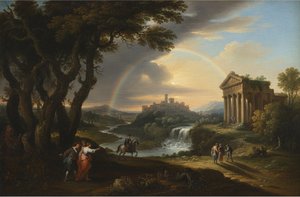
Shadow, Light, and Spectacle: The Dramatic Evolution of Baroque Landscape Painting
Explore the breathtaking drama of Baroque landscapes. Our expert guide delves into the interplay of light and shadow in 17th-century masterpieces. Discover art history and find museum-quality, hand-painted oil reproductions to bring classical grandeur to your home.

Drama in Nature: The Captivating Grandeur of Baroque Landscapes and the Art of Emotional Spectacle
Explore the breathtaking drama of Baroque landscapes. From Rubens's grand vistas to the mastery of chiaroscuro, discover how 17th-century artists transformed nature into a theatrical stage of emotion and light. A deep dive for true art enthusiasts.

Nature’s Sanctuary: Curating Enchanting Forest Artworks to Transform Your Home into a Serene Woodland Retreat
Transform your home into a serene woodland retreat with enchanting forest artworks. Discover museum-quality oil reproductions and custom landscape commissions designed to bring the peaceful beauty of nature indoors.

Джон Констебль: 25 шедевров английского пейзажа для вашего интерьера
Погрузитесь в мир английского пейзажа с Джоном Констеблом! 25 шедевров романтизма, история создания картин и вдохновение для вашего интерьера. Репродукции высокого качества на OriginalUniqueArt.com – искусство для ценителей.
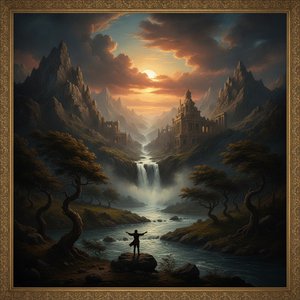
Epic Drama & Dark Vibes: The Ultimate Collector's Guide to Baroque Landscapes
Master the art of drama with our ultimate guide to Baroque landscapes. Discover the power of chiaroscuro, explore legendary masters, and learn how to curate epic, dark-vibe masterpieces for your collection with expert insights from OriginalUniqueArt.