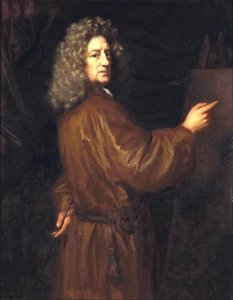
The Lacemaker
Acrylic On Canvas
WallArt
Dutch Golden Age
1656
45.0 x 53.0 cm
Музей Метрополитен
Масляная репродукция ручной работы
Картина маслом на холсте в выбранном вами размере и раме, написанная на заказ нашими художниками. ( Купить принт
Купить изображение)
P118B $10
P118H $10
P118W $10
P438Z $10
P508JH $12
P508YH $12
P805H $10
P805Z $10
P919BZ $10
P919G $10
P919XJ $10
P959ZH $10
P968JZ $12
W106C $8
W218G $10
W218JH $8
W218Y $10
W307PJ $10
W316G $10
W316PJ $8
W316Y $10
W398PJ $8
W4111J $10
W500HY $15
W500JH $15
W692G $12
W849H $8
W940BG $15
W953PJ $8
Выберите один из наших стандартных размеров, соответствующих оригинальным пропорциям произведения искусства.
Вы можете указать собственные размеры, чтобы картина идеально вписалась в выбранную раму или пространство. Если выбранный вами размер не соответствует пропорциям оригинала, мы либо обрежем полотно, либо расширим его за счет дополнительных элементов, написанных вручную. Цифровой макет будет отправлен вам на утверждение перед началом производства.
Обратите внимание, что предварительный просмотр на экране не отражает фактическую обрезку или расширение. Только макет точно покажет окончательную композицию.
Хотя доступны индивидуальные размеры, мы рекомендуем выбирать вариант из предопределенного списка, чтобы сохранить исходные пропорции.
После оформления заказа команда OriginalUniqueArt.com свяжется с клиентом по электронной почте для уточнения деталей и предоставит предварительный макет
Доставка по всему миру () за 3–4 недели вместо стандартных 5 недель. (14 Август). Без компромиссов в качестве.
Бесплатная экспресс-доставка по всему миру
Высококачественный льняной холст
Полное страхование доставки
Гарантия возмещения таможенных пошлин
Гарантия точного соответствия цветов
Политика возврата в течение 60 дней (только при наличии дефектов)
Гарантия возврата 100% средств
Предложение оптовых скидок
The Lacemaker
Техника репродукции
Размер репродукции
-
Итоговая стоимость
$ 300
Описание произведения
The Lacemaker: A Glimpse of Domestic Life in Delft
Nicolaes Maes’s “The Lacemaker,” painted around 1656, is more than just a portrait; it's a meticulously crafted window into the heart of 17th-century Dutch domesticity. Housed within the Metropolitan Museum of Art in New York, this small yet remarkably detailed canvas offers a poignant study of labor, femininity, and the quiet dignity of everyday life – a hallmark of the burgeoning genre painting movement that flourished during the Dutch Golden Age. The scene unfolds within a modestly furnished room, bathed in soft light filtering through a window on the left, creating an atmosphere of serene contemplation.
The central figure is a young woman, her posture suggesting both diligence and contentment as she expertly works at her lacemaking. Her hands move with practiced grace, transforming simple threads into intricate patterns – a testament to the skill and patience required for this demanding craft. Beside her, a small child sits perched on a stool, observing his mother’s work with an expression of innocent curiosity. This juxtaposition of generations, of labor and observation, imbues the scene with a subtle narrative depth.
A Masterclass in Light and Shadow
Maes was deeply influenced by Rembrandt van Rijn, inheriting his profound understanding of *chiaroscuro*, the dramatic interplay of light and shadow. Here, this technique is masterfully employed to draw the viewer’s eye to the central figure, highlighting her hands and the delicate lace she creates. The dark background – a simple wooden room with a muted floor – serves as a powerful contrast, emphasizing the brightness of the figures and creating a sense of intimacy. Notice how Maes uses subtle gradations of light to model the woman's face and clothing, lending them a remarkable three-dimensionality.
The artist’s meticulous attention to detail extends beyond the figure itself. The textures of the fabric – the smooth sheen of the bodice, the rough weave of the tablecloth – are rendered with astonishing realism. Even the small objects on the table – a vase and a bowl – contribute to the sense of a lived-in space, grounding the scene in a tangible reality.
Symbolism and Social Context
Lacemaking was not merely a domestic occupation; it held significant social and economic value during this period. The intricate lace produced by women like the one depicted in “The Lacemaker” was highly sought after, providing an important source of income for many families. The painting therefore offers a glimpse into the lives of ordinary Dutch women, highlighting their contributions to the household economy and showcasing their skill and artistry.
Furthermore, the presence of the child adds another layer of symbolic meaning. Children were often depicted in domestic scenes as symbols of hope and continuity, representing the future generation. The boy’s attentive gaze suggests a connection between mother and child, reinforcing the values of family and tradition that were central to Dutch society.
A Timeless Portrait of Domesticity
“The Lacemaker” is more than just a beautiful painting; it's a powerful testament to the artistry and skill of Nicolaes Maes. Through his masterful use of light, shadow, and detail, he has captured a fleeting moment in time – a glimpse into the quiet dignity of domestic life in Delft. The painting’s enduring appeal lies in its ability to evoke a sense of nostalgia for a bygone era, reminding us of the simple pleasures and profound beauty that can be found in the everyday.
Биография художника
Nicolaes Maes (1634 - 1693): A Life Immersed in Dutch Light and Shadow
Nicolaes Maes, a name resonating softly within the pantheon of Dutch Golden Age masters, was born in Dordrecht in January 1634 into a world brimming with mercantile prosperity and artistic ferment. His father, Gerrit Maes, a successful cloth merchant and soap boiler, provided a comfortable upbringing, allowing young Nicolaes to pursue his burgeoning talent for painting. While early instruction came from a local artist of modest renown, the pivotal moment in Maes’s development arrived when he journeyed to Amsterdam around 1648 and entered the workshop of Rembrandt van Rijn. This apprenticeship proved transformative, imbuing him with an enduring appreciation for the dramatic interplay of light and shadow – *chiaroscuro* – and a masterful command of color that would define his early works. The influence was so profound that initial paintings, such as depictions of biblical scenes rendered with life-size figures and rich, glowing hues, were often mistakenly attributed to Rembrandt himself. These formative years laid the groundwork for a career marked by both technical brilliance and an intimate understanding of human emotion.Early Years and Rembrandt’s Influence
Nicolaes Maes's artistic journey commenced under the tutelage of Samuel van Hoogstraten, a former pupil of Rembrandt who resided in Dordrecht during Maes’ formative years (1648-1651). Although Van Hoogstraten’s instruction was modest compared to Rembrandt’s renown, it instilled in Maes a foundational understanding of drawing techniques and artistic principles. Crucially, however, Maes's path intersected with Rembrandt’s workshop around 1650, initiating an apprenticeship that would irrevocably shape his artistic vision. This relationship proved pivotal, fostering an unwavering devotion to Rembrandt’s distinctive style—particularly *chiaroscuro*, the masterful manipulation of light and dark—and cultivating a palette brimming with vibrant hues. Initial canvases produced during this period mirrored Rembrandt's aesthetic sensibilities, often eliciting comparisons and fueling speculation about attribution. These early works stand as testament to Maes’s absorption of Rembrandt’s artistic legacy, establishing him firmly within the context of Dutch Baroque painting.From Dordrecht to Amsterdam: Genre Painting Takes Root
Following his return to Dordrecht in 1654, Maes embarked on a trajectory distinct from direct emulation of Rembrandt. Instead, he honed his skills in domestic genre scenes—paintings depicting everyday life—capturing the quiet beauty and nuanced emotions inherent in the daily routines of Dutch citizens. He meticulously observed the intricacies of domestic interiors, portraying women engaged in commonplace activities such as spinning wool, preparing meals, and reading scripture with remarkable sensitivity. Maes’s fascination extended to the art of lacemaking, inspiring numerous variations on this theme—each a testament to his meticulous observation and unwavering dedication to capturing authentic human experience. These paintings transcended mere representation; they conveyed a profound understanding of psychological states and social dynamics, reflecting the spirit of the Dutch Republic during its golden age.The Rembrandt Legacy Continues: Portraiture and Artistic Innovation
Despite distancing himself from Rembrandt’s stylistic approach in his genre works, Maes retained an indelible connection to his former master's artistic principles throughout his career. This influence manifested prominently in his portraiture—particularly after 1656—where he achieved unparalleled mastery in conveying psychological depth and capturing the essence of his subjects. Like Rembrandt, Maes skillfully employed *chiaroscuro*, creating dramatic contrasts between light and shadow to illuminate facial expressions and sculpt forms with breathtaking precision. His portraits are characterized by an understated elegance and a profound empathy for his sitters—revealing not only physical likeness but also glimpses into their inner lives and social standing. Notable examples include “Portrait of Gerard Röver, Merchant and Shipowner in Amsterdam,” which exemplifies Maes’s ability to capture both dignity and psychological complexity. Furthermore, Maes demonstrated artistic innovation by adapting Rembrandt's techniques to the medium of mezzotint—a printing process that allowed for nuanced tonal gradations and exceptional detail—resulting in stunning prints like “Hieronymus van Beverningk.”A Lasting Impression: Artistic Significance and Enduring Appeal
Nicolaes Maes passed away in Amsterdam in December 1693, leaving behind a substantial body of work that continues to resonate with audiences today. His paintings stand as invaluable records of Dutch society during the Baroque era—illuminating domestic life, capturing psychological portraits, and embodying the artistic spirit of his time. Maes’s unwavering commitment to Rembrandt’s stylistic precepts—particularly *chiaroscuro*—established him as a cornerstone of Dutch Baroque painting, securing his place among the most influential artists of the seventeenth century. His meticulous observation, coupled with an intuitive understanding of human emotion, ensured that his legacy would endure for generations to come. Today, Maes's canvases reside in prestigious collections across Europe and North America, readily accessible for study and appreciation—a testament to the enduring power of his artistic vision and its profound contribution to the history of art.Николаас Маас
1634 - 1693 , Нидерланды
Основные сведения
- Artistic Movement Or Style: Барокко
- Artists Or Movements Influenced By This Artist: ['Питер де Хох']
- Artists Who Influenced This Artist: ['Рембрандт ван Рейн']
- Date Of Birth: Дордрехт, Нидерланды (1634)
- Date Of Death: 1693
- Full Name: Николаас Маэс
- Nationality: Нидерландский
- Notable Artworks:
- Христос благословляет детей
- Старая женщина дремлет над книгой
- Смерть и алтариус
- Place Of Birth: Дордрехт, Нидерланды

Вариант со стеклом доступен только для размеров менее 110 см