
 Предпросмотр
 Поделиться
 Поделиться
 Детали произведения
 Руководство

 Скачать
 Похожие предметы
 Рентгенография
 Слайд-шоу
 Вопросы и ответы
 Статистика просмотров
Zoomorphic figure

- 5.0 x 2.0 cm


 Читать далее
Произведение искусства, представленное на этой странице, защищено законом об авторском праве, что исключает возможность законного создания или продажи его точной репродукции. Данная защита обеспечивается международными соглашениями, такими как Бернская конвенция и национальным законодательством, включая положения, изложенные в Закон США об авторском праве — Раздел 17.
Этот метод полностью соответствует нормам авторского права, так как он не предполагает копирования или дублирования защищенного произведения. Напротив, это творческая реинтерпретация — создание новой картины, которая вдохновлена оригиналом, но не является его точной копией.
Жикле и арт-принты
Печать (жикле) или холст музейного качества с быстрыми сроками изготовления и широким выбором вариантов отделки. ( Купить картину ручной работы Перейти к цифровым изображениям)




































Выберите один из наших стандартных размеров, соответствующих оригинальным пропорциям произведения искусства.

Введите необходимую ширину и высоту, чтобы репродукция подошла к вашей раме или стене. При печати изображение можно только уменьшить, но нельзя увеличить больше оригинала, поэтому при выборе другого формата часть изображения может быть обрезана. Перед печатью мы отправим вам цифровой макет на утверждение. Изображение на этой странице не отображает реальную обрезку — ее можно увидеть только на макете.
Доставка по всему миру () за 2 недели вместо стандартных 4–5 недель. (6 Ноябрь)

Бесплатная экспресс-доставка по всему миру

Высококачественный льняной холст

Полное страхование при доставке

Гарантия возмещения таможенных пошлин

Гарантия точного цветового соответствия

100-дневная гарантия возврата (только при обнаружении дефектов)

Гарантия возврата 100% средств

Скидка при оптовом заказе
 Вариант со стеклом доступен только для размеров менее 110 см

Zoomorphic figure
Жикле и арт-принты
Размер репродукции
-


Итоговая стоимость
$ 81
Биография художника
The Golden Legacy of the Muisca
The Muisca culture, also known as Chibcha, represents one of Colombia’s most fascinating pre-Columbian civilizations—a testament to ingenuity and artistic prowess that continues to captivate historians and art enthusiasts alike. Flourishing in the misty altiplano cundiboyacense region from approximately 800 AD to 1537 AD, this confederation of independent tribes achieved remarkable advancements in metallurgy, agriculture, and social organization. Theirs was a world etched in gold, ceramics, and intricate iconography, where every crafted object whispered the sacred secrets of a complex spiritual cosmos.
Emerging from the high Andean highlands, the Muisca people developed a sophisticated societal hierarchy centered around powerful rulers—the Hoa, Psihipqua, and Iraca. These leaders were far more than political administrators; they functioned as divine intermediaries, embodying celestial forces and overseeing the religious rituals that anchored Muisca life. This governance fostered expansive trade networks that bridged diverse Andean communities, facilitating a rich exchange of goods and ideas. While their economy was rooted in the earth—cultivating staples like maize, quinoa, and potatoes—their true artistic soul was found in the mastery of metal, where they transformed raw elements into shimmering symbols of divinity.
A Symphony in Gold and Symbolism
The Muisca’s artistic achievements stand apart as some of the most remarkable feats of pre-Columbian art. Their skill in repoussé—the delicate process of hammering metal into relief—is unparalleled, resulting in exquisitely detailed golden figurines, masks, and jewelry that depict animals, deities, and human figures with astonishing precision. These artworks were not merely decorative; they served as vital conduits for spiritual communication. Through the creation of tunjos—small, votive figures—the Muisca offered pieces of their devotion to the gods, embedding their prayers into the very fabric of their craftsmanship.
Perhaps no object captures the mythic grandeur of this culture better than the Muisca Raft. This legendary piece of goldwork is believed by many scholars to represent the ritualistic origins of the El Dorado legend. It depicts a scene of profound ceremony, likely set within the sacred waters of Lake Guatavita, where a new ruler would be adorned in gold dust before descending into the lake as an offering. This single artifact encapsulates the Muisca's ability to blend high-level metallurgy with deep religious narrative, turning precious metal into a vessel for eternal myth.
Spiritual Cosmos and Lasting Significance
The artistry of the Muisca was inextricably linked to their profound understanding of the universe. Their religion was a complex tapestry of celestial worship, directed toward deities such as Chía, the goddess of the Moon, and Sué, the god of the Sun. This duality of light and shadow, husband and wife, reflected in their art, mirrored the natural rhythms of the Andean landscape. Beyond gold, their creative expression extended into pottery, textiles, and even body art, creating a multi-sensory cultural identity that was as much about texture and pattern as it was about form.
Though the Spanish conquest in the 16th century brought profound disruption to their way of life, the artistic spirit of the Muisca remains unextinguished. Today, the treasures of this civilization are preserved in institutions like the Museo del Oro in Bogotá, where their golden masterpieces continue to serve as a luminous gateway into Colombia’s ancestral soul. The legacy of the Muisca lives on not just in museum halls, but in the enduring cultural identity of the Andean people, reminding the world of a time when gold was not merely wealth, but a sacred language of the divine.

Muisca Culture
Colombia
Об авторе
- Full Name: Muisca Culture
- Nationality: Colombian
- Date Of Birth: (Unknown)
- Date Of Death: (Living)
- Place Of Birth: Cundinamarca, Colombia
- Notable Artworks:
- Necklace of tubular beads
- Zoomorphic figure
- Máscara
- Artistic Movement Or Style: Pre-Columbian
Похожие статьи
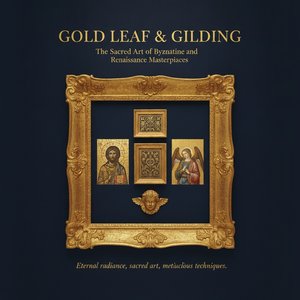
The Sacred Glow: Mastering Gold Leaf and Gilding in Byzantine Art
Explore the divine mastery of Byzantine gold leaf and gilding. Discover how ancient artisans used gold ground and mosaics to create celestial light, a timeless legacy of spiritual splendor and technical excellence in sacred art history.
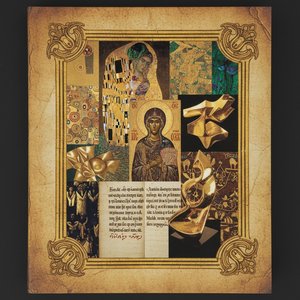
The Allure of Gold in Art History: Symbolism, Technique & Cultural Significance
Explore the rich history of gold in art! Discover symbolism, techniques & cultural significance from ancient civilizations to Klimt's masterpieces. Expert insights for collectors at OriginalUniqueArt.

Golden Glow: How to Use Metallic Gold Artworks to Elevate Your Home Decor with Timeless Luxury
Discover how to elevate your home with the timeless elegance of metallic gold artworks. From sculptural metal pieces to gilded oil paintings, learn expert interior design tips for integrating luxurious gold accents into your space with sophistication and grace.

Gold Leaf & Gilding: The Sacred Art of Byzantine and Renaissance Masterpieces
Explore the profound history of gold leaf and gilding in Byzantine and Renaissance art. Discover how this sacred technique transformed religious iconography into celestial phenomena through light, symbolism, and unparalleled craftsmanship.

Gilded Splendor: Elevating Luxury Interiors with the Timeless Radiance of Gold Leaf Artistry
Transform your interiors with the timeless radiance of gold leaf art. Discover museum-quality, hand-painted oil reproductions and bespoke gilded commissions. From Byzantine splendor to Klimt’s brilliance, explore exquisite pieces curated for the most discerning luxury collectors.