

 Предпросмотр
 Поделиться
 Поделиться
 Детали произведения

 Скачать
 Похожие работы
 Рентгенография
 Слайд-шоу
Shimabara Courtesans Exorcizing Demons
 701
701 87.0cm x 27.0cm
 Читать далее
Приобретите цифровое изображение высокого разрешения в улучшенном качестве, которое значительно превосходит онлайн-превью.
Каждый файл тщательно подготавливается нашими специалистами с использованием передовых инструментов и экспертной ручной ретуши. Мы гарантируем исключительную четкость, точную цветопередачу и детальную проработку каждого изображения.
Финальный файл доставляется по электронной почте в течение 72 часов и оптимизирован для немедленного использования в профессиональной среде, при верстке и печати. Это тот же уровень качества, которому доверяют ведущие дизайнерские студии, издательства и галереи.
Цифровое изображение
Скачайте файл высокого разрешения для личного использования, печати и творческих проектов. ( Купить принт Купить картину ручной работы)
Включено в каждый заказ цифровых изображений
Гарантия экспертной цифровой доставки
Выбирая OriginalUniqueArt.com, вы получаете не просто изображение — вы приобретаете профессионально обработанное цифровое произведение искусства, созданное с безупречной точностью и под защитой гарантии качества. Вот всё, что автоматически входит в ваш заказ:

Мгновенная доставка по e-mail
Ваш цифровой файл в высоком разрешении будет отправлен вам по электронной почте в течение 72 часов после оформления заказа — и сразу станет доступен для использования.

Цифровой файл с ИИ-улучшением
Ваше произведение искусства проходит профессиональную оптимизацию с использованием передовых инструментов ИИ и ручной обработки, что гарантирует максимальную детализацию, четкость и точность цветопередачи.

Бессрочная бесплатная повторная доставка
Случайно удалили или потеряли файл? Не беспокойтесь — мы отправим его вам повторно в любое время и совершенно бесплатно.

Без импортных пошлин — навсегда
Наслаждайтесь вашим произведением искусства мгновенно без таможенных пошлин, сборов или затрат на доставку — цифровые загрузки всегда не облагаются налогом.

Гарантия точности цветопередачи
Мы гарантируем, что ваше цифровое изображение максимально точно передает оригинальные цвета благодаря использованию профессиональных инструментов и систем управления цветом.

Гарантия удовлетворения в течение 60 дней
Если вы останетесь не удовлетворены покупкой цифрового изображения, мы внесем в него правки или вернем 100% стоимости в течение 60 дней — без лишних вопросов.

100% Гарантия возврата средств
Не удовлетворены покупкой? Мы гарантируем полный возврат средств в течение 60 дней после получения вашего цифрового файла — без лишних вопросов.

Скидки на оптовые заказы
Купите 3 изображения, сэкономьте 10% — Купите 5, сэкономьте 15% — Купите 10+, сэкономьте 20%. Отличное решение для творческих проектов, галерей и агентств.
Описание коллекции
Биография художника
Miyagawa Isshō: A Pioneer of Kabuki and Erotic Art
Miyagawa Isshō (喜平治, Fujiwara Andō), born around 1689 in Edo (modern Tokyo), was a pivotal figure in the Japanese ukiyo-e movement—a prolific painter specializing in kabuki theater prints and erotic shunga. His artistic output spanned from approximately 1725 to his death in 1779, marking him as one of the most influential artists of his era and establishing a lasting legacy within Japonisme, influencing European art movements during the late 18th and early 19th centuries.- Early Life & Training: Isshō’s formative years were spent under the tutelage of Miyaagawa Chōshun (1682–1752), a master whose own style was deeply rooted in the traditions of the Kano School, known for its meticulous realism and refined aesthetic sensibilities. This influence is evident in Isshō's early works—particularly his depictions of landscapes—demonstrating a careful observation of nature and an adherence to established artistic conventions.
- Influence of Harunobu: Like Chōshun, Isshō was profoundly impacted by Suzuki Harunobu (1725–1770), another innovator who championed the use of color printing techniques. Harunobu’s groundbreaking approach to nishiki-e—bold compositions and vibrant hues—inspired Isshō to push boundaries within his own artistic practice.
The Flowering of Kabuki Prints
Isshō achieved particular renown for his captivating portrayals of kabuki actors. He meticulously captured the dramatic gestures, expressions, and costumes of performers on stage, transforming theatrical performances into visual masterpieces. His prints weren’t merely reproductions; they conveyed the spirit of the theater—the energy, emotion, and spectacle—creating images that continue to resonate with audiences today. Notable works include “Samurai and Wakashu” (Male Youth), showcasing a dynamic scene of a samurai confronting a young man in a stylized pose, reflecting the prevalent themes of honor and youthful idealism within kabuki productions.- Technique & Style: Isshō’s technique involved layering multiple blocks of color—a hallmark of nishiki-e—to achieve stunning visual effects. He skillfully blended tonal gradations and employed subtle shading to imbue his prints with depth and realism, surpassing the limitations of earlier woodblock printing methods.
- Notable Prints: Among Isshō’s celebrated prints are “Courtesan on Parade,” depicting a geisha in opulent attire—a testament to Isshō's ability to capture beauty and elegance. Similarly, "Setsubun" portrays a festive celebration of the New Year, highlighting Isshō’s talent for capturing fleeting moments of everyday life.
Exploring Erotic Shunga: A Bold Experimentation
Beyond his kabuki prints, Isshō ventured into shunga—Japanese erotic art—a genre considered taboo during his time but embraced by many artists as a means of artistic expression. These paintings explored themes of desire and sensuality with remarkable frankness and detail, challenging societal norms and demonstrating Isshō’s willingness to explore unconventional subjects. His shunga prints are notable for their stylistic innovation and psychological insight.- Controversy & Exile: Isshō's artistic endeavors weren't without controversy. Following a dispute over payment for a commission in Nikko—where the patron refused to pay—he was banished from Edo alongside Chōshun, marking a significant setback in his career.
- Legacy & Influence: Despite this exile, Isshō continued to produce exceptional artwork until his death in 1780. His influence extended far beyond Japan, captivating European artists and collectors during Japonisme—a fascination with Japanese art and culture that profoundly impacted Western aesthetics. Isshō’s pioneering use of color printing techniques and his masterful depictions of kabuki theater solidified his place as one of the most important figures in ukiyo-e history.
Conclusion: An Enduring Vision
Miyagawa Isshō's artistic legacy persists today, inspiring artists and scholars alike. His unwavering commitment to innovation—particularly his embrace of color printing and his daring exploration of erotic themes—transformed the landscape of Japanese art and contributed significantly to the dissemination of Japonisme across Europe. He remains a symbol of artistic courage and creativity—a testament to the transformative power of vision and technique.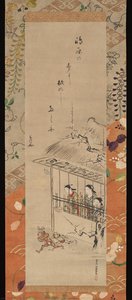
miyagawa isshō
1689 - 1779
Основные сведения
- Artistic Movement Or Style: Ukiyo-e
- Artists Or Movements Influenced By This Artist: ['Suzuki Harunobu']
- Artists Who Influenced This Artist:
- Hirshikawa Moronobu
- Fujiwara Ando
- Date Of Death: 1780
- Full Name: Miyagawa Isshō
- Nationality: Japanese
- Notable Artworks:
- Courtesan on Parade
- Setsubun (The Day Before the Beginning of Spring)
- Shimabara Courtesans Exorcizing Demons
- Place Of Birth: Tokyo

