
 Предпросмотр
 Поделиться
 Поделиться
 Детали произведения

 Скачать
 Похожие работы
 Рентгенография
 Слайд-шоу
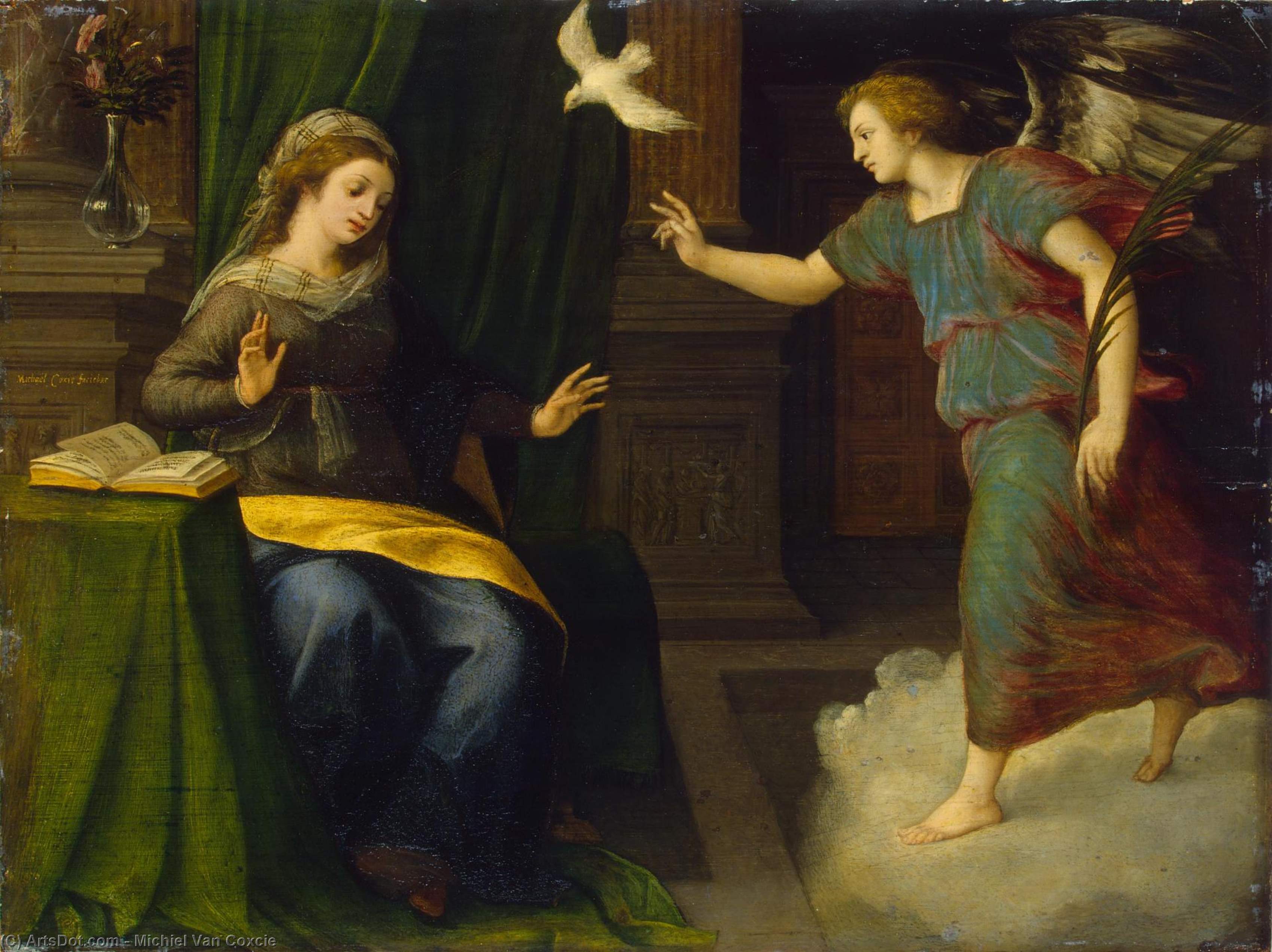
Annunciation
 Oil On Canvas
- WallArt
- Renaissance
 1580
1580 30.0 x 39.0 cm
 Эрмитаж
 Читать далее
Жикле / Арт-принт
Печать (жикле) или холст музейного качества с быстрыми сроками изготовления и широким выбором вариантов отделки. ( Купить картину ручной работы Купить изображение)




P118B $10

P118H $10

P118W $10

P438Z $10

P508JH $12

P508YH $12

P805H $10

P805Z $10

P919BZ $10

P919G $10

P919XJ $10

P959ZH $10

P968JZ $12

W106C $8

W218G $10

W218JH $8

W218Y $10

W307PJ $10

W316G $10

W316PJ $8

W316Y $10

W398PJ $8

W4111J $10

W500HY $15

W500JH $15

W692G $12

W849H $8

W940BG $15

W953PJ $8




Выберите один из наших стандартных размеров, соответствующих оригинальным пропорциям произведения искусства.

Вы можете указать свои собственные размеры, чтобы репродукция идеально подошла под конкретную раму или пространство. Если выбранный вами размер не будет соответствовать пропорциям оригинала, мы либо обрежем произведение, либо дополним изображение зеркальным отражением краев или однотонной заливкой. Перед началом производства вам будет отправлен цифровой макет для утверждения.
Пожалуйста, обратите внимание, что предварительный просмотр на экране не отображает фактическую обрезку или расширение изображения. Только макет точно покажет финальную композицию.
Несмотря на возможность заказа индивидуальных размеров, мы рекомендуем выбирать размер из предопределенного списка, чтобы сохранить оригинальные пропорции.
Доставка по всему миру () за 2 недели вместо стандартных 4/5 недель. (14 Август)

Бесплатная экспресс-доставка по всему миру

Высококачественный льняной холст

Полное страхование доставки

Гарантия возмещения таможенных пошлин

Гарантия точного соответствия цветов

Политика возврата в течение 60 дней (только при наличии дефектов)

Гарантия возврата 100% средств

Предложение оптовых скидок
 Вариант со стеклом доступен только для размеров менее 110 см

Annunciation
Жикле / Арт-принт
Размер репродукции
-


Итоговая стоимость
$ 80
Описание предмета коллекционирования
A Divine Encounter: Unveiling the Annunciation
Michiel van Coxcie’s “Annunciation,” painted around 1580, is more than just a religious depiction; it's a masterful synthesis of Renaissance ideals and subtle Flemish artistry. The painting captures a pivotal moment in Christian belief – the Archangel Gabriel’s announcement to Mary that she would conceive and bear Jesus Christ – with an exquisite balance of realism, spiritual grace, and Mannerist elegance. It’s a scene brimming with quiet anticipation, radiating a profound sense of reverence and divine communication.
Image: Annunciation by Michiel van Coxcie (1580)
Renaissance Roots, Flemish Soul
Coxcie’s artistic journey is a fascinating testament to the cross-pollination of styles during the late 16th century. Born in Mechelen, Belgium, he initially immersed himself in the Italian Renaissance, studying under masters like Jan Portaers and Pieter Bruegel the Elder, absorbing their emphasis on realism and emotional depth. However, his spirit was undeniably drawn to the innovations of Michelangelo, Leonardo da Vinci, and Raphael – figures who redefined artistic expression through anatomical precision, dramatic lighting, and a profound understanding of human psychology. Coxcie didn’t merely imitate; he skillfully integrated these Italian influences with the deeply rooted spirituality and meticulous detail characteristic of Flemish painting.
The painting's composition reflects this duality. The figures are rendered with a remarkable degree of naturalism – Mary’s face, etched with surprise and contemplation, is particularly striking. Yet, there’s an undeniable Mannerist influence in the elongated proportions of the figures, the subtly distorted perspective, and the heightened emotional intensity. This blending creates a unique visual language that is both familiar and strikingly original.
Symbolism Woven into the Canvas
Every element within “Annunciation” carries symbolic weight. The dove, hovering above the scene, represents the Holy Spirit – the divine messenger who will empower Mary. The book held by Gabriel signifies knowledge and wisdom, a subtle allusion to the incarnation of God in human form. Mary’s modest gesture, her hand raised slightly as she accepts the news, speaks volumes about her humility and faith. The architectural setting, reminiscent of Italian Renaissance palaces, provides a dignified backdrop for this momentous event, grounding the divine narrative within a tangible space.
Technique and Materials: A Master's Touch
Coxcie’s technical skill is evident in every brushstroke. He employs a rich, layered technique, building up the paint with meticulous detail to create a sense of volume and texture. The use of light and shadow – particularly the dramatic illumination highlighting Mary’s face and the dove – adds depth and drama to the scene. The painting is executed in oil on canvas, a medium that allowed Coxcie to achieve both luminous colors and subtle gradations of tone. The careful attention to detail extends to the rendering of fabrics, architectural elements, and even the folds of Gabriel's robe, demonstrating his mastery of perspective and spatial relationships.
A Legacy of Divine Beauty
“Annunciation” stands as a testament to Michiel van Coxcie’s artistic genius – a bridge between the vibrant energy of the Italian Renaissance and the profound spirituality of the Flemish tradition. It's a painting that continues to resonate with viewers centuries later, inviting us to contemplate the mysteries of faith, the power of divine communication, and the enduring beauty of human expression. Reproductions offer an accessible way to bring this masterpiece into your home or office, allowing you to experience its timeless grace and profound symbolism.
Биография художника
Michiel van Coxcie: Bridging Renaissance and Baroque Brilliance
Michiel van Coxcie (1499-1592), a Flemish master whose name echoes through the annals of art history, stands as a singular figure—the ‘Flemish Raphael,’ lauded for his ability to synthesize the grandeur of Italian artistic ideals with the profound spirituality of his homeland. Born in Mechelen, Belgium, Coxcie’s life unfolded against the backdrop of a turbulent era marked by religious upheaval and artistic innovation, shaping him into an artist whose legacy continues to inspire awe centuries later. Coxcie's formative years were steeped in Flemish tradition, receiving meticulous training from Jan Portaers and Pieter Bruegel the Elder—artists who championed realism and emotional depth. However, his gaze was undeniably drawn eastward, captivated by the revolutionary advancements of Michelangelo, Leonardo da Vinci, and Raphael. Unlike many of his contemporaries who slavishly imitated Italian styles, Coxcie skillfully blended these influences, forging a distinctive artistic voice that prioritized both anatomical accuracy and expressive emotion. This duality is palpable in his oeuvre, where figures possess breathtaking realism alongside profound psychological insight—a hallmark that distinguishes him from the more rigid stylistic conventions prevalent during his time. His prolific output spanned across various mediums—paintings, tapestries, sculptures—demonstrating an unparalleled versatility. He achieved considerable renown during his lifetime, securing commissions from prominent patrons including Maximilian I of Bavaria and Philip II of Spain. His monumental altarpiece in St. Michael and Gudula Cathedral in Brussels remains a testament to his ambition and technical prowess, showcasing intricate detail and masterful composition; it exemplifies the meticulous craftsmanship characteristic of Flemish art during the Renaissance. Similarly, his contribution to the St. Rumbolds Cathedral tapestry—a depiction of Adam and God—is considered one of the finest examples of Renaissance textile art, reflecting the artistic fervor of the period and demonstrating Coxcie’s ability to translate complex narratives into visually compelling imagery. Coxcie's artistic style evolved throughout his career, mirroring the shifting currents of taste within Europe. Initially adhering to a Mannerist aesthetic characterized by elongated figures and stylized drapery—a stylistic choice influenced by artists like Parmigianino—he gradually embraced Baroque principles, incorporating dramatic lighting and dynamic movement into his works. This stylistic progression underscores his adaptability and intellectual curiosity—qualities that cemented his position as a pivotal figure in shaping the visual landscape of the sixteenth century. He was particularly adept at capturing fleeting expressions of emotion, conveying psychological depth with remarkable subtlety. Despite fading from artistic prominence after his death in 1592, Coxcie’s influence persisted within subsequent generations of painters. His meticulous observation of human anatomy and his ability to convey emotion through subtle gestures established him as an enduring inspiration for artists striving to capture the essence of human experience—a legacy that continues to resonate with audiences today. Reproductions of his masterpieces—such as ‘The Revenge of Tomyris’ and ‘Saint Cecilia’—remain treasured symbols of Flemish artistic achievement, ensuring that Michiel van Coxcie's contribution to art history remains vividly alive. ### Useful Links: []("https://en.wikipedia.org/wiki/Michiel_Coxie") ### Useful Content:- Early Life and Training: Records concerning Coxcie’s early life are scarce, with his birth year determined to be 1499 through deduction from later sources. The precise location of his birthplace remains uncertain; Mechelen is generally accepted as the most probable site due to its prominence in Flemish art circles during his formative years.
- Influences: Coxcie’s artistic vision was profoundly shaped by the revolutionary innovations of Michelangelo, Leonardo da Vinci, and Raphael—artists whose mastery captivated him during his decade-long residence in Italy. Unlike many contemporaries who imitated Italian styles blindly, he skillfully blended these influences, prioritizing both anatomical accuracy and expressive emotion.
- Notable Works: Among Coxcie’s most celebrated achievements are ‘The Revenge of Tomyris,’ a dramatic depiction of mythological conflict; ‘Saint Cecilia,’ showcasing exquisite detail and conveying profound spiritual contemplation; and his masterful copy of Van Eyck's Lamb of God, demonstrating his dedication to preserving artistic heritage.
- Style Evolution: Coxcie’s stylistic trajectory mirrored the broader trends within European art during the sixteenth century. Initially embracing Mannerist conventions—characterized by elongated figures and stylized drapery—he transitioned towards Baroque principles, incorporating dramatic lighting and dynamic movement into his compositions.
- Legacy: Michiel van Coxcie's enduring influence stems from his meticulous anatomical observation and his ability to convey emotion with remarkable subtlety. He remains an inspiration for artists seeking to capture the complexities of human experience—a testament to his lasting contribution to art history.

Михиэль ван Коксий
1499 - 1592 , Бельгия
Основные сведения
- Artistic Movement Or Style: Ренессанс и барокко
- Artists Or Movements Influenced By This Artist: ['Барочная живопись']
- Artists Who Influenced This Artist:
- Микеланджело
- Леонардо да Винчи
- Рафаэль
- Date Of Birth: Mechelen, Belgium (1499)
- Date Of Death: 1592
- Full Name: Michiel van Coxcie
- Nationality: Фламандский
- Notable Artworks:
- Возвращение Томырыса
- Адам и Бог
- Place Of Birth: Mechelen
Похожие статьи
Винсент Ван Гог: 25 шедевров гения. Купить картины онлайн | OriginalUniqueArt
Погрузитесь в мир Винсента Ван Гога! 25 шедевров постимпрессионизма – от 'Звездной ночи' до 'Подсолнухов'. Узнайте историю создания, технику и значение каждой картины. Репродукции музейного качества на OriginalUniqueArt.com. Откройте для себя всю коллекцию онлайн!

10 Шедевров Раннего Нидерландского Живописи: История Искусства в Вашем Интерьере
Погрузитесь в мир Раннего нидерландского живописи! Откройте 10 шедевров Яна ван Эйка, Рогира ван дер Вейдена и других мастеров. История искусства, техника исполнения и вдохновение для вашего интерьера на OriginalUniqueArt.com.

Рембрандт ван Рейн: Топ-25 шедевров великого голландского мастера | OriginalUniqueArt
Погрузитесь в мир великого Рембрандта! 25 шедевров голландского барокко, истории создания картин и уникальные техники художника. Купите репродукции картин Рембрандта высочайшего качества для вашего интерьера на OriginalUniqueArt.com

Oil on Canvas: A Historical & Technical Exploration of a Timeless Artistic Medium
Explore the rich history & enduring techniques of oil painting on canvas. Discover the science behind its longevity, conservation practices, and contemporary relevance. Expert insights for art enthusiasts.

Топ-10 шедевров Раннего Нидерландского Возрождения: искусство для вашего дома
Погрузитесь в мир Раннего Нидерландского Возрождения! Узнайте истории создания шедевров Яна ван Эйка, Кампена и других великих мастеров. Купите высококачественные репродукции картин для вашего интерьера на OriginalUniqueArt.com.


