
 Предпросмотр
 Поделиться
 Поделиться
 Детали произведения

 Скачать
 Похожие работы
 Рентгенография
 Слайд-шоу
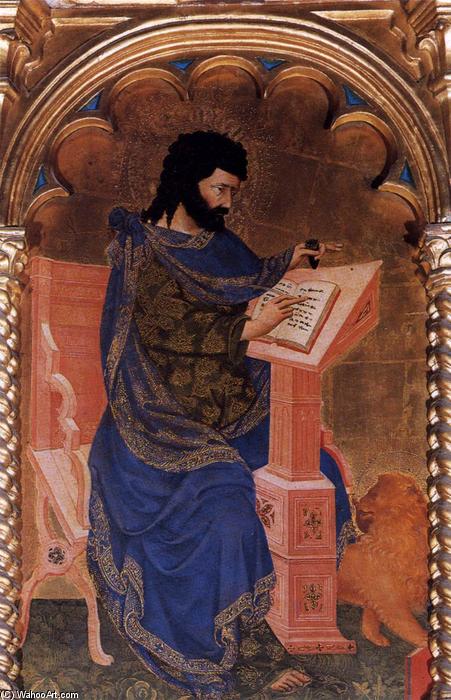
St Mark


 Читать далее
Жикле / Арт-принт
Печать (жикле) или холст музейного качества с быстрыми сроками изготовления и широким выбором вариантов отделки. ( Купить картину ручной работы Купить изображение)




































Выберите один из наших стандартных размеров, соответствующих оригинальным пропорциям произведения искусства.

Вы можете указать свои собственные размеры, чтобы репродукция идеально подошла под конкретную раму или пространство. Если выбранный вами размер не будет соответствовать пропорциям оригинала, мы либо обрежем произведение, либо дополним изображение зеркальным отражением краев или однотонной заливкой. Перед началом производства вам будет отправлен цифровой макет для утверждения.
Пожалуйста, обратите внимание, что предварительный просмотр на экране не отображает фактическую обрезку или расширение изображения. Только макет точно покажет финальную композицию.
Несмотря на возможность заказа индивидуальных размеров, мы рекомендуем выбирать размер из предопределенного списка, чтобы сохранить оригинальные пропорции.
Доставка по всему миру () за 2 недели вместо стандартных 4/5 недель. (14 Август)

Бесплатная экспресс-доставка по всему миру

Высококачественный льняной холст

Полное страхование доставки

Гарантия возмещения таможенных пошлин

Гарантия точного соответствия цветов

Политика возврата в течение 60 дней (только при наличии дефектов)

Гарантия возврата 100% средств

Предложение оптовых скидок
 Вариант со стеклом доступен только для размеров менее 110 см

St Mark
Жикле / Арт-принт
Размер репродукции
-


Итоговая стоимость
$ 80
Биография художника
Michele di Matteo Lambertini: A Bolognese Voice in Late Gothic Art
Michele di Matteo Lambertini (circa 1410 – living), often referred to as da bologna or lambertini, stands as a significant figure within the artistic landscape of late gothic Bologna. His contribution to the city’s visual culture is marked by ambitious fresco cycles and meticulously crafted altar panels that reflect both stylistic trends and humanist ideals emerging during his lifetime. While scholarly debate persists regarding his precise place amongst Bolognese painters—particularly distinguishing him from Michelangelo da Bergamo—Lambertini undeniably possessed a distinctive artistic vision, shaping the aesthetic sensibilities of his era.Early Life and Artistic Training
Information concerning Lambertini’s formative years remains scarce, primarily due to the limitations of surviving biographical records. He emerged as an artist during the vibrant intellectual milieu fostered by Bologna's university and papal presence. Evidence suggests he apprenticed under Francesco Lola, a renowned fresco painter known for his involvement in monumental projects celebrating papal authority. This collaboration instilled in Lambertini foundational skills in pigment preparation, mural technique, and compositional design—elements that would characterize his subsequent artistic endeavors.Notable Commissions and Artistic Output
Lambertini’s career gained prominence through prestigious commissions undertaken during the episcopacy of Cardinal Jean Bilheres. He undertook a monumental task decorating the basilica san petronio with frescoes depicting scenes from the life of Saint Peter, demonstrating mastery in portraying biblical narratives with dramatic intensity and nuanced detail. Simultaneously, he collaborated on the church of san giacomo, designing elaborate windows adorned with intricate stained glass panels—a testament to his understanding of visual storytelling and artistic innovation. Perhaps Lambertini’s most enduring legacy resides in his altar-piece for the chiesa di sant'elena, Venice. Executed around 1462, this artwork showcases a masterful blend of Byzantine influences and emerging Renaissance sensibilities. The depiction of saints john, mark, roch, and anthony abbot embodies serene piety and conveys profound spiritual contemplation—a hallmark of humanist artistic expression. Furthermore, his Virgin and Child panel (1469), housed in the Accademia di Bologna, exemplifies Lambertini’s meticulous attention to anatomical accuracy and expressive drapery—characteristics that foreshadow developments within Bolognese painting during the transitional period between gothic and renaissance styles.Influence and Legacy
Lambertini's work exerted considerable influence on subsequent generations of Bolognese artists. Crowe and Cavalcaselle, prominent art historians of the early 20th century, acknowledged Lambertini’s artistic prowess but controversially dismissed his paintings as “ugly,” “injured,” and “defective.” Despite these critical assessments, Lambertini remains recognized for his contribution to the visual arts—particularly his role in shaping Bolognese artistic identity. His polyptych depicting St Helena and the Virgin Mary (1430-1437), commissioned for the church of sant’elena, Venice, exemplifies the stylistic sophistication achieved during this period. The Museo Nazionale di San Matteo houses a remarkable collection of Lambertini's paintings, offering visitors an opportunity to appreciate his artistic achievements firsthand. Lambertini’s oeuvre continues to inspire scholars and artists alike—underscoring the enduring significance of his contribution to Bolognese art history and demonstrating the lasting impact of late gothic aesthetics on Italian Renaissance painting.
Основные сведения
- Artistic Movement Or Style: Late Gothic
- Artists Or Movements Influenced By This Artist: ['Michelangelo da Bergamo']
- Artists Who Influenced This Artist: ['Francesco Lola']
- Date Of Death: Living
- Full Name: Michele di Matteo Lambertini
- Nationality: Italian
- Notable Artworks:
- Polyptych of Sant'Elena
- St Mark
- Virgin and Child
- Twelve Articles of the Apostles Creed
- Cristo Crucifisso
- Place Of Birth: Italy

