Early Netherlandish Painting · 1485
Vanity (Ганс Мемлинг, 1485)
Ганс Мемлинг (1435–1494) создал(а) Vanity. Создано в 1485. Относится к направлению Early Netherlandish Painting. Выполнено в технике Oil. Хранится в Музей изобразительных искусств Страсбурга в Страсбург, Франция. Размер: 22 × 14 cm
- 1485
- Oil
- 22 × 14 cm
- Музей изобразительных искусств Страсбурга

 Предпросмотр

 Картина маслом ручной работы
 Поделиться
 Поделиться
 Информационный лист


 Скачать
 Похожие предметы
 Рентгенография
 Слайд-шоу
 Вопросы и ответы

 Статистика просмотров
Vanity вкратце
- Название
- Vanity
- Автор
- Ганс Мемлинг (1435–1494)
- Дата рождения художника
- Зелигенштадт, Германия
- Дата
- 1485
- Техника
- Oil
- Размеры
- 22 × 14 cm
- Где посмотреть
- Музей изобразительных искусств Страсбурга, Страсбург, Франция
- Движение
- Early Netherlandish Painting
- Период
- Renaissance
- Сюжет
- vanity, mirror, reflection, symbolism, mortality, salvation
Что изображено на Vanity?
Hans Memling’s “Vanity”: A Mirror to Mortality
In the realm of Early Netherlandish painting, few works possess the haunting beauty and profound contemplation of Hans Memling's "Vanity," a small yet remarkably powerful oil on wood panel housed within the Musée des Beaux-Arts in Strasbourg. Measuring just 22 x 14 cm, this intimate piece transcends its modest size to deliver a complex meditation on human nature, mortality, and the elusive pursuit of earthly pleasure. It’s part of a larger triptych, “Earthly Vanity and Divine Salvation,” a visual narrative that invites viewers to confront their own desires and aspirations alongside the promise of spiritual redemption.
At first glance, "Vanity" presents a deceptively simple scene: a young woman stands before a mirror, her reflection gazing back at her with an expression of serene contemplation. She is adorned with a delicate necklace – a potent symbol of material wealth and worldly possessions – yet her gaze remains fixed on the image presented to her. However, the painting’s true depth lies in its carefully orchestrated symbolism. A dog sits attentively on the left, while two cats occupy the right side, adding layers of interpretation to the composition. Crucially, a bird is positioned near the center, often interpreted as representing the soul, poised between the allure of earthly pleasures and the potential for spiritual ascension.
The historical context surrounding “Vanity” is fascinatingly debated among art historians. Initially attributed to Hans Memling himself, the painting was later reassigned to Simon Marmion in 1890 by Wilhelm von Bode. A thorough examination conducted in 1994 definitively confirmed Memling’s authorship, solidifying its place as a cornerstone of his artistic legacy. This attribution is particularly significant because it highlights the meticulous detail and emotional resonance characteristic of Memling's work – qualities that distinguish him from many of his contemporaries. The painting exemplifies his mastery of oil painting techniques, particularly in the remarkably realistic rendering of the woman’s reflection within the mirror, a feat achieved through careful layering and blending of colors.
The Language of Symbols
“Vanity” is not merely a portrait; it's a carefully constructed allegory. The mirror itself serves as a central metaphor – a potent symbol of self-reflection, but also of the transience of earthly beauty. Memling masterfully uses light and shadow to emphasize this duality, creating an atmosphere that is both alluring and melancholic. The woman’s long, flowing hair contributes to her elegant appearance, yet it also hints at the fleeting nature of youth and beauty. The presence of the dog and cats further enriches the symbolism, suggesting a contemplation on loyalty, instinct, and perhaps even the duality of human nature – the animal within us.
The necklace, a clear representation of material wealth, stands in stark contrast to the spiritual themes explored through the bird and the overall composition. Memling’s deliberate arrangement of these elements creates a visually engaging image that compels viewers to consider the relative importance of earthly possessions versus spiritual values. The painting isn't simply about vanity; it’s an invitation to examine one’s own motivations and desires, prompting a deeper understanding of the human condition.
A Testament to Early Netherlandish Art
“Vanity” stands as a remarkable example of the artistic innovations that defined Early Netherlandish painting. Memling's work embodies the period’s emphasis on realism, meticulous detail, and symbolic depth – qualities that set it apart from its Italian counterparts. The use of oil paints allowed for unprecedented levels of subtlety and nuance in color and texture, contributing to the painting’s luminous quality and lifelike appearance. It is a testament to Memling's ability to convey complex moral themes through visually striking compositions.
Bringing “Vanity” Home
At OriginalUniqueArt, we are dedicated to preserving the artistic legacy of masters like Hans Memling. Our skilled artisans meticulously recreate "Vanity" in exquisite detail, ensuring that every nuance and subtlety of the original is faithfully reproduced. Whether you’re an art enthusiast, a collector seeking a unique addition to your collection, or simply someone drawn to the beauty and contemplation of this timeless masterpiece, our hand-painted reproductions offer an unparalleled opportunity to own a piece of history. Explore the full reproduction here.
Furthermore, you can delve deeper into the world of “Earthly Vanity and Divine Salvation” through this comprehensive article: Wikipedia Article. And for a closer look at Memling’s life and work, visit the Hans Memling: Vanity page on OriginalUniqueArt.
В каком музее находится Vanity?
Музей изобразительных искусств Страсбурга
Страсбург, Франция
Дворцовое путешествие сквозь историю искусства Эльзаса Музей изящных искусств Страсбурга — это гораздо больше, чем просто хранилище холстов и камня; это живое воплощение эльзасской души, глубокое свидетельство многовекового культурного обмена и творческой эволюции. Расположенный в роскошном дворце Рогана — сооружении, возведенном по заказу кардинала Рогана в XVIII веке как символ величия Бурбонов, — музей приглашает посетителей в незабываемое исследование истории европейской живописи. Переступить его порог — значит войти в мир, где архитектурное великолепие эпохи барокко встречается с преобразующей силой искусства.


Изображения в высоком разрешении: Vanity

Protected by copyright: these files are for personal reference, not a licence to republish.
Ганс Мемлинг, Vanity (1485), Музей изобразительных искусств Страсбурга.
Ответы на вопросы о Vanity
Где можно увидеть оригинал «Vanity», Ганс Мемлинг?
Вы можете увидеть оригинал произведения «Vanity» в Музей изобразительных искусств Страсбурга, Страсбург, Франция.
В каком году было создано произведение «Vanity», Ганс Мемлинг?
Создание «Vanity», Ганс Мемлинг датируется 1485 годом.
В какой технике выполнено произведение «Vanity», Ганс Мемлинг?
«Vanity» выполнено в технике Oil.
Каковы размеры оригинала «Vanity», Ганс Мемлинг?
Размер оригинала произведения «Vanity» составляет 22 x 14 cm. Оригинальные размеры могут служить полезным ориентиром при выборе размера репродукции.
Что изображено на картине «Vanity», Ганс Мемлинг?
Сюжеты произведения «Vanity» — это vanity, mirror, reflection, symbolism, mortality, salvation, dog, cats.
Находится ли изображение «Vanity», Ганс Мемлинг в общественном достоянии?
Произведение «Vanity», Ганс Мемлинг находится в находится под защитой авторского права. Этот статус определяет правила воспроизведения изображения данного произведения.
Какому художнику приписывают работу «Vanity»?
Авторство работы «Vanity» приписывается Ганс Мемлинг.
К какому художественному направлению относится «Vanity», Ганс Мемлинг?
«Vanity», Ганс Мемлинг относится к направлению Early Netherlandish Painting. Это направление определяет стилистический контекст произведения.
К какому периоду творчества Ганс Мемлинг относится произведение «Vanity»?
«Vanity» относится к Mature Period в творчестве Ганс Мемлинг. Данная классификация позволяет проследить развитие мастера.
Об авторе, Ганс Мемлинг

1435–1494, Германия
Ганс Мемлинг
Ранние годы, семья и обучение История Ганса Мемлинга берет свое начало в регионе Среднего Майна, где около 1430 года он увидел свет. Его первые годы прошли в Зелигенштадте, неподалеку от Франкфурта — месте, которое со временем окажется бесконечно далеким от фламандских земель, ставшими ему родным домом. Прежде чем оставить свой след в великих городах севера, ему предстояло постичь сокровенные тайны своего ремесла. Свои первые шаги в искусстве он сделал в мастерских Майнца или Кёльна, где благодаря годам терпеливого труда и пристального наблюдения был заложен фундамент его исключительного технического мастерства.
Другие работы Ганс Мемлинг
 Последний суд1471
 Сцены из Страстей Христовых (левая сторона)1470
 Сцены из жизни Марии1480
 Passion (Greverade) Altarpiece (central panel)1491
Эссе к произведению Vanity
 25 Masterpieces by Rogier van der Weyden: The Pinnacle of Emotional ArtImmerse yourself in the profound emotion of Rogier van der Weyden’s greatest works. From Northern Renaissance mastery to exquisite textures…
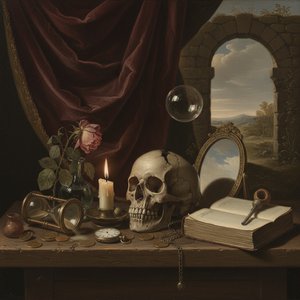 The Memento Mori Aesthetic: Decoding the Profound Symbolism of Vanitas ArtExplore the profound symbolism of Vanitas art. From Dutch Golden Age masterpieces to the haunting beauty of Memento Mori, uncover how class…
 10 Iconic Early Netherlandish Masterpieces That Changed Art HistoryJourney through the Northern Renaissance with our guide to 10 Early Netherlandish masterpieces. From Jan van Eyck to Rogier van der Weyden,…