
 Предпросмотр
 Поделиться
 Поделиться
 Детали произведения

 Скачать
 Похожие работы
 Рентгенография
 Слайд-шоу
 Статистика
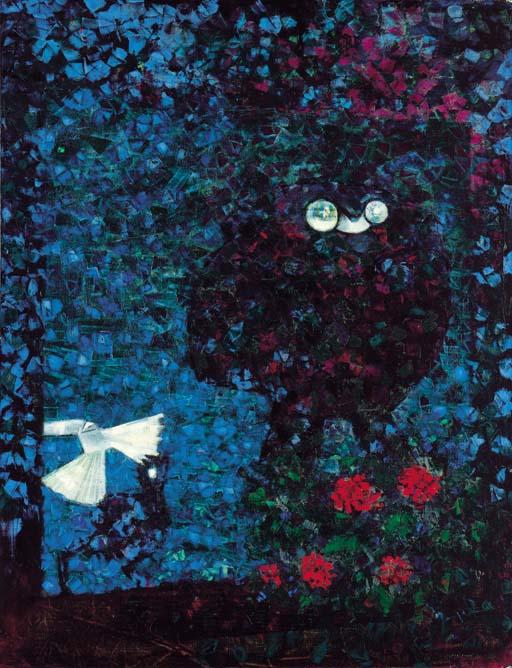
Les princes dorment mal

 Читать далее
Масляная репродукция ручной работы
Картина маслом на холсте в выбранном вами размере и раме, написанная на заказ нашими художниками. ( Перейти к печати Перейти к цифровым изображениям)




P118B $10

P118H $10

P118W $10

P438Z $10

P508JH $12

P508YH $12

P805H $10

P805Z $10

P919BZ $10

P919G $10

P919XJ $10

P959ZH $10

P968JZ $12

W106C $8

W218G $10

W218JH $8

W218Y $10

W307PJ $10

W316G $10

W316PJ $8

W316Y $10

W398PJ $8

W4111J $10

W500HY $15

W500JH $15

W692G $12

W849H $8

W940BG $15

W953PJ $8




Выберите один из наших стандартных размеров, соответствующих оригинальным пропорциям произведения искусства.

Вы можете указать собственные размеры, чтобы картина идеально вписалась в выбранную раму или пространство. Если выбранный вами размер не соответствует пропорциям оригинала, мы либо обрежем полотно, либо расширим его за счет дополнительных элементов, написанных вручную. Цифровой макет будет отправлен вам на утверждение перед началом производства.
Обратите внимание, что предварительный просмотр на экране не отражает фактическую обрезку или расширение. Только макет точно покажет окончательную композицию.
Хотя доступны индивидуальные размеры, мы рекомендуем выбирать вариант из предопределенного списка, чтобы сохранить исходные пропорции.
После оформления заказа команда OriginalUniqueArt.com свяжется с клиентом по электронной почте для уточнения деталей и предоставит предварительный макет
Доставка по всему миру () за 3–4 недели вместо стандартных 5 недель. (12 Сентябрь). Без компромиссов в качестве.

Бесплатная экспресс-доставка по всему миру

Высококачественный льняной холст

Полное страхование доставки

Гарантия возмещения таможенных пошлин

Гарантия точного соответствия цветов

100-дневная политика возврата (только при обнаружении дефектов)

Гарантия возврата 100% средств

Предложение оптовых скидок
 Вариант со стеклом доступен только для размеров менее 110 см

Les princes dorment mal
Техника репродукции
Размер репродукции
-


Итоговая стоимость
$ 300
Les princes dorment mal: An Intriguing Portrait of Surrealist Imagination
“I never impose a title on a picture; I wait for the title to impose itself,” Max Ernst famously declared, encapsulating his artistic philosophy and highlighting the profound connection between artist and artwork. This sentiment perfectly embodies *Les princes dorment mal*, a captivating black and white painting by Ernst created in 1957—a piece that exemplifies the artist’s signature blend of dreamlike imagery and meticulous technique.
The artwork depicts a striking juxtaposition: a cat adorned with spectacles perched before a bird. The feline figure exudes an air of intellectual curiosity, accentuated by a neatly tied bow tie – a whimsical detail that speaks to Ernst's playful engagement with Surrealist conventions. Two birds inhabit the composition, one positioned prominently at the top left corner and another nestled towards the bottom right, contributing to the painting’s sense of depth and spatial arrangement.
Set against a backdrop of stylized trees—a recurring motif in Ernst’s oeuvre—the scene unfolds with an understated elegance. Ernst skillfully employs *grattage*, a technique he pioneered during his Surrealist years, scraping away layers of paint to reveal underlying textures and create a surface that resembles weathered bark or ancient stone. This method wasn't merely stylistic choice; it was a deliberate effort to liberate the image from conventional representation, channeling subconscious impulses into tangible form.
The painting’s historical context is firmly rooted in the late 1950s, a period marked by Ernst’s return to Europe after spending time in Arizona and his subsequent recognition as a leading figure in Surrealism. Following the prestigious Grand Prix awarded at the Venice Biennale in 1954—a pivotal moment signifying Ernst's resurgence on the international stage—the artist embarked on ambitious retrospectives that solidified his reputation and explored new avenues of artistic expression.
Beyond its formal qualities, *Les princes dorment mal* resonates with symbolic significance. The cat’s spectacles represent intellect and observation, while the bird embodies freedom and aspiration – themes central to Surrealist thought. Ernst's masterful manipulation of texture and color—though muted in this monochrome rendition—effectively conveys a mood of quiet contemplation and invites viewers to delve into the complexities of the subconscious mind. It is a testament to Ernst’s ability to transform everyday subjects into vehicles for profound psychological exploration.
The painting’s provenance traces back to Galerie Creuzevault in Paris, followed by The Mayor Gallery in London and Peggy Hennessy before finding its way into the hands of Couturier & Nicolay auction house. It was subsequently exhibited at venues including Tate Gallery London and Louisiana Museum of Modern Art Stockholm, cementing its place within the broader narrative of Ernst’s artistic legacy.
A publication by Werner Spies in 1988 noted that Ernst's work during this period showcased “no sign of complacency,” as he continued to refine his technique and revisit earlier themes. The meticulous detail evident in *Les princes dorment mal*, coupled with its evocative atmosphere, ensures its enduring appeal to collectors and interior designers alike—a timeless masterpiece embodying the spirit of Surrealist innovation.
Биография художника
Жизнь, погруженная в сюрреализм
Макс Эрнст, урожденный Максимилиан Мария Эрнст 1 апреля 1891 года в Брюле, Германия, был неугомонным духом, которому суждено было стать одной из ключевых фигур искусства XX века. Его путь не был путем традиционного художественного образования; скорее это было самонаправленное исследование, подпитываемое философскими исканиями, психологической увлеченностью и глубомым разочарованием в общественных нормах. Отец Эрнста, учитель глухих и художник-любитель, привил ему как чувствительность к миру, так и бунтарский дух против установленных авторитетов. Эта ранняя двойственность стала определяющей чертой его художественного видения.
Академические занятия Эрнста в Боннском университете – включавшие философию, историю искусства, литературу, психологию и психиатрию – были не просто отвлечением внимания, а фундаментальными элементами, глубоко повлиявшими на его последующие работы. Его интересовала не только *техника* живописи; он пытался понять *причины*. Эта интеллектуальная любознательность привела его к знакомству с новаторскими работами Пикассо, Ван Гога и Гогена на выставке Sonderbund в Кёльне в 1912 году – событие, которое необратимо изменило его художественную траекторию. Семена модернизма были посеяны.
Разрушение Дада и рождение сюрреалистических видений
Катастрофа Первой мировой войны стала поворотным моментом для Эрнста. Его опыт солдата на Восточном и Западном фронтах глубоко потряс его, породив глубокий скептицизм по отношению к установленным порядкам и стремление к новым формам выражения. Это разочарование нашло плодородную почву в зарождающемся движении Дада, которое он всецело принял после возвращения в Кёльн в 1918 году. Вместе с Хансом Арпом – другом и соратником на всю жизнь – Эрнст стал центральной фигурой кёльнской группы Дада, отвергая традиционные художественные условности и принимая абсурдность, случайность и антирациональность.
Однако Дада была лишь ступенькой. В начале 1920-х годов Эрнст эмигрировал в Париж и присоединился к кругу сюрреалистов во главе с Андре Бретоном. Это ознаменовало переход к исследованию мира грез, бессознательного и иррационального. Под влиянием психоаналитической теории Зигмунда Фрейда Эрнст стремился раскрыть скрытые глубины человеческого опыта через свое искусство. Он не интересовался изображением реальности такой, какой она кажется, а скорее – раскрытием лежащих в ее основе психологических сил, которые ее формируют.
Пионерские техники: фроттаж, граттаж и коллаж
Художественная новаторство Эрнста простиралось за рамки тематики; он был неутомимым экспериментатором в области техники. Он не просто принимал существующие методы – он изобретал новые. Возможно, его самым известным вкладом является фроттаж – процесс растирания карандашом или углем по текстурированным поверхностям для создания неожиданных и выразительных изображений. Эта техника, родившаяся из момента скуки во время наблюдения за древесным зерном, позволила Эрнсту прикоснуться к подсознанию и генерировать формы, которые бросали вызов сознательному контролю. Близкой по духу была техника граттаж, где краска соскребается с холста, обнажая лежащие в основе слои.
Он также мастерски использовал коллаж, собирая разрозненные элементы – изображения из журналов, научные иллюстрации, фотографии – в сюрреалистические композиции, которые бросали вызов общепринятым представлениям об изображении. Эти техники были не просто стилистическими решениями; они были неотъемлемой частью его исследования бессознательного и его стремления разрушить традиционные художественные границы. Его картины часто содержат повторяющиеся символические образы: птицы (особенно его альтер эго Лоп-Лоп), пустынные пейзажи, тревожные сопоставления и всепроникающее чувство тайны.
Наследие инноваций и влияния
Вспышка Второй мировой войны вынудила Эрнста бежать из Европы, найдя убежище в Соединенных Штатах. Он продолжал писать и экспериментировать с новыми техниками на протяжении всей своей эмиграции, в конечном итоге вернувшись во Францию после войны, где оставался активным до самой смерти 1 апреля 1976 года в Париже. Его влияние на последующие поколения художников неизмеримо.
Вклад Макса Эрнста в Дада и Сюрреализм был поистине новаторским. Он бросил вызов художественным нормам, углубился в глубины бессознательного ума и изобрел инновационные техники, которые продолжают вдохновлять художников сегодня. Он был не просто живописцем; он был исследователем, провокатором и визионером, расширившим границы самого искусства. Его работа остается свидетельством силы воображения, очарования иррационального и непреходящего стремления понять сложность человеческой психики.
- Основные работы: Весь город, Эвклид, Подношение погребальному костру, Лес и голубь
- Влияния: Пабло Пикассо, Винсент ван Гог, Поль Гоген, Зигмунд Фрейд, Джорджо де Кирико
- Движения: Дада, Сюрреализм
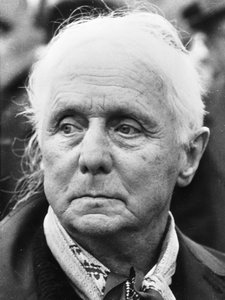
Макс Эрнст
1891 - 1976 , Германия
Основные сведения
- Artistic Movement Or Style: Дадаизм, Сюрреализм
- Artists Or Movements Influenced By This Artist:
- Сюрреализм
- Дада
- Artists Who Influenced This Artist:
- Пабло Пикассо
- Винсент Ван Гог
- Поль Гоген
- Джорджо де Кирико
- Date Of Birth: 1 апреля 1891 г.
- Date Of Death: 1 апреля 1976 г.
- Full Name: Макс Эрнст
- Nationality: Немецко-американский, француз
- Notable Artworks (List Of Titles):
- Ofrenda funeraria
- The Equivocal Woman
- L'Ange du foyer
- Place Of Birth (City And Country): Брюль, Германия


