

 Примерить в интерьере
 Отправить
 Поделиться
 Подробнее
 Руководство

 Скачать
 Похожие объекты
 Рентгенография
 Слайд-шоу
 Статистика
Date palm
 Oil On Canvas
- WallArt
- Naive Primitivism Landscape
 1911
1911- 19th Century
 106.0 x 71.0 cm
 Развернуть текст
Произведение искусства, представленное на этой странице, защищено законом об авторском праве, что исключает возможность законного создания или продажи его точной репродукции. Данная защита обеспечивается международными соглашениями, такими как Бернская конвенция и национальным законодательством, включая положения, изложенные в Закон США об авторском праве — Раздел 17.
В качестве достойной и законной альтернативы мы предлагаем авторские картины ручной работы, вдохновленные оригиналом. Наши опытные профессиональные художники тщательно изучают стиль, настроение и художественную суть оригинала, чтобы создать новое, уникальное произведение, которое вызывает те же чувства, оставаясь при этом самостоятельным оригинальным творением.
Этот метод полностью соответствует нормам авторского права, так как он не предполагает копирования или дублирования защищенного произведения. Напротив, это творческая реинтерпретация — создание новой картины, которая вдохновлена оригиналом, но не является его точной копией.
Масляная репродукция ручной работы
Картина маслом на холсте в выбранном вами размере и раме, написанная на заказ нашими художниками. ( Переключиться на печать Перейти к цифровым изображениям)




P118B $10

P118H $10

P118W $10

P438Z $10

P508JH $12

P508YH $12

P805H $10

P805Z $10

P919BZ $10

P919G $10

P919XJ $10

P959ZH $10

P968JZ $12

W106C $8

W218G $10

W218JH $8

W218Y $10

W307PJ $10

W316G $10

W316PJ $8

W316Y $10

W398PJ $8

W4111J $10

W500HY $15

W500JH $15

W692G $12

W849H $8

W940BG $15

W953PJ $8




Выберите один из наших стандартных размеров, соответствующих оригинальным пропорциям произведения искусства.

Введите необходимую ширину и высоту, чтобы репродукция подошла к вашей раме или стене. Поскольку работа выполняется вручную, при изменении пропорций художник может немного увеличить область вокруг картины или, наоборот, обрезать края — выбор за вами. Перед началом работы мы пришлем вам цифровой макет на утверждение. Изображение на этой странице не является точным результатом — увидеть реальный вид можно только на макете.
После оформления заказа команда OriginalUniqueArt.com свяжется с клиентом по электронной почте для уточнения деталей и предоставит предварительный макет
Доставка по всему миру () за 3–4 недели вместо стандартных 5 недель. (25 Октябрь). Без компромиссов в качестве.

Бесплатная экспресс-доставка по всему миру

Высококачественный льняной холст

Полное страхование при транспортировке

Гарантия возврата таможенных пошлин

Гарантия точного цветового соответствия

100-дневный период возврата (только при обнаружении дефектов)

Гарантия возврата 100% средств

Скидка при заказе нескольких работ
 Вариант со стеклом доступен только для размеров менее 110 см

Date palm
Материал репродукции
Размер репродукции
-


Итоговая стоимость
$ 300
Martiros Saryan’s ‘Date Palm’: A Window into Armenian Soul
Martiros Saryan's "Date Palm," painted in 1911, is more than just a depiction of a tranquil beach scene; it’s a profound expression of the artist’s deep connection to his homeland and a masterful example of Naive Art. Created during a period of significant artistic experimentation – particularly within the burgeoning Fauvist movement – Saryan's work transcends mere representation, offering instead an intensely felt experience of light, color, and human interaction. The painting immediately draws the eye to the central palm tree, a monumental presence rendered with bold, confident brushstrokes that convey both strength and serenity. This isn’t simply a landscape; it’s a distillation of Armenian life, imbued with a sense of timelessness and quiet joy.
A Symphony of Color and Technique
Saryan's technique is immediately recognizable – characterized by vibrant, unmixed colors applied with energetic, almost impulsive strokes. The use of tempera lends a unique textural quality to the work, creating a palpable sense of warmth and immediacy. Notice how he builds up layers of color, particularly in the foliage of the palm tree, achieving an astonishing level of detail despite the painting’s overall stylistic simplicity. The composition is deliberately unbalanced, contributing to the artwork's raw emotional power. The figures beneath the tree are not meticulously rendered but rather suggested through loose forms and expressive gestures, further emphasizing the Naive Art influence.
Historical Context and Artistic Roots
"Date Palm" was created in a pivotal moment for Armenian art. Martiros Saryan emerged as a leading voice within a generation of artists seeking to define a distinctly Armenian artistic identity after decades of turmoil and displacement. Born in 1880 in Novaya Nakhichevan (now Russia), Saryan’s upbringing profoundly shaped his artistic vision. His early training from his brother, Hovhannes, instilled a deep appreciation for the natural world and traditional folk art forms. This foundation, combined with his exposure to European modernism – particularly Fauvism – allowed him to forge a unique style that was both deeply rooted in Armenian tradition and open to new influences. The painting reflects this synthesis perfectly.
Symbolism and Emotional Resonance
The date palm itself holds significant symbolic weight, representing resilience, longevity, and prosperity—themes central to Armenian culture. The figures seated beneath its shade evoke a sense of community, relaxation, and connection with nature. The inclusion of a dog adds an element of domesticity and warmth, further enhancing the painting’s inviting atmosphere. Saryan masterfully captures not just a visual scene but also the emotional essence of a moment – a shared experience of tranquility and contentment. The overall effect is one of profound peace and optimism, qualities that resonate deeply with viewers even today.
- Artist: martiros sarian
- Date: 1911
- Size: 106 x 71 cm
- Medium: Tempera
- Style: Naive Art / Primitivism, Fauvism
Вопросы и ответы
Какое место занимает «Date palm», Мартирос Сарян в истории искусства?
«Date palm», Мартирос Сарян относится к направлению Naive Primitivism Landscape, характерному для эпохи 19th Century. Вместе они определяют место этого произведения в истории искусства.
Как в произведении «Date palm» сбалансированы свет и тень?
Общая яркость произведения «Date palm» составляет balanced, а его светлота — Gentle Luminance.
Насколько гармоничны цвета в работе «Date palm», Мартирос Сарян?
Цвета в работе «Date palm», Мартирос Сарян демонстрируют Discordant Palette гармонию. Гармония описывает взаимосвязь цветов между собой.
Биография художника
Martiros Saryan: The Soul of Armenia Painted
Martiros Saryan, a name now inextricably linked to the vibrant heart and enduring beauty of Armenian landscape and portraiture, was far more than simply an artist; he was a profound conduit for his nation’s identity, its spirit, and its memories. Born in 1880 in Nakhichevan-on-Don – a region that today resides within Russia – Saryan's life unfolded as a remarkable odyssey of artistic training, international exploration, and ultimately, an unwavering commitment to capturing the very essence of Armenia through his brush. His work stands not merely as depictions of scenery, but as deeply felt expressions of Armenian culture, resilience, and the profound connection between artist and homeland.
Saryan’s early years were shaped by a unique upbringing rooted in rural simplicity. Raised within a small village community, he received his initial artistic guidance from his elder brother, Hovhannes Saryan – a skilled teacher who instilled within him not just technical proficiency but also an abiding love for drawing and painting. This foundational training, supplemented by formal studies at the prestigious Moscow School of Arts – including invaluable workshops led by the esteemed Valentin Serov and Konstantin Korovin – provided him with a robust artistic base while simultaneously exposing him to the burgeoning currents of Post-Impressionism. The evocative styles of Paul Gauguin and Henri Matisse proved particularly influential, shaping his approach to color palettes, compositional dynamics, and the expressive potential inherent within brushwork itself. These encounters weren’t merely academic; they ignited a desire to translate the emotional resonance of these movements into the specific context of Armenian art.
A pivotal moment in Saryan's artistic trajectory arrived in 1901 with his first journey to Armenia – a visit that would irrevocably alter the course of his life and work. This initial encounter sparked within him an unshakeable dedication to portraying his homeland with unparalleled honesty and passion. He spent countless hours traversing the diverse landscapes of Armenia, from the rugged, imposing peaks of Lori to the fertile plains of Shirak, the ancient monasteries nestled along the banks of Lake Sevan, and the historic cities steeped in centuries of tradition. These travels weren’t simply sightseeing expeditions; they were immersive experiences that fueled his artistic vision, inspiring him to meticulously document the beauty and character of each region through a series of breathtaking landscapes. Works such as “Makravank” (1902), “Aragats” (1902), and “Buffalo at Sevan” (1903) quickly garnered critical acclaim in Moscow, not just for their technical skill but also for the palpable sense of place they conveyed – a feeling that Saryan had truly captured the soul of Armenia.
Following his initial visit, Saryan embarked on a period of extensive travel throughout Turkey, Egypt, and Iran during the early years of the 20th century. These journeys broadened his artistic horizons, exposing him to diverse cultural influences and enriching his palette with new colors and techniques. However, it was his return to Armenia in 1915 – a time marked by immense suffering and displacement due to the Armenian Genocide – that proved to be a transformative moment. Witnessing firsthand the devastation inflicted upon his people ignited within him an even greater urgency to document and preserve the memory of Armenia through his art. He dedicated himself to assisting refugees, providing solace and hope through his paintings, and creating works that served as poignant reminders of their lost homeland and its enduring spirit. This period yielded some of his most profoundly moving creations – pieces like “Burning Heat with a Dog Running” (1916), which powerfully captures the raw emotion of displacement and resilience, and “Evening in the Garden” (1903), a serene depiction of an Armenian village bathed in the golden light of dusk. These works are not simply landscapes; they are windows into the heart of Armenian experience.
The tumultuous years following World War I presented significant challenges for Saryan, but he remained steadfast in his artistic pursuits. He navigated the complexities of Soviet Armenia, continuing to paint landscapes, portraits, and scenes from everyday Armenian life. He played a crucial role in establishing the Society of Armenian Artists in Tiflis (now Tbilisi), fostering a new generation of artists and promoting Armenian art on an international stage. His design work for the elaborate curtain designs used in the Armenian State Theatre stands as a testament to his versatility and artistic vision, demonstrating his ability to seamlessly blend landscape painting with theatrical artistry. Throughout his career, Saryan consistently sought inspiration in nature, employing vibrant colors, dynamic brushstrokes, and a distinctive use of light to capture the essence of Armenia’s diverse landscapes – from the towering mountains to the tranquil shores of Lake Sevan.
Key Characteristics & Artistic Style
Saryan's artistic style is immediately recognizable by its bold palette, energetic brushwork, and deeply expressive use of color. He drew heavily upon the principles of Post-Impressionism, particularly the work of Paul Gauguin and Henri Matisse, incorporating elements of Fauvism into his landscapes. His paintings are often imbued with a sense of movement and vitality – achieved through dynamic compositions and loose, gestural brushstrokes that seem to capture the very essence of life. He frequently depicted scenes from rural Armenian life – shepherds tending their flocks, villagers engaged in daily activities, and the majestic beauty of the Armenian countryside – not merely as visual representations but as imbued with a profound emotional resonance.
His portraits are equally compelling, revealing a remarkable sensitivity to human character. Saryan skillfully captured the essence of his subjects through expressive eyes, subtle gestures, and a masterful understanding of light and shadow. He wasn’t simply rendering likenesses; he was conveying inner lives, emotions, and personalities with remarkable depth and insight.
Major Works & Recognition
Among Saryan's most celebrated works are:
- “Makravank” (1902): A vibrant depiction of the Makravank monastery, showcasing his mastery of color and composition.
- “Aragats” (1902): An iconic image of Mount Aragats, Armenia’s highest peak, symbolizing strength and resilience.
- “Buffalo at Sevan” (1903): A dynamic landscape capturing the beauty of Lake Sevan and its surrounding scenery.
- “Evening in the Garden” (1903): A serene portrayal of an Armenian village garden bathed in the golden light of dusk.
- “In the Armenian Village” (1903): A charming depiction of daily life in a traditional Armenian village.
Saryan’s artistic achievements were widely recognized throughout his career. He was awarded the title of “People’s Artist of the USSR” in 1960 and received numerous accolades, including the Lenin Prize and the Order of Lenin – recognizing his significant contributions to Armenian art and culture.
Historical Significance & Legacy
Martiros Saryan's contribution to Armenian art is profound and multifaceted. He played a pivotal role in establishing a distinctly Armenian style of painting, moving beyond traditional academic approaches and embracing a more expressive and emotionally resonant form of artistic expression. His work served as a powerful symbol of national identity during a period of significant political and social upheaval, capturing the spirit of Armenia and its people.
His unwavering dedication to portraying the beauty of his homeland, particularly in the face of adversity, has cemented his place as an enduring icon of Armenian culture. The Saryan Museum in Yerevan stands as a testament to his legacy, offering visitors a chance to immerse themselves in his world and appreciate the depth and richness of his artistic vision. Saryan’s influence continues to be felt by artists today, inspiring them to explore their own cultural heritage and create works that reflect the beauty and complexity of their respective nations.
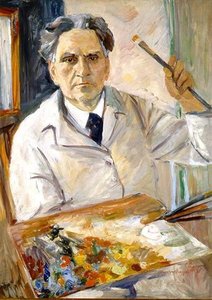
Мартирос Сарян
1880 - 1972 , Россия
Краткая справка
- Artistic Movement Or Style: Фовизм
- Artists Or Movements Influenced By This Artist: ['Голубая роза']
- Artists Who Influenced This Artist:
- Павел Гуггенхайм
- Антон Корвин
- Date Of Birth: 28 февраля 1880 г.
- Date Of Death: 5 мая 1972 г.
- Full Name: Martiros Saryan
- Nationality: Армянский
- Notable Artworks:
- Макраванк
- Арагац
- Бу falo
- Place Of Birth: Новая Нахичеван, Россия
Похожие статьи

The Untamed Vision: Exploring Naïve Art & Primitivism's Rejection of Convention
Explore the revolutionary world of Naïve Art & Primitivism! Discover how artists challenged academic traditions with raw emotion & unique styles. Learn about Picasso, Rousseau & more at OriginalUniqueArt.
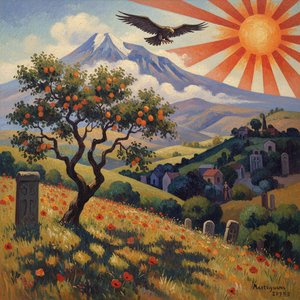
Martiros Saryan: A Revolutionary Vision of Armenian Identity Through Modernist Painting
Explore the revolutionary art of Martiros Saryan, founder of modern Armenian painting. Discover his vibrant landscapes, cultural impact & legacy at OriginalUniqueArt.com.

Echoes of Time: Exploring the Enduring Appeal & Historical Context of Vintage Art Prints
Explore the captivating world of vintage art prints! Discover their history, collecting tips & enduring appeal. Expert insights on chromolithography and building a legacy collection with OriginalUniqueArt.

The Enduring Legacy of Fine Art Prints: Technique, History & Aesthetic Impact
Explore the rich history & techniques of fine art prints. Discover investment potential, assess authenticity, and learn how to preserve your collection with expert guidance. Trusted insights for discerning collectors.

Giclée Prints: Archival Quality & Aesthetic Nuances for the Discerning Collector
Explore the world of giclée prints with OriginalUniqueArt. Learn about archival quality, aesthetic nuances & investment potential. Expert guidance for discerning art collectors seeking museum-quality reproductions and lasting value.