Color Field Painting · 1955
Untitled (Марк Ротко, 1955)
Марк Ротко (1903–1970) создал(а) Untitled. Создано в 1955. Относится к направлению Color Field Painting. Выполнено в технике Oil On Canvas. Размер: 268 × 236 cm
- 1955
- Oil On Canvas
- 268 × 236 cm

 Предпросмотр

 Картина маслом ручной работы
 Поделиться
 Поделиться
 Информационный лист


 Скачать
 Похожие предметы
 Рентгенография
 Слайд-шоу
 Вопросы и ответы

 Статистика просмотров
Untitled вкратце
- Название
- Untitled
- Автор
- Марк Ротко (1903–1970)
- Дата рождения художника
- Даугавпилс, Латвия
- Дата
- 1955
- Техника
- Oil On Canvas
- Размеры
- 268 × 236 cm
- Движение
- Color Field Painting
- Период
- Modern
- Сюжет
- minimalism, color harmony, emotional depth, geometric form, existentialism, red square
Что изображено на Untitled?
A Study in Somber Hue: The Emotional Depth of Rothko’s Untitled
Mark Rothko's "Untitled," completed in 1955, stands as a cornerstone of Color Field painting and embodies the anxieties of its time—a testament to both personal trauma and the broader existential concerns that gripped mid-century artistic discourse. Measuring an impressive 268 x 236 cm, this canvas immediately commands attention with its deceptively simple composition: a bold red square bisected by black borders. Yet, within this apparent minimalism lies a depth of emotion and intellectual rigor that continues to fascinate scholars and collectors alike. The painting presents a powerful encounter where the viewer is met with a striking visual drama, as the stark, deep black borders act as an infinite void, pushing the luminous red form toward the foreground.
The genesis of this work is deeply rooted in Rothko’s own history, shaped by the turbulent backdrop of his early life in Latvia and the subsequent cultural shifts following his relocation to Portland, Oregon. Witnessing firsthand the horrors of pogroms instilled within him an unwavering empathy for human suffering—a sensibility that would permeate his entire oeuvre. These experiences fueled a lifelong preoccupation with themes of mortality, trauma, and the elusive quest for meaning, finding eloquent expression in this rejection of traditional representational conventions. Through this piece, Rothko moves away from the figurative to seek instead a way to express universal human emotions through the potent language of color.
Technique, Symbolism, and the Language of Color
Rothko’s method was deliberately reductive, prioritizing color over form to achieve his signature effect. He achieved this through layering thin washes of pigment onto linen canvases, building up translucent blocks of color to create luminous rectangles that appear to bleed into one another. This technique—described by Rothko himself as “painting with feeling”—was painstakingly executed, demanding immense patience and precision. The black borders serve not merely as framing elements but as crucial components of the visual experience, intensifying the colors and creating a sense of enclosure that contributes to the painting’s contemplative atmosphere.
The deliberate choice of red and black is laden with profound symbolic significance. Rothko consistently employed these hues to convey intense emotional states—passion, grief, and despair—without resorting to explicit imagery. Red, often associated with vitality and primal instinct, represents the vibrancy of life’s energy, while simultaneously hinting at its vulnerability and eventual demise. Conversely, black embodies darkness, silence, and the inevitability of death. The juxtaposition of these colors within the square creates a dynamic tension that mirrors the complexities of human existence. For the discerning collector or interior designer, this artwork offers a captivating focal point; its ability to command attention through monochromatic intensity while maintaining a soft, inviting atmosphere makes it an ideal centerpiece for spaces designed for reflection, luxury, or quiet sophistication.
Изображения в высоком разрешении: Untitled
Protected by copyright: these files are for personal reference, not a licence to republish.
Марк Ротко, Untitled (1955).
Ответы на вопросы о Untitled
В каком году было создано произведение «Untitled»?
«Untitled» датируется 1955 годом. Эта дата позволяет определить место произведения в творчестве Марк Ротко и в контексте его эпохи.
В какой технике выполнено произведение «Untitled», Марк Ротко?
Для создания «Untitled» Марк Ротко использовал(а) технику Oil On Canvas. Эта техника определяет материальную природу оригинального произведения.
Каковы размеры оригинала «Untitled»?
Размер оригинала «Untitled», Марк Ротко составляет 268 x 236 cm.
Что изображено на картине «Untitled», Марк Ротко?
Темы, представленные в «Untitled», Марк Ротко, включают minimalism, color harmony, emotional depth, geometric form, existentialism, red square, abstraction. Вместе они раскрывают основной сюжет произведения.
Является ли произведение «Untitled» свободным от авторских прав?
Статус авторского права для «Untitled», Марк Ротко: произведение находится в находится под защитой авторского права. Это определяет, допускается ли свободное воспроизведение изображения.
Кто является автором работы «Untitled»?
Авторство работы «Untitled» приписывается Марк Ротко.
К какому художественному направлению относится «Untitled», Марк Ротко?
Художественное направление, к которому относится «Untitled», Марк Ротко, — это Color Field Painting. Такая классификация позволяет соотнести данную работу с другими произведениями и мастерами того же периода.
К какому периоду творчества Марк Ротко относится произведение «Untitled»?
«Untitled» относится к Mature Period в творчестве Марк Ротко. Данная классификация позволяет проследить развитие мастера.
Сколько лет было Марк Ротко, когда была создана работа "Untitled"?
Марк Ротко создал(а) «Untitled» в возрасте 52 лет. Художник родился в 1903, а датировка работы относится к 1955 году.
Об авторе, Марк Ротко

1903–1970, Латвия
Марк Ротко
Ранние годы Марка Ротко Марк Ротко родился в 1903 году под именем Маркус Яковлевич Роткович. Его родиной был Двинск, что в нынешних границах Латвии, город Даугавпилс. Его семья жила в пределах черты оседлости — в регионе, охваченном политическими потрясениями и постоянно маячившей тенью погромов. Эта атмосфера нестабильности сопровождала семью и после эмиграции в Соединенные Штаты в 1913 году.
Другие работы Марк Ротко
 Белое Сердце1950
 Но.1
 №61 (Ржавый и синий)1953
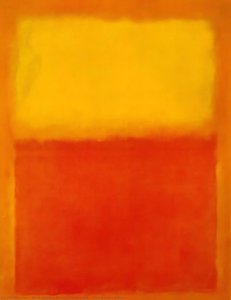 Оранжевый и желтый1956
Эссе к произведению Untitled
 The Architecture of Emotion: A Connoisseur’s Guide to the Chromatic Sublimity of Mark RothkoExplore the profound emotional landscapes of Mark Rothko. An expert editorial on Color Field painting, decoding the spiritual depth, techni…
 Марк Ротко: 25 шедевров абстрактного экспрессионизма для вашего интерьера | OriginalUniqueArtПогрузитесь в мир Марка Ротко! 25 шедевров абстрактного экспрессионизма, полных эмоций и цвета. Узнайте историю создания культовых картин и…
 Color Fields of Calm: Transform Luxury Interiors with Minimalist Masterpiece ReproductionsElevate your luxury interiors with museum-quality Mark Rothko reproductions. Discover how hand-painted Color Field masterpieces bring profo…