Abstract Expressionism · 1947
Untitled (Марк Ротко, 1947)
Марк Ротко (1903–1970) создал(а) Untitled. Создано в 1947. Относится к направлению Abstract Expressionism. Выполнено в технике Acrylic On Canvas. Размер: 96 × 53 cm
- 1947
- Acrylic On Canvas
- 96 × 53 cm

 Предпросмотр

 Картина маслом ручной работы
 Поделиться
 Поделиться
 Информационный лист


 Скачать
 Похожие предметы
 Рентгенография
 Слайд-шоу
 Вопросы и ответы

 Статистика просмотров
Untitled вкратце
- Название
- Untitled
- Автор
- Марк Ротко (1903–1970)
- Дата рождения художника
- Даугавпилс, Латвия
- Дата
- 1947
- Техника
- Acrylic On Canvas
- Размеры
- 96 × 53 cm
- Движение
- Abstract Expressionism
- Период
- Modern
- Сюжет
- abstract, color field, emotion, tranquility, depth, layered
Что изображено на Untitled?
A Window into the Soul: Exploring Mark Rothko’s 1947 Untitled Painting
This captivating work by Mark Rothko, created in 1947, exemplifies a pivotal moment in the artist's transition towards his signature Color Field style. Measuring 96 x 53 cm, this painting isn’t about *what* it depicts, but rather *how* it makes you feel – a hallmark of Abstract Expressionism and Rothko’s enduring legacy.Style & Technique: Gestural Abstraction and the Birth of Color Fields
The artwork is deeply rooted in Abstract Expressionism, specifically leaning towards gestural abstraction. Unlike purely abstract works that might emphasize geometric forms, this piece showcases a fluidity and spontaneity achieved through loose brushstrokes and washes of color. Rothko masterfully employs a wet-on-wet blending technique, allowing hues to seamlessly merge and create atmospheric depth. While reminiscent of the later, more defined Color Field paintings – like his iconic series of stacked rectangles – this 1947 work retains a greater textural variation, hinting at the emotional turmoil and experimentation that characterized his artistic evolution. The layering of paint creates a sense of movement within the composition, drawing the eye upwards through subtle shifts in tone and saturation.Historical Context: Post-War Emotion & Artistic Innovation
Created immediately after World War II, this painting reflects the anxieties and existential questioning prevalent during that era. Abstract Expressionism emerged as a response to the horrors of war, rejecting traditional representational art in favor of expressing raw emotion and subjective experience. Rothko, having immigrated from Latvia as a child, carried with him a sense of displacement and cultural shift which profoundly influenced his artistic vision. This period saw American artists seeking new ways to articulate universal human experiences – grief, hope, spirituality – through non-figurative forms.Symbolism & Emotional Resonance
While Rothko resisted explicit interpretations of his work, the painting undeniably evokes a powerful emotional response. The muted tones and lack of defined shapes contribute to a sense of tranquility tinged with melancholy. The amorphous, organic forms suggest hidden depths and invite introspection. It’s not about recognizing *something* in the painting; it's about allowing the colors and textures to resonate within you, prompting personal reflection. Rothko aimed to create paintings that were almost like spiritual experiences – spaces for contemplation and emotional release.Interior Design & Collecting Considerations
This piece, or a high-quality reproduction, would serve as a striking focal point in a modern or minimalist interior. Its subdued palette lends itself well to spaces seeking calm and sophistication. The vertical orientation makes it ideal for hallways or above seating areas. As an early example of Rothko’s evolving style, this work represents a significant investment for collectors interested in the development of Abstract Expressionism. It offers a glimpse into the artist's formative years and foreshadows the iconic Color Field paintings that would define his career.- Dimensions: 96 x 53 cm
- Date: 1947
- Style: Abstract Expressionism, Gestural Abstraction, Color Field (Proto)
- Materials: Likely oil or acrylic on canvas.
Изображения в высоком разрешении: Untitled
Protected by copyright: these files are for personal reference, not a licence to republish.
Марк Ротко, Untitled (1947).
Ответы на вопросы о Untitled
В каком году было создано произведение «Untitled», Марк Ротко?
«Untitled» датируется 1947 годом. Эта дата позволяет определить место произведения в творчестве Марк Ротко и в контексте его эпохи.
В какой технике выполнено произведение «Untitled»?
Для создания «Untitled» Марк Ротко использовал(а) технику Acrylic On Canvas. Эта техника определяет материальную природу оригинального произведения.
Каковы размеры оригинала «Untitled»?
Размеры оригинала «Untitled», Марк Ротко составляют 96 x 53 cm. Вы можете заказать репродукции в других размерах с сохранением тех же пропорций.
Что изображено на картине «Untitled»?
На полотне «Untitled», Марк Ротко изображены: abstract, color field, emotion, tranquility, depth, layered, atmospheric, rothko.
Находится ли изображение «Untitled», Марк Ротко в общественном достоянии?
Статус авторского права для «Untitled», Марк Ротко: произведение находится в находится под защитой авторского права. Это определяет, допускается ли свободное воспроизведение изображения.
Кто является автором работы «Untitled»?
Авторство работы «Untitled» приписывается Марк Ротко.
К какому стилю относится «Untitled»?
Художественное направление, к которому относится «Untitled», Марк Ротко, — это Abstract Expressionism. Такая классификация позволяет соотнести данную работу с другими произведениями и мастерами того же периода.
К какому периоду творчества Марк Ротко относится произведение «Untitled»?
«Untitled» относится к Mature Period художника Марк Ротко.
В каком возрасте Марк Ротко создал(а) «Untitled»?
Когда в 1947 году было создано произведение «Untitled», художнику Марк Ротко (родившемуся в 1903) было 44 лет.
Об авторе, Марк Ротко

1903–1970, Латвия
Марк Ротко
Ранние годы Марка Ротко Марк Ротко родился в 1903 году под именем Маркус Яковлевич Роткович. Его родиной был Двинск, что в нынешних границах Латвии, город Даугавпилс. Его семья жила в пределах черты оседлости — в регионе, охваченном политическими потрясениями и постоянно маячившей тенью погромов. Эта атмосфера нестабильности сопровождала семью и после эмиграции в Соединенные Штаты в 1913 году.
Другие работы Марк Ротко
 Белое Сердце1950
 Но.1
 №61 (Ржавый и синий)1953
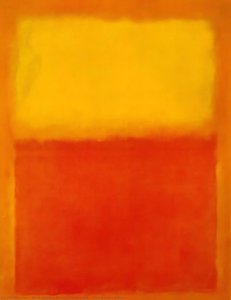 Оранжевый и желтый1956
Эссе к произведению Untitled
 Трио полотен: Эмоциональный выбор и самовыражение в искусстве репродукцийВыберите идеальную репродукцию картины для вашего интерьера! Ручная работа, кастомизация размера и стиля. Высокое качество, экспертные конс…
 Марк Ротко: 25 шедевров абстрактного экспрессионизма для вашего интерьера | OriginalUniqueArtПогрузитесь в мир Марка Ротко! 25 шедевров абстрактного экспрессионизма, полных эмоций и цвета. Узнайте историю создания культовых картин и…
 The Architecture of Emotion: A Connoisseur’s Guide to the Chromatic Sublimity of Mark RothkoExplore the profound emotional landscapes of Mark Rothko. An expert editorial on Color Field painting, decoding the spiritual depth, techni…