Color Field · 1964
No. 5 (Марк Ротко, 1964)
Марк Ротко (1903–1970) создал(а) No. 5. Создано в 1964. Относится к направлению Color Field. Выполнено в технике Acrylic On Canvas. Размер: 206 × 196 cm
- 1964
- Acrylic On Canvas
- 206 × 196 cm

 Предпросмотр

 Картина маслом ручной работы
 Поделиться
 Поделиться
 Информационный лист


 Скачать
 Похожие предметы
 Рентгенография
 Слайд-шоу
 Вопросы и ответы

 Статистика просмотров
No. 5 вкратце
- Название
- No. 5
- Автор
- Марк Ротко (1903–1970)
- Дата рождения художника
- Даугавпилс, Латвия
- Дата
- 1964
- Техника
- Acrylic On Canvas
- Размеры
- 206 × 196 cm
- Движение
- Color Field
- Период
- Modern
- Сюжет
- rothko, abstract, color field, square, black and white, canvas
Что изображено на No. 5?
Mark Rothko’s ‘No. 5’: A Meditation on Darkness and Absence
Mark Rothko's "No. 5," painted in 1964, is not merely a canvas filled with color; it’s an intensely personal and profoundly moving exploration of human emotion and the weight of existence. This monumental work, measuring 206 x 196 cm, exemplifies Rothko’s signature style – large-scale rectangular blocks of saturated color that seem to bleed into one another, creating a hypnotic effect on the viewer. The painting's stark simplicity—a vast, dark square dominating the composition—immediately confronts us with an unsettling void, prompting contemplation about mortality, isolation, and the fundamental questions of human experience.
The Genesis of Color Field Painting
Created during a pivotal moment in art history, "No. 5" is inextricably linked to the rise of Color Field painting in the mid-20th century. Rothko, along with artists like Barnett Newman and Clyfford Still, rejected traditional representational forms, seeking instead to express profound emotional states through pure color. Influenced by Abstract Expressionism’s emphasis on subjective experience, Rothko developed a technique that involved layering thin washes of acrylic paint, allowing the colors to subtly shift and merge under layers of varnish. This process created an almost sculptural quality, emphasizing the materiality of the canvas itself.
Symbolic Weight and Existential Themes
Born in 1903 in Daugavpils, Latvia (then part of the Russian Empire), Mark Rothko’s life was marked by displacement and loss – experiences that deeply informed his artistic vision. The painting's dark square can be interpreted as a visual representation of this sense of void, reflecting the anxieties and uncertainties inherent in the human condition. Some scholars suggest the work is an exploration of trauma, referencing Rothko's own difficult childhood and the pervasive atmosphere of fear and instability he experienced growing up within a Jewish family during times of political unrest. The sheer scale of the canvas amplifies this feeling, enveloping the viewer in a space of quiet contemplation.
Technique and Emotional Impact
"No. 5" is a testament to Rothko’s mastery of color and texture. The subtle gradations within the dark blocks, achieved through meticulous layering and blending, create an illusion of depth and movement. The photograph captures this intricate detail perfectly, revealing the artist's deliberate control over light and shadow. The painting’s impact isn’t about visual spectacle; it’s about a deeply felt emotional response. Rothko aimed to evoke a sense of awe and vulnerability in the viewer, inviting them to confront their own mortality and grapple with the complexities of human existence. This reproduction offers an unparalleled opportunity to experience the power and beauty of this iconic work firsthand.
Изображения в высоком разрешении: No. 5
Protected by copyright: these files are for personal reference, not a licence to republish.
Марк Ротко, No. 5 (1964).
Ответы на вопросы о No. 5
В каком году было создано произведение «No. 5», Марк Ротко?
«No. 5», Марк Ротко был создан в 1964 году.
В какой технике выполнено произведение «No. 5», Марк Ротко?
Для создания «No. 5» Марк Ротко использовал(а) технику Acrylic On Canvas. Эта техника определяет материальную природу оригинального произведения.
Каковы размеры оригинала «No. 5», Марк Ротко?
Размер оригинала «No. 5», Марк Ротко составляет 206 x 196 cm.
Что изображено на картине «No. 5», Марк Ротко?
Темы, представленные в «No. 5», Марк Ротко, включают rothko, abstract, color field, square, black and white, canvas, mark rothko. Вместе они раскрывают основной сюжет произведения.
Является ли произведение «No. 5» свободным от авторских прав?
Статус авторского права для «No. 5», Марк Ротко: произведение находится в находится под защитой авторского права. Это определяет, допускается ли свободное воспроизведение изображения.
Какому художнику приписывают работу «No. 5»?
Авторство работы «No. 5» приписывается Марк Ротко.
К какому художественному направлению относится «No. 5», Марк Ротко?
Художественное направление, к которому относится «No. 5», Марк Ротко, — это Color Field. Такая классификация позволяет соотнести данную работу с другими произведениями и мастерами того же периода.
К какому периоду творчества Марк Ротко относится произведение «No. 5»?
В творческом наследии Марк Ротко работа «No. 5» относится к периоду Mature Period. Этот этап позволяет сопоставить её с другими произведениями художника.
Сколько лет было Марк Ротко, когда была создана работа "No. 5"?
Марк Ротко было 61 лет, когда в 1964 году была создана работа "No. 5". Возраст рассчитан на основе года рождения художника, 1903.
Об авторе, Марк Ротко

1903–1970, Латвия
Марк Ротко
Ранние годы Марка Ротко Марк Ротко родился в 1903 году под именем Маркус Яковлевич Роткович. Его родиной был Двинск, что в нынешних границах Латвии, город Даугавпилс. Его семья жила в пределах черты оседлости — в регионе, охваченном политическими потрясениями и постоянно маячившей тенью погромов. Эта атмосфера нестабильности сопровождала семью и после эмиграции в Соединенные Штаты в 1913 году.
Другие работы Марк Ротко
 Белое Сердце1950
 Но.1
 №61 (Ржавый и синий)1953
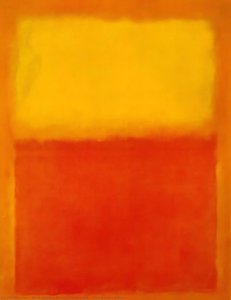 Оранжевый и желтый1956
Эссе к произведению No. 5
 Color Fields of Calm: Transform Luxury Interiors with Minimalist Masterpiece ReproductionsElevate your luxury interiors with museum-quality Mark Rothko reproductions. Discover how hand-painted Color Field masterpieces bring profo…
 The Soul of Color: Exploring the Emotional Depth and Existential Resonance of Mark Rothko's MasterpiecesImmerse yourself in the profound emotional landscapes of Mark Rothko. Explore how his revolutionary Color Field paintings use pure pigment …
 Марк Ротко: 25 шедевров абстрактного экспрессионизма для вашего интерьера | OriginalUniqueArtПогрузитесь в мир Марка Ротко! 25 шедевров абстрактного экспрессионизма, полных эмоций и цвета. Узнайте историю создания культовых картин и…