

 Примерить в интерьере
 Отправить
 Поделиться
 Подробнее
 Руководство

 Скачать
 Похожие объекты
 Рентгенография
 Слайд-шоу
 Q&A
Q&A Статистика
St Jerome
 Oil On Panel
- WallArt
- Northern Renaissance
 1547
1547- Renaissance
 80.0 x 108.0 cm
 Музей Прадо
 Развернуть текст
Получите файл, готовый к печати, качество которого значительно превосходит веб-превью. Каждое цифровое изображение в нашем каталоге создано на основе мастер-файла высокого разрешения — обычно шириной от 5 000 до 15 000 пикселей, — что позволяет вам уверенно печатать работы большого формата, использовать кадрирование или воспроизводить мельчайшие детали.
Ни один файл не покидает нашу студию без обработки. Эксперт по цифровой ретуши сверяет цвета с оригинальной картиной и при необходимости корректирует их, после чего повышает четкость и детализацию с помощью профессиональных инструментов — неизменно сохраняя верность мазкам кисти и стилю автора. В результате получается изображение, которое выглядит как подлинная живопись, а не как отсканированный снимок с наложенными фильтрами.
Вы одобряете результат до завершения заказа: наш эксперт отправит изображение по электронной почте в течение 72 часов для вашего ознакомления. Не удовлетворены результатом? Попросите внести правки или исправления, либо запросите возврат средств, если качество не соответствует ожиданиям.
Именно на это качество полагаются издательства, дизайн-студии, галереи и типографии.
Цифровое изображение
Скачайте файл высокого разрешения для личного использования, печати и творческих проектов. ( Переключиться на печать Заказать репродукцию ручной работы)
Включено в каждый заказ цифровых изображений
Гарантия профессиональной цифровой доставки
Выбирая OriginalUniqueArt.com, вы получаете не просто изображение — вы приобретаете профессионально обработанное цифровое произведение искусства, созданное с безупречной точностью и под защитой гарантии качества. Вот всё, что автоматически входит в ваш заказ:

Быстрая доставка по e-mail
Ваш цифровой файл в высоком разрешении будет отправлен по электронной почте в течение 72 часов после оформления заказа и сразу станет доступен для использования.

Цифровой файл с ИИ-обработкой
Ваше произведение искусства проходит профессиональную оптимизацию с использованием передовых инструментов ИИ и ручной обработки, что гарантирует максимальную детализацию, четкость и точность цветопередачи.

Бессрочная бесплатная повторная отправка
Случайно удалили или потеряли файл? Не беспокойтесь — мы отправим его вам повторно в любое время и совершенно бесплатно.

Без импортных пошлин — навсегда
Наслаждайтесь вашим произведением искусства мгновенно без таможенных пошлин, сборов или затрат на доставку — цифровые загрузки всегда не облагаются налогом.

Гарантия точности цветопередачи
Мы гарантируем максимально точное соответствие цифрового изображения оригиналу благодаря использованию профессиональных инструментов и систем управления цветом.

Гарантия удовлетворенности 100 дней
Если вы не будете удовлетворены своим цифровым изображением, мы внесем правки или вернем 100% стоимости в течение 100 дней — без лишних вопросов.

100% Гарантия возврата средств
Не удовлетворены покупкой? Мы вернем вам полную стоимость в течение 100 дней после получения цифрового файла — без лишних вопросов.

Скидки на оптовые заказы
Купите 3 изображения — скидка 10%; купите 5 — скидка 15%; от 10 изображений — скидка 20%. Отличное решение для творческих проектов, галерей и агентств.
A Sanctuary of Silent Wisdom
In the quiet, contemplative depths of Marinus van Reymerswaele’s St Jerome, we are invited into a world where the pursuit of divine knowledge meets the heavy reality of human existence. Completed around 1547, this oil-on-panel masterpiece serves as a profound window into the Northern Renaissance—a period defined by an almost obsessive devotion to detail and a deep-seated fascination with the symbolic language of everyday objects. The painting captures the saint not merely as a historical figure, but as an emblem of intellectual piety, embodying the humanist ideals that were reshaping Europe during the Reformation era.
The scene is anchored by the central figure of St Jerome, an elderly scholar whose weathered face and long, flowing beard speak of decades spent in rigorous study. Draped in a richly textured crimson robe—a hue that signifies his ecclesiastical dignity as a cardinal or bishop—he sits at a desk that serves as a stage for profound theological reflection. The atmosphere is one of heavy, scholarly stillness, where the only movement is the soft stream of natural light entering from an upper corner, casting gentle shadows that heighten the sense of tranquil isolation.
The Language of Symbols and Mortality
Every object meticulously placed upon the desk by Reymerswaele serves as a silent narrator, contributing to a complex tapestry of meaning. At the heart of the composition lies an open book, its illuminated text hinting at Jerome’s monumental task: the translation of the Bible into Latin. This act of scholarship was pivotal in shaping Christian theology, and the artist renders the parchment with such tactile accuracy that one can almost feel the weight of the history contained within those pages.
Yet, amidst this celebration of intellect, a somber reminder of our shared fate rests near the book: a skull. This memento mori—a classic Renaissance motif—serves as a poignant counterpoint to the scholarly pursuits, reminding the viewer of the ephemeral nature of earthly life and the inevitability of death. Other carefully positioned tools, such as a pair of compasses symbolizing the navigation toward divine truth and a quill pen representing the power of intellectual discourse, further enrich the scene. Through these symbols, Reymerswaele transforms a simple study into a profound meditation on the balance between worldly learning and spiritual preparation.
A Masterpiece for the Discerning Collector
Technically, the painting is a triumph of Northern Renaissance realism. Reymerswaele’s ability to capture the varied textures of heavy fabric, aged wood, and cold bone is nothing short of remarkable. His expressive brushwork, blended with a subdued palette of earth tones, creates a solemn and immersive atmosphere that draws the viewer into the saint's private sanctuary. The subtle modeling of forms and the interplay of light and shadow provide a depth that makes the composition feel remarkably alive.
For the art lover or interior designer, a high-quality reproduction of St Jerome offers more than just aesthetic beauty; it brings a sense of historical gravity and intellectual depth to any space. Whether placed in a private library, a study, or a sophisticated living area, this artwork acts as a focal point for contemplation. It is a piece that invites conversation, offering a window into a time when faith and reason were inextricably intertwined, making it an enduring choice for those seeking to surround themselves with art that possesses both soul and substance.
Вопросы и ответы
К какому виду произведений искусства относится «St Jerome», Маринус Ван Реймерсваэле?
Произведение «St Jerome», Маринус Ван Реймерсваэле классифицируется как WallArt. Данная категория определяет тип оригинального произведения искусства.
Какова насыщенность цветов в работе «St Jerome», Маринус Ван Реймерсваэле?
Цвета в работе «St Jerome», Маринус Ван Реймерсваэле обладают Subtle Color насыщенностью. Насыщенность определяет, насколько яркими или приглушенными являются цвета.
Каковы размеры оригинала «St Jerome», Маринус Ван Реймерсваэле?
Зафиксированные размеры работы «St Jerome», Маринус Ван Реймерсваэле составляют 80 x 108 cm. Вы можете заказать репродукции в других размерах с сохранением тех же пропорций.
Биография художника
The Enigmatic Master of Antwerp's Shadows
In the bustling, mercantile heart of the sixteenth-century Low Countries, a painter emerged whose brush captured the profound tension between spiritual devotion and worldly greed. Marinus van Reymerswaele, an artist whose very name evokes the coastal town of Reimerswaal where he was born, remains one of the most fascinating enigmas of the Dutch Renaissance. His life followed the typical trajectory of a skilled craftsman; after studying in Leuven, he found professional footing within the prestigious Antwerp Guild of Saint Luke. Registered as a pupil of the glass painter Symon van Daele, Reymerswaele possessed an eye for detail and light that would later define his mastery of texture and atmosphere.
As he established himself in Antwerp, the epicenter of European trade, his work began to mirror the city's own complex identity. He operated a prolific workshop, a bustling studio capable of producing numerous versions of his most celebrated themes. This industriousness allowed his specific visual language—a blend of meticulous realism and biting social commentary—to permeate the collections of the era. His paintings did not merely depict scenes; they staged moral dramas that reflected the anxieties of an era caught between medieval piety and the rising tide of capitalism.
A Gallery of Greed and Grace
To look upon a work attributed to Reymerswaele is to enter a space where the sacred and the profane collide. He was a master of a very specific, recurring iconography that captured the imagination of the sixteenth-century public. His compositions often centered on four pivotal themes that explored the human condition through various lenses:
- The intense study of St. Jerome, representing scholarly devotion and religious contemplation.
- The bustling activity of tax collectors, serving as a satirical commentary on greed and corruption.
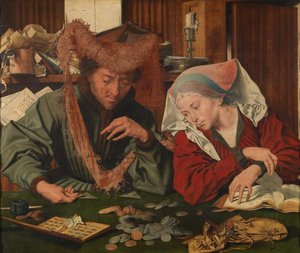
- A money changer and his wife, capturing the intersection of domestic life and commerce.
- The legal world, such as a lawyer in his office, reflecting the growing complexity of civic bureaucracy.
His masterpiece, Two Tax Gatherers, stands as a striking example of Northern Renaissance art. Through the use of oil on oak wood, he achieved a sense of depth and texture that brought his subjects to life. The painting serves as a vivid commentary on the corruption of tax officials, using the detailed depiction of clothing and surroundings to ground his satire in a recognizable reality. In these works, the heavy, old-fashioned garments of his characters add a layer of social critique, reminding the viewer of the era's shifting moral landscape.
Legacy and Artistic Influence
The stylistic development of Marinus van Reymerswaele shows the profound influence of the Antwerp painter Quentin Matsys. This connection helped shape his ability to blend elements of realism with a sharp, often caricatural sense of humor. His work is characterized by an attention to detail that allows the viewer to witness the minute textures of manuscripts, legal documents, and coins, all of which serve as symbols of the era's preoccupation with wealth and law.
While he worked extensively in Antwerp, his journey eventually led him back to the Northern Netherlands. After working in Antwerp until at least 1540, he moved to Goes, where his life reached its conclusion. Though many of his panels are known through attribution rather than signature, his impact on the genre scene remains undeniable. He left behind a visual legacy that continues to captivate, offering a profound glimpse into the mind of an artist grappling with faith, scholarship, and the ever-present shadows of human avarice.
Маринус Ван Реймерсваэле
1490 - 1546 , Нидерланды