Expressionism · 1915
Marching (Марк Захарович Шагал, 1915)
Марк Захарович Шагал (1887–1985) создал(а) Marching. Создано в 1915. Относится к направлению Expressionism. Выполнено в технике Acrylic On Canvas.
- 1915
- Acrylic On Canvas

 Предпросмотр

 Картина маслом ручной работы
 Поделиться
 Поделиться
 Руководство


 Скачать
 Похожие предметы
 Рентгенография
 Слайд-шоу
 Вопросы и ответы

 Статистика просмотров
Marching: основные сведения
- Название
- Marching
- Автор
- Марк Захарович Шагал (1887–1985)
- Дата рождения художника
- Лиозно, Беларусь
- Дата
- 1915
- Техника
- Acrylic On Canvas
- Движение
- Expressionism
- Сюжет
- uniform, roof, sky, clock, figures, folklore
Что изображено на Marching?
A Symphony of Color and Memory: Exploring Marc Chagall's "I Am Alone"
Marc Chagall’s “I Am Alone,” painted in 1915, isn’t merely a depiction of solitude; it’s an embodiment of existential angst rendered in the breathtaking language of Expressionism. Created during the turbulent years preceding World War I—a period marked by anxieties about national identity and impending conflict—the painting transcends its immediate historical context to speak to universal themes of isolation and longing. It's housed in the Musée d'Orsay, Paris, a testament to Chagall’s enduring influence on modern art.- Subject Matter: The canvas portrays a man standing alone on a rooftop amidst a swirling panorama of fantastical figures—a woman with outstretched arms, a child perched precariously on the edge of the roof, and several other stylized individuals drifting upwards into the heavens.
- Style: Chagall’s style is unmistakably Expressionist. Rejecting representational accuracy in favor of emotional intensity, he employs bold colors—primarily yellows, blues, and reds—to convey mood and feeling rather than to faithfully reproduce reality. The figures themselves are distorted and stylized, imbued with a dreamlike quality that defies logical interpretation.
Technique: Bold Brushstrokes and Layered Color
Chagall’s technique is characterized by thick, impasto brushstrokes—meaning the paint is applied in layers so thickly that it stands up prominently from the surface of the canvas. This textural approach contributes significantly to the painting's dramatic impact, creating a palpable sense of movement and conveying the artist’s emotional state directly onto the artwork. The colors are blended strategically to create luminous washes and vibrant accents, enhancing the overall visual richness.- Color Palette: The dominant hues—golden yellows symbolizing warmth and optimism juxtaposed with deep blues representing melancholy and uncertainty—are deliberately chosen to evoke specific emotions. Chagall’s masterful use of color underscores the painting's psychological depth.
- Composition: The rooftop setting serves as a focal point, anchoring the swirling figures and emphasizing the man’s isolation. The upward trajectory of the figures symbolizes aspiration but also hints at vulnerability—a yearning for connection amidst overwhelming circumstances.
Symbolism: Folklore and Existential Concerns
“I Am Alone” is replete with symbolic references drawn from Jewish folklore and Kabbalah—the mystical tradition of Judaism. The woman with outstretched arms represents compassion and maternal care, while the child symbolizes innocence and vulnerability. The swirling figures embody the chaotic forces of fate and the anxieties surrounding impending war. More broadly, the painting explores profound existential questions about human existence—questions concerning identity, purpose, and the inevitability of suffering.Ultimately, Chagall’s “I Am Alone” transcends its historical origins to resonate with viewers across generations. It's a hauntingly beautiful meditation on solitude, loss, and the enduring quest for meaning—a masterpiece that continues to inspire awe and provoke contemplation decades after its creation.
Marching в высоком разрешении

Авторское право защищено: изображение представлено только для ознакомления.
Другие размеры, фрагменты и цитирование →Марк Захарович Шагал, Marching (1915).
Вопросы о Marching
В каком году было создано произведение «Marching», Марк Захарович Шагал?
«Marching» датируется 1915 годом. Эта дата позволяет определить место произведения в творчестве Марк Захарович Шагал и в контексте его эпохи.
Какое настроение передает «Marching», Марк Захарович Шагал?
Передаваемое настроение работы «Marching», Марк Захарович Шагал — Romantic, а её эмоциональный тон — Melancholic.
Кто является автором работы «Marching»?
Авторство работы «Marching» приписывается Марк Захарович Шагал.
Какое место занимает «Marching» в творчестве Марк Захарович Шагал?
«Marching» относится к работам Марк Захарович Шагал в рамках направления Expressionism, ключевыми темами которого являются jewish folklore, surrealism dreams vitebsk symbolism chagall.
Можно ли предварительно просмотреть «Marching», Марк Захарович Шагал перед заказом?
Страница предварительного просмотра В интерьере произведения «Marching» позволяет ознакомиться с работой перед оформлением заказа.
Для каких целей рекомендуется использовать «Marching», Марк Захарович Шагал?
Рекомендуемый способ использования репродукции «Marching», Марк Захарович Шагал — Accent. Она также может служить для других целей.
Под какими еще именами известен Марк Захарович Шагал?
Марк Захарович Шагал также известен под именами Марк Шагал, Шагал Марк Захарович.
Цвета в работе «Marching», Марк Захарович Шагал яркие или приглушенные?
Цвета произведения «Marching», Марк Захарович Шагал отличаются Clear Color Presence насыщенностью и Vivid интенсивностью.
Есть ли справочная информация об «Marching», Марк Захарович Шагал для студентов?
Для произведения «Marching», Марк Захарович Шагал доступна страница Справочный материал: печатный информационный лист о произведении искусства, предназначенный для студентов и использования в учебном процессе.
Об авторе, Марк Захарович Шагал
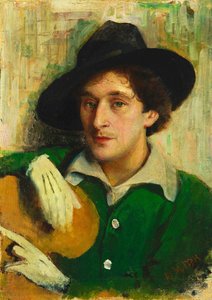
1887–1985, Беларусь
Марк Захарович Шагал
Ранние годы, семья и обучение Марк Шагал пришел в этот мир 7 июля 1887 года в Витебске, в Российской империи, под именем Моисей Сегал. Он стал первым из девяти детей в скромной еврейской семье, чья жизнь была подчинена размеренным ритмам тяжелого труда и мелкой торговли. Его отец, Хацкель Сегал, работал на складе, занимаясь засолкой сельди, а мать, Фейга-Ита Чернина, управляла небольшой бакалейной лавкой. Эти ранние годы глубоко укоренены в особой атмосфере провинциального городка, где границы его мира определялись нуждами большой семьи и незыблемыми традициями общины.
Об Марк Захарович Шагал Значимые работы Марк Захарович Шагал
Другие работы Марк Захарович Шагал
 Я и деревня1911
 Белое распятие1938
 День рождения1915
 Над городом1918
Эссе к произведению Marching
 The Language of Brushstrokes: How Artistic Technique Expresses Emotion and EraExplore the profound connection between artistic technique and emotion. From the heavy impasto of Van Gogh to classical mastery, learn how …
 Dreaming in Color: The 25 Most Iconic Masterpieces by Marc ChagallStep into the dreamlike world of Marc Chagall. Explore 25 iconic masterpieces, from vibrant surrealist tales to soulful folklore. Find insp…
 Marc Chagall’s Masterpieces: Exploring the Magic, Color, and Surrealist Legacy of a Modernist IconEmbark on a journey through the dreamlike masterpieces of Marc Chagall. Explore the profound symbolism and vibrant colors of this Surrealis…