

 Отправить
 Поделиться
 Подробнее
 Руководство

 Скачать
 Похожие объекты
 Слайд-шоу
 Статистика
The Last Formation


 Развернуть текст
Произведение искусства, представленное на этой странице, защищено законом об авторском праве, что исключает возможность законного создания или продажи его точной репродукции. Данная защита обеспечивается международными соглашениями, такими как Бернская конвенция и национальным законодательством, включая положения, изложенные в Закон США об авторском праве — Раздел 17.
В качестве достойной и законной альтернативы мы предлагаем авторские картины ручной работы, вдохновленные оригиналом. Наши опытные профессиональные художники тщательно изучают стиль, настроение и художественную суть оригинала, чтобы создать новое, уникальное произведение, которое вызывает те же чувства, оставаясь при этом самостоятельным оригинальным творением.
Этот метод полностью соответствует нормам авторского права, так как он не предполагает копирования или дублирования защищенного произведения. Напротив, это творческая реинтерпретация — создание новой картины, которая вдохновлена оригиналом, но не является его точной копией.
Масляная репродукция ручной работы
Картина маслом на холсте в выбранном вами размере и раме, написанная на заказ нашими художниками. ( Переключиться на печать Перейти к цифровым изображениям)




































Выберите один из наших стандартных размеров, соответствующих оригинальным пропорциям произведения искусства.

Введите необходимую ширину и высоту, чтобы репродукция подошла к вашей раме или стене. Поскольку работа выполняется вручную, при изменении пропорций художник может немного увеличить область вокруг картины или, наоборот, обрезать края — выбор за вами. Перед началом работы мы пришлем вам цифровой макет на утверждение. Изображение на этой странице не является точным результатом — увидеть реальный вид можно только на макете.
После оформления заказа команда OriginalUniqueArt.com свяжется с клиентом по электронной почте для уточнения деталей и предоставит предварительный макет
Доставка по всему миру () за 3–4 недели вместо стандартных 5 недель. (23 Октябрь). Без компромиссов в качестве.

Бесплатная экспресс-доставка по всему миру

Высококачественный льняной холст

Полное страхование при транспортировке

Гарантия возврата таможенных пошлин

Гарантия точного цветового соответствия

100-дневный период возврата (только при обнаружении дефектов)

Гарантия возврата 100% средств

Скидка при заказе нескольких работ
 Вариант со стеклом доступен только для размеров менее 110 см

The Last Formation
Материал репродукции
Размер репродукции
-


Итоговая стоимость
$ 300
A Sculptural Echo of the South
Lonnie Holley’s “The Last Formation,” a monumental assemblage sculpture created in 2017, isn't merely an artwork; it’s a visceral embodiment of Southern history and personal narrative. Emerging from the fertile ground of his childhood experiences – a patchwork existence marked by foster care, labor, and profound loss – Holley transforms discarded materials into a poignant meditation on memory, resilience, and the enduring spirit of Black communities in the American South. The sculpture’s genesis lies within the legacy of the Jim Crow era, a period defined by systemic oppression and deeply ingrained social inequalities, yet it simultaneously celebrates the strength and creativity born from adversity.
- Materials as Testimony: Holley's genius resides in his masterful manipulation of found objects. A weathered dressmaker’s form, its delicate seams hinting at a forgotten elegance, anchors the piece alongside a worn shoe support, evoking images of both domesticity and hardship. Scattered throughout are elements like a rusted water pump, a fragment of a quilt—a tangible representation of familial warmth and shared stories—and unsettlingly, gun grips, subtly referencing the violence that permeated Southern life.
- Assemblage as Storytelling: The technique itself – assemblage – is crucial to understanding Holley’s work. He doesn't simply arrange objects; he weaves them together to construct a narrative, layering symbolism and inviting viewers to actively participate in deciphering its meaning. Each element contributes to a larger tapestry of experience, reflecting the fragmented yet ultimately cohesive nature of memory.
Deconstructing Form: Symbolism and Context
“The Last Formation” operates on multiple symbolic levels. The dressmaker’s form, with its suggestion of a maternal figure, is powerfully linked to Holley's own childhood experiences – the loss of his mother and the enduring presence of familial bonds. The shoe supports, often associated with journeys and transitions, speak to the arduous path he has traversed. Crucially, the inclusion of gun grips serves as a stark reminder of the racial violence that shaped the landscape of the South, casting a shadow over the sculpture’s otherwise hopeful message. The piece is not simply about remembering; it's about confronting the past and acknowledging its lasting impact.
Historical Context:Holley’s work resonates deeply within the context of “Souls Grown Deep,” an exhibition that highlighted the rich artistic traditions emerging from Black communities in the American South following the Civil Rights Movement. This movement, fueled by decades of struggle and resistance, fostered a vibrant cultural landscape characterized by innovative forms of expression—and "The Last Formation" stands as a powerful testament to this legacy.
A Dialogue with Space: Form and Environment
The sculpture’s placement within the modern art gallery space significantly enhances its impact. The stark white pedestal, reminiscent of minimalist architecture, provides a grounding counterpoint to the chaotic energy of the assemblage itself. The exposed brick walls of the gallery—a nod to industrial heritage—further amplify the work's themes of repurposing and transformation. The reflection in the window, mirroring another sculpture within the space, creates a sense of interconnectedness, suggesting that Holley’s work is part of a larger conversation about art, memory, and social justice.
Emotional Resonance: A Legacy of Resilience
Ultimately, “The Last Formation” transcends its material components to become a deeply moving expression of human resilience. It's a sculpture that demands attention, prompting viewers to contemplate the complexities of identity, the weight of history, and the enduring power of creativity in the face of adversity. Holley’s work is not just an artwork; it’s a testament to the strength of the human spirit—a reminder that even from discarded fragments, beauty and meaning can emerge.
Вопросы и ответы
Какую эмоцию передает «The Last Formation», Ло́нни Хо́лли?
«The Last Formation» вызывает Reflective чувство. Эмоциональный тон описывает впечатление, которое производит произведение.
Кто продает написанные вручную копии «The Last Formation», Ло́нни Хо́лли?
Написанные вручную копии работы «The Last Formation», Ло́нни Хо́лли можно приобрести на сайте этот сайт: репродукция маслом ручной работы на льняном холсте, оформив заказ на странице Репродукция маслом ручной работы.
Насколько насыщенны цвета в «The Last Formation», Ло́нни Хо́лли?
Насыщенность цветов в работе «The Last Formation» составляет Monochromatic. Насыщенность описывает, насколько выраженными кажутся цвета.
Биография художника
Lonnie Holley: The Sand Man – A Life Sculpted From Found Materials
Lonnie Holley, born February 10, 1950, in Birmingham, Alabama, is more than just an artist; he’s a testament to the resilience of the human spirit and the transformative power of creativity. His journey, deeply rooted in the complexities of the Jim Crow South, has blossomed into a globally recognized artistic practice encompassing assemblage sculpture, immersive environments, and profoundly moving music—a narrative sculpted by hardship, loss, and an unwavering commitment to self-expression. He’s not one for formal training or privileged access; his story is a chronicle etched by circumstance, fueled by instinct, and illuminated by an incandescent inner voice.Early Life: From Foster Homes to Whiskey Houses
Lonnie Bradley Holley's childhood was marked by instability—a formative experience shaped by the turbulent realities of post-war Alabama. At five years old, he entered the foster care system after his mother placed him in the temporary care of a woman working as a burlesque dancer at a carnival. This initial upheaval continued as Holley moved between several foster homes, encountering diverse caregivers and navigating unfamiliar environments—picking up trash at drive-in theaters, washing dishes, cooking—and finding refuge in unconventional places like a whiskey house on the state fairgrounds and the Alabama Industrial School for Negro Children ("Mt. Meigs"). These experiences weren’t merely biographical details; they became the bedrock of his artistic vision, imbuing his sculptures with an authenticity that resonates deeply with viewers—a visceral understanding born from confronting adversity firsthand. He recounted tales of being struck by a car at 12 years old and subsequently incarcerated for violating curfew, highlighting the formative impact of societal pressures on his young life. These early encounters instilled in him a profound appreciation for resourcefulness and a determination to forge his own path despite obstacles.The Genesis of Creation: Grief and Stone
A pivotal moment arrived in 1979 when Holley began carving tombstones for his sister’s children who tragically perished in a fire—an act of mourning that unexpectedly unlocked his artistic vocation. Driven by grief, he embarked on a quest to honor their memory using readily available materials: sandstone-like remnants from a local foundry—a byproduct of Birmingham's industrial heritage. He described this discovery as “something like divine intervention,” attributing it to a guiding hand leading him toward a new form of expression. This wasn’t simply finding a medium; it was encountering a voice waiting to be unleashed—the intuitive impulse to transform raw material into something beautiful and meaningful. The act of shaping these stones into memorials became a catalyst for broader artistic exploration, transforming discarded objects into powerful expressions of remembrance and loss. He approached the sandstone not with preconceived notions but allowed its texture and form to dictate his creative process—a technique that would become central to his distinctive sculptural style.Assemblage Art: Transforming Waste Into Wonder
Holley’s artistic practice is fundamentally rooted in assemblage – the art of constructing sculptures from disparate found objects. Metal scraps, weathered wood fragments, discarded stones, everyday detritus—these aren't merely materials to Holley; they are vessels carrying stories, memories, and echoes of past lives. His process isn’t about imposing a vision onto these objects but rather allowing them to reveal their potential through intuitive arrangement and connection. He eschews meticulous planning, instead responding directly to the inherent qualities of each material—its color, texture, weight, and history—creating sculptures that are as much about process as they are about outcome. This improvisational approach extends beyond sculpture into his musical endeavors as well—a reflection of his belief in embracing spontaneity and honoring the unpredictable rhythms of life. His music blends spoken word, improvisation, and blues influences, crafting sonic landscapes as evocative and emotionally resonant as his sculptures.Recognition and Legacy: A Voice From The South
Lonnie Holley’s work has garnered significant acclaim within the art world—recognized for its uncompromising honesty and its profound engagement with themes of grief, memory, racial injustice, and spiritual contemplation. His sculptures are held in collections of major museums across the United States, including the Birmingham Museum of Art, The Halsey Institute of Contemporary Art, The Metropolitan Museum of Art, and The National Gallery of Art—a testament to his enduring influence on contemporary art. He is associated with Thornton Dial, Ronald Lockett, and Joe Minter, fellow self-taught artists who share a similar aesthetic sensibility and thematic focus within the American South’s artistic landscape. Holley's story exemplifies the transformative power of creativity—demonstrating how art can emerge from hardship and how authenticity can transcend conventional boundaries. He stands as an inspiring figure for aspiring artists everywhere—a beacon for those who find their voice through unconventional methods and perspectives, reminding us that beauty can be born from unexpected sources.
Ло́нни Хо́лли
1950 - , США
Краткая справка
- Artistic Movement Or Style: Фольклорное искусство; Ассамбляж
- Artists Who Influenced This Artist:
- Райнхольд Диал
- Рональд Локетт
- Date Of Birth: 1950-02-10
- Full Name: Lonnie Bradley Holley
- Nationality: Американский
- Notable Artworks:
- Just Before Music
- Mith
- National Freedom
- Place Of Birth: Birmingham, USA
Похожие статьи

Metal Art for Commercial Spaces: A Procurement Guide to Durable & Modern Large-Scale Decor Solutions
Expert procurement guide for hotel designers and managers. Discover durable, large-scale metal art solutions for commercial spaces. Learn about material selection, maintenance, and efficient bulk ordering for high-traffic hospitality and corporate interiors.

Forging Elegance: The Ultimate Guide to Metal Art as a Modern Masterpiece
Discover the profound elegance of metal art. Our expert guide explores how handcrafted metallic sculptures and industrial-grade ironwork serve as modern masterpieces for discerning collectors seeking to elevate their luxury interiors with strength and grace.

The Enduring Form: Exploring Themes & Techniques in Sculpture Across Historical Periods
Explore the rich history of sculpture from ancient masterpieces to contemporary innovations. Discover key techniques, influential artists & investment potential for discerning art collectors.
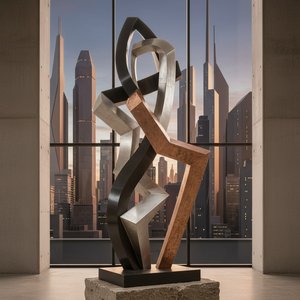
Forged in Fire: The Timeless Strength and Ethereal Beauty of Metal Art
Discover the enduring allure of metal art. Explore how masterfully forged sculptures blend industrial strength with organic elegance to create timeless investment pieces for sophisticated collectors and luxury interiors.

10 легендарных бронзовых скульптур, изменивших искусство навсегда | OriginalUniqueArt
Погрузитесь в мир великих бронзовых скульптур! От Давида Микеланджело до работ Родена – история искусства, техники и вдохновения. Купите репродукции шедевров для вашего интерьера на OriginalUniqueArt.com


