

 Примерить в интерьере
 Отправить
 Поделиться
 Подробнее
 Руководство

 Скачать
 Похожие объекты
 Рентгенография
 Слайд-шоу
 Статистика
In the Sunlight


 Развернуть текст
Произведение искусства, представленное на этой странице, защищено законом об авторском праве, что исключает возможность законного создания или продажи его точной репродукции. Данная защита обеспечивается международными соглашениями, такими как Бернская конвенция и национальным законодательством, включая положения, изложенные в Закон США об авторском праве — Раздел 17.
Этот метод полностью соответствует нормам авторского права, так как он не предполагает копирования или дублирования защищенного произведения. Напротив, это творческая реинтерпретация — создание новой картины, которая вдохновлена оригиналом, но не является его точной копией.
Жикле / Арт-принты
Печать (жикле) или холст музейного качества с быстрыми сроками изготовления и широким выбором вариантов отделки. ( Заказать репродукцию ручной работы Перейти к цифровым изображениям)




P118B $10

P118H $10

P118W $10

P438Z $10

P508JH $12

P508YH $12

P805H $10

P805Z $10

P919BZ $10

P919G $10

P919XJ $10

P959ZH $10

P968JZ $12

W106C $8

W218G $10

W218JH $8

W218Y $10

W307PJ $10

W316G $10

W316PJ $8

W316Y $10

W398PJ $8

W4111J $10

W500HY $15

W500JH $15

W692G $12

W849H $8

W940BG $15

W953PJ $8




Выберите один из наших стандартных размеров, соответствующих оригинальным пропорциям произведения искусства.

Введите необходимую ширину и высоту, чтобы репродукция подошла к вашей раме или стене. При печати изображение можно только уменьшить, но нельзя увеличить больше оригинала, поэтому при выборе другого формата часть изображения может быть обрезана. Перед печатью мы отправим вам цифровой макет на утверждение. Изображение на этой странице не отображает реальную обрезку — ее можно увидеть только на макете.
Доставка по всему миру () за 2 недели вместо стандартных 4–5 недель. (23 Октябрь)

Бесплатная экспресс-доставка по всему миру

Высококачественный льняной холст

Полное страхование при транспортировке

Гарантия возврата таможенных пошлин

Гарантия точного цветового соответствия

100-дневный период возврата (только при обнаружении дефектов)

Гарантия возврата 100% средств

Скидка при заказе нескольких работ
 Вариант со стеклом доступен только для размеров менее 110 см

In the Sunlight
Жикле / Арт-принты
Размер репродукции
-


Итоговая стоимость
$ 80
A Vibrant Tapestry of Community Life
In the luminous canvas of "In the Sunlight," the viewer is instantly transported into a world where the warmth of the sun is matched only by the warmth of human connection. This captivating piece by the contemporary master Liu Wei serves as a window into a spirited village scene, rendered with a palette that breathes life into every corner of the composition. The painting captures a moment of profound communal harmony, where individuals are gathered in a loose, organic arrangement, their silhouettes and colorful attire suggesting a shared rhythm of existence. As eyes wander through the scene, one discovers the subtle presence of animals—two loyal dogs flanking the edges and a solitary sheep nestled near the center—which ground the human activity within the pastoral tranquility of the landscape. It is a work that does not merely depict a setting, but evokes an atmosphere of belonging.
The technique employed in this work reflects Liu Wei’s unique ability to navigate the complexities of modern existence through a lens of vibrant expressionism. While his broader body of work often grapples with the "cartography of chaos" and the anxieties of rapid urbanization, "In the Sunlight" offers a more lyrical departure, focusing on the beauty of stillness and social cohesion. The brushwork is fluid and energetic, creating a sense of movement that mimics the gentle breeze or the low hum of conversation passing between neighbors. Through the masterful use of light and color, the artist achieves a painterly texture that invites the eye to linger on the interplay of shadow and brilliance, making the sunlight feel almost tangible upon the viewer's skin.
For the discerning collector or interior designer, this artwork represents more than just a beautiful image; it is an emotional anchor for any space. The painting’s ability to balance lively, saturated tones with a sense of peaceful nostalgia makes it a versatile masterpiece for high-end residential or curated gallery settings. It possesses the rare quality of being both a conversation starter and a soothing presence, capable of injecting vitality into a minimalist room or adding a layer of soulful depth to a classic study. To possess a reproduction of this work is to invite the eternal essence of community and the restorative power of light into one's own environment, serving as a constant reminder of the simple, profound joys found in the sunlight of shared life.
Вопросы и ответы
О чем повествует «In the Sunlight» и какая атмосфера в ней царит?
На полотне «In the Sunlight», Liu Wei запечатлены village life, people, dogs, sheep, community, sunlight, social scene, передающие Playful настроение. Сочетание сюжета и атмосферы полностью раскрывает суть произведения.
Какая палитра и преобладающий цвет определяют "In the Sunlight"?
В работе «In the Sunlight», Liu Wei используется палитра Earthy, где доминирующим цветом является Black (#14100a).
Существует ли путеводитель по «In the Sunlight», Liu Wei?
Страница Справка для студентов для работы «In the Sunlight», Liu Wei предлагает печатный информационный лист из двух листов: само произведение с таблицей идентификации, временную шкалу, позволяющую соотнести его с периодом жизни автора, другие работы художника, измеренную цветовую палитру и готовые к копированию цитаты в четырех стилях.
Биография художника
A Cartography of Chaos: The World of Liu Wei
Born in Beijing in 1972, Liu Wei emerged from a China undergoing seismic transformation—a period defined by breakneck urbanization, economic upheaval, and a burgeoning sense of cultural anxiety. This context is not merely biographical detail for Liu; it’s the very bedrock upon which his artistic practice is built. He isn't simply *representing* this change, but actively dissecting its contradictions, anxieties, and absurdities through a remarkably diverse body of work encompassing painting, sculpture, video installation, and drawing. Early on, after graduating from the China Academy of Art in Hangzhou in 1996, Liu experienced what he describes as a period of artistic gestation—a time of experimentation following years spent producing more conventional oil paintings. This post-graduate phase proved crucial, allowing him to shed established norms and embrace a radical fluidity in his approach. He began exploring the human body through video projects, works that were intuitive and impulsive, yet hinted at the themes that would come to define his mature style: alienation, fragmentation, and the precariousness of identity.From Impulsive Beginnings to Systemic Critique
The late 1990s saw Liu Wei become a key figure in the “Post-Sense Sensibility” movement—a group of artists challenging prevailing artistic trends with subversive explorations of the body and its relationship to a rapidly changing society. This period was formative, fostering a collaborative spirit and a willingness to confront uncomfortable truths. However, it was his participation in the 2003 Shenzhen International Public Art Exhibition that proved pivotal. Initially envisioning an ambitious installation involving an airplane boarding bridge—a symbol of global connectivity and aspiration—Liu encountered the frustrating realities of bureaucratic obstacles and logistical limitations. This experience became a defining moment, revealing to him the inherent “systems” governing everyday life and their capacity to stifle creative expression. It marked a shift towards a more pragmatic approach, one focused on dissecting the materials and structures that constitute this very system. This frustration birthed a fascination with found objects—items imbued with pre-existing meaning and cultural baggage—which he began recontextualizing in startling and often unsettling ways.The Language of Excess: Materials and Meaning
Liu Wei’s work is characterized by an almost deliberate embrace of excess, corruption, and aggression. This isn't gratuitous shock value; rather, it’s a reflection of the cultural anxieties simmering beneath the surface of China’s economic boom. The “Super Structure” series—intricate model cityscapes constructed from dog chews—is perhaps his most iconic work. These miniature metropolises, built from brightly colored, mass-produced objects associated with consumerism and pet ownership, are simultaneously alluring and repulsive. They evoke a sense of playful chaos, yet also hint at the fragility and artificiality of urban development. Similarly, his “Purple Air” paintings—stylized depictions of skyscrapers bathed in an unnatural violet hue—capture the dreamlike quality of contemporary cities while subtly undermining their grandeur. The use of color is deliberate; the purple evokes a sense of unease, suggesting something synthetic and otherworldly. Other series, like the “Landscape Series,” composed from photographic composites of human buttocks, are deliberately provocative, challenging conventional notions of beauty and representation. Even his more outlandish creations—such as *Indigestion II*, a two-meter model turd—serve to disrupt expectations and force viewers to confront uncomfortable realities about consumption and waste.International Recognition and Lasting Impact
Liu Wei’s work has garnered international acclaim, featured in major exhibitions at institutions like the Guggenheim Museum in New York, the Venice Biennale, and the Ullens Center for Contemporary Art in Beijing. He received the Atron AAC Award for Artist of the Year in 2016, solidifying his position as a leading figure in contemporary Chinese art. His participation in these global forums has not only broadened his audience but also facilitated a deeper understanding of the complex socio-political issues at play within China’s rapidly evolving landscape. Conceptualism, satire, and humor are hallmarks of his practice, allowing him to address sensitive topics with both wit and incisiveness. He doesn't offer easy answers or didactic pronouncements; instead, he presents viewers with a fragmented and often unsettling vision of the world, prompting them to question their own assumptions and biases. His influence extends beyond the realm of visual art, inspiring dialogue about urbanization, consumerism, and the cultural anxieties that define our time.A Continuing Exploration
Liu Wei continues to live and work in Beijing, relentlessly pushing the boundaries of his artistic practice. His recent works demonstrate a continued fascination with materials, systems, and the contradictions inherent in contemporary society. He remains committed to exploring the complexities of the urban landscape, challenging conventional notions of beauty and representation, and prompting viewers to confront uncomfortable truths about the world around them. His art is not simply a reflection of China’s transformation; it's an active interrogation of its underlying structures—a cartography of chaos that reveals both the allure and the anxieties of a nation in perpetual flux.
Liu Wei
1972 - , China
Краткая справка
- Artistic Movement Or Style: Conceptual Art, Satire
- Date Of Birth: 1972
- Full Name: Liu Wei
- Nationality: Chinese
- Notable Artworks:
- Super Structure series
- Purple Air paintings
- Landscape Series
- Indigestion II
- Place Of Birth: Beijing, China
Похожие статьи

Capturing Nostalgia: The Timeless Allure and Art History of Village Scene Landscapes
Explore the profound beauty of village scene art. From Impressionist light to pastoral realism, discover how timeless landscapes capture nostalgia through expert artistry and historical depth. Perfect for collectors seeking evocative, museum-quality landscape inspirations.
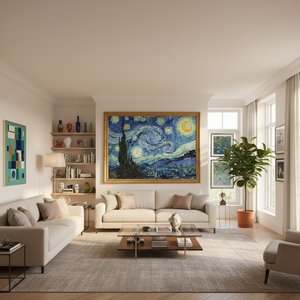
Топ-10 знаменитых картин для роскошного интерьера гостиной от OriginalUniqueArt
Топ-10 знаменитых картин для гостиной от OriginalUniqueArt: Ван Гог, Моне и другие шедевры. Узнайте историю искусства и выберите идеальную репродукцию для вашего интерьера! Explore the full collection online.

Capturing Forever: How Live-Painted Wedding Art Creates Unforgettable Keepsakes for Your Guests
Discover how live-painted wedding art elevates luxury celebrations. Learn to integrate bespoke fine art into your event design to create timeless, hand-painted heirlooms that captivate guests and transform fleeting moments into lasting masterpieces.

Топ-25 шедевров Кацусики Хокусая: Искусство Японии для вашего интерьера
Погрузитесь в мир гения Кацусики Хокусая! 25 легендарных гравюр укиё-э, включая "Великую волну". История искусства Японии и вдохновение для вашего интерьера. Репродукции высокого качества на OriginalUniqueArt.com.
Холст как зеркало сообщества: Использование эксклюзивного искусства для вовлечения аудитории и укрепления лояльности на Twitch
Узнайте, как использовать эксклюзивное искусство для построения лояльного сообщества на Twitch! Стратегии вовлечения аудитории, модели патронства и практические кейсы. Повысьте ценность вашего контента.