

 Предпросмотр
 Поделиться
 Поделиться
 Детали произведения

 Скачать
 Похожие работы
 Рентгенография
 Слайд-шоу
Scraps
 1960
1960 25.0 x 34.0 cm
 Читать далее
Приобретите цифровое изображение высокого разрешения в улучшенном качестве, которое значительно превосходит онлайн-превью.
Каждый файл тщательно подготавливается нашими специалистами с использованием передовых инструментов и экспертной ручной ретуши. Мы гарантируем исключительную четкость, точную цветопередачу и детальную проработку каждого изображения.
Финальный файл доставляется по электронной почте в течение 72 часов и оптимизирован для немедленного использования в профессиональной среде, при верстке и печати. Это тот же уровень качества, которому доверяют ведущие дизайнерские студии, издательства и галереи.
Цифровое изображение
Скачайте файл высокого разрешения для личного использования, печати и творческих проектов. ( Купить принт Купить картину ручной работы)
Включено в каждый заказ цифровых изображений
Гарантия экспертной цифровой доставки
Выбирая OriginalUniqueArt.com, вы получаете не просто изображение — вы приобретаете профессионально обработанное цифровое произведение искусства, созданное с безупречной точностью и под защитой гарантии качества. Вот всё, что автоматически входит в ваш заказ:

Мгновенная доставка по e-mail
Ваш цифровой файл в высоком разрешении будет отправлен вам по электронной почте в течение 72 часов после оформления заказа — и сразу станет доступен для использования.

Цифровой файл с ИИ-улучшением
Ваше произведение искусства проходит профессиональную оптимизацию с использованием передовых инструментов ИИ и ручной обработки, что гарантирует максимальную детализацию, четкость и точность цветопередачи.

Бессрочная бесплатная повторная доставка
Случайно удалили или потеряли файл? Не беспокойтесь — мы отправим его вам повторно в любое время и совершенно бесплатно.

Без импортных пошлин — навсегда
Наслаждайтесь вашим произведением искусства мгновенно без таможенных пошлин, сборов или затрат на доставку — цифровые загрузки всегда не облагаются налогом.

Гарантия точности цветопередачи
Мы гарантируем, что ваше цифровое изображение максимально точно передает оригинальные цвета благодаря использованию профессиональных инструментов и систем управления цветом.

Гарантия удовлетворения в течение 60 дней
Если вы останетесь не удовлетворены покупкой цифрового изображения, мы внесем в него правки или вернем 100% стоимости в течение 60 дней — без лишних вопросов.

100% Гарантия возврата средств
Не удовлетворены покупкой? Мы гарантируем полный возврат средств в течение 60 дней после получения вашего цифрового файла — без лишних вопросов.

Скидки на оптовые заказы
Купите 3 изображения, сэкономьте 10% — Купите 5, сэкономьте 15% — Купите 10+, сэкономьте 20%. Отличное решение для творческих проектов, галерей и агентств.
Биография художника
Kikuji Kawada: A Photographer's Journey Through Memory and Resilience
Kikuji Kawada (川田 喜久治, *Kawada Kikuji*; born 1933) stands as a pivotal figure in postwar Japanese photography, recognized for his distinctive approach to documentary filmmaking and his profound exploration of memory—particularly the lingering impact of Hiroshima and Nagasaki. His work transcends mere visual representation; it’s an immersive experience into the psychological landscape of Japan's turbulent past, imbued with meticulous detail and a haunting beauty that continues to resonate today.Early Life and Influences
Born in Tokyo, Kawada’s formative years were marked by the shadow of atomic devastation. Witnessing firsthand the aftermath of Hiroshima instilled within him an unwavering commitment to documenting human experience—not just as it appears on the surface but as it resides beneath the veneer of everyday life. This early exposure profoundly shaped his artistic sensibilities and fueled his desire to capture moments of vulnerability and resilience, themes that would permeate his oeuvre throughout his career. Influenced by humanist photographers like Henri Cartier-Bresson and Eugène Atget, Kawada honed his craft through rigorous observation and a dedication to capturing the essence of human emotion.The Vivo Photographic Collective and Collaborative Vision
Kawada’s artistic trajectory gained momentum in 1959 when he co-founded the Vivo photographic collective alongside Akira Sato, eikoh hosoe, ikko narahara, akira tanno and shomei tomatsu. This collaborative endeavor fostered a shared ethos of experimentation and intellectual engagement—a commitment to pushing boundaries within the medium while simultaneously confronting complex social and historical narratives. Vivo became synonymous with challenging conventional photographic conventions, prioritizing narrative depth over stylistic flourishes and striving for an honest portrayal of reality.“Chizu”: Mapping Memory and Trauma
Kawada’s magnum opus, “Chizu” (地図), published in 1964, cemented his reputation as a visionary storyteller. This ambitious project undertook a meticulous reconstruction of Hiroshima before the atomic bombing—a feat achieved through painstaking archival research and photographic documentation. More than simply recreating a bygone era, Kawada sought to excavate the collective memory of Hiroshima’s inhabitants, capturing their anxieties, hopes, and unspoken griefs with remarkable sensitivity. As Brett Rogers of the Photographers' Gallery eloquently described it, “Chizu” is "the ultimate photobook-as-object, combining a typical japanese attention to the art of refined packaging with hard-hitting photography, text and typography – a true photo-text piece." It’s considered one of four books that "constitute photography's most significant memorials to the defining event in twentieth-century japanese history," reflecting Kawada’s profound understanding of how images can convey emotional truth.Recognition and Legacy
Kawada’s artistic achievements garnered widespread acclaim, culminating in a lifetime achievement award from the Photographic Society of Japan in 2011. His work has been lauded for its intellectual rigor, stylistic innovation, and unwavering empathy—qualities that continue to inspire photographers worldwide. Furthermore, Sean O'hagan noted in The Guardian that “Chizu” is "perhaps the most intricately designed and powerfully evocative japanese photobook ever by turns impressionistic and surreal," highlighting Kawada’s mastery of visual storytelling. His enduring influence can be seen in subsequent generations of Japanese artists who embrace his commitment to confronting difficult subjects with compassion and artistic integrity.Notable Works Beyond “Chizu”
Beyond "Chizu", Kawada's photographic explorations encompassed diverse themes—from the ruins of Hiroshima to portraits of ordinary people grappling with personal challenges. Pieces like “The Japanese National Flag” and “Ruin of a Stronghold, Tokyo Bay” exemplify his ability to distill complex emotions into striking visual compositions. These works underscore Kawada’s belief that photography possesses the capacity not only to document reality but also to provoke contemplation and foster understanding—a conviction that remains central to his artistic practice today.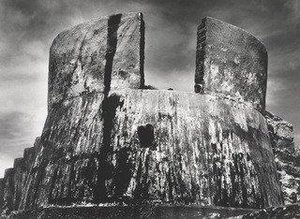
Основные сведения
- Artistic Movement Or Style: Photo-text art
- Artists Or Movements Influenced By This Artist:
- Martin Parr
- Gerry Badger
- Artists Who Influenced This Artist:
- Akira Sato
- Eikoh Hosoe
- Date Of Birth: 1933
- Full Name: Kikuji Kawada
- Nationality: Japanese
- Notable Artworks:
- Chizu
- The Japanese National Flag
- Place Of Birth: Japan

