
 Предпросмотр
 Поделиться
 Поделиться
 Детали произведения

 Скачать
 Похожие работы
 Рентгенография
 Слайд-шоу
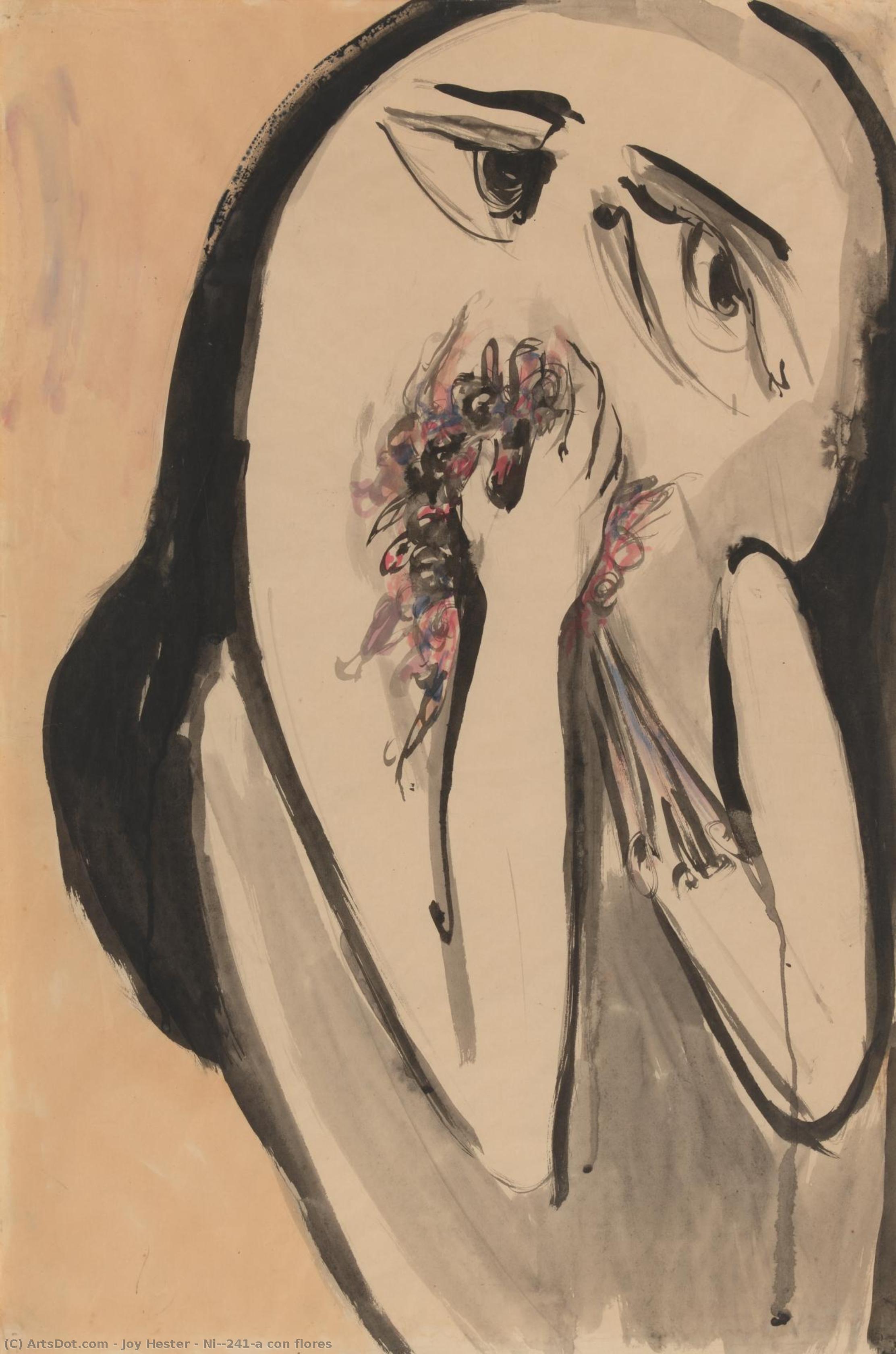
Niña con flores
 Watercolor
- WallArt
- Expressionism
 1956
1956- Modern
 76.0 x 50.0 cm
 Национальная галерея Виктории
 Читать далее
Жикле / Арт-принт
Печать (жикле) или холст музейного качества с быстрыми сроками изготовления и широким выбором вариантов отделки. ( Купить картину ручной работы Купить изображение)




P118B $10

P118H $10

P118W $10

P438Z $10

P508JH $12

P508YH $12

P805H $10

P805Z $10

P919BZ $10

P919G $10

P919XJ $10

P959ZH $10

P968JZ $12

W106C $8

W218G $10

W218JH $8

W218Y $10

W307PJ $10

W316G $10

W316PJ $8

W316Y $10

W398PJ $8

W4111J $10

W500HY $15

W500JH $15

W692G $12

W849H $8

W940BG $15

W953PJ $8




Выберите один из наших стандартных размеров, соответствующих оригинальным пропорциям произведения искусства.

Вы можете указать свои собственные размеры, чтобы репродукция идеально подошла под конкретную раму или пространство. Если выбранный вами размер не будет соответствовать пропорциям оригинала, мы либо обрежем произведение, либо дополним изображение зеркальным отражением краев или однотонной заливкой. Перед началом производства вам будет отправлен цифровой макет для утверждения.
Пожалуйста, обратите внимание, что предварительный просмотр на экране не отображает фактическую обрезку или расширение изображения. Только макет точно покажет финальную композицию.
Несмотря на возможность заказа индивидуальных размеров, мы рекомендуем выбирать размер из предопределенного списка, чтобы сохранить оригинальные пропорции.
Доставка по всему миру () за 2 недели вместо стандартных 4/5 недель. (14 Август)

Бесплатная экспресс-доставка по всему миру

Высококачественный льняной холст

Полное страхование доставки

Гарантия возмещения таможенных пошлин

Гарантия точного соответствия цветов

Политика возврата в течение 60 дней (только при наличии дефектов)

Гарантия возврата 100% средств

Предложение оптовых скидок
 Вариант со стеклом доступен только для размеров менее 110 см

Niña con flores
Жикле / Арт-принт
Размер репродукции
-


Итоговая стоимость
$ 80
Описание предмета коллекционирования
A Portrait of Sorrow and Resilience: Exploring Joy St Clair Hester’s “Niña con Flores”
Joy St Clair Hester's "Niña con Flores" (Girl with Flowers), created in 1956, is not merely a portrait; it’s a deeply resonant exploration of grief, memory, and the enduring strength of the human spirit. This arresting work, rendered primarily in evocative ink washes and punctuated by flashes of vibrant red and pink, immediately draws the viewer into a world steeped in melancholic beauty. Hester, a pivotal figure within Australia's burgeoning Modernist movement, masterfully employs a restrained yet intensely expressive style, characteristic of her engagement with the Heide Circle and the Angry Penguins.
The subject herself remains partially obscured, veiled by a dark, amorphous shape that suggests concealment or perhaps the lingering shadow of loss. Her face, though fragmented, is dominated by an arresting gaze – large, sorrowful eyes that seem to hold both vulnerability and a quiet defiance. This deliberate ambiguity invites speculation about her story, prompting us to project our own experiences of sadness and remembrance onto the canvas. The use of predominantly dark shades—charcoal greys, deep blacks—creates a sense of profound stillness, while strategically placed bursts of color – particularly the passionate reds and pinks of the blossoms erupting from her mouth – inject moments of startling intensity and symbolic weight.
Technique and Materials: A Dance of Ink and Wash
Hester’s technique is both delicate and assertive. The work is executed primarily in watercolor and ink wash on paper, a combination that lends itself beautifully to the creation of layered textures and subtle tonal shifts. Loose brushstrokes contribute to an atmosphere of immediacy and emotional rawness, while careful shading establishes depth and form. Notice how she utilizes broken washes—allowing the colors to bleed into one another—to create a sense of fluidity and movement within the composition. The deliberate lack of precise detail emphasizes the emotional impact over realistic representation; lines are used expressively to define features rather than as literal depictions.
The choice of ink, particularly black ink, is crucial to Hester’s signature style. It allows for a remarkable control—the ability to build up layers of dark tones with incredible precision, creating both dramatic contrasts and subtle gradations of value. The blossoms themselves are rendered with a surprising degree of detail, their vibrant hues acting as potent symbols within the broader context of the piece. The overall effect is one of controlled chaos – a visual representation of the turbulent emotions that lie beneath the surface.
Symbolism: Flowers, Grief, and Remembrance
The most striking element of “Niña con Flores” is undoubtedly the profusion of flowers emerging from the woman’s mouth. This imagery transcends mere botanical detail; it's a potent symbol of grief, loss, and perhaps even remembrance. The blossoms can be interpreted as representing the bittersweet nature of memory—beautiful yet tinged with sadness. They also suggest a connection to nature, offering a glimmer of hope amidst the prevailing darkness. The veil-like shape obscuring her face further reinforces this theme of concealment and unspoken sorrow.
Considering Hester’s own life – marked by the early loss of her father and later battling Hodgkin's disease – it is not surprising that her work frequently grapples with themes of mortality and resilience. “Niña con Flores” can be seen as a deeply personal meditation on these experiences, transformed into a universal expression of human vulnerability and enduring strength. The image resonates with the broader artistic tradition of exploring psychological states through symbolic imagery.
Historical Context: A Voice in the Australian Modernist Movement
Joy St Clair Hester’s work emerged during a pivotal period in Australian art history – the mid-20th century, when artists were actively seeking to forge a distinctly national identity. She was a key member of both the Heide Circle and the Angry Penguins, groups that challenged established artistic conventions and pushed the boundaries of modernism. Her association with these influential circles provided her with access to a vibrant intellectual and artistic community, but also exposed her work to critical scrutiny. Despite facing challenges in gaining widespread recognition during her lifetime, Hester’s legacy has steadily grown over time, cementing her place as one of Australia's most important Modernist artists.
Resources for further exploration include the National Gallery of Victoria’s collection (where “Niña con Flores” is held), online archives dedicated to Joy St Clair Hester, and scholarly articles examining her work within the context of Australian art history. WikiArt offers a valuable visual resource: https://www.wikiart.org/en/joy-hester/nina-con-flores-1956
Биография художника
Joy St Clair Hester (1920–1960): Australian Modernist renowned for emotionally charged ink drawings exploring love, loss, & the human psyche. A key figure of the Angry Penguins/Heide Circle.
Joy St Clair Hester, a pivotal figure in Australian Modernism, lived a life marked by both artistic fervor and personal hardship. Born in Elwood, Australia, in 1920, her early years were shadowed by the loss of her father, an event that would subtly yet profoundly influence the emotional depth of her later work. From her formative studies at St Michael’s Grammar School and Brighton Technical School, Hester demonstrated a clear artistic inclination, culminating in recognition at the National Gallery School in Melbourne where she won the Drawing Head from Life prize in 1938. This early success signaled not just technical skill but an emerging ability to capture the essence of human form—a talent that would become her signature. It was also during this period that Hester began to break free from traditional artistic constraints, seeking a more expressive and personal visual language.Early Life and Art Training
Joy Hester’s childhood in Elwood instilled within her a sensitivity to observation and an appreciation for the subtleties of human experience—qualities that would inform her artistic vision throughout her life. Her father’s untimely death at the age of twelve profoundly impacted her emotional landscape, fostering a preoccupation with themes of loss and vulnerability that permeate her oeuvre. Recognizing her innate talent, Hester pursued formal art education diligently, attending St Michael’s Grammar School from 1933 to 1937 and subsequently enrolling in Commercial Art for a year at Brighton Technical School. This grounding in technical skills provided the foundation upon which she built her distinctive artistic style. Crucially, she excelled at the National Gallery School in Melbourne (1937–1938), securing the Drawing Head from Life prize—a testament to her mastery of anatomical representation and her ability to convey emotion through precise draughtsmanship. Her instructors encouraged experimentation beyond conventional techniques, nurturing her desire to forge a path that was both intellectually stimulating and aesthetically innovative.The Heide Circle and Angry Penguins
Joy Hester’s artistic trajectory took its most decisive turn in 1938 with her encounter—and subsequent relationship—with Albert Tucker, initiating not only a significant romantic partnership but also an important artistic collaboration. This connection propelled her into the orbit of Sunday Reed, a visionary patron who championed avant-garde art and fostered a vibrant intellectual environment. Together they formed the Heide Circle alongside artists Sidney Nolan, Arthur Boyd, and Charles Blackman—a group united by a shared commitment to challenging artistic conventions and exploring radical new ideas. Heide served as a crucible for experimentation, encouraging artists to confront societal norms and redefine their understanding of Australian identity. Simultaneously, Hester became a founding member of the Contemporary Art Society (CAS) and, notably, the sole female participant in the groundbreaking Angry Penguins movement—a collective that fiercely defended modernist principles against prevailing conservative sentiment. Her work embodied the group’s rebellious spirit and unwavering belief in artistic freedom, solidifying her position as a trailblazer within Australian art history.A Distinctive Style: From Observation to Emotion
Hester’s artistic style evolved dramatically throughout her career, reflecting her growing engagement with psychological themes and her mastery of innovative techniques. Initially influenced by traditional academic drawing methods—particularly the meticulous study of human anatomy—she swiftly abandoned these conventions in favor of a more expressive approach. Embracing watercolor and ink as her primary mediums, Hester achieved remarkable textural depth and tonal nuance—capturing not merely visual likeness but also profound emotional resonance. Her distinctive technique involved rapid sketching with bold lines infused with palpable energy, conveying feelings of anxiety, fear, and vulnerability with uncompromising honesty. The shadow of World War II profoundly impacted her artistic vision, prompting her to explore themes of mortality and existential questioning. Recurring motifs—faces rendered with haunting intensity—became emblems of her artistic exploration, reflecting her deep empathy for the human condition. Her masterful use of line—dark, sinuous lines that seemed to pulsate with emotion—established a signature style that distinguishes her work from its contemporaries.Major Achievements and Legacy
Joy St Clair Hester’s contribution to Australian Modernism is undeniable. Her unflinching exploration of psychological states—coupled with her innovative technique—challenged artistic orthodoxies and paved the way for future generations of artists. Despite facing considerable adversity during her lifetime, including a debilitating illness diagnosed in 1947—Hodgkin's lymphoma—Hester persevered in her creative pursuits, producing a prolific body of work that continues to inspire admiration and scholarly inquiry. Her series *Face*, *Sleep,* and *Love* (1948–49)—amongst many others—remain iconic representations of modernist expressionism, demonstrating her unparalleled ability to convey complex emotions through simple visual forms. Furthermore, Hester’s participation in the Angry Penguins movement cemented her place as a champion of artistic freedom and intellectual courage—a legacy that transcends time and continues to resonate with audiences today. Her enduring influence is evident in the work of subsequent Australian artists who embraced similar stylistic approaches and thematic concerns—solidifying Joy St Clair Hester's position as one of Australia’s most important modernist figures.
Джэй Ст Клер Хестер
1920 - 1960 , Австралия
Основные сведения
- Artistic Movement Or Style: Экспрессионизм и Модернизм
- Artists Or Movements Influenced By This Artist: ['Английский экспрессионизм']
- Artists Who Influenced This Artist:
- Эйса О'Коннор
- Данила Васильефф
- Date Of Birth: Август 21, 1920
- Date Of Death: Декабрь 4, 1960
- Full Name: Joy St Clair Hester
- Nationality: Австралиец
- Notable Artworks:
- Лицо
- Сон
- Любовь
- Place Of Birth: Эльсторвик, Австралия
Похожие статьи
Топ-10 шедевров искусства, пробуждающих глубокие чувства радости | OriginalUniqueArt
Погрузитесь в мир искусства, пробуждающего радость! Откройте топ-10 шедевров Ван Гога, Моне и других великих художников. Узнайте истории создания картин импрессионизма и постимпрессионизма, вдохновитесь яркими цветами и позитивной энергией. Репродукции музейного качества на OriginalUniqueArt.com.

Surrealist Expressionism: A Visual Journey Through Dream Logic and Raw Emotion
Dive into the visceral world of Surrealist Expressionism. Explore how dream logic meets raw emotion through a visual journey of iconic techniques, post-war history, and bold aesthetics to transform your modern space with high-impact, unforgettable art.
Surrealist Dreamscapes: A Curated Journey Through the Subconscious Majesty of Surrealism
Embark on a sophisticated journey through Surrealist dreamscapes. Explore the profound symbolism of masters like Dalí and discover how to curate breathtaking, museum-quality surrealist art for your private collection with expert guidance.
10 Шедевров Сюрреализма: Искусство Подсознания для Вашего Интерьера
Погрузитесь в мир сюрреализма! Откройте 10 шедевров Дали, Магритта и других гениев. Узнайте истории создания культовых картин и найдите идеальное произведение для вашего интерьера на OriginalUniqueArt.com – музейное качество, вдохновение и декор.

Эль Греко: 25 шедевров гения. Купить картины онлайн | OriginalUniqueArt
Погрузитесь в мир Эль Греко! 25 величайших шедевров испанского маньеризма. Узнайте историю создания культовых картин, технику и символизм. Купите репродукции высокого качества для вашего интерьера на OriginalUniqueArt.com.

