

 Предпросмотр
 Поделиться
 Поделиться
 Детали произведения

 Скачать
 Похожие работы
 Рентгенография
 Слайд-шоу
 Статистика
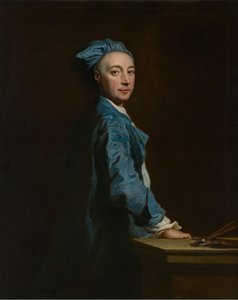
Mr. Oldham and his Friends
 Oil On Canvas
- WallArt
- Rococo Period
 1750
1750- Early Modern
 105.0 x 130.0 cm
 Тейт Галерея
 Читать далее
Приобретите цифровое изображение высокого разрешения в улучшенном качестве, которое значительно превосходит онлайн-превью.
Каждый файл тщательно подготавливается нашими специалистами с использованием передовых инструментов и экспертной ручной ретуши. Мы гарантируем исключительную четкость, точную цветопередачу и детальную проработку каждого изображения.
Финальный файл доставляется по электронной почте в течение 72 часов и оптимизирован для немедленного использования в профессиональной среде, при верстке и печати. Это тот же уровень качества, которому доверяют ведущие дизайнерские студии, издательства и галереи.
Цифровое изображение
Скачайте файл высокого разрешения для личного использования, печати и творческих проектов. ( Перейти к печати Купить картину ручной работы)
Включено в каждый заказ цифровых изображений
Гарантия экспертной цифровой доставки
Выбирая OriginalUniqueArt.com, вы получаете не просто изображение — вы приобретаете профессионально обработанное цифровое произведение искусства, созданное с безупречной точностью и под защитой гарантии качества. Вот всё, что автоматически входит в ваш заказ:

Мгновенная доставка по e-mail
Ваш цифровой файл в высоком разрешении будет отправлен вам по электронной почте в течение 72 часов после оформления заказа — и сразу станет доступен для использования.

Цифровой файл с ИИ-улучшением
Ваше произведение искусства проходит профессиональную оптимизацию с использованием передовых инструментов ИИ и ручной обработки, что гарантирует максимальную детализацию, четкость и точность цветопередачи.

Бессрочная бесплатная повторная доставка
Случайно удалили или потеряли файл? Не беспокойтесь — мы отправим его вам повторно в любое время и совершенно бесплатно.

Без импортных пошлин — навсегда
Наслаждайтесь вашим произведением искусства мгновенно без таможенных пошлин, сборов или затрат на доставку — цифровые загрузки всегда не облагаются налогом.

Гарантия точности цветопередачи
Мы гарантируем, что ваше цифровое изображение максимально точно передает оригинальные цвета благодаря использованию профессиональных инструментов и систем управления цветом.

Гарантия удовлетворенности 100 дней
Если вы не будете удовлетворены своим цифровым изображением, мы внесем правки или вернем 100% стоимости в течение 100 дней — без лишних вопросов.

100% Гарантия возврата средств
Не удовлетворены покупкой? Получите полный возврат средств в течение 100 дней после получения цифрового файла — без лишних вопросов.

Скидки на оптовые заказы
Купите 3 изображения, сэкономьте 10% — Купите 5, сэкономьте 15% — Купите 10+, сэкономьте 20%. Отличное решение для творческих проектов, галерей и агентств.
A Glimpse into Georgian Camaraderie
In the soft, amber glow of an imagined mid-eighteenth-century evening, Joseph Highmore’s “Mr. Oldham and his Friends” invites the viewer to step into a world of refined leisure and quiet intellectual intimacy. Painted in 1750, this masterpiece serves as a window into the heart of Georgian England, capturing a moment that transcends mere portraiture to become a celebration of social bond and shared experience. The composition centers on four gentlemen gathered around a mahogany table, their relaxed postures and engaged expressions suggesting a conversation caught mid-sentence. There is an undeniable warmth in the scene; the subtle presence of wine glasses and a communal bowl hints at a ritual of conviviality, where the boundaries between formal status and personal friendship blur under the light of mutual respect.
Highmore, a painter who masterfully navigated the transition from the grandiosity of the Baroque to the delicate grace of the Rococo, utilizes this scene to showcase his profound ability to capture character. One gentleman, distinguished by a hat perched elegantly atop his head, adds a touch of aristocratic flair that anchors the group in their social stratum, yet the overall atmosphere remains remarkably accessible and human. For the collector or interior designer, this piece offers more than just a historical record; it provides an emotional anchor for a room, evoking a sense of timeless stability and the enduring value of companionship.
Mastery of Light and Texture
Technically, the painting is a triumph of chiaroscuro, a technique Highmore adapted from the great Baroque masters like Rembrandt to breathe life into his subjects. By employing dramatic contrasts between deep, velvety shadows and luminous highlights, he sculpts the figures, giving them a three-dimensional presence that feels almost tactile. This play of light does more than define form; it directs the eye through the narrative of the painting, drawing attention to the glint of glass, the rich grain of the wood, and the intricate folds of fine fabrics. The artist’s meticulous attention to detail—the way light catches the rim of a wine glass or the subtle texture of a gentleman's waistcoat—demonstrates a level of craftsmanship that elevates the work from a simple "conversation piece" to a profound study in materiality.
The Rococo influence is felt in the painting’s lighter, more graceful tonal palette, which avoids the heavy somberness of earlier eras in favor of an air of elegance. This delicate balance between shadow and light creates a psychological depth, suggesting that beneath the surface of this pleasant gathering lies a rich inner life and a history of shared secrets and intellectual pursuits. Such technical sophistication makes a high-quality reproduction of this work an exquisite addition to any curated collection, offering a sophisticated interplay of light and shadow that can transform the ambiance of a sophisticated study or a grand dining hall.
Symbolism and the Spirit of an Era
Beyond its aesthetic allure, “Mr. Oldham and his Friends” is steeped in the cultural symbolism of the 1750s. The very act of gathering around wine serves as a metaphor for the era's values: indulgence, pleasure, and the cultivation of taste. In the context of Georgian England, such scenes were not merely decorative but were statements of social identity. The painting subtly underscores the importance of patronage and the role of the landed gentry in fostering a culture of refinement and intellectual curiosity. The presence of the mahogany table—a luxury item of the period—further reinforces the themes of prosperity and the global reach of British commerce during this era.
For those looking to bring a piece of history into their contemporary spaces, this artwork offers a profound sense of continuity. It speaks to the universal human desire for connection and the beauty found in quiet, shared moments. Whether placed in a modern minimalist setting to provide a classical counterpoint or integrated into a traditional period room, Highmore’s work continues to resonate, offering an evocative narrative of friendship that remains as relevant today as it was two and a half centuries ago.
Биография художника
A Life Dedicated to Likeness and Narrative
Joseph Highmore, born in London in 1692, emerged as a pivotal figure within the evolving landscape of 18th-century English art. His journey began amidst familial expectations geared towards a legal career—a path he ultimately abandoned at seventeen to wholeheartedly pursue his artistic inclinations. This decisive turn led him to the studios of Sir Godfrey Kneller and anatomy lectures delivered by William Cheselden, foundational experiences that shaped his technical skill and profound understanding of the human form. Initially influenced by the grand Baroque tradition exemplified by Kneller, Highmore’s style would gradually embrace the more delicate aesthetics of the Rococo period, a shift reflective of broader cultural currents sweeping across Europe. He wasn't merely a painter; he was a keen observer of society, and his canvases became mirrors reflecting the lives, manners, and moral concerns of Georgian England.From Royal Patrons to Middle-Class Commissions
Highmore’s early career benefited significantly from patronage within royal circles, particularly during the 1730s and 40s. This afforded him opportunities to portray prominent figures like King George II and, famously, General James Wolfe—portraits that demonstrate not only his technical prowess but also a remarkable ability to capture character and presence. These works weren’t simply formal representations; they were carefully constructed narratives of power and authority, imbued with the subtle nuances of personality. A formative journey through the Netherlands and France between 1732 and 1734 further broadened his artistic horizons, exposing him to the works of masters such as Rubens and van Dyck. He absorbed their techniques—the rich color palettes, the dramatic lighting, the masterful use of composition—and integrated them into his own developing style. However, Highmore’s adaptability proved crucial to his sustained success. As tastes evolved and a burgeoning middle class sought representation, he skillfully adjusted his focus, catering to their desire for portraits that reflected their social standing and domestic lives. This period saw the rise of his celebrated “conversation pieces”—group portraits depicting families or friends engaged in informal gatherings—a genre where Highmore excelled at capturing the dynamics of social interaction and conveying a sense of intimacy. These works weren’t merely static displays; they were windows into the private worlds of their sitters, offering glimpses into their relationships, interests, and aspirations. Mr Matthew Bell, for example, showcases a dignified composure typical of his Rococo realism, while portraits like Anthony Highmore reveal an elegant attire and timeless composition.Illustrating Virtue: ‘Pamela’ and Beyond
While renowned for his portraiture, Joseph Highmore achieved widespread recognition through a unique project that bridged the worlds of art and literature. In 1744, he embarked on a series of twelve paintings inspired by Samuel Richardson's immensely popular novel, *Pamela, or Virtue Rewarded*. These illustrations weren’t merely decorative accompaniments to the text; they were carefully considered interpretations of key scenes, designed to amplify the story’s emotional impact and moral message. The engravings derived from these paintings, executed by Benoist and Louis Truchy, further disseminated Richardson's narrative to a wider audience, effectively making Highmore an instrumental figure in popularizing the novel. Beyond *Pamela*, Highmore also ventured into historical painting, exemplified by his donation of Hagar and Ishmael to the Foundling Hospital—a testament to both his artistic skill and his engagement with contemporary social issues. This work, along with others, reveals a willingness to explore complex themes and narratives beyond the realm of portraiture, reflecting a deep sensitivity to the vulnerabilities within society.A Legacy of Realism and Refinement
In 1762, at the age of seventy, Highmore retired to Canterbury, where he lived with his daughter and son-in-law, continuing to engage intellectually through art historical writings—including a critical examination of Rubens’s work. He passed away in 1780, aged eighty-seven, and was buried in accordance with a statute designed to support the wool trade. Joseph Highmore's legacy rests on his significant contribution to English portraiture during the Rococo period. His paintings are characterized by a remarkable attention to detail, a sensitivity to individual character, and an ability to capture the essence of Georgian society. He wasn’t simply a recorder of appearances; he was a storyteller who used paint to illuminate the lives, values, and aspirations of his time.- Family Connections: Susanna Highmore (née Hiller): His wife, a poet whose works remain largely unpublished.
- Anthony Highmore: His son, also an artist.
- Anthony Highmore Jr.: A grandson who became a writer on legal affairs and a social activist.
Джозеф Хаймор
1692 - 1780 , Великобритания
Основные сведения
- Artistic Movement Or Style: Рококо
- Artists Or Movements Influenced By This Artist: ['Элизабет Френсис']
- Artists Who Influenced This Artist:
- Генри Кнеллер
- Рубенс
- Джан Джиованни Бальбино
- Date Of Birth: 1692 г.
- Date Of Death: 1780 г.
- Full Name: Joseph Highmore
- Nationality: Британский
- Notable Artworks:
- Мэтт Хэмбл
- Гагар и Исмаил
- Place Of Birth: Лондон, Великобритания