
 Предпросмотр
 Поделиться
 Поделиться
 Детали произведения

 Скачать
 Похожие работы
 Рентгенография
 Слайд-шоу
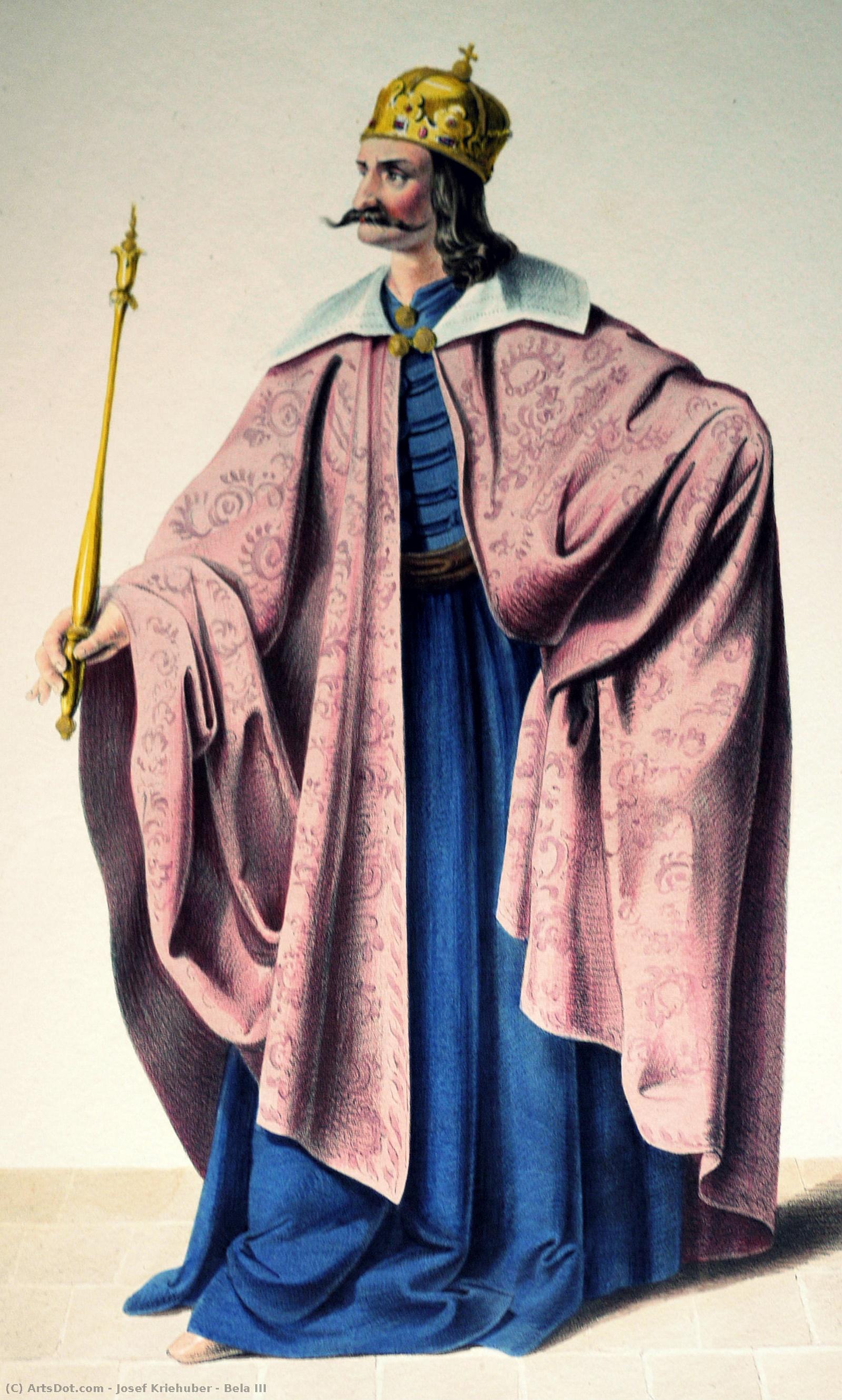
Bela III


 Читать далее
Приобретите цифровое изображение высокого разрешения в улучшенном качестве, которое значительно превосходит онлайн-превью.
Каждый файл тщательно подготавливается нашими специалистами с использованием передовых инструментов и экспертной ручной ретуши. Мы гарантируем исключительную четкость, точную цветопередачу и детальную проработку каждого изображения.
Финальный файл доставляется по электронной почте в течение 72 часов и оптимизирован для немедленного использования в профессиональной среде, при верстке и печати. Это тот же уровень качества, которому доверяют ведущие дизайнерские студии, издательства и галереи.
Цифровое изображение
Скачайте файл высокого разрешения для личного использования, печати и творческих проектов. ( Купить принт Купить картину ручной работы)
Включено в каждый заказ цифровых изображений
Гарантия экспертной цифровой доставки
Выбирая OriginalUniqueArt.com, вы получаете не просто изображение — вы приобретаете профессионально обработанное цифровое произведение искусства, созданное с безупречной точностью и под защитой гарантии качества. Вот всё, что автоматически входит в ваш заказ:

Мгновенная доставка по e-mail
Ваш цифровой файл в высоком разрешении будет отправлен вам по электронной почте в течение 72 часов после оформления заказа — и сразу станет доступен для использования.

Цифровой файл с ИИ-улучшением
Ваше произведение искусства проходит профессиональную оптимизацию с использованием передовых инструментов ИИ и ручной обработки, что гарантирует максимальную детализацию, четкость и точность цветопередачи.

Бессрочная бесплатная повторная доставка
Случайно удалили или потеряли файл? Не беспокойтесь — мы отправим его вам повторно в любое время и совершенно бесплатно.

Без импортных пошлин — навсегда
Наслаждайтесь вашим произведением искусства мгновенно без таможенных пошлин, сборов или затрат на доставку — цифровые загрузки всегда не облагаются налогом.

Гарантия точности цветопередачи
Мы гарантируем, что ваше цифровое изображение максимально точно передает оригинальные цвета благодаря использованию профессиональных инструментов и систем управления цветом.

Гарантия удовлетворения в течение 60 дней
Если вы останетесь не удовлетворены покупкой цифрового изображения, мы внесем в него правки или вернем 100% стоимости в течение 60 дней — без лишних вопросов.

100% Гарантия возврата средств
Не удовлетворены покупкой? Мы гарантируем полный возврат средств в течение 60 дней после получения вашего цифрового файла — без лишних вопросов.

Скидки на оптовые заказы
Купите 3 изображения, сэкономьте 10% — Купите 5, сэкономьте 15% — Купите 10+, сэкономьте 20%. Отличное решение для творческих проектов, галерей и агентств.
Биография художника
A Chronicler of Viennese Society: The Life and Art of Josef Kriehuber
Josef Kriehuber, born in Vienna on December 14th, 1800, wasn’t a revolutionary artist seeking to shatter conventions. Instead, he quietly became one of the most prolific and insightful chroniclers of 19th-century Viennese society through his extraordinary mastery of lithography. His life was deeply intertwined with the burgeoning urban landscape of Vienna, and his art served as a remarkably detailed visual record of its people, customs, and cultural shifts during the Biedermeier period – an era defined by a yearning for domesticity, simplicity, and a celebration of everyday life. Kriehuber’s legacy isn't one of grand pronouncements but rather a quiet accumulation of thousands of portraits, landscapes, and scenes that collectively offer an unparalleled glimpse into the heart of Vienna during its most vibrant years.The Foundations: Training and Early Career
Kriehuber’s artistic journey began with formal training at the prestigious Vienna Academy under Hubert Maurer, a respected figure in Austrian art circles. However, it was his embrace of lithography – a relatively new and rapidly developing technique – that truly shaped his career trajectory. Lithography offered an unprecedented opportunity for mass reproduction of images, democratizing portraiture and making it accessible to a wider audience than ever before. This innovation allowed Kriehuber to produce works in large quantities, fueling his remarkable output of over 3000 lithographs throughout his lifetime. Initially exploring landscape lithography, he quickly recognized the immense potential for capturing human subjects – particularly within the context of the Biedermeier aesthetic. His early portraits were characterized by a meticulous attention to detail and a growing understanding of how to convey personality through subtle gestures and expressions.The Biedermeier Portraitist: Capturing the Essence of Viennese Life
Kriehuber’s artistic development flourished squarely within the framework of the Biedermeier period (roughly 1815-1848). This era, born from the aftermath of Napoleon's conquests, fostered a deep appreciation for the familiar, the comfortable, and the intimately personal. The Biedermeier style rejected grand historical narratives and idealized representations in favor of a focus on domesticity, simplicity, and the everyday experiences of ordinary people. Kriehuber’s art perfectly embodied these values. He wasn't interested in creating heroic figures or dramatic scenes; instead, he sought to capture the quiet dignity and understated charm of his subjects – from nobility and government officials to merchants and artisans. His portraits weren’t intended as glamorous displays of wealth or power but rather as honest representations of character and social standing. He possessed an uncanny ability to discern the essence of a person through careful observation, translating that understanding into meticulously rendered lithographs.A Diverse Portfolio: Portraits, Landscapes, and Urban Scenes
While portraiture constituted the core of Kriehuber’s oeuvre, his artistic interests extended beyond individual likenesses. He also produced a significant body of landscape lithographs, often depicting scenes from the outskirts of Vienna and the surrounding countryside. These landscapes weren't merely scenic vistas; they were infused with a sense of quiet contemplation and a deep appreciation for the beauty of nature. Furthermore, Kriehuber documented the vibrant atmosphere of Vienna’s Prater park – a popular recreational area that served as a microcosm of Viennese society. His lithographs of the Prater offer invaluable insights into the fashion, social interactions, and leisure activities of the time, providing a rich tapestry of visual information about 19th-century urban life. He captured not just the physical appearance of the park but also its spirit – a place of laughter, excitement, and communal gathering.Technique and Influence: Mastering Lithography
Kriehuber’s artistic success was inextricably linked to his mastery of lithography. He wasn't simply a competent reproducer of images; he was a skilled craftsman who understood the nuances of the medium and exploited its potential to create works of remarkable detail, tonal range, and expressive power. His technique involved careful stone preparation, precise etching, and meticulous printing – all executed with unwavering precision. While it’s difficult to pinpoint specific artistic influences on Kriehuber, his work reflects a broader trend towards realism in 19th-century art, as well as the influence of contemporary portrait artists who were exploring new ways to capture human character. His dedication to accuracy and psychological insight set him apart, establishing him as a uniquely perceptive observer of Viennese society.Legacy and Recognition: A Lasting Impression
Josef Kriehuber’s impact extended beyond his prolific output. He served as a teacher at the Theresianum Academy in Vienna, imparting his technical expertise and artistic sensibilities to generations of aspiring artists. In 1860, he received the prestigious Franz Joseph Order – a recognition of his contributions to Austrian art and culture. However, the rise of photography towards the end of his life presented a significant challenge to his profession. As photographic portraiture became increasingly accessible and affordable, demand for lithographic portraits declined, leading to financial hardship in his later years. Despite these difficulties, Kriehuber continued to work diligently until his death on May 30th, 1876, leaving behind an extraordinary legacy of over 3000 images that continue to captivate and inform us today. His works are housed in the Albertina Museum and the Austrian National Library, ensuring that his remarkable chronicle of Viennese society will be appreciated for generations to come. His art stands as a testament to the power of observation, the enduring appeal of capturing the human spirit, and the quiet brilliance of an artist who dedicated his life to documenting the everyday realities of 19th-century Vienna.
Йозеф Криехубер
1800 - 1876 , Австрия
Основные сведения
- Artistic Movement Or Style: Реализм, Бидермайер
- Artists Or Movements Influenced By This Artist: ['Фридрих Крёйхубер']
- Date Of Birth: 1800-12-14
- Date Of Death: 1876-05-30
- Full Name: Josef Kriehuber
- Nationality: Австриец
- Notable Artworks:
- Портреты
- Партер
- Place Of Birth: Вена, Австрия

