
 Предпросмотр
 Поделиться
 Поделиться
 Детали произведения

 Скачать
 Похожие работы
 Рентгенография
 Слайд-шоу
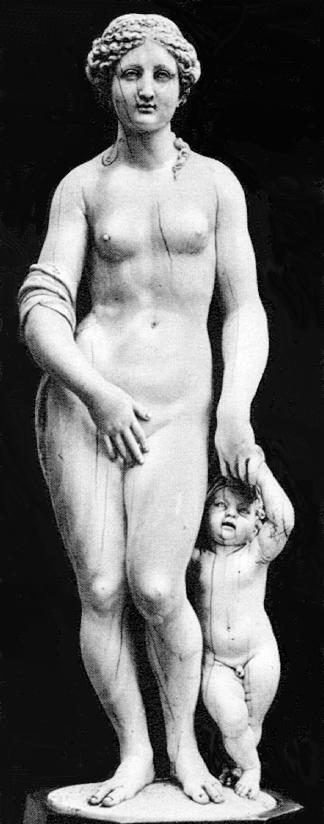
Venus and Cupid
 Classical
 1625
1625 40.0 x 20.0 cm
 Ашмолейский музей
 Читать далее
Приобретите цифровое изображение высокого разрешения в улучшенном качестве, которое значительно превосходит онлайн-превью.
Каждый файл тщательно подготавливается нашими специалистами с использованием передовых инструментов и экспертной ручной ретуши. Мы гарантируем исключительную четкость, точную цветопередачу и детальную проработку каждого изображения.
Финальный файл доставляется по электронной почте в течение 72 часов и оптимизирован для немедленного использования в профессиональной среде, при верстке и печати. Это тот же уровень качества, которому доверяют ведущие дизайнерские студии, издательства и галереи.
Цифровое изображение
Скачайте файл высокого разрешения для личного использования, печати и творческих проектов. ( Купить принт Купить картину ручной работы)
Включено в каждый заказ цифровых изображений
Гарантия экспертной цифровой доставки
Выбирая OriginalUniqueArt.com, вы получаете не просто изображение — вы приобретаете профессионально обработанное цифровое произведение искусства, созданное с безупречной точностью и под защитой гарантии качества. Вот всё, что автоматически входит в ваш заказ:

Мгновенная доставка по e-mail
Ваш цифровой файл в высоком разрешении будет отправлен вам по электронной почте в течение 72 часов после оформления заказа — и сразу станет доступен для использования.

Цифровой файл с ИИ-улучшением
Ваше произведение искусства проходит профессиональную оптимизацию с использованием передовых инструментов ИИ и ручной обработки, что гарантирует максимальную детализацию, четкость и точность цветопередачи.

Бессрочная бесплатная повторная доставка
Случайно удалили или потеряли файл? Не беспокойтесь — мы отправим его вам повторно в любое время и совершенно бесплатно.

Без импортных пошлин — навсегда
Наслаждайтесь вашим произведением искусства мгновенно без таможенных пошлин, сборов или затрат на доставку — цифровые загрузки всегда не облагаются налогом.

Гарантия точности цветопередачи
Мы гарантируем, что ваше цифровое изображение максимально точно передает оригинальные цвета благодаря использованию профессиональных инструментов и систем управления цветом.

Гарантия удовлетворения в течение 60 дней
Если вы останетесь не удовлетворены покупкой цифрового изображения, мы внесем в него правки или вернем 100% стоимости в течение 60 дней — без лишних вопросов.

100% Гарантия возврата средств
Не удовлетворены покупкой? Мы гарантируем полный возврат средств в течение 60 дней после получения вашего цифрового файла — без лишних вопросов.

Скидки на оптовые заказы
Купите 3 изображения, сэкономьте 10% — Купите 5, сэкономьте 15% — Купите 10+, сэкономьте 20%. Отличное решение для творческих проектов, галерей и агентств.
Биография художника
The Virtuoso of Ivory: The Life and Legacy of Georg Petel
In the turbulent landscape of the early seventeenth century, amidst the shadows cast by the Thirty Years’ War, a singular talent emerged from the Bavarian countryside to redefine the boundaries of German sculpture. Georg Petel, often known as Jörg Petel, was not merely a craftsman but a virtuoso whose hands breathed life into ivory and bronze with an unparalleled delicacy. Born around 1601 or 1602 in Weilheim, Petel’s early life was marked by profound loss; orphaned in his infancy, he was raised under the guardianship of Bartholomäus Steinle. This early mentorship provided the foundational discipline required for the meticulous art of carving, yet it was Petel's restless spirit and immense talent that would eventually carry him far beyond the borders of his homeland.
Petel’s artistic journey was a grand European odyssey, a pilgrimage through the very heart of the Baroque movement. His travels took him from the vibrant studios of Munich to the bustling artistic hubs of Antwerp, Paris, and Rome. In Antwerp, a transformative encounter with the legendary Peter Paul Rubens ignited a new dimension in his work. The dynamic energy, dramatic light, and emotional depth characteristic of Rubens’ paintings found a sculptural counterpart in Petel's hands. This influence was not limited to canvas; as he traversed the continent, Petel absorbed the classical grandeur of antiquity and the burgeoning theatricality of the Baroque style, honing a technique that could capture both the monumental and the minute with equal grace.
A Master of Detail and Emotion
The true brilliance of Petel lies in his ability to manipulate medium and light to evoke profound human emotion. Whether working in the translucent, precious medium of ivory or the enduring strength of bronze, his compositions were characterized by a breathtaking attention to anatomical precision and expressive movement. His time in Rome was particularly pivotal, where he studied both ancient relics and the contemporary masterpieces of Gianlorenzo Bernini. This exposure allowed him to master the art of dramatic modeling—creating surfaces that seem to pulse with life under shifting light.
His diverse body of work showcases a remarkable range of subject matter, from the deeply spiritual to the classically mythological:
- Ecce Homo: A powerful testament to his religious devotion, where the suffering of Christ is rendered with such visceral detail that the viewer is drawn into the profound tragedy of the scene.
- Bust of Rubens: Created during a visit to Antwerp in 1633, this bronze portrait captures the essence of the great painter with a spontaneity and psychological depth that recalls the mastery of Bernini.
- Venus and Cupid: An elegant display of his ability to evoke classical beauty, utilizing smooth, flowing lines to celebrate divine love and anatomical perfection.
The Architect of German Baroque Sculpture
Though his life was tragically short—ending in Augsburg in January 1635—Petel’s impact on the trajectory of German art was monumental. He acted as a vital bridge, importing the sophisticated aesthetic language of Italy and Flanders into the German-speaking lands. By integrating the dramatic tension of the Roman Baroque with the intricate craftsmanship of Northern European traditions, he helped establish a new sculptural vernacular that would resonate for generations.
Petel’s legacy is found not only in the physical objects he left behind but in the way he elevated the status of the carver from a mere artisan to a high artist. His ability to foster connections with contemporaries like Anthony van Dyck and François Duquesnoy created a collaborative spirit that enriched the European artistic landscape. Today, when we gaze upon his intricate ivories or his commanding bronzes, we see more than just historical artifacts; we witness the enduring triumph of a master who, despite the chaos of his era, carved a permanent place for beauty and emotion in the history of art.

jörg petel
1601 - 1634 , Germany
Основные сведения
- Artistic Movement Or Style: Baroque
- Artists Or Movements Influenced By This Artist: ['Gianlorenzo Bernini']
- Artists Who Influenced This Artist:
- Christoph Angermair
- Peter Paul Rubens
- Date Of Birth: 1601
- Full Name: Jörg Petel
- Nationality: German
- Notable Artworks:
- Bust of Rubens
- Ecce Homo
- Place Of Death: Augsburg

