
 Предпросмотр
 Поделиться
 Поделиться
 Детали произведения
 Руководство

 Скачать
 Похожие предметы
 Рентгенография
 Слайд-шоу
 Вопросы и ответы
 Статистика просмотров
Landscape

- 174.0 x 256.0 cm


 Читать далее
Жикле и арт-принты
Печать (жикле) или холст музейного качества с быстрыми сроками изготовления и широким выбором вариантов отделки. ( Купить картину ручной работы Перейти к цифровым изображениям)




P118B $10

P118H $10

P118W $10

P438Z $10

P508JH $12

P508YH $12

P805H $10

P805Z $10

P919BZ $10

P919G $10

P919XJ $10

P959ZH $10

P968JZ $12

W106C $8

W218G $10

W218JH $8

W218Y $10

W307PJ $10

W316G $10

W316PJ $8

W316Y $10

W398PJ $8

W4111J $10

W500HY $15

W500JH $15

W692G $12

W849H $8

W940BG $15

W953PJ $8




Выберите один из наших стандартных размеров, соответствующих оригинальным пропорциям произведения искусства.

Введите необходимую ширину и высоту, чтобы репродукция подошла к вашей раме или стене. При печати изображение можно только уменьшить, но нельзя увеличить больше оригинала, поэтому при выборе другого формата часть изображения может быть обрезана. Перед печатью мы отправим вам цифровой макет на утверждение. Изображение на этой странице не отображает реальную обрезку — ее можно увидеть только на макете.
Доставка по всему миру () за 2 недели вместо стандартных 4–5 недель. (11 Ноябрь)

Бесплатная экспресс-доставка по всему миру

Высококачественный льняной холст

Полное страхование при доставке

Гарантия возмещения таможенных пошлин

Гарантия точного цветового соответствия

100-дневная гарантия возврата (только при обнаружении дефектов)

Гарантия возврата 100% средств

Скидка при оптовом заказе
 Вариант со стеклом доступен только для размеров менее 110 см

Landscape
Жикле и арт-принты
Размер репродукции
-


Итоговая стоимость
$ 81
Joos de Momper’s Alpine Majesty: A Window into the Flemish Baroque
The world of Joos de Momper the Younger, often overshadowed by his more flamboyant contemporaries like Brueghel and Rubens, reveals itself through works like “Landscape with a Road Leading Towards a Settlement on a Hill,” a captivating example of early 17th-century Flemish landscape painting. More than simply a depiction of scenery, this piece is a carefully constructed illusion—a meticulously rendered panorama designed to evoke both the grandeur of nature and a subtle sense of human presence within it. De Momper’s genius lies not in hyperrealism, but in his masterful manipulation of perspective, light, and color to create an atmosphere of serene contemplation and distant drama.
Born in Antwerp in 1564 into a family steeped in artistic tradition—his grandfather a landscape painter himself—de Momper inherited a deep understanding of visual representation. He quickly established himself as a skilled artist, gaining recognition at a remarkably young age for his ability to capture the essence of mountainous regions, drawing inspiration from his travels through the Alps and Italy. Unlike many of his peers who focused on bustling village scenes or dramatic storms, de Momper favored quieter, more contemplative landscapes—a deliberate choice that reflects a shift in artistic sensibilities towards a greater appreciation for the sublime beauty of nature.
A Symphony of Light and Shadow: Technique and Composition
The painting’s strength resides in its sophisticated technique. De Momper employs a layered approach, beginning with a detailed pen-and-ink underdrawing that establishes the basic structure of the composition. This is then built upon with washes of blue, brown, and red watercolor—a palette carefully chosen to mimic the muted tones of a distant mountain range. Notice how he utilizes *hatching* – closely spaced parallel lines – to create texture and depth in the trees and rocks, while broader strokes suggest the vastness of the sky. The use of *atmospheric perspective*, where objects recede into the distance appearing paler and less distinct, is particularly effective in conveying the immense scale of the landscape.
The composition itself is carefully balanced. A winding road snakes its way through the scene, drawing the viewer’s eye towards a small settlement nestled amongst the hills. The placement of figures—a shepherd tending his flock, a ploughman working the land, and a fisherman casting his line—adds a subtle layer of human activity without disrupting the overall sense of tranquility. These figures are rendered with minimal detail, almost as if they are merely fleeting glimpses into a timeless scene.
Symbolism and the Pursuit of the Sublime
Beyond its technical brilliance, “Landscape with a Road Leading Towards a Settlement on a Hill” is rich in symbolic meaning. The towering mountains evoke a sense of awe and humility—a reminder of humanity’s place within the vastness of nature. The inclusion of figures engaged in simple, everyday tasks suggests a harmony between humans and their environment. The painting can be interpreted as an allegory for the pursuit of *the sublime* – that feeling of wonder and reverence experienced when confronted with something grand and overwhelming. It's a concept central to Baroque art, emphasizing the power and majesty of God’s creation.
Interestingly, de Momper’s work aligns with the broader artistic trends of his time—a transition from the Mannerist style of the late 16th century towards a greater emphasis on realism and naturalism. Yet, he retains a distinctly Baroque sensibility through his masterful use of light, shadow, and dramatic composition. The painting's influence can be seen in works by later landscape painters who sought to capture the beauty and grandeur of the natural world.
A Timeless Vision: Emotional Impact and Reproduction
“Landscape with a Road Leading Towards a Settlement on a Hill” is more than just a pretty picture; it’s an invitation to escape—to lose oneself in the tranquility of the mountains and contemplate the beauty of the natural world. The painting's muted colors, balanced composition, and subtle symbolism create a sense of peace and serenity that continues to resonate with viewers today. A high-quality reproduction captures much of this atmosphere, offering a window into a bygone era and a testament to de Momper’s artistic skill.
OriginalUniqueArt offers meticulously crafted reproductions of this masterpiece, ensuring that you can bring the beauty of de Momper's landscape into your home or office. Each reproduction is printed on archival-quality canvas using giclee printing technology, guaranteeing long-lasting color and detail. Consider it a timeless addition to any collection—a reminder of the enduring power of art to inspire and uplift.
Вопросы и ответы
Кто является автором работы «Landscape»?
Авторство работы «Landscape» приписывается Йоос де Мёмпер.
Как работа «Landscape» соотносится с общим творчеством Йоос де Мёмпер?
«Landscape» разделяет с другими работами Йоос де Мёмпер характерный стиль Flemish Baroque и повторяющиеся темы: brueghel’s alpine landscapes, flemish tradition, religious piety, moralizing scenes, political allegories, courtly life, transition mannerism, early realism.
К какому художественному направлению и к какой эпохе относится «Landscape», Йоос де Мёмпер?
В работе «Landscape», Йоос де Мёмпер эстетика Flemish Baroque встречается с эпохой — Эпоха Возрождения.
Биография художника
Пионер фламандского пейзажа: мир Йоса де Мёмпера
Йос де Мёмпер Младший — имя, возможно, не столь мгновенно узнаваемое, как имена его современников Брейгеля или Рубенса, тем не менее занимает важнейшее место в эволюции фламандской пейзажной живописи. Рожденный в Антверпене в 1564 году в артистической семье — его дед также был мастером пейзажа, а отец, Бартоломеуш де Мёмпер, был художником, издателем гравюр и арт-дилером — младший де Мёмпер унаследовал не просто родословную, но и глубокое погружение в визуальный мир. Он стал мастером в Антверпенской гильдии Святого Луки поразительно рано, всего в семнадцать лет в 1581 году, что свидетельствует о мгновенном признании его таланта. Хотя документальные подробности его формального обучения остаются довольно скудными, очевидно, что он черпал вдохновение в живой художественной атмосфере Антверпена — города, который в то время переживал религиозные и политические потрясения, но оставался мощным центром творческой энергии.
Предположение о том, что де Мёмпер путешествовал в Италию в 1580-х годах, хотя и не доказано окончательно, красноречиво говорит о его амбициях и преобладающих художественных течениях того времени. Влияние итальянизированных пейзажей — особенно тех, что изображают драматичные альпийские виды — неоспоримо присутствует в его работах. Однако именно Питер Брейгель Старший отбросил самую длинную тень на творческое развитие де Мёмпера. Панорамные виды Брейгеля, населенные суетливыми фигурами и пронизанные повествовательными деталями, служили фундаментальным источником вдохновения. Де Мёмпер не просто копировал Брейгеля; он впитал его дух, адаптировав его к собственному видению и создав стиль, который преодолел разрыв между маньеристскими канонами конца XVI века и зарождающимся реализмом XVII столетия.
Мастер сотрудничества и плодовитый творец
Карьера де Мёмпера расцвела в период, когда пейзажная живопись приобретала все большую значимость, выходя за рамки своей традиционной роли фона для религиозных или исторических сцен. Он быстро зарекомендовал себя как востребованный художник, привлекший даже внимание эрцгерцогини Изабеллы Клары Евгении, правительницы Фландрии, которая в 1616 году ходатайствовала от его имени об освобождении от налогов — что является свидетельством его высокого положения и значимости. Его продуктивность была поразительной; по оценкам, ему приписывают около 500 картин, хотя относительно немногие несут его подпись или дату. Такая высокая производительность предполагает наличие обширной мастерской, где помощники участвовали в различных этапах живописного процесса.
Определяющей чертой практики де Мёмпера было сотрудничество. Он часто работал в партнерстве с другими выдающимися художниками, прежде всего с мастерами жанра портрета и фигур, такими как Франс Франкен II, Петер Снайерс, а также Ян Брейгель Старший и его сын. Эти коллаборации обычно заключались в том, что де Ммупер создавал обширный пейзаж — зачастую горный и драматичный, — в то время как его коллеги населяли его фигурами, занятыми различными делами, добавляя композиции повествовательную глубину и человеческий интерес. Эти совместные усилия не были просто разделением труда; они представляли собой синергетический обмен навыками, результатом которого становились богатые деталями и визуально захватывающие полотна, украшавшие коллекции взыскательных меценатов.
Стилистическая эволюция и художественное наследие
Пейзажи де Мёмпера можно в общих чертах разделить на два различных типа. Первый представляет собой фантастические виды, открывающиеся с возвышенных точек обзора, с использованием маньеристской цветовой схемы: темно-коричневые тона на переднем плане постепенно переходят в зеленые и синие оттенки на горизонте. Эти композиции часто вызывают чувство величия и потусторонности. Второй тип демонстрирует более натуралистичный подход с более низкими точками обзора, реалистичной цветовой гаммой и большим акцентом на воздушной перспективе. Независимо от стиля, его панорамы неизменно населены мелкими фигурами, которые добавляют масштаб и приглашают зрителя исследовать изображенный мир.
Несмотря на высокую репутацию при жизни, в последующие века слава де Мёмпера померкла. Критики часто отвергали его работы как шаблонные и повторяющиеся, лишенные новаторского духа художников, вышедших из Голландской республики. Некоторые видели в его масштабных пейзажах лишь подражание ранним «мировым пейзажам» Иоахима Патинира. Однако современное искусствоведение начало пересматривать вклад де Мёмпера, признавая его ключевой фигурой в развитии фламандского пейзажа — важнейшим связующим звеном между визионерскими панорамами Брейгеля и более утонченным натурализмом поздних мастеров. Он представляет собой не столько новатора, сколько искусного интерпретатора и синтезатора существующих традиций, создавая произведения, которые продолжают очаровывать своей драматической красотой и замысловатой детализацией.
За пределами холста: признание и влияние
Влияние де Мёмпера выходило далеко за пределы его живописи. Его признал Карл ван Мандер в своем влиятельном Schilder-boeck («Книга живописцев»), ключевом источнике для понимания фламандского искусства XVII века, а его портрет был даже выгравирован Антонисом ван Дейком — редкая честь, подчеркивающая его статус в художественном сообществе. Он также обучал нескольких учеников, включая Луи де Коллери и своего сына Филиппа де Мёмпера, обеспечивая продолжение своего творческого наследия. В число его последователей входили Франс де Мёмпер и Геркулес Сегерс, которые способствовали дальнейшему распространению его стиля и техник.
Сегодня картины Йоса де Мёмпера можно найти в музеях и частных коллекциях по всему миру, они позволяют заглянуть в богатую визуальную культуру Фландрии XVII века. Его творчество служит напоминанием о том, что художественный прогресс — это не всегда радикальное новаторство, но часто искусная адаптация, сотрудничество и глубокое понимание существующих традиций. Он был мастером, который вдыхал жизнь в захватывающие дух пейзажи, приглашая зрителей потеряться в их красоте и созерцать чудеса природного мира.

Йоос де Мёмпер
1564 - 1635 , Бельгия
Об авторе
- Artistic Movement Or Style: Барокко пейзаж
- Artists Or Movements Influenced By This Artist: ['Антони ван Дейк']
- Artists Who Influenced This Artist:
- Питер Брюгель Старший
- Людовик де Каллери
- Date Of Birth: 1564
- Date Of Death: 1635
- Full Name: Joos de Momper the Younger
- Nationality: Фламандский
- Notable Artworks:
- Сезонные виды
- Пейзажи с горными вершинами
- Place Of Birth: Antwerp, Belgium
Похожие статьи

Топ-25 шедевров Гойи: от придворного портрета до мрачных пророчеств | OriginalUniqueArt
Погрузитесь в мир гения Франсиско Гойи! 🎨 От придворных портретов до мрачных "Капричос" – исследуйте топ-25 шедевров испанского романтизма. Купите репродукции картин Гойи музейного качества на OriginalUniqueArt.com и украсьте свой интерьер искусством.
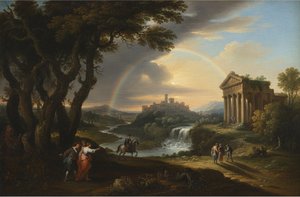
Shadow, Light, and Spectacle: The Dramatic Evolution of Baroque Landscape Painting
Explore the breathtaking drama of Baroque landscapes. Our expert guide delves into the interplay of light and shadow in 17th-century masterpieces. Discover art history and find museum-quality, hand-painted oil reproductions to bring classical grandeur to your home.

Drama in Nature: The Captivating Grandeur of Baroque Landscapes and the Art of Emotional Spectacle
Explore the breathtaking drama of Baroque landscapes. From Rubens's grand vistas to the mastery of chiaroscuro, discover how 17th-century artists transformed nature into a theatrical stage of emotion and light. A deep dive for true art enthusiasts.
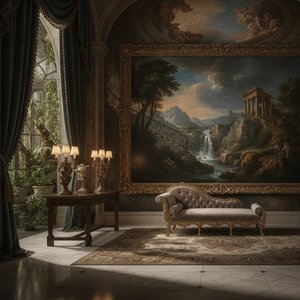
Baroque Landscapes: A Procurement Guide to Dramatic Depth and Grandeur for Professional Hotel Interiors
Elevate hospitality interiors with Baroque landscape reproductions. Our guide for hotel designers covers sourcing hand-painted oils, multi-panel layouts, and large-scale murals to create dramatic, high-end spaces with reliable bulk procurement and global shipping.
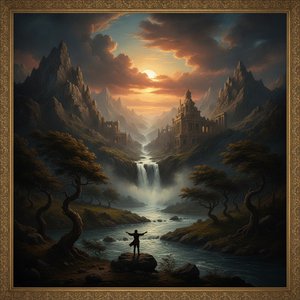
Epic Drama & Dark Vibes: The Ultimate Collector's Guide to Baroque Landscapes
Master the art of drama with our ultimate guide to Baroque landscapes. Discover the power of chiaroscuro, explore legendary masters, and learn how to curate epic, dark-vibe masterpieces for your collection with expert insights from OriginalUniqueArt.
