
 Примерить в интерьере
 Отправить
 Поделиться
 Подробнее
 Руководство

 Скачать
 Похожие объекты
 Рентгенография
 Слайд-шоу
 Статистика
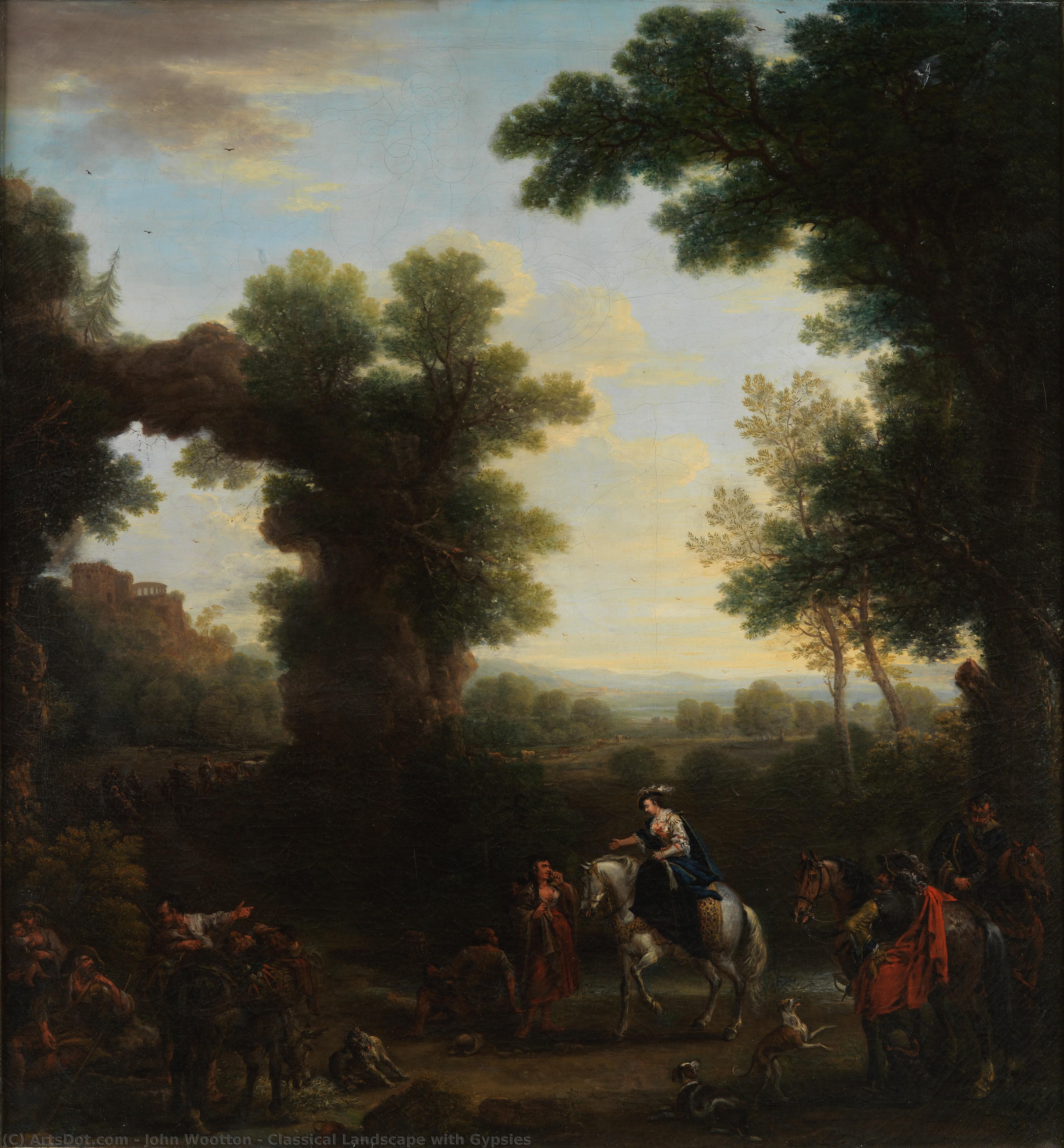
Classical Landscape with Gypsies
 Oil On Canvas
- WallArt
- Baroque Landscape Painting
 1748
1748- Early Modern
 140.0 x 131.0 cm
 Музей Метрополитен
 Развернуть текст
Масляная репродукция ручной работы
Картина маслом на холсте в выбранном вами размере и раме, написанная на заказ нашими художниками. ( Переключиться на печать Перейти к цифровым изображениям)




P118B $10

P118H $10

P118W $10

P438Z $10

P508JH $12

P508YH $12

P805H $10

P805Z $10

P919BZ $10

P919G $10

P919XJ $10

P959ZH $10

P968JZ $12

W106C $8

W218G $10

W218JH $8

W218Y $10

W307PJ $10

W316G $10

W316PJ $8

W316Y $10

W398PJ $8

W4111J $10

W500HY $15

W500JH $15

W692G $12

W849H $8

W940BG $15

W953PJ $8




Выберите один из наших стандартных размеров, соответствующих оригинальным пропорциям произведения искусства.

Введите необходимую ширину и высоту, чтобы репродукция подошла к вашей раме или стене. Поскольку работа выполняется вручную, при изменении пропорций художник может немного увеличить область вокруг картины или, наоборот, обрезать края — выбор за вами. Перед началом работы мы пришлем вам цифровой макет на утверждение. Изображение на этой странице не является точным результатом — увидеть реальный вид можно только на макете.
После оформления заказа команда OriginalUniqueArt.com свяжется с клиентом по электронной почте для уточнения деталей и предоставит предварительный макет
Доставка по всему миру () за 3–4 недели вместо стандартных 5 недель. (27 Октябрь). Без компромиссов в качестве.

Бесплатная экспресс-доставка по всему миру

Высококачественный льняной холст

Полное страхование при транспортировке

Гарантия возврата таможенных пошлин

Гарантия точного цветового соответствия

100-дневный период возврата (только при обнаружении дефектов)

Гарантия возврата 100% средств

Скидка при заказе нескольких работ
 Вариант со стеклом доступен только для размеров менее 110 см

Classical Landscape with Gypsies
Материал репродукции
Размер репродукции
-


Итоговая стоимость
$ 300
A Pastoral Symphony: The Enchantment of Wootton’s Landscape
In the grand tapestry of eighteenth-century British art, few works capture the harmonious tension between aristocratic refinement and the untamed spirit of nature as gracefully as John Wootton’s "Classical Landscape with Gypsies." Executed in 1748, this monumental canvas serves as a breathtaking window into the Regency era's profound fascination with pastoral beauty. The scene unfolds not merely as a static depiction of countryside, but as a meticulously choreographed tableau where the rolling hills and muted greens of the English landscape provide a stage for a lively human narrative. As one gazes upon the composition, there is an immediate sense of entering a world where time slows down, inviting the viewer to wander through the atmospheric perspective and tonal gradations that Wootton mastered so exquisitely under the tutelage of Jan Wyck.
The painting’s subject matter strikes a delicate balance between the idyllic and the itinerant. At its heart, a gathering of gypsies moves through the landscape, their presence introducing a layer of nomadic vitality to the otherwise serene setting. This juxtaposition—the transient life of the travelers set against the permanent, stately backdrop of the countryside—was a hallmark of the era's artistic curiosity. The inclusion of horses, rendered with Wootton’s signature precision, further elevates the narrative; these noble creatures are not merely animals within the frame but symbols of status, freedom, and the deep-seated connection between the landed gentry and the natural world. For the discerning collector or interior designer, this piece offers a profound sense of movement and life, making it an ideal centerpiece for spaces that require a touch of historical grandeur and organic warmth.
Mastery of Brush and Light: The Technical Brilliance
To appreciate "Classical Landscape with Gypsies" is to witness the technical prowess of a pioneer of sporting art. Wootton’s technique eschews the rigid, clinical precision often found in academic painting of his time, opting instead for loose, expressive brushstrokes that imbue the canvas with palpable emotion and dynamism. One can almost feel the breeze moving through the scattered trees and sense the heat radiating from the sun-drenched hills. His ability to manipulate light and shadow creates a sense of depth that draws the eye inward, leading the viewer from the detailed interactions in the foreground—where figures converse and tend to their mounts—toward the hazy, distant horizons.
The color palette is a masterclass in subtlety, utilizing earthy browns, soft ochres, and deep forest greens to evoke a sense of timelessness. This restrained use of color ensures that the painting does not overwhelm a room but rather complements it, providing a sophisticated foundation for luxury decor. For those seeking to integrate fine art into a contemporary or classical interior, a high-quality reproduction of this work offers more than just decoration; it provides an infusion of historical soul. The way Wootton captures the texture of animal coats, the softness of the foliage, and the very atmosphere of the English afternoon makes this painting an enduring masterpiece that continues to inspire awe and tranquility in all who behold it.
Вопросы и ответы
Кто является автором произведения «Classical Landscape with Gypsies»?
Автор произведения «Classical Landscape with Gypsies» — Джон Вуттон. Работа внесена в каталог под именем Джон Вуттон.
Произведение «Classical Landscape with Gypsies» в целом скорее светлое или темное?
Зафиксированные значения для «Classical Landscape with Gypsies», Джон Вуттон: яркость — deep_shadow, светлота — Soft Shadow.
Как сюжет произведения «Classical Landscape with Gypsies» соотносится с привычными темами Джон Вуттон?
Среди зафиксированных тем Джон Вуттон — beaufort family patronage, equestrian tradition, aristocratic landscape, baroque style, decorative art — в работе "Classical Landscape with Gypsies" особый акцент сделан на landscape, gypsies, equestrian art, aristocracy, pastoral scene, classical painting, british art, seventeenth century.
Биография художника
A Pioneer of Sporting Art: The Life and Legacy of John Wootton
John Wootton, born around 1686 in the picturesque Warwickshire village of Snitterfield, near the historic town of Stratford-upon-Avon, emerged as a truly remarkable figure – a pivotal innovator in the burgeoning world of British sporting art. While the precise details of his early life remain somewhat shrouded in the mists of time, it’s believed he entered the service of the esteemed Beaufort family at a young age, an experience that undoubtedly instilled within him a profound appreciation for equestrian pursuits and the refined social circles surrounding aristocratic households. His artistic journey commenced with formal training under Jan Wyck during the 1690s – a period where he honed his foundational skills in draftsmanship and painting techniques, establishing a solid base upon which to build an exceptionally successful career. Even in these formative years, Wootton demonstrated an innate gift for capturing the essence of horses, foreshadowing his future mastery of equine portraiture as evidenced by his earliest known work, “Bonny Black” (1711) – a captivating piece that hinted at the brilliance yet to come.Establishing a Reputation and Artistic Innovation
By 1706, Wootton had firmly established himself in London, rapidly gaining recognition for his evocative depictions of horses, particularly those gracing the vibrant racing scene at Newmarket. He wasn’t merely documenting these magnificent animals; he was imbuing them with spirit, power, and a distinct sense of character – achieving an unprecedented level of detail and sensitivity that set him apart. This specialization brought him into close contact with Britain's elite – a patronage that included figures as prominent as George II and Frederick, Prince of Wales. Wootton actively engaged within the artistic community, subscribing to the first English Academy of Painting and Drawing in 1711 and later serving as a steward of the Virtuosi Club of St Luke’s by 1717 – demonstrating his commitment to fostering intellectual discourse and collaborative artistic endeavors. However, Wootton's contribution extended far beyond simply painting horses; he was a key figure in introducing what became known as the “ideal landscape” to British art – a style deeply influenced by artists like Gaspard Dughet (also known as Gaspar van Wittel). By incorporating classical elements into his landscapes, he offered a refreshing alternative to the prevailing Dutch and Flemish styles, laying the groundwork for future generations of British landscape painters.Mastering the Canvas: Style and Major Works
Wootton’s artistic style is characterized by meticulous detail, a remarkably realistic rendering of animals, and a harmonious blend of figure and landscape painting. He possessed an exceptional ability to observe and then idealize, creating works that were both aesthetically pleasing and reflective of the sporting culture of his time. His equine portraits are arguably his most celebrated achievement – paintings like “The Bloody-Shouldered Arabian” showcase not only technical skill but also a deep understanding of anatomy and character. These weren’t merely representations; they were imbued with life, capturing the individual personality of each horse. Beyond individual horse portraits, Wootton excelled at depicting lively hunting scenes and equestrian activities, often incorporating "conversation pieces" – elaborate compositions that featured riders, hounds, and picturesque settings – designed to be displayed in aristocratic homes. These works weren’t simply records of events; they were carefully constructed narratives that captured the social dynamics and leisurely pursuits of the British aristocracy. His landscapes, while sometimes overshadowed by his animal paintings, demonstrate a refined understanding of perspective, composition, and atmospheric effects, further solidifying his position as a versatile and innovative artist. Works like “Viscount Weymouth’s Hunt” exemplify this skill, portraying aristocratic leisure with classic style and rich detail.Influences and Historical Context
Wootton's artistic development was shaped by several key influences. His early training under Jan Wyck provided him with a solid foundation in draftsmanship and painting techniques. He also drew inspiration from the works of Gaspard Dughet, whose classical landscapes influenced his own approach to composition and color. Furthermore, Wootton’s close association with the aristocratic elite exposed him to the latest artistic trends and allowed him to cultivate a sophisticated understanding of contemporary taste. His work reflects not only his technical skill but also the prevailing social values of the 18th century – a period marked by a fascination with hunting, equestrianism, and the pursuit of refined leisure. He bridged the gap between earlier traditions and the emerging styles that would define 18th-century British art.A Lasting Influence and Historical Significance
While later artists such as George Stubbs – whose anatomical precision surpassed Wootton's – gained greater prominence in the field of animal painting, John Wootton’s pioneering role remains undeniable. He established sporting art as a legitimate genre, paving the way for subsequent artists to explore this subject matter with increasing sophistication. His introduction of the ideal landscape style had a lasting impact on British painting, influencing generations and contributing to the development of a distinctly British aesthetic sensibility. He stands as a testament to the power of observation, innovation, and the enduring appeal of capturing the beauty and dynamism of both the natural world and the aristocratic pursuits that defined his era. Today, Wootton’s works are held in prestigious collections worldwide – including the Tate Gallery (London), the Virginia Museum of Fine Arts (Richmond), and the Yale Center for British Art – ensuring his legacy continues to be appreciated by art enthusiasts.
Джон Вуттон
1682 - 1764 , Великобритания
Краткая справка
- Artistic Movement Or Style: Sporting art, Landscape
- Artists Or Movements Influenced By This Artist:
- Thomas Gainsborough
- George Stubbs
- Artists Who Influenced This Artist:
- Jan Wyck
- Gaspard Dughet
- Date Of Birth: c. 1686
- Date Of Death: 1764
- Full Name: John Wootton
- Nationality: British
- Notable Artworks:
- Bonny Black
- Before the hunt
- The Bloody-Shouldered Arabian
- Place Of Birth: Snitterfield, UK
Похожие статьи

Джон Сингер Сарджент: 25 шедевров портретной живописи для вашего интерьера | OriginalUniqueArt
Погрузитесь в мир Джона Сингера Сарджента! 25 шедевров импрессионизма и реализма, раскрывающих элегантность эпохи Gilded Age. Купите репродукции картин Сарджента музейного качества для вашего интерьера на OriginalUniqueArt.com.

10 Шедевров Неоклассицизма: Искусство, Определившее Эпоху | OriginalUniqueArt
Погрузитесь в мир неоклассицизма! 10 шедевров от Давида, Канновы и других великих художников. Узнайте историю создания культовых картин и вдохновитесь для интерьера. Репродукции музейного качества на OriginalUniqueArt.com
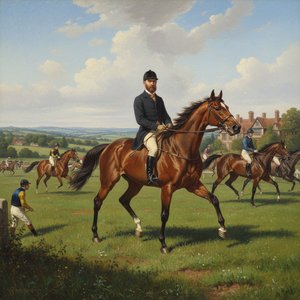
John Frederick Herring Sr.: Equestrian Mastery & the Rise of Sporting Art in Victorian England
Explore the life & work of John Frederick Herring Sr., a leading Victorian equestrian artist. Discover his masterpieces, patronage, techniques & investment potential. Expert insights for collectors.

Джон Констебль: 25 шедевров английского пейзажа для вашего интерьера
Погрузитесь в мир английского пейзажа с Джоном Констеблом! 25 шедевров романтизма, история создания картин и вдохновение для вашего интерьера. Репродукции высокого качества на OriginalUniqueArt.com – искусство для ценителей.
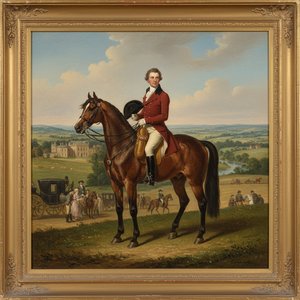
Sr. John E. Ferneley: Equestrian Portraiture & England's Social Fabric
Explore the captivating world of Sr. John E. Ferneley, a master of British sporting art. Discover his exquisite equestrian paintings & insights into 19th-century society. Invest in timeless masterpieces with OriginalUniqueArt.
