
 Предпросмотр
 Поделиться
 Поделиться
 Детали произведения

 Скачать
 Похожие работы
 Рентгенография
 Слайд-шоу
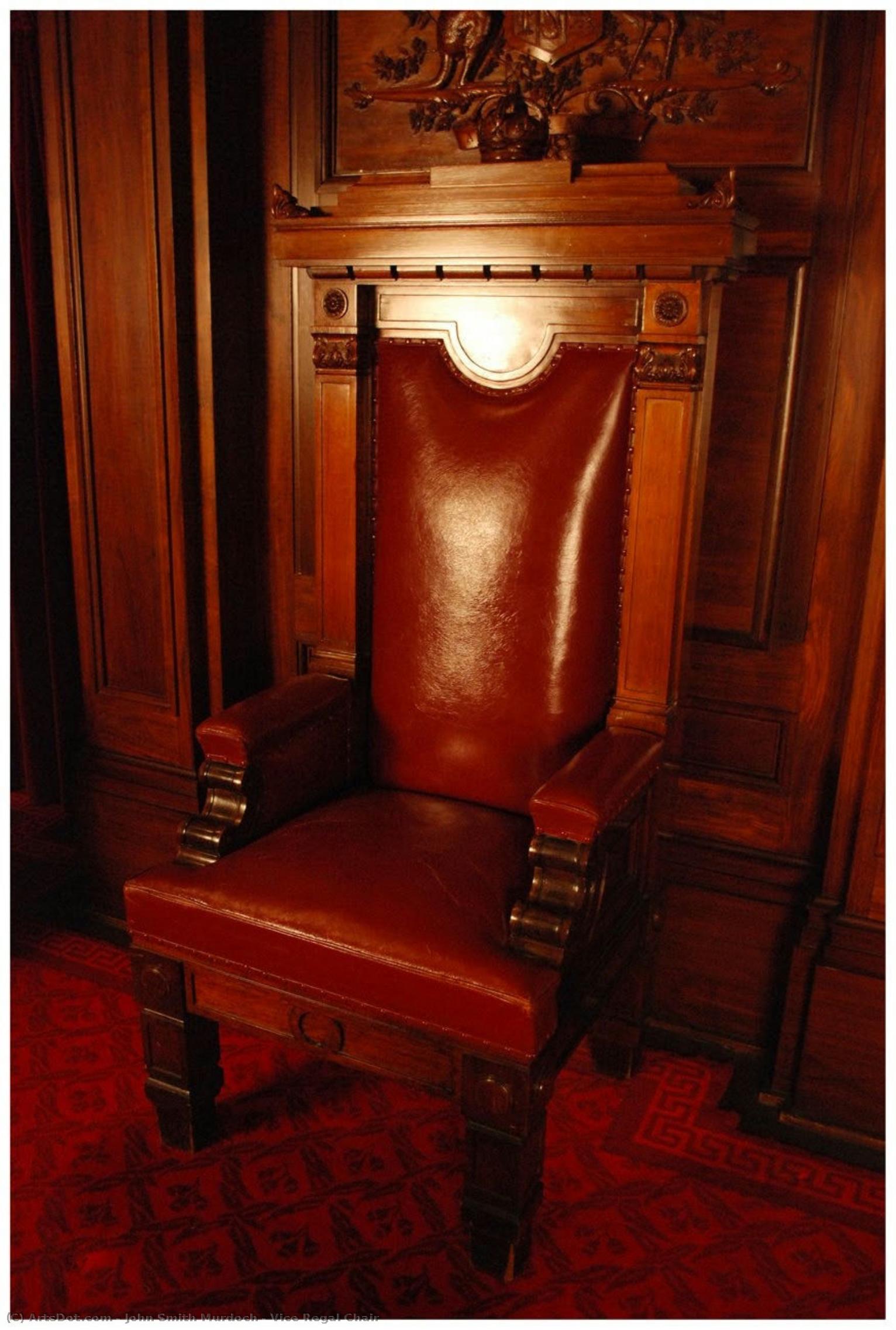
Vice Regal Chair

 Читать далее
Приобретите цифровое изображение высокого разрешения в улучшенном качестве, которое значительно превосходит онлайн-превью.
Каждый файл тщательно подготавливается нашими специалистами с использованием передовых инструментов и экспертной ручной ретуши. Мы гарантируем исключительную четкость, точную цветопередачу и детальную проработку каждого изображения.
Финальный файл доставляется по электронной почте в течение 72 часов и оптимизирован для немедленного использования в профессиональной среде, при верстке и печати. Это тот же уровень качества, которому доверяют ведущие дизайнерские студии, издательства и галереи.
Цифровое изображение
Скачайте файл высокого разрешения для личного использования, печати и творческих проектов. ( Купить принт Купить картину ручной работы)
Включено в каждый заказ цифровых изображений
Гарантия экспертной цифровой доставки
Выбирая OriginalUniqueArt.com, вы получаете не просто изображение — вы приобретаете профессионально обработанное цифровое произведение искусства, созданное с безупречной точностью и под защитой гарантии качества. Вот всё, что автоматически входит в ваш заказ:

Мгновенная доставка по e-mail
Ваш цифровой файл в высоком разрешении будет отправлен вам по электронной почте в течение 72 часов после оформления заказа — и сразу станет доступен для использования.

Цифровой файл с ИИ-улучшением
Ваше произведение искусства проходит профессиональную оптимизацию с использованием передовых инструментов ИИ и ручной обработки, что гарантирует максимальную детализацию, четкость и точность цветопередачи.

Бессрочная бесплатная повторная доставка
Случайно удалили или потеряли файл? Не беспокойтесь — мы отправим его вам повторно в любое время и совершенно бесплатно.

Без импортных пошлин — навсегда
Наслаждайтесь вашим произведением искусства мгновенно без таможенных пошлин, сборов или затрат на доставку — цифровые загрузки всегда не облагаются налогом.

Гарантия точности цветопередачи
Мы гарантируем, что ваше цифровое изображение максимально точно передает оригинальные цвета благодаря использованию профессиональных инструментов и систем управления цветом.

Гарантия удовлетворения в течение 60 дней
Если вы останетесь не удовлетворены покупкой цифрового изображения, мы внесем в него правки или вернем 100% стоимости в течение 60 дней — без лишних вопросов.

100% Гарантия возврата средств
Не удовлетворены покупкой? Мы гарантируем полный возврат средств в течение 60 дней после получения вашего цифрового файла — без лишних вопросов.

Скидки на оптовые заказы
Купите 3 изображения, сэкономьте 10% — Купите 5, сэкономьте 15% — Купите 10+, сэкономьте 20%. Отличное решение для творческих проектов, галерей и агентств.
Описание коллекции
Биография художника
John Smith Murdoch: Architect of Canberra and Pioneer of Australian Design
John Smith Murdoch (1862 – 1945) stands as a pivotal figure in the architectural history of Australia, recognized primarily for his leadership role at the Commonwealth Public Works Department and, crucially, for designing Canberra’s Parliament House—a building that embodies the nation's ideals of democracy and civic grandeur. Born in Scotland, Murdoch’s formative years instilled within him a profound appreciation for classical design principles and meticulous craftsmanship, influences that would permeate his entire career.Early Life and Education
Murdoch’s upbringing fostered an intellectual curiosity and a dedication to formal education. He pursued studies at Glasgow University, specializing in architecture, equipping him with the foundational knowledge necessary to excel in his chosen profession. His early involvement with the Glasgow School of Art as a janitor provided invaluable experience within the burgeoning field of design—a connection that would prove enduring throughout his life. This position wasn’t merely custodial; it allowed Murdoch to observe firsthand the evolving landscape of architectural innovation and the importance of public service.Career at the Commonwealth Public Works Department
Murdoch's ascent began in 1904 when he was appointed Chief Architect for the newly established Commonwealth Public Works Department, marking a significant moment in Australian governance and artistic expression. Under his stewardship, the department undertook ambitious projects aimed at shaping the nation’s capital city—Canberra—a deliberate effort to distance Australia from its colonial past and establish a modern center of government. He championed innovative approaches to building design, prioritizing functionality alongside aesthetic beauty, reflecting the broader ethos of the Edwardian era.The Canberra Parliament House Project
Murdoch's legacy rests most prominently upon his role in conceiving and overseeing the construction of Canberra’s Parliament House—a project that commenced in 1913 and culminated in its inauguration in 1927. Collaborating closely with Walter Burley Griffin, Murdoch skillfully blended Griffin’s visionary organic design sensibilities with classical architectural forms, resulting in a building that remains an emblem of Australian identity. The Parliament House embodies the spirit of compromise—a testament to Murdoch's diplomatic skills and his commitment to forging unity amidst diverse perspectives—and continues to serve as a symbol of Australia’s democratic values.Influences and Artistic Style
Murdoch’s architectural style was deeply rooted in Beaux Arts principles, drawing inspiration from European precedents such as the École des Beaux-Arts in Paris. He favored symmetrical layouts, monumental scale, and elaborate ornamentation—techniques that conveyed authority and grandeur while adhering to established aesthetic standards. Furthermore, Murdoch's meticulous attention to detail—evident in the building’s stonework, glazing, and sculptural elements—demonstrated a dedication to craftsmanship and a belief in the transformative power of art.Legacy and Significance
John Smith Murdoch’s contribution to Australian architecture transcends mere construction; it represents a conscious effort to define national identity through artistic expression. His leadership at the Commonwealth Public Works Department fostered a generation of architects committed to shaping Australia's future—a legacy that persists today in Canberra’s enduring architectural splendor. Murdoch’s unwavering belief in classical ideals and his collaborative spirit cemented his place as one of Australia’s most influential figures, ensuring that his vision continues to inspire designers and shape the nation’s cultural heritage.
john smith murdoch
1862 - 1945 , Scotland
Основные сведения
- Artistic Movement Or Style: Architecture
- Artists Or Movements Influenced By This Artist: ['']
- Artists Who Influenced This Artist: ['']
- Date Of Birth: 1862
- Date Of Death: 1945
- Full Name: John Smith Murdoch
- Nationality: Scottish
- Notable Artworks: ['Canberra Parliament House']
- Place Of Birth: Scotland

