Примерить в интерьере
 Отправить
 Поделиться
 Подробнее
 Руководство

 Скачать
 Похожие объекты
 Рентгенография
 Слайд-шоу
 Статистика
Captain Richard Gubbins
 Oil On Canvas
- WallArt
- Romanticism
 1805
1805- Early Medieval
 76.0 x 64.0 cm
 Йельский центр британского искусства
 Развернуть текст
Жикле / Арт-принты
Печать (жикле) или холст музейного качества с быстрыми сроками изготовления и широким выбором вариантов отделки. ( Заказать репродукцию ручной работы Перейти к цифровым изображениям)




P118B $10

P118H $10

P118W $10

P438Z $10

P508JH $12

P508YH $12

P805H $10

P805Z $10

P919BZ $10

P919G $10

P919XJ $10

P959ZH $10

P968JZ $12

W106C $8

W218G $10

W218JH $8

W218Y $10

W307PJ $10

W316G $10

W316PJ $8

W316Y $10

W398PJ $8

W4111J $10

W500HY $15

W500JH $15

W692G $12

W849H $8

W940BG $15

W953PJ $8




Выберите один из наших стандартных размеров, соответствующих оригинальным пропорциям произведения искусства.

Введите необходимую ширину и высоту, чтобы репродукция подошла к вашей раме или стене. При печати изображение можно только уменьшить, но нельзя увеличить больше оригинала, поэтому при выборе другого формата часть изображения может быть обрезана. Перед печатью мы отправим вам цифровой макет на утверждение. Изображение на этой странице не отображает реальную обрезку — ее можно увидеть только на макете.
Доставка по всему миру () за 2 недели вместо стандартных 4–5 недель. (20 Октябрь)

Бесплатная экспресс-доставка по всему миру

Высококачественный льняной холст

Полное страхование при транспортировке

Гарантия возврата таможенных пошлин

Гарантия точного цветового соответствия

100-дневный период возврата (только при обнаружении дефектов)

Гарантия возврата 100% средств

Скидка при заказе нескольких работ
 Вариант со стеклом доступен только для размеров менее 110 см

Captain Richard Gubbins
Жикле / Арт-принты
Размер репродукции
-


Итоговая стоимость
$ 80
A Portrait of Quiet Authority: Captain Richard Gubbins by John Constable
John Constable’s “Captain Richard Gubbins,” painted in 1805 and now residing within the esteemed Yale Center for British Art, is more than a simple likeness; it's a carefully constructed tableau of character and circumstance. This oil on canvas offers a glimpse into the life of a man – Captain Richard Gubbins – rendered with Constable’s signature blend of meticulous observation and deeply felt emotion. The painting immediately draws the eye to the subject himself: a figure presented with a dignified, almost austere presence. His red coat, adorned with a subtle green collar indicative of his military rank, speaks volumes about his position within society, while the sword resting at his side is not merely an accessory but a potent symbol of authority and duty.
Constable’s masterful use of light and shadow plays a crucial role in shaping our perception of Gubbins. The strong directional lighting emphasizes the lines of his face, highlighting a stern expression that conveys both seriousness and discipline. This isn't a portrait designed for immediate charm; rather, it invites contemplation, prompting us to consider the weight of responsibility borne by this officer. The background, subtly layered with two figures – one to the left and another receding into the distance on the right – adds depth and context without distracting from the central subject. These secondary elements suggest a life lived within a structured environment, perhaps hinting at the social circles and obligations that defined Gubbins’ existence.
The Language of Form: Constable's Technique
The remarkable realism achieved in “Captain Richard Gubbins” is a testament to Constable’s exceptional technical skill. He employed a layered approach, building up textures and tones with painstaking detail – particularly evident in the rendering of the uniform’s fabric and the subtle nuances of Gubbins’ facial features. The brushstrokes are visible yet controlled, creating a sense of immediacy and capturing the very essence of the subject's presence. Constable’s use of color is equally noteworthy; he avoids overly bright or dramatic hues, opting instead for a more restrained palette that reflects the seriousness of the subject matter. The subtle gradations of tone contribute to the painting’s overall atmosphere of quiet dignity.
Notably, Constable's technique demonstrates his deep understanding of light and its effects on form. He skillfully utilizes chiaroscuro – the dramatic contrast between light and dark – to sculpt Gubbins’ features and create a sense of three-dimensionality. This masterful manipulation of light not only enhances the realism of the portrait but also imbues it with an emotional resonance, suggesting both strength and vulnerability.
A Window into the Age: Historical Context
“Captain Richard Gubbins” is firmly rooted in the artistic and social landscape of early 19th-century Britain. The Yale Center for British Art’s collection, a treasure trove of British art history, provides invaluable context for understanding Constable's work. The painting reflects the prevailing values of the era – a respect for military service, an appreciation for order and discipline, and a fascination with portraiture as a means of documenting individual identity. The inclusion of the two background figures further reinforces this social setting, offering glimpses into the lives of those who surrounded Gubbins.
Furthermore, Constable’s work aligns with the broader artistic trends of his time, particularly the shift towards greater realism and emotional depth in landscape painting. His meticulous attention to detail and his ability to capture the essence of his subjects paved the way for future generations of artists. The Yale Center's collection, a cornerstone of British art history, ensures that Constable’s legacy continues to be celebrated and studied.
Symbolism and Emotional Resonance
Beyond its technical brilliance, “Captain Richard Gubbins” is rich in symbolic meaning. The red coat and green collar represent the Captain’s military status and social standing, while the sword symbolizes his authority and duty. The stern expression on Gubbins' face suggests a man of unwavering resolve, perhaps burdened by responsibility or reflecting the challenges he has faced. Yet, there’s also an underlying sense of quiet dignity—a suggestion that this is not merely a portrait of a soldier but a representation of a complex individual grappling with his role in society.
Ultimately, “Captain Richard Gubbins” transcends its literal subject matter to become a powerful meditation on identity, duty, and the human condition. It’s a painting that invites viewers to contemplate not only the life of Captain Richard Gubbins but also their own place within the broader tapestry of history and society. A hand-painted reproduction offers an exceptional opportunity to bring this captivating artwork into your home or office, allowing you to appreciate Constable's genius for generations to come.
Вопросы и ответы
Каков реальный размер произведения «Captain Richard Gubbins», Джон Констебл?
Зафиксированные размеры работы «Captain Richard Gubbins», Джон Констебл составляют 76 x 64 cm. Вы можете заказать репродукции в других размерах с сохранением тех же пропорций.
Откуда приезжают посетители «Captain Richard Gubbins», Джон Констебл?
Для произведения «Captain Richard Gubbins» доступна страница Статистика. На ней представлен график ежемесячных просмотров данного произведения и других работ автора с разбивкой по странам и языкам.
Какая ориентация у «Captain Richard Gubbins», Джон Констебл?
«Captain Richard Gubbins», Джон Констебл — это композиция в формате Portrait. Перед выбором размера печати стоит проверить пропорции.
Биография художника
A Life Rooted in the English Landscape
John Constable, born in 1776 in the idyllic Suffolk village of East Bergholt, был не просто художником пейзажей; он был поэтом земли, переводящим ее тонкие настроения и вечную красоту на холст с беспрецедентной эмоциональной глубиной. Его отец, успешный зерноторговец, владевший как Dedham Vale, так и мельницами вдоль реки Стур, не только обеспечивал финансовую безопасность, но и предоставил саму тему для творчества Констебла – медленный ритм сельскохозяйственной жизни, постоянно меняющийся свет на полях и воде, интимные детали природы. Это рано запечатлелось в его сознании. Хотя изначально он был намечен для продолжения семейного бизнеса, страсть к искусству, воспитанная местными меценатами, такими как Джордж Беммонт, который познакомил его с работами Клода Лоранна, в конечном итоге направила его по другому пути. Художественное путешествие Констебла не было мгновенным; это было постепенное развитие, сформированное тщательным наблюдением и постоянным стремлением не просто *видеть*, но и *чувствовать* то, что находится внутри пейзажа.Breaking with Convention: A New Vision of Nature
Художественное развитие Констебла было отмечено сознательным отказом от господствующих академических правил. Недовольство идеализированными и часто театральными пейзажами, которые предпочитали Королевская академия, побудило его искать правдивое представление природы, пронизанное личным чувством. Ему не интересовали грандиозные исторические повествования или мифологические сцены; его фокус оставался непоколебимо сосредоточен на знакомой ему сельской местности. Эта преданность изображению обыденных предметов – вагон с сеном, фермерские постройки, деревенская жизнь – изначально встретила сопротивление критиков, которые посчитали его работу слишком обычной и лишенной амбиций. Однако Констебл не сдался, движимый убеждением в том, что красота заключается в повседневности. Он проложил путь *пуэн-э-ауэр* (plein air) живописи, отправляясь на открытый воздух, чтобы непосредственно наблюдать и запечатлеть мимолетные эффекты света и погоды. Это непосредственное взаимодействие с природой позволило ему наполнить свои полотна непосредственностью и жизненной силой, которые ранее не были замечены в британском пейзаже. Его манера письма становилась все более свободной и экспрессивной, используя импасто – толстые слои краски – для создания текстуры и передачи ощущения движения и атмосферы. Он не просто запечатлевал то, что видел; он преобразовывал свои эмоциональные реакции на землю в визуальную форму.Iconic Works and Lasting Influence
Наиболее известные работы Констебла являются свидетельством его уникального видения. The Hay Wain (1821), возможно, самая узнаваемая картина, изображает типичную сельскую сцену на реке Стур, передавая спокойствие и гармонию сельскохозяйственной жизни. Hadleigh Castle (1829) демонстрирует его драматическое использование света и атмосферных эффектов, превращая разрушающий замок в мощный символ времени. Серия картин, изображающих Salisbury Cathedral from the Meadows (1831), показывает его способность вызывать различные настроения и времена года, раскрывая собор как неотъемлемую часть природного ландшафта. Netley Abbey (1824), с его воодушевляющим изображением архитектурной мощи на фоне дикой красоты природы, иллюстрирует его умение сочетать человеческое творение с дикой красотой сельской местности. Несмотря на первоначальные трудности в признании в Англии, Констебл добился значительной известности во Франции, где его инновационные техники и эмоциональная глубина глубоко резонировали с художниками, стремящимися к более реалистичному подходу к пейзажной живописи. Он оказал сильное влияние на школу Бизоргон, группу французских художников, которые разделяли его приверженность *пуэн-э-ауэр* и непосредственному наблюдению за природой.Personal Life & Final Years
Личная жизнь Констебла была отмечена как радостью, так и печалью. Он женился на Марии Бикнл в 1816 году, и у них было семь детей, хотя многие из них рано умерли. Его брак обеспечивал его эмоциональную поддержку, но также создавал финансовое бремя. Он был избран Королевским академиком в 1829 году, но продолжал сталкиваться с критикой со стороны некоторых кругов, особенно в отношении его нетрадиционных техник. Его поздние годы были омрачены угасанием здоровья Марии и ее последующей смертью в 1828 году, что глубоко повлияло на него. Несмотря на эти трудности, Констебл оставался преданным своему искусству, продолжая рисовать до своей смерти 31 марта 1837 года. Он оставил богатое художественное наследие – свидетельство его непоколебимой приверженности изображению красоты и эмоциональной глубины английской сельской местности. Его картины по-прежнему являются мощными образами ушедшей эпохи, приглашая зрителей испытать пейзаж через его уникально чуткие глаза.Useful Links
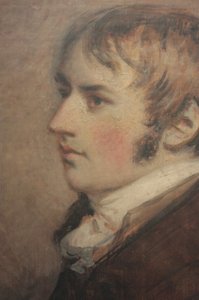
Джон Констебл
1776 - 1837 , Великобритания
Краткая справка
- Artistic Movement Or Style: Романтизм
- Artists Or Movements Influenced By This Artist: ['Школа Барбизон']
- Artists Who Influenced This Artist:
- Клод Лоран
- Якоб Руйследе
- Date Of Birth: 11 июня 1776
- Date Of Death: 31 марта 1837
- Full Name: Джон Констебл
- Nationality: Британский
- Notable Artworks:
- The Hay Wain
- Hadleigh Castle
- Salisbury Cathedral
- Place Of Birth: East Bergholt, Великобритания
Похожие статьи
John Constable: Nature, Light & the Romantic Vision of Rural England
Explore the life & art of John Constable, the Romantic painter who revolutionized landscape with emotive scenes of rural England. Discover his techniques, legacy, and key works – perfect for collectors & enthusiasts.
John Hoppner: Portraiture, Patronage & British Identity in the Late Georgian Era
Explore the life & work of John Hoppner, a leading Georgian portraitist. Discover his vibrant style, influential patrons, and lasting impact on British art history. Expert insights for collectors.
John Frederick Lewis: Orientalism, Detail & Genre Painting in 19th-Century British Art
Explore the captivating Orientalist paintings of John Frederick Lewis! Discover his mastery of detail, genre scenes & influence on 19th-century British art. Learn about his life, techniques & legacy at OriginalUniqueArt.

Джон Констебль: 25 шедевров английского пейзажа для вашего интерьера
Погрузитесь в мир английского пейзажа с Джоном Констеблом! 25 шедевров романтизма, история создания картин и вдохновение для вашего интерьера. Репродукции высокого качества на OriginalUniqueArt.com – искусство для ценителей.

Джон Сингер Сарджент: 25 шедевров портретной живописи для вашего интерьера | OriginalUniqueArt
Погрузитесь в мир Джона Сингера Сарджента! 25 шедевров импрессионизма и реализма, раскрывающих элегантность эпохи Gilded Age. Купите репродукции картин Сарджента музейного качества для вашего интерьера на OriginalUniqueArt.com.