

 Предпросмотр
 Поделиться
 Поделиться
 Детали произведения

 Скачать
 Похожие работы
 Рентгенография
 Слайд-шоу
Klosterstrasse
 Oil On Canvas
- WallArt
- Romantic Urbanism
 1830
1830- 19th Century
 32.0 x 44.0 cm
 Национальная галерея
 Читать далее
Жикле / Арт-принт
Печать (жикле) или холст музейного качества с быстрыми сроками изготовления и широким выбором вариантов отделки. ( Купить картину ручной работы Купить изображение)




P118B $10

P118H $10

P118W $10

P438Z $10

P508JH $12

P508YH $12

P805H $10

P805Z $10

P919BZ $10

P919G $10

P919XJ $10

P959ZH $10

P968JZ $12

W106C $8

W218G $10

W218JH $8

W218Y $10

W307PJ $10

W316G $10

W316PJ $8

W316Y $10

W398PJ $8

W4111J $10

W500HY $15

W500JH $15

W692G $12

W849H $8

W940BG $15

W953PJ $8




Выберите один из наших стандартных размеров, соответствующих оригинальным пропорциям произведения искусства.

Вы можете указать свои собственные размеры, чтобы репродукция идеально подошла под конкретную раму или пространство. Если выбранный вами размер не будет соответствовать пропорциям оригинала, мы либо обрежем произведение, либо дополним изображение зеркальным отражением краев или однотонной заливкой. Перед началом производства вам будет отправлен цифровой макет для утверждения.
Пожалуйста, обратите внимание, что предварительный просмотр на экране не отображает фактическую обрезку или расширение изображения. Только макет точно покажет финальную композицию.
Несмотря на возможность заказа индивидуальных размеров, мы рекомендуем выбирать размер из предопределенного списка, чтобы сохранить оригинальные пропорции.
Доставка по всему миру () за 2 недели вместо стандартных 4/5 недель. (30 Август)

Бесплатная экспресс-доставка по всему миру

Высококачественный льняной холст

Полное страхование доставки

Гарантия возмещения таможенных пошлин

Гарантия точного соответствия цветов

Политика возврата в течение 60 дней (только при наличии дефектов)

Гарантия возврата 100% средств

Предложение оптовых скидок
 Вариант со стеклом доступен только для размеров менее 110 см

Klosterstrasse
Жикле / Арт-принт
Размер репродукции
-


Итоговая стоимость
$ 80
A Window Into Prussian Life: Johann Philipp Eduard Gaertner’s Klosterstrasse
The painting Klosterstrasse by Johann Philipp Eduard Gaertner stands as a testament to the meticulous observation of urban landscapes that characterized the Biedermeier era—a period marked by quiet introspection and an appreciation for the tangible beauty of everyday life in Prussia. Created in 1830, this oil on canvas masterpiece measuring 32 x 44 cm resides within the Nationalgalerie in Berlin, offering visitors a rare glimpse into a pivotal moment in German artistic history. As an art expert specializing in historical reproductions at OriginalUniqueArt.com, I can confidently assert that Klosterstrasse transcends mere depiction; it embodies a profound understanding of its time and place.- Subject Matter: Gaertner’s focus isn't on grand narratives or heroic figures but rather on the commonplace—a busy Berlin street scene bathed in diffused light. The composition skillfully captures the dynamism of urban activity, presenting pedestrians navigating cobblestone streets amidst towering buildings adorned with ornate facades. Notably, a prominent church steeple punctuates the skyline, symbolizing faith and civic pride – elements deeply ingrained within Prussian society at the time.
- Style & Technique: Gaertner’s approach aligns perfectly with Biedermeier aesthetics—characterized by realism tempered with subtle tonal harmonies. He employs meticulous brushwork to render textures convincingly, capturing the weathered stone of buildings and the folds of clothing with remarkable accuracy. The subdued lighting contributes significantly to the painting's atmosphere, casting shadows that deepen the sense of depth and creating a contemplative mood.
- Historical Context: Klosterstrasse emerged during a period of significant social and political transformation in Prussia—the aftermath of Napoleon’s defeat and the burgeoning industrial revolution. Gaertner’s depiction reflects the anxieties and aspirations of his contemporaries, capturing both the grandeur of Prussian architecture and the everyday realities of urban life. It serves as invaluable documentation for historians studying the visual culture of 1830s Berlin.
- Symbolism: Beyond its realistic portrayal, Klosterstrasse carries symbolic weight. The church steeple represents spiritual solace amidst the bustle of the city—a common motif in Biedermeier art reflecting a desire for moral grounding and stability. Furthermore, the architectural details convey Prussia’s ambition to modernize while preserving its heritage.
- Emotional Impact: Viewing Klosterstrasse evokes a feeling of quiet contemplation—drawing the viewer into a scene frozen in time. The artist's masterful use of light and color creates an immersive experience that transports us back to 19th-century Berlin, prompting reflection on themes of urban life, faith, and artistic precision.
Биография художника
Johann Philipp Eduard Gaertner - A Chronicler of Prussian Grandeur
Johann Philipp Eduard Gaertner (1801 – 1877) stands apart from many of his contemporaries in the annals of 19th-century German painting. He eschewed grand historical narratives and romanticized landscapes, instead dedicating himself to a remarkably precise observation of his urban surroundings—primarily the evolving cityscape of Prussia. While his name might not command immediate recognition alongside luminaries like Caspar David Friedrich or Eugène Delacroix, Gaertner’s detailed depictions of Berlin and its environs offer invaluable visual documentation of a pivotal era, bridging the gap between Biedermeier sensibilities and the burgeoning modern world. His artistic journey began modestly enough; after relocating to Kassel with his mother in 1806—where he received initial drawing instruction—Gaertner returned to Berlin in 1813 and embarked on a six-year apprenticeship at the Royal Porcelain Factory. This formative experience instilled within him a meticulous attention to detail that would become a hallmark of his mature style, shaping his artistic vision for decades to come.From Decorative Painter to Vedutist: A Parisian Awakening
A decisive turning point arrived in 1821 when Gaertner secured a position as a decorative painter within the studios of Carl Wilhelm Gropius—the royal court theater painter—allowing him to hone his skills and immerse himself in the vibrant artistic milieu of Paris. This period proved crucial in fostering his fascination with architectural painting, fueled by the influence of Parisian *vedute* tradition. Inspired by the magnificent vistas of medieval buildings—particularly those encountered during his travels—Gaertner absorbed techniques for manipulating light and atmosphere, learning to capture not merely the physical structures but also their emotional resonance. He meticulously studied the works of celebrated vedutisti like Jean-Baptiste Oudry and Nicolas Antoine Taunay, absorbing their mastery of perspective and tonal gradation. Upon returning to Berlin in 1828—where he married and established a family—Gaertner continued his artistic pursuits, focusing primarily on documenting the Biedermeier style buildings of the city.Documenting a Changing Berlin: Patronage and Panoramic Visions
The subsequent decade witnessed Gaertner diligently recording the architectural transformations occurring in Berlin, catering to royal patronage with depictions of castles in Bellevue, Charlottenburg, and Glienicke—sites that held immense symbolic significance for Prussia’s monarchy. Recognizing the importance of visual representation as a tool for conveying prestige and commemorating historical events, he undertook commissions from influential figures within Prussian society. In 1834, Gaertner achieved considerable acclaim with the undertaking of a monumental panorama of Berlin—painted from the roof of the Friedrichswerder Church—a location offering unparalleled panoramic views. This ambitious project captivated both King Friedrich Wilhelm III and his daughter, Tsarina Alexandra Feodorovna—demonstrating the widespread appreciation for Gaertner’s artistic skill and dedication to capturing the essence of Prussian architecture. He skillfully utilized a camera obscura—a device employing lenses and mirrors to project an image of the outside world onto a surface—to aid in sketching the layouts and perspectives of his paintings, reflecting a commitment to accuracy that characterized his entire oeuvre.Techniques and Influences
Gaertner’s artistic approach was profoundly shaped by several key influences: Firstly, he drew inspiration from Medieval Architecture, particularly the grandeur of Gothic cathedrals—a fascination evident in many of his early compositions. Secondly, he absorbed techniques for manipulating light and atmosphere from Parisian vedute painting—embracing the principles championed by artists like Jean-Baptiste Oudry and Nicolas Antoine Taunay. These influences combined to produce a distinctive visual style characterized by meticulous detail and an evocative portrayal of urban spaces. Finally, Gaertner’s training at the Royal Porcelain Factory instilled within him a fundamental understanding of perspective and tonal gradation—skills that underpinned his success as an architectural painter. ## Legacy and Recognition Despite facing financial difficulties following the death of King Friedrich Wilhelm III—who had previously favored Italianate landscapes over Gaertner’s architectural depictions—Gaertner persevered, adapting to changing circumstances by connecting with a group dedicated to preserving and restoring monuments. He undertook extensive travels throughout Prussia—creating watercolor sketches intended for sale and documenting the inventory of historical sites—demonstrating his unwavering commitment to artistic excellence and scholarly research. Although photography emerged as a rival medium in the latter half of the 19th century—challenging Gaertner’s dominance in architectural representation—his work experienced a resurgence of interest at the “Deutschen Jahrhundert-Ausstellung” of 1906—followed by major exhibitions in 1968, 1977, and 2001—events that cemented his reputation as one of Prussia’s foremost chroniclers of its architectural heritage. Gaertner's legacy resides not merely in the beauty of his paintings but also in their historical significance—serving as invaluable records of a transformative era—offering a glimpse into the heart of 19th-century Prussia through the discerning eye of a dedicated and meticulous artist.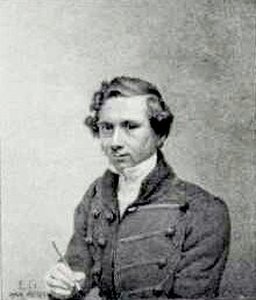
Эдуард Гартнер
1801 - 1877 , Германия
Основные сведения
- Artistic Movement Or Style: Biedermeier, Vedute
- Artists Who Influenced This Artist:
- Medieval architecture
- Parisian vedute painting
- Date Of Birth: 1801
- Date Of Death: 1877
- Full Name: Johann Philipp Eduard Gaertner
- Nationality: German
- Notable Artworks:
- The Neue Wache in Berlin
- Klosterstrasse
- Belvedere on Havel landscape
- Place Of Birth: Berlin, Germany
Похожие статьи

The Enduring Legacy of Oil on Canvas: Technique, History & Aesthetic Impact
Explore the rich history & techniques of oil painting – from Renaissance masters to Impressionism. Discover pigments, layering methods, and why this timeless medium endures. Expert insights for artists & art enthusiasts.

Oil on Canvas: A Historical & Technical Exploration of a Timeless Artistic Medium
Explore the rich history & enduring techniques of oil painting on canvas. Discover the science behind its longevity, conservation practices, and contemporary relevance. Expert insights for art enthusiasts.

Масляная живопись: История, техника и непреходящее наследие
Узнайте все о масляной живописи: история техники, секреты мастеров и современные тенденции. Погрузитесь в мир искусства с экспертами !
The Soul of Impressionism: Why Oil on Canvas Captures Eternal Light and Timeless Emotion
Discover the enchanting alchemy of Impressionism. Explore how the mastery of oil on canvas, through glazing and impasto, captures eternal light and emotion. Perfect for lovers of Monet and Van Gogh seeking the profound depth of hand-painted fine art.
Топ-10 шедевров масляной живописи, изменивших искусство навсегда | OriginalUniqueArt.com
Погрузитесь в мир великих шедевров масляной живописи! От Леонардо да Винчи до Ван Гога – узнайте истории создания самых известных картин, техники художников и их влияние на искусство. Репродукции музейного качества на OriginalUniqueArt.com. Explore the full collection online!

