

 Предпросмотр
 Поделиться
 Поделиться
 Детали произведения

 Скачать
 Похожие работы
 Рентгенография
 Слайд-шоу
Gabriel Manigault
 Acrylic On Canvas
- WallArt
- Rococo Style
 1757
1757 76.0 x 62.0 cm
 Музей Метрополитен
 Читать далее
Жикле / Арт-принт
Печать (жикле) или холст музейного качества с быстрыми сроками изготовления и широким выбором вариантов отделки. ( Купить картину ручной работы Купить изображение)




































Выберите один из наших стандартных размеров, соответствующих оригинальным пропорциям произведения искусства.

Вы можете указать свои собственные размеры, чтобы репродукция идеально подошла под конкретную раму или пространство. Если выбранный вами размер не будет соответствовать пропорциям оригинала, мы либо обрежем произведение, либо дополним изображение зеркальным отражением краев или однотонной заливкой. Перед началом производства вам будет отправлен цифровой макет для утверждения.
Пожалуйста, обратите внимание, что предварительный просмотр на экране не отображает фактическую обрезку или расширение изображения. Только макет точно покажет финальную композицию.
Несмотря на возможность заказа индивидуальных размеров, мы рекомендуем выбирать размер из предопределенного списка, чтобы сохранить оригинальные пропорции.
Доставка по всему миру () за 2 недели вместо стандартных 4/5 недель. (16 Август)

Бесплатная экспресс-доставка по всему миру

Высококачественный льняной холст

Полное страхование доставки

Гарантия возмещения таможенных пошлин

Гарантия точного соответствия цветов

Политика возврата в течение 60 дней (только при наличии дефектов)

Гарантия возврата 100% средств

Предложение оптовых скидок
 Вариант со стеклом доступен только для размеров менее 110 см

Gabriel Manigault
Жикле / Арт-принт
Размер репродукции
-


Итоговая стоимость
$ 80
Описание предмета коллекционирования
A Window Into Colonial Privilege: Jeremiah Theus’ Portrait of Gabriel Manigault
The Charleston studio of Jeremiah Theus (1716 – 1774) pulsed with the energy of the Rococo era, a period characterized by opulent ornamentation and an embrace of aristocratic grandeur. Amidst this artistic fervor, Theus produced a remarkable series of portraits documenting the lives of South Carolina’s wealthiest families—among them, the Manigault clan, whose patriarch and matriarch are immortalized in “Gabriel Manigault,” a painting measuring 76 x 62 cm created in 1757. This artwork transcends mere representation; it serves as a tangible testament to the social dynamics and material realities of colonial America.The Painter’s Vision: Rococo Style and Technique
Theus' artistic approach exemplifies the hallmarks of Rococo, prioritizing delicate brushstrokes, pastel hues, and asymmetrical compositions—elements designed to evoke beauty and refinement. Unlike the solemn formality of Neoclassical art that dominated Europe at the time, Rococo favored playful elegance and sensual indulgence. The meticulous layering of glazes achieved by Theus lends a luminous quality to the canvas, capturing not only Gabriel Manigault’s likeness but also an aura of aristocratic composure. Notice particularly how he skillfully renders the texture of Manigault's wig—a deliberate gesture reflecting the status symbol prevalent within Charleston society.A Legacy Shaped by Slavery and Rebellion
“Gabriel Manigault” is inextricably linked to the complex history of colonial South Carolina, specifically its reliance on enslaved labor. Gabriel Manigault’s fortune stemmed from rice plantations overseen by hundreds of individuals held captive—a stark reminder of the moral contradictions inherent in the era's prosperity. The painting itself bears witness to this reality through subtle visual cues: the inclusion of two figures flanking Manigault subtly underscores the familial bonds that underpinned the plantation system. However, recent scholarship has unearthed a more provocative interpretation – suggesting that the deliberate defacement of the canvas following the Civil War wasn’t merely vandalism but an act of iconoclasm fueled by formerly enslaved residents seeking to challenge the legacy of oppression. This reimagining elevates “Gabriel Manigault” beyond a portrait of wealth and privilege, transforming it into a symbol of resistance against entrenched social hierarchies.Symbolism Beyond Appearance: The Portrait as Document
The artist’s careful attention to detail extends far beyond capturing physical likeness. Jeremiah Theus employed symbolism to convey deeper meanings about his subjects—and by extension, the Manigault family's position within Charleston society. The pose of Gabriel Manigault—seated with a dignified gaze—communicates authority and stability. Furthermore, the inclusion of two additional figures represents familial connections and reinforces the importance of lineage in upholding social status. These elements contribute to an overall impression of cultivated refinement and reinforce the painting’s role as a historical document capturing a pivotal moment in American aristocratic history.Emotional Resonance: Capturing Essence Through Light
Ultimately, “Gabriel Manigault” succeeds in conveying an emotional resonance that transcends its formal conventions. The soft lighting employed by Theus imbues the portrait with warmth and tranquility—creating an atmosphere of contemplative serenity. This deliberate artistic choice invites viewers to contemplate not only Gabriel Manigault’s appearance but also his inner character—a feat accomplished through masterful technique and a profound understanding of human psychology. It remains a captivating piece, offering insight into both the aesthetic sensibilities of its time and the enduring power of art to illuminate historical narratives.Биография художника
Jeremiah Theus: Pioneer of Charleston Portraiture
Jeremiah Theus (1716 – 1774) stands as a singular figure in the artistic landscape of colonial South Carolina, recognized primarily for his masterful portraits that captured the essence of Charleston society during its golden age. Born in Chur, Switzerland—the eldest son of Simeon and Anna Walser Theüs—his early life was marked by Huguenot heritage and familial migration to America in 1735, driven by religious persecution. This journey cemented his destiny within the burgeoning port city, where he established himself as Charleston’s foremost painter for nearly four decades. ### Early Life and Artistic Training Details regarding Theus's formal artistic training remain elusive, reflecting the limitations of educational opportunities available in colonial America at the time. However, circumstantial evidence suggests exposure to European artistic traditions—likely honed during his formative years in Switzerland—influenced his stylistic choices. His inclination toward meticulous observation and skillful emulation of prevailing trends within Rococo art is palpable throughout his oeuvre. Notably, he drew inspiration from English mezzotint prints depicting aristocratic figures, mirroring the aesthetic sensibilities of London’s elite. ### Charleston Studio and Patronage By 1740, Theus had firmly established a studio in Charleston's bustling commercial district—specifically at the northeast corner of Broad Street and Meeting Streets—a location that ensured proximity to influential patrons and facilitated access to artistic commissions. His reputation swiftly grew, fueled by his dedication to capturing likenesses with remarkable accuracy and incorporating stylistic elements characteristic of English portraiture. He catered to a diverse clientele encompassing merchants, planters, and prominent families, documenting their status and grandeur through canvases adorned with opulent fabrics and jewelry—a deliberate reflection of the aspirations of Charleston’s upper echelon. ### Notable Commissions and Artistic Style Theus's artistic output spanned numerous significant projects, including the decoration of St. Michael’s Episcopal Church steeple in 1756, where he skillfully rendered architectural details alongside portraits of congregational leaders. He also undertook the creation of a weather vane for Charleston—a testament to his versatility as an artist—and contributed substantially to the fundraising efforts for a new church building. His distinctive style is characterized by restrained compositions featuring figures positioned upright and bathed in soft light, mirroring the conventions of English portraiture prevalent during his era. Theus’s penchant for incorporating elements borrowed from mezzotint prints—such as drapery folds and poses—underscored his commitment to stylistic innovation while simultaneously honoring established artistic traditions. ### Legacy and Influence Jeremiah Theus's enduring legacy resides not only in the sheer volume of portraits he produced but also in their profound contribution to documenting Charleston’s social history. His canvases serve as invaluable visual records of individuals who shaped the city’s economic, political, and cultural trajectory—a testament to his role as a chronicler of colonial society. Furthermore, Theus's influence extended beyond Charleston, inspiring subsequent artists and establishing a precedent for stylistic emulation within American portraiture. His meticulous technique and unwavering dedication to capturing likenesses with precision solidified his position as one of the most celebrated painters of his time—a figure whose work continues to fascinate art historians and enthusiasts alike. ### Major Achievements Among Theus’s accomplishments stand three monumental portraits: Barnard Elliott and his wife, Susannah Holmes, and Mrs. Peter Manigault – each considered masterpieces of Charleston portraiture. These canvases exemplify the artist's mastery of technique and stylistic innovation, reflecting the prevailing aesthetic sensibilities of London’s elite and establishing a benchmark for future generations of American painters. His paintings are housed in museums across America and Europe, ensuring that his artistic legacy persists into the 21st century.
Жеремия Теус
1716 - 1774 , Швейцария
Основные сведения
- Artistic Movement Or Style: Рококо
- Artists Or Movements Influenced By This Artist: ['Энглишское искусство']
- Artists Who Influenced This Artist:
- Фрэнсис Костэ
- Джон Синглтон Кроули
- Date Of Birth: Апрель 5, 1716 г.
- Date Of Death: Май 17, 1774 г.
- Full Name: Jeremiah Theüs
- Nationality: Швейцарец
- Notable Artworks:
- Портрет Элизабет Маньяготт
- Портрет Барнарда Эллиота мл.
- Портрет Эвы Россаны Хилт
- Place Of Birth: Швейцария, Жур
Похожие статьи

Топ-10 шедевров рококо: искусство, изменившее интерьеры | OriginalUniqueArt.com
Погрузитесь в мир рококо! Откройте для себя 10 шедевров искусства от Watteau, Boucher и Fragonard. Узнайте историю создания культовых картин и вдохновитесь для декора интерьера. Репродукции высокого качества на OriginalUniqueArt.com.

The Rococo Aesthetic: Opulence, Rebellion & the Pursuit of Pleasure in 18th-Century Art
Explore the opulent world of Rococo art! Discover its origins, key artists like Watteau & Boucher, and lasting influence on design. Expert insights for collectors & enthusiasts.
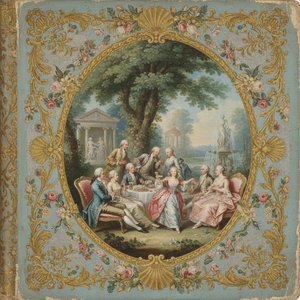
The Rococo Style: Aristocratic Leisure & the Pursuit of Delight in 18th-Century Art
Explore the opulent world of Rococo art! Discover Watteau, Boucher & Nattier's masterpieces. Expert insights for collectors seeking museum-quality reproductions and custom portraits at OriginalUniqueArt.

The Allure of Elegance in Art: A Historical & Aesthetic Exploration of Refinement & Grace
Explore the exquisite world of Rococo art! Discover its history, masters (Watteau, Boucher & more), and defining elegance. Expert insights for collectors seeking museum-quality reproductions & custom portraits.

Reflections of Power: Aristocratic Life in Western Art & the Rococo Era
Explore the captivating world of aristocratic life through Western art history. Discover Rococo masterpieces & portraits of European nobility. Expert insights for collectors and enthusiasts.


