
 Предпросмотр
 Поделиться
 Поделиться
 Детали произведения
 Руководство

 Скачать
 Похожие предметы
 Рентгенография
 Слайд-шоу
 Вопросы и ответы
 Статистика просмотров
Self-Portrait

- 61.0 x 49.0 cm


 Читать далее
Жикле и арт-принты
Печать (жикле) или холст музейного качества с быстрыми сроками изготовления и широким выбором вариантов отделки. ( Купить картину ручной работы Перейти к цифровым изображениям)




P118B $10

P118H $10

P118W $10

P438Z $10

P508JH $12

P508YH $12

P805H $10

P805Z $10

P919BZ $10

P919G $10

P919XJ $10

P959ZH $10

P968JZ $12

W106C $8

W218G $10

W218JH $8

W218Y $10

W307PJ $10

W316G $10

W316PJ $8

W316Y $10

W398PJ $8

W4111J $10

W500HY $15

W500JH $15

W692G $12

W849H $8

W940BG $15

W953PJ $8




Выберите один из наших стандартных размеров, соответствующих оригинальным пропорциям произведения искусства.

Введите необходимую ширину и высоту, чтобы репродукция подошла к вашей раме или стене. При печати изображение можно только уменьшить, но нельзя увеличить больше оригинала, поэтому при выборе другого формата часть изображения может быть обрезана. Перед печатью мы отправим вам цифровой макет на утверждение. Изображение на этой странице не отображает реальную обрезку — ее можно увидеть только на макете.
Доставка по всему миру () за 2 недели вместо стандартных 4–5 недель. (15 Ноябрь)

Бесплатная экспресс-доставка по всему миру

Высококачественный льняной холст

Полное страхование при доставке

Гарантия возмещения таможенных пошлин

Гарантия точного цветового соответствия

100-дневная гарантия возврата (только при обнаружении дефектов)

Гарантия возврата 100% средств

Скидка при оптовом заказе
 Вариант со стеклом доступен только для размеров менее 110 см

Self-Portrait
Жикле и арт-принты
Размер репродукции
-


Итоговая стоимость
$ 81
Jean-Étienne Liotard’s “Self-Portrait,” A Window into Rococo Introspection
The year 1744 marks a pivotal moment in the artistic trajectory of Jean-Étienne Liotard, a Genevan painter whose oeuvre is defined by an exquisite blend of naturalism and ethereal beauty. His “Self-Portrait,” housed within the hallowed halls of the Uffizi Gallery in Florence, isn’t merely a depiction of a man; it's a carefully constructed meditation on identity, perception, and the delicate balance between the observed world and the inner self. Painted during his period in Rome, this pastel masterpiece exemplifies Liotard’s signature style – a luminous, almost dreamlike quality achieved through masterful layering and an unparalleled sensitivity to light and texture.
Liotard's technique is immediately striking. He eschews the rigid formality of traditional portraiture, opting instead for a relaxed pose and a gaze that feels both direct and contemplative. The pastel medium itself—a relatively new tool in 18th-century art—allowed Liotard to build up color with astonishing subtlety, creating an effect akin to sfumato, the hazy blurring technique perfected by Leonardo da Vinci. Notice how he employs delicate washes of pinks, blues, and greens to capture the nuances of light on his face and clothing, imbuing the portrait with a sense of atmospheric depth. The background, rendered in loose, impressionistic strokes, isn’t merely decorative; it subtly reinforces the feeling of introspection, suggesting an inner landscape mirroring the sitter's thoughts.
A Genevan Artist Embraces the Orient
Born in Geneva in 1702, Liotard’s early life was shaped by his Huguenot heritage and a rigorous artistic training under esteemed miniaturists. However, it was his sojourn to Constantinople between 1738 and 1742 that profoundly influenced his artistic vision. Immersed in the vibrant culture of the Ottoman Empire, he developed a fascination with Eastern aesthetics – particularly the use of rich colors, luxurious fabrics, and the portrayal of everyday life. This influence is subtly present in “Self-Portrait,” not through overt Orientalist tropes, but rather through the overall mood of serenity and an appreciation for tactile textures. The loose brushwork and soft color palette evoke a sense of exoticism without resorting to stereotypical imagery.
Interestingly, Liotard’s embrace of the East wasn't solely aesthetic; it was also deeply personal. He deliberately adopted Turkish dress in his portraits, a conscious decision that challenged European conventions and established him as a unique figure within the art world. This choice, documented in numerous accounts, reflected not just an artistic preference but a genuine engagement with a culture vastly different from his own. It’s a testament to Liotard's intellectual curiosity and willingness to transcend conventional boundaries.
Symbolism of Inner Reflection
Beyond its technical brilliance, “Self-Portrait” is rich in symbolic meaning. The sitter’s direct gaze invites the viewer into his world, fostering a sense of intimacy and shared contemplation. The slightly parted lips suggest a quiet amusement, while the subtle furrow of his brow hints at underlying thoughts and emotions. Some art historians have interpreted the portrait as an exploration of the concept of “inner space”—a realm where the self is revealed through careful observation and artistic representation.
The inclusion of a small, partially visible book in the foreground adds another layer of complexity. It’s a subtle nod to Liotard's own intellectual pursuits – his studies of art theory and his role as an art dealer. The book symbolizes knowledge, reflection, and the pursuit of understanding—qualities that are central to the portrait’s overall message. The soft lighting and hazy atmosphere further contribute to this sense of introspection, creating a space where the viewer is invited to contemplate not just the subject's appearance but also his inner world.
A Timeless Masterpiece for Collectors
Liotard’s “Self-Portrait” remains a captivating work of art, offering a rare glimpse into the mind and soul of a remarkable artist. Its delicate pastel technique, evocative atmosphere, and profound symbolism continue to resonate with viewers centuries after its creation. A high-quality reproduction captures much of this beauty, making it an ideal addition to any collection or interior space. The painting’s luminous quality and contemplative mood create a sense of serenity and intellectual engagement—a perfect choice for those seeking art that transcends mere decoration.
Вопросы и ответы
Какое настроение и эмоции передает «Self-Portrait», Жан-Этьен Лиотар?
Передаваемое настроение работы «Self-Portrait», Жан-Этьен Лиотар — Elegant, а её эмоциональный тон — Reflective.
Можно ли с помощью дополненной реальности увидеть «Self-Portrait», Жан-Этьен Лиотар в своем интерьере?
Страница Просмотр в AR для работы «Self-Portrait», Жан-Этьен Лиотар использует дополненную реальность, чтобы показать произведение в вашем интерьере на совместимом устройстве.
Какой преобладающий цвет в произведении «Self-Portrait», Жан-Этьен Лиотар?
Наиболее выразительным цветом в произведении «Self-Portrait» является Clay (#a67555). Преобладающий цвет полезен при подборе произведения искусства к интерьеру.
Биография художника
Ранние годы, семья и обучение
Жан-Этьен Лиотар появился на свет 22 декабря 1702 года в Женеве, Швейцария. Он родился в семье французских протестантов, искавших убежища в Женеве после трагических событий 1685 года. Его рождение сопровождалось появлением брата-близнеца, Жан-Мишеля, который позже выбрал свой собственный путь, став художником-графиком и гравером. Эта ранняя среда, сформированная вынужденным переселением его родителей, заложила тихий и дисциплинированный фундамент для последующих многолетних изысканий.
Его официальное обучение началось в Женеве под бдительным руководством профессоров Даниэля Гарделя и Петюта. Именно на этих первых уроках он впервые постиг тончайшие хитросплетения эмали и миниатюры — техник, требовавших непоколебимой твердости руки и исключительной наблюдательности. Эти годы становления заложили ту техническую точность, которая станет определяющей чертой его творчества задолго до того, как он решит расширить свои горизонты за пределами швейцарских границ.
В 1725 году молодой художник переехал в Париж, стремясь к дальнейшему развитию. Он провел три года в мастерской Жана-Батиста Массе — период, который был скорее временем тяжелого профессионального труда, нежели формального ученичества. В это время он работал помощником, создавая многочисленные копии существующих произведений, чтобы обеспечить себе существование. Такое практическое погружение в парижскую художественную среду позволило ему почувствовать господствующие вкусы эпохи, подготовив его к великим путешествиям, которые в конечном итоге приведут его к берегам Османской империи.
Жизнь и деятельность в Константинополе
Пребывание Лиотара в Константинополе, начавшееся в 1738 году и продлившееся четыре года, коренным образом изменило траекторию его творческого пути. Погрузившись в атмосферу Османской империи, он открыл для себя глубокое очарование восточной эстетикой. Это не было просто мимолетным увлечением экзотикой; он стремился постичь саму суть текстур и красок культуры, столь далекой от его женевских корней. Его наблюдения были предельно точными и внимательными: он фокусировался на безмятежности домашнего быта и тончайших нюансах местных обычаев.
Он не ограничивался ролью стороннего наблюдателя. Лиотар настолько глубоко вжился в местный уклад, что в повседневной жизни часто носил турецкое платье. Этот выбор одежды был настолько неизменным, что со временем за художником закрепилось прозвище «турецкий живописец». Став частью социальной ткани города, он получил доступ к сокровенным, интимным сценам, которые случайный путешественник вряд ли смог бы увидеть. Его пастели этого периода наполняют домашние интерьеры ощущением подлинного присутствия, уходя от поверхностности, столь характерной для многих ориенталистских работ того времени.
- Турецкая женщина с тамбурином (1738)
- Сидящий турок (около 1740 г.)
Техника и художественный стиль
Подход Жана-Этьенна Лиотара к искусству основывался на строгой приверженности натурализму. В своем трактате Traité des principes et des règles de la peinture он утверждал, что предназначение живописи — служить зеркалом природы. Эта философия направляла его руку, будь то работа с маслом, гравюрой или его самым характерным медиумом — пастелью. Он стремился запечатлеть мир с такой точностью, которая позволяла избежать искусственности, столь часто встречающейся в портретной живописи его эпохи.
Мастерство владения пастелью позволяло ему достигать той сияющей люминесценции, которую мало кто из современников мог повторить. Он не просто наносил цвет на поверхность; он с силой вдавливал пастель в основу, создавая глубокие тональные переходы. Эта техника требовала особой подготовки материалов. Зачастую он работал на велене — телячьей, козьей или овечьей коже, — который предварительно обрабатывался смесью рыбьего клея, вина и мелкой пемзы для создания необходимой текстуры, позволяющей накладывать цвет слоями.
Эта техническая точность находит свое воплощение в его способности передавать тончайшие текстуры ткани и мягкие нюансы человеческой кожи. Его портреты славятся поразительной детализацией, улавливающей уникальный характер модели через деликатную игру света. И хотя путешествия открывали ему экзотические сюжеты, его метод неизменно оставался сосредоточенным на правдивом и глубоком наблюдении за своими натурщиками.
Значимые работы и шедевры
1744 год стал поворотным моментом в его творчестве, ознаменованным созданием «Шоколадной девушки» и выдающегося «Автопортрета». Последний, ныне хранящийся в Галерее Уффици во Флоренции, позволяет заглянуть в саму суть личности художника через магию пастели. В этой работе он использует материал, выстраивая цвет тончайшей многослойной техникой, которая создает ощущение почти осязаемой атмосферной глубины. Его дар улавливать нюансы света и текстуры позволил ему отойти от строгой формальности, столь характерной для традиционного портретного искусства той эпохи.
Связь Жан-Этьена Лиотара с интеллектуальными кругами Европы отчетливо прослеживается в «Портрете Франческо АЛгаротти», завершенном в 1745 году. Эта пастельная работа воплощает образ модели с текучей, сияющей легкостью, подчеркивая характер философа через деликатные тональные переходы. Подобным образом его мастерство в изображении юных натур раскрывается в «Портрете Марии Фредерики ван Рейде-Атлон в возрасте семи лет» — произведении, бережно хранящемся в Музее Гетти в Лос-Анджелесе. Эти портреты демонстрируют редкую способность художника находить идеальный баланс между физическим сходством и живым ощущением присутствия человека в кадре.
На более поздних этапах своей карьеры Жан-Этьен Лиотар обратил свой взор на пейзажи родного края. В 1770 году он создал полотно «Вид на массив Монблан из мастерской художника в Женеве с автопортретом». Этот холст, выполненный маслом, представляет собой панораму швейцарских Альп, открывающуюся через большое окно, где внешнее величие гор сливается с тихим, сокровенным пространством его студии. Эта работа остается ярким свидетельством его умения соединять реализм с мягким, почти импрессионистическим подходом к передаче света и воздушной перспективы.
Последние годы и смерть
Последнее десятилетие жизни Лиотара ознаменовалось переходом от наблюдательной точности его ранних лет к более глубокому, теоретическому осмыслению своего мастерства. В 1781 году он опубликовал свой трактат, Traité des Principes et règles de la Peinture — труд, в котором стремился кодифицировать основные стандарты своей профессии. Это издание стало отражением целой жизни, посвященной техническим изысканиям, выходящим далеко за рамки простого подражания форме, и затрагивающим фундаментальные принципы самого искусства живописи.
Даже когда его интересы сместились в сторону интеллектуальных основ искусства, его рука продолжала уверенно работать в мастерской. Он не оставлял физического акта творчества, продолжая писать натюрморты и пейзажи в свои поздние годы. Эти поздние работы, часто сосредоточенные на безмятежности природы или гармонии расположения предметов, дополняли его более знаменитые портреты, обеспечивая непрерывный творческий поток. Он оставался предан искусству студии до самого конца.
В конечном итоге Лиотар вернулся к своим истокам в Женеву — город, где он родился в семье торговца Антуана и Анны Соваж. Он оставался в этом знакомом ему крае до своей кончины 12 июня 1789 года. Его уход произошел на пороге смены эпох, оставив после себя наследие, которое стало мостом между скрупулезной детализацией начала восемнадцатого века и изменчивыми вкусами позднего Просвещения.
Где можно увидеть его шедевры сегодня
Рассредоточение наследия Лиотара по всей Европе и за её пределами открывает перед исследователями богатейшее поле для изучения его технического совершенства. Рейксмюсеум в Амстердаме обладает самой внушительной коллекцией его работ: здесь хранятся тринадцать произведений, которые наглядно демонстрируют его виртуозное владение материалом. В Лондоне Королевская коллекция бережно хранит десять полотен, позволяя прикоснуться к миру портретов, некогда некоронованных в кругах британской элиты. Для тех же, кто ищет более сокровенные, интимные грани его творчества, Музей искусства и истории в Женеве предлагает значительное собрание его пастелей и рисунков.
Присутствие мастера в крупнейших мировых институциях остается неизменным. Музей Гетти в Лос-Анджелесе хранит четыре его работы, в то время как Галерея Уффици во Флоренции бережно оберегает его Автопортрет 1744 года. Эти произведения, разбросанные от швейцарских Альп до берегов Средиземноморья, подобны физической карте жизни, прожитой в постоянном движении между центрами европейской и османской культур.
- 1744: Автопортрет — Галерея Уффици, Флоренция
- 1744: Шоколадная девушка — Галерея картин, Дрезден
- 1754: Портрет принца Эдварда, герцога Йоркского и Албанского — Королевская коллекция, Лондон
- 1756: Портрет Марии Фредерики ван Рейде-Атлон в возрасте семи лет — Музей Гетти, Лос-Анджелес

Жан-Этьен Лиотар
1702 - 1789 , Швейцария
Об авторе
- Artists Who Influenced This Artist:
- Даниэль Гардель
- Петю
- Жан-Батист Массе
- Франсуа Лемуэн
- Date Of Birth: 1702
- Date Of Death: 1789
- Full Name: Жан-Этьен Лиотар
- Nationality: Швейцарец
- Notable Artworks:
- Голландская девушка за завтраком
- Ла Лизуз
- Шоколадная девушка
- Ла Бель Лиониз
- Мария Фредерике ван Рейде-Атлон в возрасте семи лет
- Place Of Birth: Женева, Швейцария
Похожие статьи

The Introspective Gaze: Tracing the Evolution and Psychological Depth of the Self-Portrait
Explore the psychological evolution of self-portraiture from Dürer to modern masters. Trace the history of the human gaze with us.
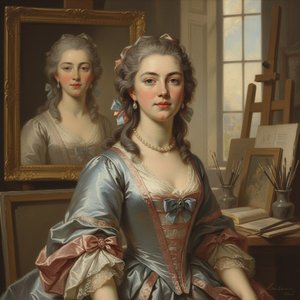
Jean-Étienne Liotard: Rococo Portraiture & the Pursuit of Naturalism
Explore the exquisite Rococo portraits of Jean-Étienne Liotard, a master of pastel and enamel. Discover his innovative techniques, captivating Turkish scenes, and lasting influence on art history. Learn more at OriginalUniqueArt.

Jean-Marc Nattier: Rococo Portraiture & Aristocratic Patronage
Explore the exquisite Rococo portraits of Jean-Marc Nattier, favored by French aristocracy. Discover his artistic techniques, patronage network, and lasting legacy – a guide for discerning collectors.

Beyond Decor: How Custom Historical Portraits Redefine Modern Self-Expression
Discover how custom historical portraits transcend decor to become profound expressions of identity. Explore the artistry of bespoke oil reproductions, from Renaissance mastery to modern reimagining, and learn to transform personal legacies into museum-quality fine art masterpieces.

25 Iconic Masterpieces by Henri de Toulouse-Lautrec: Capturing the Spirit of Montmartre
Step into the vibrant nightlife of Montmartre with our curated guide to the top 25 Henri de Toulouse-Lautrec masterpieces. Explore the soul of Post-Impressionism through iconic prints and museum-quality reproductions. Discover all masterpieces on OriginalUniqueArt.com.
