 Отправить
 Поделиться
 Подробнее
 Руководство

 Скачать
 Похожие объекты
 Слайд-шоу
 Q&A
Q&A Статистика
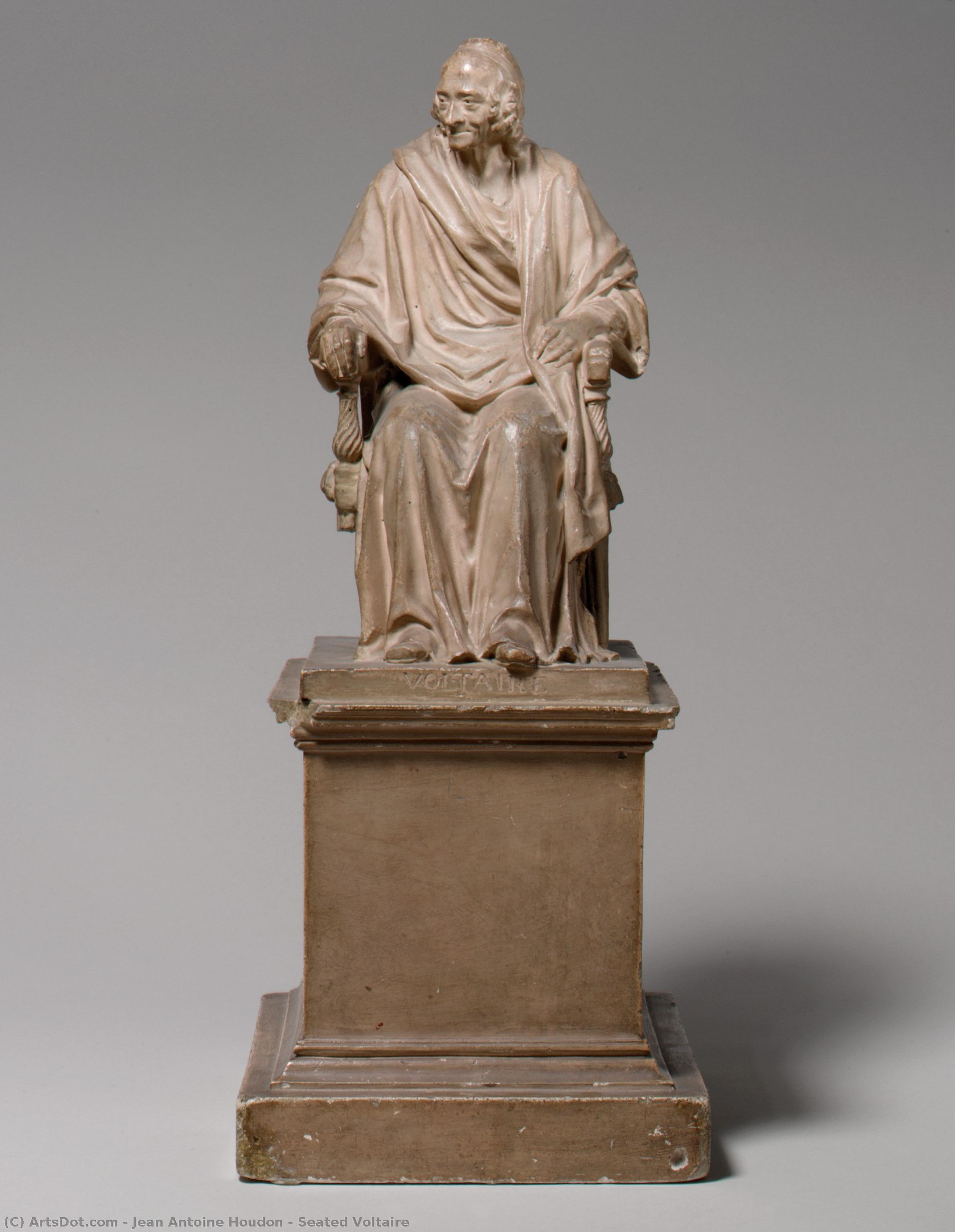
Seated Voltaire


 Развернуть текст
Жикле / Арт-принты
Печать (жикле) или холст музейного качества с быстрыми сроками изготовления и широким выбором вариантов отделки. ( Заказать репродукцию ручной работы Перейти к цифровым изображениям)




































Выберите один из наших стандартных размеров, соответствующих оригинальным пропорциям произведения искусства.

Введите необходимую ширину и высоту, чтобы репродукция подошла к вашей раме или стене. При печати изображение можно только уменьшить, но нельзя увеличить больше оригинала, поэтому при выборе другого формата часть изображения может быть обрезана. Перед печатью мы отправим вам цифровой макет на утверждение. Изображение на этой странице не отображает реальную обрезку — ее можно увидеть только на макете.
Доставка по всему миру () за 2 недели вместо стандартных 4–5 недель. (2 Ноябрь)

Бесплатная экспресс-доставка по всему миру

Высококачественный льняной холст

Полное страхование при транспортировке

Гарантия возврата таможенных пошлин

Гарантия точного цветового соответствия

100-дневный период возврата (только при обнаружении дефектов)

Гарантия возврата 100% средств

Скидка при заказе нескольких работ
 Вариант со стеклом доступен только для размеров менее 110 см

Seated Voltaire
Жикле / Арт-принты
Размер репродукции
-


Итоговая стоимость
$ 80
The Soul in Stone: Rediscovering Houdon’s Seated Voltaire
In the quiet, hallowed halls of art history, few works capture the electric tension of an era quite like Jean-Antoine Houdon’s "Seated Voltaire." Completed in 1778, this marble masterpiece is far more than a mere anatomical study; it is a profound distillation of the Enlightenment itself. As the philosopher Voltaire sat for the sculptor, he was not merely posing for a likeness, but participating in the creation of an enduring intellectual icon. Through Houdon’s masterful hands, the cold, unyielding medium of marble is transformed into a living, breathing testament to human reason and the restless spirit of inquiry that defined the eighteenth century.
To gaze upon this sculpture is to encounter a man caught in the very act of thought. The composition centers on the legendary thinker, seated with a dignity that commands the space around him. There is an intimate, almost whispered quality to the work, as if the viewer has stumbled upon a private moment of contemplation. Houdon, a sculptor who famously bridged the gap between the ornate flourishes of the Rococo and the disciplined grandeur of Neoclassicism, utilizes every ounce of his technical prowess to convey this psychological depth. The way the light catches the subtle folds of Voltaire’s robes and the furrowed brow of his forehead creates a silent dialogue between the stone and the spectator, inviting us to share in the philosopher's profound introspection.
A Masterclass in Neoclassical Precision
The technical brilliance of "Seated Voltaire" lies in Houdon’s ability to manipulate texture and line to evoke life. Working within his workshop, Houdon employed traditional sculpting tools to achieve an astonishing level of realism that borders on the miraculous. The marble surface is polished to a luminous finish, allowing for delicate tonal variations that mimic the softness of skin and the heavy drape of fabric. Every line is intentional; the sharp, precise contours of the facial features reflect the clarity of Voltaire’s intellect, while the smoother, flowing lines of the drapery provide a sense of classical elegance and movement.
For the discerning collector or interior designer, this piece offers a sophisticated study in monochromatic harmony. The palette—a serene arrangement of beiges, creams, and soft greys inherent to fine marble—provides a neutral yet visually rich anchor for any high-end space. It possesses a timeless quality that transcends fleeting trends, making it an ideal centerpiece for a library, a formal study, or a curated gallery wall. A high-quality reproduction of this work does not merely decorate a room; it elevates the entire atmosphere, infusing the environment with a sense of historical weight and intellectual prestige.
The Enduring Legacy of Enlightenment Thought
Beyond its aesthetic splendor, the sculpture serves as a powerful symbol of the values that shaped the modern world. In an age of revolution and radical new ideas, Houdon’s portrayal of Voltaire stands as a monument to the power of the human mind. The seated posture, stable and grounded upon its pedestal, suggests the enduring nature of truth and the permanence of philosophical legacy. There is a palpable sense of gravity in the work, a weight that is both physical—due to the density of the marble—and metaphorical, representing the heavy responsibility of wisdom.
Bringing a reproduction of "Seated Voltaire" into one's collection is an act of honoring this intellectual heritage. It serves as a daily reminder of the beauty found in clarity, the strength found in reason, and the artistry required to immortalize the human spirit. Whether viewed as a triumph of Neoclassical technique or as a window into the heart of the Enlightenment, Houdon’s work continues to inspire awe, offering a sophisticated touch of history and soul to the most refined contemporary interiors.
Вопросы и ответы
Какой основной оттенок преобладает в «Seated Voltaire», Жан-Антуан Гудон?
Сквозь «Seated Voltaire», Жан-Антуан Гудон проходит Golden Yellow Range-й оттенок.
Насколько светлым является произведение «Seated Voltaire» в целом?
В целом, для произведения «Seated Voltaire» зафиксирован уровень bright. Воспринимаемая яркость описывает, насколько светлым или темным кажется работа.
Из чего выполнено произведение «Seated Voltaire» и в каком стиле оно создано?
В произведении «Seated Voltaire» техника Marble встречается с направлением Neoclassical Sculpture.
Биография художника
Jean-Antoine Houdon: The Neoclassical Sculptor With A-List Sitters
Jean-Antoine Houdon, born in Versailles in 1741, stands as a pivotal figure bridging the Rococo and Neoclassical eras—a sculptor whose work embodies the intellectual fervor and evolving aesthetic sensibilities of the eighteenth century. His life unfolded amidst dramatic shifts in French society, from the waning opulence of the monarchy through the revolutionary upheaval and Napoleonic ascendance. Yet, Houdon remained remarkably consistent in his artistic vision: to capture not merely a likeness, but the very essence of his subjects—their intellect, character, and inner lives—in enduring marble and bronze. This dedication stemmed from an early aptitude for sculpture, nurtured by formal training at the Académie Royale de Peinture et de Sculpture beginning in 1752 under esteemed sculptors like René-Michel Slodtz, Jean-Baptiste Lemoyne, and Jean-Baptiste Pigalle. His subsequent enrollment at the École Royale des Élèves Protégés from 1761 to 1764 solidified his foundation, culminating in a triumphant win of the Prix de Rome competition in 1761—an award that granted him invaluable study time with classical art firsthand in Italy, an experience profoundly shaping his aesthetic sensibilities.Early Training and Artistic Foundations
Houdon’s artistic journey commenced at a remarkably young age—nine years old—when he began sculpting under the tutelage of Michel Ange Slodtz, Jean-Baptiste Lemoyne, and Jean-Baptiste Pigalle at the Académie Royale de Peinture et de Sculpture. These masters instilled in him a deep understanding of anatomical principles and sculptural technique, laying the groundwork for his future achievements. The École Royale des Élèves Protégés further honed his skills, providing him with access to the Louvre’s studios—a privilege afforded by his father's position as concierge—where he immersed himself in the study of ancient sculptures and artistic traditions. This formative experience instilled in Houdon a lifelong fascination with classical art and its influence on aesthetic expression. The Prix de Rome competition proved to be a decisive moment, securing him a prestigious scholarship to Rome and granting him unparalleled opportunity to engage directly with the masterpieces of antiquity—a pivotal step in shaping his distinctive style.The Triumph of Verisimilitude: A Revolutionary Approach
Unlike many sculptors of his time who idealized their subjects according to prevailing artistic conventions, Houdon championed verisimilitude—the faithful representation of reality—as paramount to achieving artistic excellence. He meticulously studied human anatomy, dissecting cadavers and conducting detailed observations to gain a profound understanding of the human form. This dedication to realism extended beyond mere physical accuracy; Houdon sought to penetrate the surface, revealing the personality and intellect within his subjects. His sculptures weren’t merely portraits; they were psychological explorations—capturing not just how someone looked but *who* they were—their emotions, motivations, and inner thoughts. He achieved this remarkable feat through subtle nuances in expression, posture, and the rendering of details like the eyes—often carved with a slight concavity to capture the play of light and suggest inner contemplation. This innovative technique distinguished Houdon from his contemporaries and established him as a pioneer of sculptural realism.Classical Influences and Artistic Style
Houdon’s artistic style was profoundly influenced by the Baroque tradition, particularly the dramatic grandeur and expressive dynamism of Bernini—whom he admired greatly during his time in Rome. However, he swiftly assimilated the lessons of antiquity, embracing classical ideals of beauty and proportion while simultaneously rejecting excessive ornamentation. His sculptures often featured idealized poses reminiscent of Greek statues—a deliberate stylistic choice that reflected his conviction in the enduring power of classical art as a source of inspiration. Yet, Houdon’s approach was never purely imitative; he infused his works with a distinctive humanist sensibility—capturing not just physical likeness but also psychological depth and emotional resonance. He skillfully blended classical influences with Baroque dynamism, creating sculptures that were both aesthetically refined and emotionally compelling. His meticulous attention to detail—evident in the rendering of skin textures, drapery folds, and facial expressions—further cemented his reputation as one of France’s greatest sculptors.A Pantheon of Enlightenment Figures: Portraits That Speak Volumes
Jean-Antoine Houdon's legacy rests primarily on his extraordinary portrait sculptures—a genre he elevated to an art form capable of profound psychological insight and historical documentation. He amassed a remarkable clientele comprising intellectuals, statesmen, artists, and aristocrats—individuals who recognized the transformative power of capturing their likenesses with unparalleled accuracy and sensitivity. His portraits weren’t merely decorative objects; they were windows into the minds and souls of his subjects—revealing their character traits, intellectual pursuits, and emotional states. Houdon's ability to convey not just *how* someone looked but *who* they were—a feat achieved through subtle nuances in expression, posture, and the rendering of details like the eyes—set him apart from his peers and established him as a master sculptor whose work continues to captivate audiences today. Among his most celebrated portraits are those of Voltaire, Benjamin Franklin, Denis Diderot, George Washington, Thomas Jefferson, and Napoleon Bonaparte—each sculpture embodying the spirit of its subject with remarkable eloquence and conviction. Houdon’s enduring influence can be seen in the works of countless artists who followed him—a testament to his pioneering contribution to sculptural realism and his unwavering commitment to capturing the human condition with artistic brilliance.
Жан-Антуан Гудон
1741 - 1828 , Франция
Краткая справка
- Artistic Movement Or Style: Неоклассицизм
- Artists Or Movements Influenced By This Artist: ['Канова']
- Artists Who Influenced This Artist:
- Рене-Мишель Слотц
- Жан-Баптист Лемуан
- Жан-Баптист Пигаль
- Date Of Birth: 1741
- Full Name: Jean-Antoine Houdon
- Nationality: Французский
- Notable Artworks:
- Статуя Вашингтона
- Вольтер
- Бенджамин Франклин
- Place Of Birth: Versailles, Франция
Похожие статьи

10 легендарных бронзовых скульптур, изменивших искусство навсегда | OriginalUniqueArt
Погрузитесь в мир великих бронзовых скульптур! От Давида Микеланджело до работ Родена – история искусства, техники и вдохновения. Купите репродукции шедевров для вашего интерьера на OriginalUniqueArt.com

10 легендарных бронзовых шедевров, изменивших искусство | OriginalUniqueArt
Погрузитесь в мир великих бронзовых шедевров! От Давида Донателло до Мыслителя Родена – узнайте историю создания, технику и значение легендарных скульптур. Вдохновение для интерьера и музейное качество репродукций на OriginalUniqueArt.com.

Timeless Elegance: A Complete Guide to the Sublime Beauty and Artistry of Marble Sculpture
Discover the sublime beauty of marble art through an expert exploration of Renaissance and Neoclassical masterpieces. From the delicate textures of Carpeaux to the grandeur of Sansovino, immerse yourself in a guide to timeless elegance and sculptural perfection.

The Enduring Form: Exploring Themes & Techniques in Sculpture Across Historical Periods
Explore the rich history of sculpture from ancient masterpieces to contemporary innovations. Discover key techniques, influential artists & investment potential for discerning art collectors.

The Enduring Allure of Marble in Art History: From Classical Sculpture to Modern Abstraction
Explore the captivating history of marble sculpture from ancient Greece to modern art. Discover renowned artists like Canova & Michelangelo, carving techniques, and investment insights at OriginalUniqueArt.


