
 Предпросмотр
 Поделиться
 Поделиться
 Детали произведения
 Руководство

 Скачать
 Похожие предметы
 Рентгенография
 Слайд-шоу
 Вопросы и ответы
 Статистика просмотров
LE MENDIANT


 Читать далее
Жикле и арт-принты
Печать (жикле) или холст музейного качества с быстрыми сроками изготовления и широким выбором вариантов отделки. ( Купить картину ручной работы Перейти к цифровым изображениям)




P118B $10

P118H $10

P118W $10

P438Z $10

P508JH $12

P508YH $12

P805H $10

P805Z $10

P919BZ $10

P919G $10

P919XJ $10

P959ZH $10

P968JZ $12

W106C $8

W218G $10

W218JH $8

W218Y $10

W307PJ $10

W316G $10

W316PJ $8

W316Y $10

W398PJ $8

W4111J $10

W500HY $15

W500JH $15

W692G $12

W849H $8

W940BG $15

W953PJ $8




Выберите один из наших стандартных размеров, соответствующих оригинальным пропорциям произведения искусства.

Введите необходимую ширину и высоту, чтобы репродукция подошла к вашей раме или стене. При печати изображение можно только уменьшить, но нельзя увеличить больше оригинала, поэтому при выборе другого формата часть изображения может быть обрезана. Перед печатью мы отправим вам цифровой макет на утверждение. Изображение на этой странице не отображает реальную обрезку — ее можно увидеть только на макете.
Доставка по всему миру () за 2 недели вместо стандартных 4–5 недель. (10 Ноябрь)

Бесплатная экспресс-доставка по всему миру

Высококачественный льняной холст

Полное страхование при доставке

Гарантия возмещения таможенных пошлин

Гарантия точного цветового соответствия

100-дневная гарантия возврата (только при обнаружении дефектов)

Гарантия возврата 100% средств

Скидка при оптовом заказе
 Вариант со стеклом доступен только для размеров менее 110 см

LE MENDIANT
Жикле и арт-принты
Размер репродукции
-


Итоговая стоимость
$ 81
Jan Miel’s “Le Mendiant”: A Window Into Baroque Dignity Amidst Poverty
The artwork "Le Mendiant," attributed to Jan Miel (1599 – 1663), stands as a poignant testament to the artistic spirit of the Dutch Golden Age and its engagement with broader humanist concerns. Painted circa 1630, this genre scene—a hallmark of Miel’s oeuvre during his formative years in Rome—captures a moment of quiet contemplation within a bustling tavern interior, offering viewers an arresting glimpse into both social realities and artistic sophistication.Composition and Style: Baroque Restraint Within Classical Framework
Miel's stylistic approach skillfully blends influences from Flemish masters like Anthony van Dyck with the burgeoning grandeur of Italian Baroque aesthetics. The horizontal orientation of the canvas immediately establishes a sense of stability, mirroring the formal balance characteristic of Baroque compositions. However, unlike the opulent theatricality often associated with Rome at the time, Miel employs subtle tonal gradations and muted colors—primarily grayscale—to convey an atmosphere of understated dignity. This deliberate restraint serves to heighten the emotional impact of the depicted scene: a beggar humbly requesting alms amidst a group of patrons engaged in conversation. The artist’s meticulous attention to detail—evident in the rendering of textures, particularly on the tavern table and the livestock visible in the background—underscores Miel's commitment to realism while simultaneously grounding the image within a broader artistic tradition.Detailed Examination: Technique and Materials
The painting utilizes oil paint on canvas with considerable skill. Brushstrokes are perceptible but carefully blended, creating a smooth surface that enhances the illusion of depth and luminosity despite the absence of vibrant hues. Layers of tonal variation—a technique favored by Miel—are skillfully applied to sculpt form and delineate contours, capturing the nuances of light and shadow within the tavern setting. The artist’s meticulous observation of natural forms—reflected in the depiction of the cows and sheep—demonstrates a profound understanding of classical principles of perspective and anatomical accuracy.Historical Context: Rome and Beyond – Miel's Artistic Journey
Jan Miel’s artistic development unfolded primarily in Rome during the 1630s, where he honed his craft under the patronage of Charles Emanuel II, Duke of Savoy—a connection that cemented his reputation as a court artist. This period witnessed a significant shift towards classicizing tendencies within Miel's oeuvre, mirroring the broader cultural revival occurring across Europe. The artwork’s subject matter – depicting poverty alongside social interaction – speaks to the humanist ideals prevalent during the Baroque era, reflecting an interest in portraying human experience with compassion and intellectual rigor.Symbolism: Dignity Amidst Adversity
“Le Mendiant” transcends mere visual representation; it embodies a deeper symbolic resonance. The beggar’s posture—characterized by humility and supplication—serves as a poignant reminder of the vulnerability inherent within the human condition. Simultaneously, the gathering of people around the table symbolizes communal life and social responsibility. The inclusion of livestock reinforces the artwork's connection to rural existence and underscores its engagement with themes of moral contemplation. Ultimately, Miel’s masterpiece invites viewers to consider not only the aesthetic beauty of the scene but also its profound ethical implications—a testament to the enduring power of art to illuminate both the grandeur and fragility of human experience.- Artist: Jan Miel
- Birth Year: 1599
- Death Year: 1663
- Birth City: Beveren
- Birth Country: Belgium
Additional Resources:
LE MENDIANT – Louvre site des collections 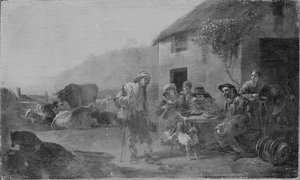
jan josef horemans the elder – Belgian painter (1682-1759) known for detailed interiors & anatomical precision.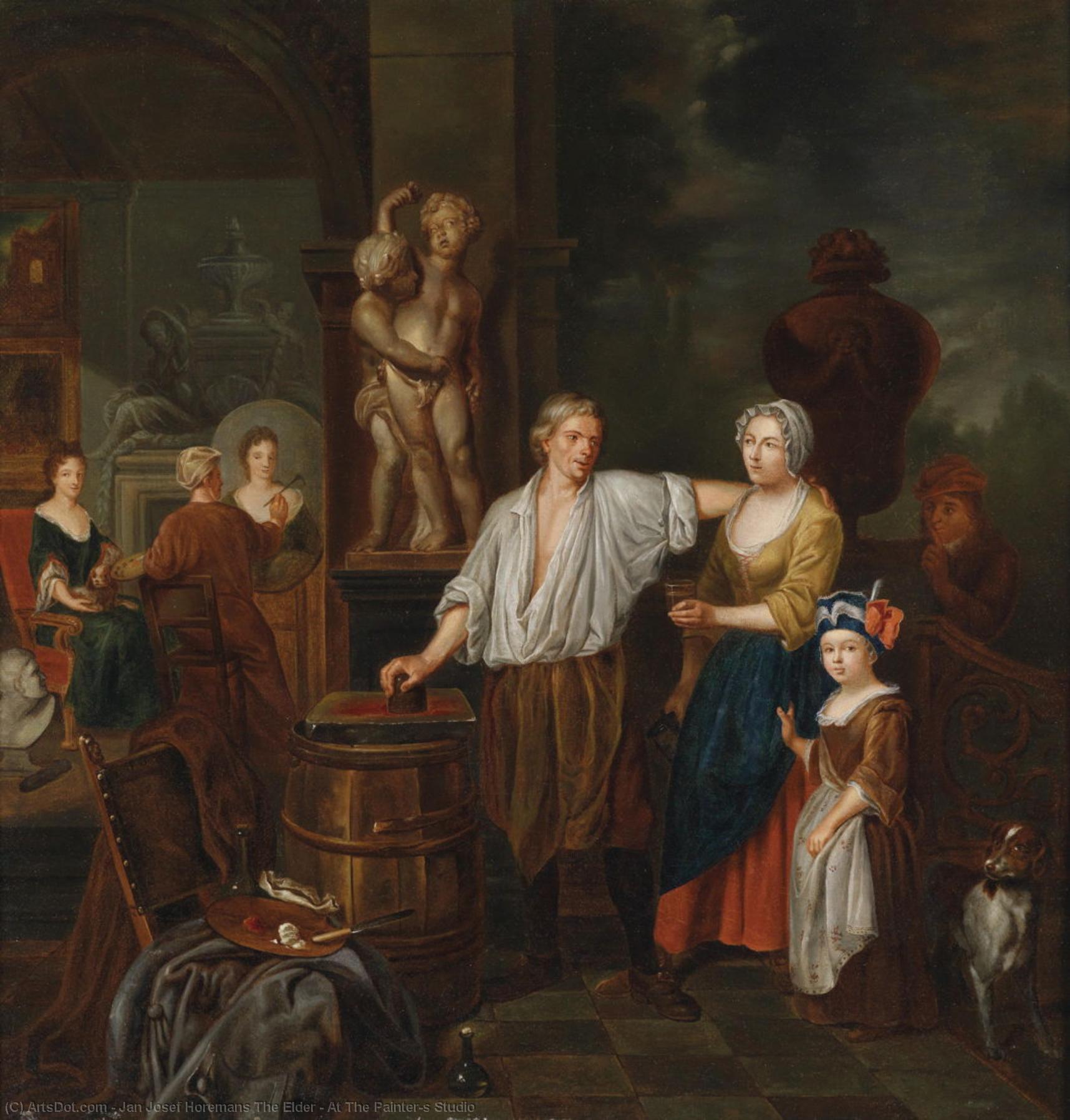
jan le ducq – Explore the captivating landscapes & animal paintings of Jan Le Ducq, a Dutch master known for his dog portraits.
Jan Miel – Cavaliere della Vita, (Anvers, 1599 - Turin, 1663) Court artist to Charles Emanuel II, Duke of Savoy.
Louvre, Paris, France – INV 1447 and MR 816 ( )
)

File:Jan Miel - The beggar.JPG – Wikimedia Commons 
Louvre Cartel – Foucart, Jacques, Catalogue des peintures flamandes et hollandaises du musée du Louvre, Gallimard / Louvre éditions, 2009, p. 182, ill. n&bCatalogue des peintures flamandes et hollandaises
Вопросы и ответы
Как стиль произведения «LE MENDIANT» соотносится с эпохой его создателя?
Произведение «LE MENDIANT», Ян Миль относится к направлению Dutch Golden Age Painting, созданное в эпоху — Раннее Новое время своего автора.
Почему произведение «LE MENDIANT» имеет именно такой статус авторского права?
Статус авторского права на произведение «LE MENDIANT» — общественное достояние — срок действия авторского права истёк — определяется датой смерти автора в 1663.
Насколько насыщенны и выразительны цвета в работе «LE MENDIANT», Ян Миль?
В работе «LE MENDIANT», Ян Миль запечатлена Muted насыщенность и Monochromatic интенсивность цвета.
Биография художника
Ян Миэль: Мост между голландским реализмом и барочным величием
Ян Миэль (1599–1663) предстает как ключевая фигура в художественном ландшафте семнадцатого века, воплощая в себе завораживающее слияние фламандских традиций и итальянских новаторств. Рожденный в Беверене, Бельгия — хотя Антверпен и ’с-Хертогенбос также претендуют на роль его родины — Миэль провел свои ранние годы в относительной тени, что оставило биографические детали скудными. Однако из научных исследований проступает удивительный творческий путь, отмеченный стилистической эволюцией и совместными усилиями, которые закрепили его место в яркой культурной среде Рима и Турина.
Годы становления он провел, оттачивая свое мастерство преимущественно в Антверпене, где впитал влияние выдающихся фламандских мастеров, таких как Энтони ван Дейк. Хотя точные масштабы его обучения остаются неясными, они, несомненно, привили ему страсть к тщательному наблюдению и утонченной технике — качествам, которые определяли большую часть его последующего творчества. Этот фундаментальный базис в классической графике и портрете стал тем необходимым инструментарием, который позволил его карьере со временем выйти за пределы региональных границ.
Римское преображение и дух бамбоччантов
Прибытие Миэля в Рим около 1636 года ознаменовало переломный момент в его творческой траектории. Он быстро примкнул к Bentvueghels, влиятельному союзу голландских и фламандских художников, проживавших в Вечном городе. В этом братстве он принял запоминающееся прозвище «bieco», отражающее его характерный прищуренный взгляд — черту, которая впоследствии стала синонимом его художественного облика. Эта принадлежность способствовала установлению глубоких связей с широким художественным сообществом, находившимся под мощным влиянием стиля Bamboccianti Питера ван Лаера.
Это движение было посвящено изображению сцен повседневной жизни низших сословий Рима и его окрестностей, отвергая идеализированное величие искусства Высокого Возрождения в пользу чего-то гораздо более осязаемого и непосредственного. Миэль с энтузиазмом принял этот тренд, создавая пленительные жанровые полотна, которые улавливали дух городской жизни с поразительным реализмом и чуткостью. В его работах часто проступали:
- Оживленные уличные сцены, наполненные путешественниками, торговцами и рабочими.
- Виртуозное использование света для воссоздания пыльной, залитой солнцем атмосферы римских переулков.
- Тонкая игра человеческих эмоций в многолюдных, хаотичных декорациях.
- Тщательное внимание к текстурам ткани, камня и земли.
Эволюция к классицизму и придворному величию
По мере развития его карьеры художественное видение Миэля претерпело значительный метаморфоз. Оставаясь мастером жанровой сцены, он начал отходить от сурового реализма Bamboccianti в сторону более классицизирующих исторических полотен. Этот сдвиг отражал общую тенденцию в европейском искусстве, где необузданная энергия барокко все чаще смягчалась стремлением к порядку, благородству и классической аллегории.
Эта эволюция в конечном итоге привела его к престижным назначениям, наиболее заметным из которых стала служба в качестве придворного художника при Карле Эмануэле II, герцоге Савойскому. На службе при туринском дворе работы Миэля приобрели более официальный и величественный характер. Интимность его ранних римских сцен уступила место композициям большего масштаба и сложности, призванным отражать мощь и престиж его королевского покровителя. Этот период представляет собой вершину его профессиональных достижений, где фламандская приверженность деталям встретилась с грандиозными, масштабными повествованиями, которых требовала европейская аристократия.
Историческая значимость Яна Миэля заключается в его способности ориентироваться в этих разрозненных мирах. Он был художником, способным найти красоту в скромной борьбе римского уличного мальчишки и достоинство в эпических сказаниях античности. Соединив пропасть между тщательным реализмом Севера и драматическим классицизмом Юга, Миэль оставил неизгладимый след в каноне семнадцатого века, обеспечив себе наследие истинного космополита эпохи барокко.
Ян Миль
1599 - 1663 , Бельгия
Об авторе
- Artistic Movement Or Style: Бамбоччианцы, Классицизм
- Artists Or Movements Influenced By This Artist: ['Питер ван Лаер']
- Artists Who Influenced This Artist: ['Антонис ван Дейк']
- Date Of Birth: 1599, Беверен, Бельгия
- Date Of Death: 1663
- Full Name: Ян Миль
- Nationality: Фламандский
- Notable Artworks:
- Пейзаж с битвой двух баранов
- Римская известковая печь с крестьянами, играющими в азартные игры
- Place Of Birth: Беверен, Бельгия
Похожие статьи

Chiaroscuro and Character: A Definitive Guide to Light and Shadow in the Dutch Baroque Era
Explore the dramatic mastery of the Dutch Baroque era. Discover how masters like Rembrandt used chiaroscuro to transform everyday life into timeless art. An expert guide for collectors and enthusiasts seeking to understand the profound interplay of light and shadow.

Топ-10 шедевров голландского барокко: искусство для вашего интерьера от OriginalUniqueArt.com
Погрузитесь в мир голландского барокко! От Рембрандта до Вермеера – 10 шедевров, изменивших искусство. Узнайте истории создания и технику великих мастеров. Репродукции картин высочайшего качества для вашего интерьера на OriginalUniqueArt.com.

Giclée Prints: Archival Quality & Aesthetic Nuances for the Discerning Collector
Explore the world of giclée prints with OriginalUniqueArt. Learn about archival quality, aesthetic nuances & investment potential. Expert guidance for discerning art collectors seeking museum-quality reproductions and lasting value.

Golden Age Reflections: Dutch Baroque Painting & Cultural Innovation
Explore the Dutch Golden Age of painting! Discover key artists like Vermeer & ter Borch, their innovative techniques, and the rich cultural context behind these Baroque masterpieces. Learn about collecting & appreciating this iconic art period.
Genre Painting: A Window into Daily Life & Societal Values of the Dutch Golden Age
Explore the captivating world of Dutch Golden Age genre painting! Discover realistic depictions of daily life, masterful artists like Ostade & Metsu, and hidden symbolism. Learn about this influential art movement with OriginalUniqueArt.
