

 Примерить в интерьере
 Отправить
 Поделиться
 Подробнее
 Руководство

 Скачать
 Похожие объекты
 Рентгенография
 Слайд-шоу
 Статистика
Coastal landscape

 Развернуть текст
Жикле / Арт-принты
Печать (жикле) или холст музейного качества с быстрыми сроками изготовления и широким выбором вариантов отделки. ( Заказать репродукцию ручной работы Перейти к цифровым изображениям)




































Выберите один из наших стандартных размеров, соответствующих оригинальным пропорциям произведения искусства.

Вы можете указать свои собственные размеры, чтобы репродукция идеально подошла под конкретную раму или пространство. Если выбранный вами размер не будет соответствовать пропорциям оригинала, мы либо обрежем произведение, либо дополним изображение зеркальным отражением краев или однотонной заливкой. Перед началом производства вам будет отправлен цифровой макет для утверждения.
Пожалуйста, обратите внимание, что предварительный просмотр на экране не отображает фактическую обрезку или расширение изображения. Только макет точно покажет финальную композицию.
Несмотря на возможность заказа индивидуальных размеров, мы рекомендуем выбирать размер из предопределенного списка, чтобы сохранить оригинальные пропорции.
Доставка по всему миру () за 2 недели вместо стандартных 4–5 недель. (26 Сентябрь)

Бесплатная экспресс-доставка по всему миру

Высококачественный льняной холст

Полное страхование при транспортировке

Гарантия возврата таможенных пошлин

Гарантия точного цветового соответствия

100-дневный период возврата (только при обнаружении дефектов)

Гарантия возврата 100% средств

Скидка при заказе нескольких работ
 Вариант со стеклом доступен только для размеров менее 110 см

Coastal landscape
Жикле / Арт-принты
Размер репродукции
-


Итоговая стоимость
$ 80
Coastal Landscape by James Dickson Innes: A Study in Atmospheric Mood
This captivating artwork, titled "Coastal Landscape," offers a glimpse into the expressive world of British Post-Impressionist painter, James Dickson Innes. The painting presents a horizontal panorama dominated by warm, earthy tones and a dramatic sky, evoking a sense of tranquility tinged with melancholy.
Subject & Composition
The scene depicts a wide expanse of water reflecting the sky and distant landforms under a cloudy, somewhat stormy atmosphere. In the foreground, a sandy beach is punctuated by scattered vegetation and what appears to be a small wooden fence or structure. The composition effectively utilizes depth; the water stretches towards the horizon, drawing the viewer's eye into the distance. The upper portion of the image is filled with swirling clouds in shades of brown, orange, and grey, creating a powerful visual contrast against the calmer waters below. The overall effect is one of vastness and quiet contemplation.
Style & Technique: Echoes of Fauvism
Innes’ style, as noted by art historian David Fraser Jenkins, aligns with "primitive" aesthetics reminiscent of the Fauves in France and Expressionists in Germany. This manifests in a child-like technique characterized by visible and somewhat loose brushstrokes. The painting appears to be executed using oil or acrylic paint on canvas, showcasing areas of impasto that add texture and depth. Lines are employed to define the shoreline, horizon, and cloud formations, but the emphasis remains on capturing the overall atmospheric effect rather than precise detail. The organic shapes – water, landmasses, and clouds – are rendered with a degree of abstraction, contributing to the painting's expressive quality.
Historical Context & Artistic Influences
James Dickson Innes (1887-1914) was a British painter who primarily focused on mountain landscapes but occasionally explored figure subjects. He studied at the Slade School of Art in London, where he likely encountered and absorbed influences from contemporary European art movements. His work reflects an interest in capturing raw emotion and atmospheric conditions, aligning with the broader Post-Impressionist movement that sought to move beyond mere representation towards a more subjective expression of experience. The Fauvist influence is particularly evident in Innes’ bold use of color and simplified forms.
Symbolism & Emotional Impact
Beyond its visual appeal, "Coastal Landscape" carries symbolic weight. The vastness of the sea and sky can represent feelings of freedom and boundlessness. The reflective water suggests introspection and a connection to the subconscious. The stormy sky introduces an element of drama and perhaps a hint of melancholy, creating a complex emotional landscape that resonates with viewers. This painting invites contemplation on the interplay between land and water, and the powerful forces of nature.
Биография художника
Краткая вспышка цвета: Жизнь и искусство Джеймса Диксона Иннеса
Джеймс Диксон Иннес — имя, которое звучит с пронзительной краткостью в анналах британского модернизма; он занимает уникальное место в истории, подобно яркой вспышке цвета, угасшей слишком рано. Рожденный в Лланелли, Южный Уэльс, 27 февраля 1887 года, он трагически ушел из жизни от туберкулеза в возрасте всего двадцати семи лет. Однако за этот короткий срок он сумел сформировать удивительно самобытный и провидческий художественный голос, предвосхитив многие веяния, которые определяли британскую живопись на десятилетия вперед. Его наследие представляло собой захватывающее сочетание: отец — шотландский историк, увлеченный индустрией, и мать — каталонка, привившая ему чувство культурного богатства. Эта двойственность в сочетании с природной чувствительностью глубоко сформировала как его жизнь, так и его творческое видение. Обучаясь в Крист-Колледж в Бреконе, юный Джеймс быстро проявил талант к искусству, что привело его в Кардиффскую школу искусств в 1904 году, а затем позволило получить заветную стипендию в Слейдской школе искусств в Лондоне всего год спустя. Там, под наставничеством таких фигур, как П. Уилсон Стир, он начал свое формальное обучение, впитывая уроки английского импрессионизма и одновременно взращивая независимый дух, который вскоре выделит его среди современников.От импрессионистических корней к огню фовизма
Ранние работы Иннеса отчетливо демонстрируют влияние его наставников из Слейда и общих течений британской живописи начала века. С 1907 года он выставлялся в New English Art Club, представляя пейзажи, которые вторили атмосферным эффектам, столь любимым Стиром и Сиккертом. Однако около 1908 года произошел коренной сдвиг, вызванный знакомством с французским постимпрессионизмом во время его путешествий. Это не было простым заимствованием техники; это была фундаментальная переориентация его эстетических чувств. Он отошел от тонких тональных вариаций импрессионизма в сторону более декоративной трактовки ландшафта, приняв яркие, зачастую не натуралистичные цвета и светящуюся атмосферу. Влияние таких мастеров, как Тёрнер, Констебл и Джон Селл Котман, сохранялось в его преклонении перед природой, но теперь оно пропускалось через смелую палитру и экспрессивный мазок таких живописцев, как Матисс и Дерен. Эта эволюция завершилась стилем, который искусствовед Дэвид Фрейзер Дженкинс метко назвал «примитивным», проводя параллели с французскими фовистами и немецкими экспрессионистами — детская прямота в сочетании с интенсивной связью с далекими, часто суровыми ландшафтами. Его связь с группой Camden Town в 1911 году еще больше укрепила его позиции в авангарде, познакомив его с такими художниками, как Сиккерт и Августус Джон, которые оказали глубокое влияние на его творческое направление. Это был период экспериментов и смелых поисков, когда Иннес бесстрашно раздвигал границы традиционной репрезентации.Валлийские пейзажи и континентальные странствия
Валлийская сельская местность, особенно драматичные пики вокруг Арениг-Фаур в Северном Уэльсе, стала центральным мотивом в творчестве Иннеса. В 1911 и 1912 годах он часто писал картины в этом регионе вместе с Августусом Джоном; их общая страсть к ландшафту породила серию мощных и экспрессивных работ. Это не были просто топографические зарисовки — это были эмоциональные отклики на саму землю, пронизанные чувством тайны и духовного резонанса. Однако творческий путь Иннеса не ограничивался Уэльсом. Диагноз «туберкулез» заставил его отправиться в несколько путешествий по Европе — во Францию (Коллиур), Испанию и Марокко между 1908 и 1913 годами — в поисках как отдыха, так и вдохновения. Эти поездки открыли ему новый свет, новые цвета и культуры, еще больше обогатив его художественный словарь. Коллиур, в частности, с его яркой средиземноморской палитрой и драматичными прибрежными видами, стал особенно плодотворной почвой для экспериментов. Его картины этого периода демонстрируют поразительную способность уловить суть места — не только его визуальный облик, но и атмосферу, эмоциональный характер. Он стремился не к копированию реальности, а к передаче своего *переживания* её, наполняя каждый холст ощутимым чувством.Признание и непреходящее наследие
Несмотря на относительно короткую карьеру, Иннесс добился значительного признания при жизни. Совместная выставка со скульптором Эриком Гиллом в галерее Chenil в 1911 году представила его пейзажи рядом с работами Гилла, продемонстрировав его растущую известность на лондонской арт-сцене. Но, пожалуй, самым важным стало его участие в новаторской выставке Armory Show в Нью-Йорке, Чикаго и Бостоне в 1913 году — переломном моменте, который познакомил американскую публику с модернизмом и привлек международное внимание к уникальному видению Иннеса. Его покровительница, Уиннифред Кумб Теннант, валлийский политик и филантроп, сыграла решающую роль в поддержке его работ и продвижении его карьеры. К сожалению, здоровье художника продолжало ухудшаться, и он скончался от туберкулеза 22 августа 1914 года в возрасте двадцати семи лет. Несмотря на эту преждевременную смерть, влияние Иннеса сохранилось. Его смелое использование цвета и экспрессивный мазок бросили вызов традиционным художественным нормам и проложили путь для последующих поколений британских художников, включая Дэвида Хокни. Ретроспективная выставка в Национальном музее Уэльса в 2014 году, а также документальный фильм BBC, исследующий его отношения с Августусом Джоном и их общую страсть к Арениг-Фаур, послужили мощным напоминанием о его непреходящем наследии. Джеймс Диксон Иннесс остается захватывающей фигурой — художником, который осмелился порвать с традицией и проложить собственный путь, оставив после себя творчество, которое продолжает очаровывать и вдохновлять.Ключевые характеристики его работ
- Смелая цветовая палитра: Иннесс был знаменит использованием ярких, часто не натуралистичных цветов под влиянием фовизма.
- Экспрессивный мазок: Его картины характеризуются свободными, энергичными мазками, передающими ощущение движения и эмоции.
- Фокус на пейзаже: Валлийская сельская местность, особенно Арениг-Фаур, была повторяющимся сюжетом в его работах, отражая его глубокую связь с землей.
- Эмоциональная интенсивность: Иннесс стремился запечатлеть не только визуальный облик сцены, но и её атмосферу и эмоциональное воздействие.
- Влияние постимпрессионизма: Он черпал вдохновение в работах таких мастеров, как Матисс и Дерен, внедряя их техники в свой собственный уникальный стиль.
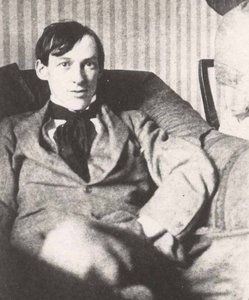
Джеймс Диксон Иннес
1887 - 1914 , Великобритания
Краткая справка
- Artistic Movement Or Style: Пост-импрессионизм, фувизм
- Artists Or Movements Influenced By This Artist:
- Матисс
- Дереан
- Artists Who Influenced This Artist:
- Турнер
- Констабль
- Котем
- Date Of Birth: 27 февраля 1887
- Date Of Death: 22 августа 1914
- Full Name: James Dickson Innes
- Nationality: Британский
- Notable Artworks:
- Пейзаж
- Закат
- Лландели
- Place Of Birth: Лландели, Великобритания
Похожие статьи

Джеймс Уистлер: Топ-25 шедевров художника для ценителей искусства и декора
Погрузитесь в мир Джеймса Уистлера! Топ-25 шедевров художника, от знаменитых ноктюрнов до изысканных портретов. Узнайте историю создания и эстетику каждой картины. Репродукции высокого качества для вашего интерьера на OriginalUniqueArt.com.
Beyond the Light: Capturing Raw Emotion and Subjective Vision in Post-Impressionist Landscapes
Explore the profound emotional depth of Post-Impressionist landscapes. Discover how masters like Van Gogh moved beyond light to capture raw human feeling through vibrant color and expressive texture in this expert art history retrospective.
Beyond Impressionism: The Emotional Depth and Vibrant Evolution of Post-Impressionist Landscapes
Explore the profound evolution of Post-Impressionist landscapes. From Van Gogh's emotional brushwork to Cézanne's structural mastery, discover how these visionaries redefined art history through color and form in this expert guide for fine art enthusiasts.

Альфред Муннингс: 25 шедевров британского импрессионизма для вашего интерьера | OriginalUniqueArt
Погрузитесь в мир Альфреда Муннингса! 25 шедевров британского импрессионизма, запечатлевших красоту лошадей и сельской Англии. Репродукции картин высокого качества для вашего интерьера на OriginalUniqueArt.com.

25 Шедевров Поля Сезанна: Открывая Новую Эру в Искусстве | OriginalUniqueArt
Откройте для себя 25 величайших шедевров Поля Сезанна! Узнайте истории создания картин импрессионизма и постимпрессионизма, технику художника и вдохновение для вашего интерьера. Репродукции картин Сезанна высокого качества на OriginalUniqueArt.com.