
() ·
Картина, созданная вручную специально для вас
Масляная репродукция ручной работы
Картина маслом на холсте в выбранном вами размере и раме, написанная на заказ нашими художниками. ( Перейти к печатным копиям Перейти к цифровым изображениям)
Описание предмета коллекционирования
Explore Jacques Callot’s 'Landscape,' a detailed 17th-century monochrome print showcasing rural tranquility & linear perspective. A masterful example of topographical illustration.
Биография художника
Жак Калло (1592-1635) — мастер барокко, известный драматическими офортами войны, придворной жизни и повседневности. Пионер старинной гравюры, повлиявший на Гойю благодаря техническим инновациям и детализации.
 Читать далее
от ·
Глава 1
Какой размер выбрать?
Передвигайте ползунок, чтобы изменить размер; на изображении слева показана реальная ширина рамы. Пропорции оригинала сохраняются.
Выберите один из наших стандартных размеров, соответствующих оригинальным пропорциям произведения искусства.

Введите необходимую ширину и высоту, чтобы репродукция подошла к вашей раме или стене. Поскольку работа выполняется вручную, при изменении пропорций художник может немного увеличить область вокруг картины или, наоборот, обрезать края — выбор за вами. Перед началом работы мы пришлем вам цифровой макет на утверждение. Изображение на этой странице не является точным результатом — увидеть реальный вид можно только на макете.
Глава 2
В каком виде вы хотите получить заказ?
Выберите тип обработки краев холста
Выберите свою раму

Белый торцевой край $1

Размытый край $1

С продолжением изображения $1

P118B $10

P118H $10

P118W $10

P438Z $10

P508JH $12

P508YH $12

P805H $10

P805Z $10

P919BZ $10

P919G $10

P919XJ $10

P959ZH $10

P968JZ $12

W106C $8

W218G $10

W218JH $8

W218Y $10

W307PJ $10

W316G $10

W316PJ $8

W316Y $10

W398PJ $8

W4111J $10

W500HY $15

W500JH $15

W692G $12

W849H $8

W940BG $15

W953PJ $8

H24-GOLD $30

H24-SILVER $30

H36-GOLD $45

H36-SILVER $45
В раме
Багет: . Общий размер в раме: .
Глава 3
Кто является автором и стоит ли что-то изменить?
После оформления заказа команда OriginalUniqueArt.com свяжется с клиентом по электронной почте для получения инструкций и предоставит предварительный макет
Доставка по всему миру () за 3–4 недели вместо стандартных 5 недель. (4 Ноябрь). Без компромиссов в качестве.
Глава 4
Последние штрихи
Табличка, как в музее?
Детали гравировки на бронзовой плакетке
This elegant plaque features the artist's name and the title of the artwork, finely engraved for a timeless presentation.
It is made from bronze with a refined, elegant finish. The text is precisely laser-engraved for a sharp and permanent result. Measuring 9x2 cm, the plaque is compact yet easy to read. It's built to be durable and scratch-resistant, offering a professional, museum-quality look. Mounting is simple thanks to the included adhesive backing.
Детали прозрачной акриловой таблички
The plaque includes essential engraved details such as the artist's name, the title of the artwork, the date it was created, the type of media used-like oil on canvas or watercolor-a brief description of the piece, and a QR code that links to the complete artwork information.
It is crafted from clear acrylic, offering a sleek, modern appearance. The text is UV-engraved in black to ensure strong visual contrast. With a size of 10x15 cm, it ensures optimal readability. It comes equipped with two metal hooks for secure wall mounting. The plaque is designed to be weather-resistant, making it suitable for various environments, and it includes interactive features that work seamlessly with smartphone scanning.
Информация о чёрной акриловой табличке
This elegant plaque includes engraved information such as the artist's name, the title of the artwork, the date it was created, the type of media used (like oil on canvas or watercolor), a short description of the artwork, and a QR code for quick access to more information.
The plaque itself is made from refined black acrylic with a premium finish. The text is laser-engraved in white for high contrast and readability. Its size is 10x15 cm, designed to be easy to read. It comes with two metal hooks for professional mounting. The design is sleek and fits any interior style. It is also weather-resistant and durable, with built-in digital integration for mobile compatibility.
Защитный лак?
Когда вам нужна доставка?
Глава 5
Ваша картина в соответствии с вашим заказом

Landscape
Техника репродукции
Размер репродукции
-

Выдающийся мастер высокого класса
Более высокая детализация, изысканность и дополнительное время на создание работы
-

Оформление репродукции
-
-
Для произведений искусства или репродукций, размер которых превышает 105 см (приблизительно 41 дюйм) по любой из сторон, рама будет доставлена в разобранном виде (в виде комплекта). Этот метод обеспечивает безопасную доставку и предотвращает повреждения при транспортировке.
Требуется профессиональная сборка — это не продукт для самостоятельной сборки (DIY).
Комплект должен быть собран, а холст натянут опытным мастером по багетным рамам с использованием клеевого ПВА (не входит в комплект), струбцин для натяжки холста и зажимов, чтобы удерживать подрамник ровным до полного высыхания клея. Неправильная сборка или неравномерное натяжение холста могут привести к необратимому повреждению произведения искусства и не являются гарантийным случаем.
 Для произведений искусства или репродукций, размер которых превышает 105 см (приблизительно 41 дюйм) по любой из сторон, рама будет доставлена в разобранном виде (в виде комплекта). Этот метод обеспечивает безопасную доставку и предотвращает повреждения при транспортировке.
В комплект входят все бруски из массива дерева, точно вырезанные по размеру.
Собирается с помощью предоставляемых винтов, а также столярного клея для угловых соединений, который не входит в комплект и должен быть приобретен вашим мастером.
Требуются профессиональные инструменты, не входящие в комплект: щипцы для натяжки холста (натяжитель) и зажимы, чтобы удерживать рейки ровно во время высыхания клея.
Важно:
Для соединения углов требуется клей для дерева, перекладины необходимо зафиксировать струбцинами до полного высыхания клея, а для натяжки холста на собранную раму требуются щипцы для натяжки холста. Ни один из этих инструментов не входит в комплект. Пожалуйста, убедитесь в наличии опытного мастера по багетным работам перед заказом рамы такого размера.

Этикетка
-
-

Защитный лак
Глянцевый лак (насыщает цвета, защищает от воздействия света и влаги)
-

Персонализация картины
Примеры возможных изменений: замена лица на фото клиента; добавление домашнего питомца (например, замена кошки на собаку); добавление скрытого сообщения на фоне; изменение пейзажа или элементов фона.
-

Экспресс-доставка
Доставка по всему миру () за 3–4 недели вместо стандартных 5 недель. (4 Ноябрь). Без компромиссов в качестве.
-
Экспресс-доставка
Доставка по всему миру () в течение 5 недель. (11 Ноябрь).
Включено в стоимость
Итоговая стоимость
$ 300
Вариант со стеклом доступен только для размеров менее 110 см
Включено в каждый заказ
- Бесплатная экспресс-доставка по всему миру
- Высококачественный льняной холст
- Полное страхование при доставке
- Гарантия возмещения таможенных пошлин
- Гарантия точного цветового соответствия
- 100-дневная гарантия возврата (только при обнаружении дефектов)
- Гарантия возврата 100% средств
- Скидка при оптовом заказе


 Предпросмотр
 Поделиться
 Поделиться
 Детали произведения
 Руководство

 Скачать
 Похожие предметы
 Рентгенография
 Слайд-шоу
 Вопросы и ответы
 Статистика просмотров
В цифрах
- 29доступные варианты рам
- стандартные размеры, в их собственных пропорциях
- 5недель на написание и доставку
Об оригинале


Жак Калло
1592 - 1635, Франция
Краткая информация об авторе: Жак Калло
- Artistic Movement Or Style: Барочный офорт
- Artists Or Movements Influenced By This Artist: ['Рембрандт']
- Artists Who Influenced This Artist: ['Филипп Томассин']
- Date Of Birth: ок. 1592
- Date Of Death: 1635
- Full Name: Жак Калло
- Nationality: Француз
- Notable Artworks:
- Святое семейство за столом
- Сцена из серии «Бедствия войны»
- Пейзаж
- Place Of Birth: Лотарингия, Франция
Биография художника
Мастер офортной линии: жизнь и наследие Жака Калло
В величественном гобелене эпохи барокко лишь немногие нити столь же тонки или пронзительно детализированы, как те, что были сотканы Жаком Калло. Виртуоз, который предпочел широкие мазки масляной живописи точную, жалящую иглу офортного инструмента, Калло превратил печатную графику из второстепенного ремесла в глубокое средство социального высказывания и технического блеска. Рожденный в Лотарингии около 1592 года, он прошел путь метаморфоз, который привел его из привилегированных залов благородного воспитания на оживленные, зачастую хаотичные улицы Рима и Флоренции. Он не просто фиксировал историю; он вытравливал саму ее душу на медных пластинах, с одинаковой силой запечатлело мимолетные тени человеческих страданий и роскошное великолепие придворной жизни.
Художественная эволюция Калло была глубоко сформирована его путешествиями по Европе, которые позволили ему впитать многогранные текстуры семнадцатого века. Раннее обучение в Нанси заложило фундамент дисциплины, но именно пребывание в Италии по-настоящему зажгло его гений. Под руководством таких мастеров, как Филипп Тессман в Риме, а позже в престижных мастерских Флоренции, Калло научился сочетать гуманистические идеалы Ренессанса с драматическим, эмоциональным весом барокко. Служба при дворе Медичи предоставила ему беспрецедентный доступ к вершинам аристократической культуры, однако он оставался проницательным наблюдателем мира, скрытого под позолоченной поверхностью, документируя суровость и грязь городского существования бесстрастным взором.
Техническая революция и эшопп
Что по-настоящему отличало Калло от его современников, так это его революционный подход к самой технике. До него офорт часто лишен был тональной глубины и вариативности толщины линий, характерных для традиционной гравюры на металле. Он преодолел этот разрыв с помощью блестящей технической инновации: создания эшоппа. Эта специализированная офортная игла с овальным наконечником позволяла ему манипулировать силой нажатия, создавая расширяющиеся и сужающиеся линии. Этот прорыв позволил ему имитировать изящную, меняющуюся ширину резца гравера, привнося в свои оттиски новый уровень скульптурного измерения и текучего движения. Благодаря этому мастерству он достиг такой детализации, которая могла с одинаковой точностью передать как нежное кружево на рукаве дворянина, так и пугающие, зазубренные текстуры поля боя.
Это техническое превоness позволило расширить беспрецедентный диапазон сюжетов, наиболее ярко проявившийся в его знаменитой серии, документирующей темные стороны человечества. Его работы часто служат висцеральным окном в Бедствия войны, где он запечатлел необузданное, хаотичное насилие конфликта. В таких шедеврах, как Грабеж, зритель оказывается погружен в мир беспорядка и разрушения, где тонкие линии его иглы передают неистовую энергию охваченного потрясениями ландшафта. Напротив, его способность улавливать свет и театральность очевидна в таких работах, как Интермедия в театре Медичи, где сложные композиции вызывают воспоминания о яркой, постановочной магии ренессансного представления.
Неизгладимый след в истории искусства
Историческое значение Жака Калло выходит далеко за предеки семнадцатого века. Он был пионером того, что мы сегодня называем «старинной печатной графикой», установив стандарт повествовательной сложности и технического исполнения, который вдохновлял поколения графиков. Его влияние прослеживается сквозь столетия, наиболее заметно — в работах Франсиско Гойи, который разделял способность Калло использовать графический язык для исследования мрачных, гротескных аспектов человеческого состояния. Возвысив офортную иглу до инструмента глубокой психологической и социальной значимости, Калло обеспечил долголетие своего видения.
В конечном счете, творчество Калло остается пугающе прекрасным парадоксом: это одновременно и тщательная летопись исторической жестокости, и торжество художественного изящества. Изображал ли он мрачную реальность Колеса (Казнь на колесе) или нежную грацию придворного танца, его гравюры обладают вневременным качеством, превосходящим их эпоху. Он остается уникальным голосом в каноне барокко — мастером, который нашел бесконечное в бесконечно малом, доказав, что даже самая тонкая офортная линия способна нести на себе вес целого мира.
Похожие статьи

Романтический пейзаж: 10 шедевров, изменивших искусство | OriginalUniqueArt.com
Погрузитесь в мир романтического пейзажа! 10 шедевров Фридриха, Тёрнера и других гениев. Узнайте историю создания культовых картин и вдохновитесь для декора интерьера. Репродукции высокого качества на OriginalUniqueArt.com.

Джон Констебль: 25 шедевров английского пейзажа для вашего интерьера
Погрузитесь в мир английского пейзажа с Джоном Констеблом! 25 шедевров романтизма, история создания картин и вдохновение для вашего интерьера. Репродукции высокого качества на OriginalUniqueArt.com – искусство для ценителей.
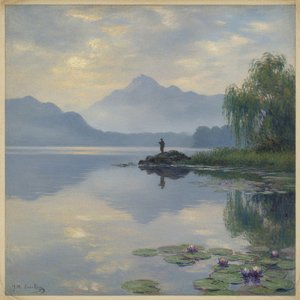
Capturing Stillness: A Curated Exploration of the Most Iconic Lake Landscapes in Art History
Journey through art history's most serene lake landscapes. From Romantic vistas to light-drenched Impressionist waters, discover the stories behind these iconic masterpieces and find museum-quality, hand-painted oil reproductions for your private collection.

Evocations of Place: A Historical Journey Through Landscape Art
Explore the rich history of landscape art with OriginalUniqueArt. Discover renowned artists, movements like Impressionism & tonalism, and expert guidance for collecting timeless pieces. Find your perfect serene escape today!