

 Примерить в интерьере
 Отправить
 Поделиться
 Подробнее
 Руководство

 Скачать
 Похожие объекты
 Рентгенография
 Слайд-шоу
 Статистика
Tombstones


 Развернуть текст
Масляная репродукция ручной работы
Картина маслом на холсте в выбранном вами размере и раме, написанная на заказ нашими художниками. ( Переключиться на печать Перейти к цифровым изображениям)




P118B $10

P118H $10

P118W $10

P438Z $10

P508JH $12

P508YH $12

P805H $10

P805Z $10

P919BZ $10

P919G $10

P919XJ $10

P959ZH $10

P968JZ $12

W106C $8

W218G $10

W218JH $8

W218Y $10

W307PJ $10

W316G $10

W316PJ $8

W316Y $10

W398PJ $8

W4111J $10

W500HY $15

W500JH $15

W692G $12

W849H $8

W940BG $15

W953PJ $8




Выберите один из наших стандартных размеров, соответствующих оригинальным пропорциям произведения искусства.

Вы можете указать собственные размеры, чтобы картина идеально вписалась в выбранную раму или пространство. Если выбранный вами размер не соответствует пропорциям оригинала, мы либо обрежем полотно, либо расширим его за счет дополнительных элементов, написанных вручную. Цифровой макет будет отправлен вам на утверждение перед началом производства.
Обратите внимание, что предварительный просмотр на экране не отражает фактическую обрезку или расширение. Только макет точно покажет окончательную композицию.
Хотя доступны индивидуальные размеры, мы рекомендуем выбирать вариант из предопределенного списка, чтобы сохранить исходные пропорции.
После оформления заказа команда OriginalUniqueArt.com свяжется с клиентом по электронной почте для уточнения деталей и предоставит предварительный макет
Доставка по всему миру () за 3–4 недели вместо стандартных 5 недель. (27 Сентябрь). Без компромиссов в качестве.

Бесплатная экспресс-доставка по всему миру

Высококачественный льняной холст

Полное страхование при транспортировке

Гарантия возврата таможенных пошлин

Гарантия точного цветового соответствия

100-дневный период возврата (только при обнаружении дефектов)

Гарантия возврата 100% средств

Скидка при заказе нескольких работ
 Вариант со стеклом доступен только для размеров менее 110 см

Tombstones
Материал репродукции
Размер репродукции
-


Итоговая стоимость
$ 400
A Poignant Meditation on Mortality and Community
In the somber, evocative landscape of Jacob Lawrence’s 1942 masterpiece, Tombstones, we are invited into a profound visual dialogue between life and death. Painted during the turbulent era following Pearl Harbor, this work serves as much more than a mere depiction of a graveyard; it is a soulful testament to the collective experience of African Americans in Harlem. Lawrence, a master of narrative storytelling, utilizes his signature dynamic cubism to weave a tapestry of remembrance that feels both deeply personal and universally resonant. The scene unfolds with a sense of quiet dignity, where the presence of crosses and headstones does not evoke terror, but rather a meditative stillness—a communal space where memory is held sacred amidst the shifting tides of history.
The composition is masterfully structured to guide the viewer through a cycle of existence. A central staircase dominates the frame, acting as a powerful metaphor for the human journey; its ascent suggests aspiration and the upward reach of the spirit, while the descent reminds us of the inevitable return to the earth. Lawrence employs a flattened perspective that eschews traditional depth in favor of a rhythmic, layered arrangement. Figures are positioned throughout this architectural landscape—some ascending toward the light of upper windows, others lingering near the gravesites below—creating a sense of a community bound together by shared history and the shared reality of loss.
The Language of Line and Earthy Tones
Technically, Tombstones is a triumph of precision and restraint. Executed in tempera, the artwork relies on the deliberate application of color blocking and sharp, defining lines to construct its world. Lawrence avoids the distraction of heavy textures or realistic shading, opting instead for a geometric clarity that lends the piece an enduring, monumental quality. The lines that delineate the stair railings, the building's silhouette, and the very tombstones themselves are rendered with an unwavering certainty, providing a sense of structural order to the complex emotional narrative.
The color palette is intentionally muted, grounded in an earthy spectrum of browns, deep greens, ochre yellows, and somber blues. These tones evoke the soil and the weathered stone of a memorial site, reinforcing the theme of mortality. Yet, within this subdued field, Lawrence introduces subtle contrasts that breathe life into the composition, ensuring that the eye remains engaged by the interplay of light and shadow across the flattened planes. For the collector or interior designer, this palette offers a sophisticated versatility, providing a focal point that commands attention through its tonal depth and historical weight rather than through garishness.
A Timeless Legacy for the Modern Collector
To possess a reproduction of Tombstones is to hold a piece of American Social Realism. Lawrence’s ability to blend the avant-garde techniques of modernism with the urgent social realities of his time creates an artwork that remains strikingly contemporary. The painting does not merely depict a moment in 1942; it captures the eternal rhythm of community, resilience, and the cyclical nature of life. It is a piece that invites long periods of contemplation, making it an ideal acquisition for those seeking to infuse their spaces with intellectual depth and emotional resonance.
Whether displayed in a curated gallery setting or as a cornerstone of a thoughtfully designed residential interior, this work serves as a bridge between the past and the present. It offers a window into the heart of Harlem and the enduring strength of the human spirit, making it an incomparable choice for art lovers who value works that possess both aesthetic mastery and a profound, lingering soul.
Биография художника
A Life Painted in Story: The World of Jacob Lawrence
Jacob Armstead Lawrence, born September 7, 1917, in Atlantic City, New Jersey, was far more than just an artist; he was a chronicler of his people’s journey—a visual storyteller whose work profoundly shaped the landscape of American art. His life unfolded as a vibrant tapestry woven with threads of displacement, resilience, and unwavering commitment to social justice. Following his parents' divorce in 1924, Lawrence experienced a childhood marked by constant movement, finding temporary refuge in foster homes before finally settling with his mother in Harlem during the exhilarating era of the Harlem Renaissance. This immersion into the heart of Black culture became the very foundation upon which he built his artistic vision—a fusion of African-American experience and modern sensibilities. It was within the bustling streets and communal spirit of Harlem that Lawrence first encountered art, enrolling in classes at Utopia Children’s House and later studying under the guidance of Charles Alston at the Harlem Art Workshop – a pivotal step on his path to becoming a powerful voice through visual narrative.Dynamic Cubism: A Style Forged from Experience
Lawrence didn't simply adopt artistic styles; he meticulously crafted his own, famously describing it as “dynamic cubism.” This wasn’t a mere imitation of European avant-garde movements but rather a deeply personal synthesis—a unique blend of modernist principles and the lived realities of his community. Inspired by the bold colors and flattened forms of African sculpture – art that prioritized narrative and social commentary – and the vibrant murals of Mexican artists, Lawrence developed a visual language characterized by strong, simplified shapes, a rich palette of colors, and a deliberate rejection of traditional perspective. This wasn’t simply an aesthetic choice; it was a conscious effort to distill the essence of his subjects, capturing their emotions and experiences with immediacy and accessibility. He sought not to replicate reality in its entirety but to reveal its spirit—the soul of a people and their history. His paintings are imbued with a sense of urgency and directness, inviting viewers into the heart of the stories he was telling.The Migration Series: A Monumental Chronicle
Lawrence’s most celebrated achievement is undoubtedly *The Migration Series*, a monumental undertaking that spanned sixty panels and chronicled the Great Migration—the mass movement of African Americans from the rural South to the industrial North between 1916 and 1970. Beginning in 1940-41, this ambitious project transformed Lawrence into an overnight sensation, catapulting him to national recognition and securing his place as a leading figure in American art. The series isn’t merely a historical record; it's a deeply emotional exploration of the hopes, fears, and struggles faced by those who embarked on this transformative journey. Each panel is meticulously rendered, filled with symbolic imagery and carefully chosen details that convey the complexities of their experiences. Lawrence masterfully captured the spirit of resilience, determination, and the yearning for a better life—a testament to the enduring strength of the African-American community. The series’ impact was immediate and profound, influencing generations of artists and sparking critical conversations about race, migration, and social justice.Beyond the Migration: Portraits of People and Places
While *The Migration Series* remains his most iconic work, Lawrence's artistic output extended far beyond this single monumental project. He continued to create a diverse range of paintings that explored various facets of African-American life—from intimate portraits of individuals to sweeping depictions of historical events and everyday scenes. His series on Toussaint L’Ouverture, the Haitian revolutionary; Frederick Douglass, the abolitionist orator; and Harriet Tubman, the conductor on the Underground Railroad, transformed these iconic figures into accessible visual narratives. He also documented the vibrant life of Harlem through paintings like *Bar and Grill*, a stark yet poignant depiction of segregation within a New Orleans café, and *Window*, which captures the energy and vitality of a bustling street scene. These works demonstrate Lawrence’s ability to distill complex social realities into powerful visual statements—a testament to his profound understanding of human nature and his unwavering commitment to portraying the experiences of marginalized communities.Legacy and Enduring Influence
Jacob Lawrence's legacy extends far beyond the impressive body of work he left behind. He was not only a gifted artist but also a dedicated educator, teaching at institutions like Black Mountain College and the University of Washington for sixteen years. Through his instruction, he nurtured generations of artists, encouraging them to find their own voices and explore themes relevant to their experiences. Lawrence paved the way for countless African-American artists who followed, challenging prevailing norms and expanding the boundaries of American art. His work continues to resonate today, prompting critical conversations about race, history, and social justice—a testament to his enduring relevance as an artist and a cultural icon. Featured in prominent museums such as the Smithsonian American Art Museum and the University of Washington’s collection, his paintings serve as powerful reminders of the struggles and triumphs of the African-American community and the transformative power of art to illuminate the human condition.
Яков Лоррейнс
1917 - 2000 , Соединенные Штаты Америки
Краткая справка
- Artistic Movement Or Style: Динамичный кубизм
- Artists Or Movements Influenced By This Artist: ['Афроамериканское искусство']
- Date Of Birth: 7 сентября 1917 г.
- Date Of Death: 9 июня 2000 г.
- Full Name: Jacob Armstead Lawrence
- Nationality: Американский
- Notable Artworks:
- Миграция
- Победа и поражение
- Place Of Birth: Город Атлантика, США
Похожие статьи
Топ-10 знаменитых картин для роскошного интерьера гостиной от OriginalUniqueArt
Топ-10 знаменитых картин для гостиной от OriginalUniqueArt: Ван Гог, Моне и другие шедевры. Узнайте историю искусства и выберите идеальную репродукцию для вашего интерьера! Explore the full collection online.
Transforming Spaces: A Comprehensive Exploration of Wall Decor Through Art History & Contemporary Practice
Explore the art of transforming spaces with our comprehensive guide to wall decor. From historical movements to contemporary trends, discover how to curate impactful interiors and commission bespoke artwork for a truly personalized aesthetic.
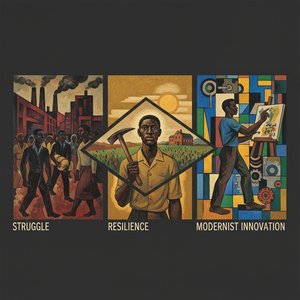
Jacob Lawrence: Narratives of Struggle, Resilience & Modernist Innovation
Explore the powerful narratives of Jacob Lawrence, a pivotal African American artist of the Harlem Renaissance. Discover his iconic 'Migration Series,' dynamic cubism style, and lasting impact on American art history.

Возвращение фрески: почему настенные росписи становятся новым символом роскоши
Узнайте о возрождении фрески как символа роскоши! Экспертные статьи о технике, дизайне и применении в интерьере отелей. Закажите уникальную фреску с .
Cubist Expression: A Professional Guide to Integrating Geometric Abstraction into Modern Hospitality Design
Elevate hospitality interiors with Cubist art. Our expert guide explores integrating geometric abstraction into hotel design through high-quality, large-scale oil reproductions and custom multi-panel commissions tailored for professional designers and procurement managers.