() ·

Картина, созданная вручную специально для вас

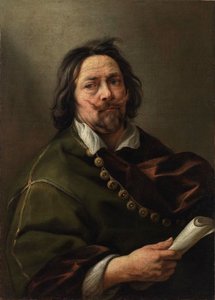
Pan playing the flute

Масляная репродукция ручной работы

Картина маслом на холсте в выбранном вами размере и раме, написанная на заказ нашими художниками. ( Перейти к печатным копиям Перейти к цифровым изображениям)

Описание предмета коллекционирования

Jacob Jordaens’ ‘Pan playing the flute’ captures a lively scene of rustic revelry in 17th-century Flanders, showcasing the artist's signature style and celebrating life’s abundance. Discover this captivating Baroque masterpiece and bring its timeless charm into your home.

Биография художника

Якоб Йордаенс – выдающийся художник барокко из Антверпена, известный своими яркими картинами сельской жизни, пиршествами и аллегорическими композициями. Его работы отражают дух эпохи и являются важной частью фламандского искусства.

от ·

Глава 1

Какой размер выбрать?

Передвигайте ползунок, чтобы изменить размер; на изображении слева показана реальная ширина рамы. Пропорции оригинала сохраняются.

Стандартный размер
на заказ
CM
INCH

Выберите один из наших стандартных размеров, соответствующих оригинальным пропорциям произведения искусства.

ширина
высота

Введите необходимую ширину и высоту, чтобы репродукция подошла к вашей раме или стене. Поскольку работа выполняется вручную, при изменении пропорций художник может немного увеличить область вокруг картины или, наоборот, обрезать края — выбор за вами. Перед началом работы мы пришлем вам цифровой макет на утверждение. Изображение на этой странице не является точным результатом — увидеть реальный вид можно только на макете.

Глава 2

В каком виде вы хотите получить заказ?

Выберите тип обработки краев холста

Выберите свою раму

Corner sample of the WhiteWrap canvas edge finish, stretched on массив дерева bars
Белый торцевой край $1
Corner sample of the BlurSideWrap canvas edge finish, stretched on массив дерева bars
Размытый край $1
Corner sample of the ExtendedWrap canvas edge finish, stretched on массив дерева bars
С продолжением изображения $1
Corner sample of the P118B picture frame: формованный полистирол, 5 cm wide and 3 cm thick
P118B $10
Corner sample of the P118H picture frame: формованный полистирол, 5 cm wide and 3 cm thick
P118H $10
Corner sample of the P118W picture frame: формованный полистирол, 5 cm wide and 3 cm thick
P118W $10
Corner sample of the P438Z picture frame: формованный полистирол, 5.5 cm wide and 3.5 cm thick
P438Z $10
Corner sample of the P508JH picture frame: формованный полистирол, 7 cm wide and 3.5 cm thick
P508JH $12
Corner sample of the P508YH picture frame: формованный полистирол, 7 cm wide and 3.5 cm thick
P508YH $12
Corner sample of the P805H picture frame: формованный полистирол, 5 cm wide and 3.5 cm thick
P805H $10
Corner sample of the P805Z picture frame: формованный полистирол, 5 cm wide and 3.5 cm thick
P805Z $10
Corner sample of the P919BZ picture frame: формованный полистирол, 7 cm wide and 3.5 cm thick
P919BZ $10
Corner sample of the P919G picture frame: формованный полистирол, 7 cm wide and 3.5 cm thick
P919G $10
Corner sample of the P919XJ picture frame: формованный полистирол, 7 cm wide and 3.5 cm thick
P919XJ $10
Corner sample of the P959ZH picture frame: формованный полистирол, 5 cm wide and 3 cm thick
P959ZH $10
Corner sample of the P968JZ picture frame: формованный полистирол, 6 cm wide and 4 cm thick
P968JZ $12
Corner sample of the W106C picture frame: массив дерева, 5 cm wide and 3 cm thick
W106C $8
Corner sample of the W218G picture frame: массив дерева, 5 cm wide and 3 cm thick
W218G $10
Corner sample of the W218JH picture frame: массив дерева, 5 cm wide and 3 cm thick
W218JH $8
Corner sample of the W218Y picture frame: массив дерева, 5 cm wide and 3 cm thick
W218Y $10
Corner sample of the W307PJ picture frame: массив дерева, 6 cm wide and 3 cm thick
W307PJ $10
Corner sample of the W316G picture frame: массив дерева, 6 cm wide and 3 cm thick
W316G $10
Corner sample of the W316PJ picture frame: массив дерева, 6 cm wide and 3 cm thick
W316PJ $8
Corner sample of the W316Y picture frame: массив дерева, 6 cm wide and 3 cm thick
W316Y $10
Corner sample of the W398PJ picture frame: массив дерева, 5 cm wide and 3 cm thick
W398PJ $8
Corner sample of the W4111J picture frame: массив дерева, 6.5 cm wide and 3.5 cm thick
W4111J $10
Corner sample of the W500HY picture frame: массив дерева, 7 cm wide and 5 cm thick
W500HY $15
Corner sample of the W500JH picture frame: массив дерева, 7 cm wide and 5 cm thick
W500JH $15
Corner sample of the W692G picture frame: массив дерева, 8 cm wide and 4 cm thick
W692G $12
Corner sample of the W849H picture frame: массив дерева, 5 cm wide and 3 cm thick
W849H $8
Corner sample of the W940BG picture frame: массив дерева, 7.5 cm wide and 4.5 cm thick
W940BG $15
Corner sample of the W953PJ picture frame: массив дерева, 6 cm wide and 3.5 cm thick
W953PJ $8
Corner sample of the H24-GOLD picture frame: резное дерево с левкасом, 10 cm wide and 6 cm thick
H24-GOLD $30
Corner sample of the H24-SILVER picture frame: резное дерево с левкасом, 10 cm wide and 6 cm thick
H24-SILVER $30
Corner sample of the H36-GOLD picture frame: резное дерево с левкасом, 15 cm wide and 6.5 cm thick
H36-GOLD $45
Corner sample of the H36-SILVER picture frame: резное дерево с левкасом, 15 cm wide and 6.5 cm thick
H36-SILVER $45

Багет: . Общий размер в раме: .

Глава 3

Кто является автором и стоит ли что-то изменить?

Примеры того, что можно изменить: заменить лицо фотографией клиента; добавить питомца (например, заменить кошку на собаку); добавить скрытое послание на задний план; изменить пейзаж или элементы фона.
После оформления заказа команда OriginalUniqueArt.com свяжется с клиентом по электронной почте для получения инструкций и предоставит предварительный макет

Доставка по всему миру () за 3–4 недели вместо стандартных 5 недель. (9 Ноябрь). Без компромиссов в качестве.

Глава 4

Последние штрихи

Табличка, как в музее?

Детали гравировки на бронзовой плакетке

This elegant plaque features the artist's name and the title of the artwork, finely engraved for a timeless presentation.

It is made from bronze with a refined, elegant finish. The text is precisely laser-engraved for a sharp and permanent result. Measuring 9x2 cm, the plaque is compact yet easy to read. It's built to be durable and scratch-resistant, offering a professional, museum-quality look. Mounting is simple thanks to the included adhesive backing.

Детали прозрачной акриловой таблички

The plaque includes essential engraved details such as the artist's name, the title of the artwork, the date it was created, the type of media used-like oil on canvas or watercolor-a brief description of the piece, and a QR code that links to the complete artwork information.

It is crafted from clear acrylic, offering a sleek, modern appearance. The text is UV-engraved in black to ensure strong visual contrast. With a size of 10x15 cm, it ensures optimal readability. It comes equipped with two metal hooks for secure wall mounting. The plaque is designed to be weather-resistant, making it suitable for various environments, and it includes interactive features that work seamlessly with smartphone scanning.

Информация о чёрной акриловой табличке

This elegant plaque includes engraved information such as the artist's name, the title of the artwork, the date it was created, the type of media used (like oil on canvas or watercolor), a short description of the artwork, and a QR code for quick access to more information.

The plaque itself is made from refined black acrylic with a premium finish. The text is laser-engraved in white for high contrast and readability. Its size is 10x15 cm, designed to be easy to read. It comes with two metal hooks for professional mounting. The design is sleek and fits any interior style. It is also weather-resistant and durable, with built-in digital integration for mobile compatibility.

Защитный лак?

Когда вам нужна доставка?

Глава 5

Ваша картина в соответствии с вашим заказом

Pan playing the flute

Техника репродукции

Размер репродукции

-

Выдающийся мастер высокого класса

Более высокая детализация, изысканность и дополнительное время на создание работы

-

Оформление репродукции

-

-

Для произведений искусства или репродукций, размер которых превышает 105 см (приблизительно 41 дюйм) по любой из сторон, рама будет доставлена в разобранном виде (в виде комплекта). Этот метод обеспечивает безопасную доставку и предотвращает повреждения при транспортировке.

Требуется профессиональная сборка — это не продукт для самостоятельной сборки (DIY).
Комплект должен быть собран, а холст натянут опытным мастером по багетным рамам с использованием клеевого ПВА (не входит в комплект), струбцин для натяжки холста и зажимов, чтобы удерживать подрамник ровным до полного высыхания клея. Неправильная сборка или неравномерное натяжение холста могут привести к необратимому повреждению произведения искусства и не являются гарантийным случаем.

  • В комплект входят все бруски из массива дерева, точно вырезанные по размеру.

  • Собирается с помощью предоставляемых винтов, а также столярного клея для угловых соединений, который не входит в комплект и должен быть приобретен вашим мастером.

  • Требуются профессиональные инструменты, не входящие в комплект: щипцы для натяжки холста (натяжитель) и зажимы, чтобы удерживать рейки ровно во время высыхания клея.

Важно:
Для соединения углов требуется клей для дерева, перекладины необходимо зафиксировать струбцинами до полного высыхания клея, а для натяжки холста на собранную раму требуются щипцы для натяжки холста. Ни один из этих инструментов не входит в комплект. Пожалуйста, убедитесь в наличии опытного мастера по багетным работам перед заказом рамы такого размера.

Этикетка

-

-

Защитный лак

Глянцевый лак (насыщает цвета, защищает от воздействия света и влаги)

-

Персонализация картины

Примеры возможных изменений: замена лица на фото клиента; добавление домашнего питомца (например, замена кошки на собаку); добавление скрытого сообщения на фоне; изменение пейзажа или элементов фона.

-

Экспресс-доставка

Доставка по всему миру () за 3–4 недели вместо стандартных 5 недель. (9 Ноябрь). Без компромиссов в качестве.

-

Экспресс-доставка

Доставка по всему миру () в течение 5 недель. (16 Ноябрь).

Включено в стоимость

Итоговая стоимость

$ 300

Итоговая стоимость $ 300

Вариант со стеклом доступен только для размеров менее 110 см

Включено в каждый заказ

  • Бесплатная экспресс-доставка по всему миру
  • Высококачественный льняной холст
  • Полное страхование при доставке
  • Гарантия возмещения таможенных пошлин
  • Гарантия точного цветового соответствия
  • 100-дневная гарантия возврата (только при обнаружении дефектов)
  • Гарантия возврата 100% средств
  • Скидка при оптовом заказе

A Celebration of Rustic Joy: Jacob Jordaens’ “Pan Playing the Flute”

Jacob Jordaens' "Pan Playing the Flute," painted in 1678, is more than just a depiction of a man playing an instrument; it’s a vibrant snapshot of Flemish life during the late Baroque period. This captivating work, brimming with earthy realism and a palpable sense of merriment, offers a rare glimpse into the world as seen through the eyes of one of Flanders' most significant artists. Jordaens, deeply rooted in his Antwerp surroundings, eschewed the fashionable Italianate trends of his time, instead choosing to celebrate the simple pleasures and unvarnished truths of everyday existence – a decision that cemented his reputation as “The Painter of Peasant Revelry.” The painting’s immediate appeal lies in its subject: a naked Pan, the Greek god of the wild, lost in the joyous act of playing his flute. This figure, rendered with remarkable detail and a touch of mischievous humor, immediately draws the viewer into a scene of uninhibited delight.

A Masterclass in Baroque Realism

Jordaens’ technical skill is immediately apparent in the meticulous rendering of textures – the rough linen of Pan's loincloth, the smooth curve of his flute, and the subtle variations in skin tone. His brushwork is loose yet controlled, creating a sense of movement and spontaneity that contributes significantly to the painting’s lively atmosphere. The artist employs a technique known as *alla prima*, or ‘at first sight,’ which means he applied paint directly to the canvas with minimal layering, resulting in a rich, vibrant surface. This approach, favored by Rubens himself – Jordaens' former master – is evident in the luminous quality of the light and the dynamic interplay of shadows. The composition itself is carefully constructed, utilizing diagonal lines to guide the eye across the scene and creating a sense of depth and perspective that was highly valued during the Baroque period.

Symbolism and Context: A Flemish Feast

“Pan Playing the Flute” isn’t simply a portrait; it's imbued with symbolic meaning rooted in classical mythology and Flemish social customs. Pan, representing nature and rustic joy, embodies a rejection of courtly refinement in favor of a more primal connection to the earth. The presence of two additional figures – one on the left and another on the right – adds layers of complexity. These individuals, likely friends or companions, further amplify the sense of communal revelry. The painting’s creation in 1678, at the very end of Jordaens' life, is particularly poignant. It reflects a desire to capture a fleeting moment of happiness and connection before his own passing, aligning with the Baroque fascination with mortality and the transience of earthly pleasures. The work speaks to the values of the Antwerp art world – a celebration of human experience in all its forms.

Emotional Impact and Artistic Legacy

The enduring appeal of “Pan Playing the Flute” lies not only in Jordaens’ masterful technique but also in its ability to evoke a powerful emotional response. The painting's inherent joy, combined with the figure of Pan’s carefree expression, invites viewers to share in his moment of blissful abandon. Jordaens’ work has had a lasting impact on art history, influencing generations of artists who sought to capture the essence of human experience with honesty and passion. Today, this reproduction offers an opportunity to own a piece of this artistic legacy – a testament to Jordaens' genius and a celebration of the simple joys of life.

Вопросы и ответы

Где рекомендуется размещать работу "Pan playing the flute" в формате Portrait?

Благодаря своей форме Portrait, репродукция картины «Pan playing the flute» станет прекрасным дополнением для Living Room.

Из каких стран приезжают посетители «Pan playing the flute», Якоб Йордаенс?

Страница Статистика просмотров для работы «Pan playing the flute», Якоб Йордаенс содержит публичную статистику посещений: ежемесячное количество просмотров данного произведения, сравнение с наиболее популярными работами автора, а также географию посетителей.

Какова техника и стиль произведения «Pan playing the flute»?

В произведении «Pan playing the flute» техника Oil встречается с направлением Baroque.

Подробнее об этой картине

Предпросмотр Предпросмотр в AR Перейти к печатным копиям Перейти к цифровым изображениям Поделиться
Детали произведения Руководство Добавить в избранное Скачать Похожие предметы Рентгенография Слайд-шоу Вопросы и ответы Статистика просмотров

В цифрах

  • 1678год написания
  • 29доступные варианты рам
  • стандартные размеры, в их собственных пропорциях
  • 5недель на написание и доставку
Якоб Йордаенс

Якоб Йордаенс

1593 - 1678, Бельгия

Краткая информация об авторе: Якоб Йордаенс

  • Artistic Movement Or Style: Фламандский барокко
  • Artists Or Movements Influenced By This Artist: ['Ян Стен']
  • Artists Who Influenced This Artist:
    • Адам ван Ноорт
    • Рубенс
  • Date Of Birth: 19 мая 1593
  • Date Of Death: 18 октября 1678
  • Full Name: Якоб Йордаенс
  • Nationality: Нидерландский барокко
  • Notable Artworks:
    • «Возвращение Святой семьи из Египта»
    • «Праздник короля»
  • Place Of Birth: Антверпен, Бельгия

Биография художника

A Flemish Master of Life’s Abundance: Jacob Jordaens

Jacob Jordaens, born in Antwerp in 1593, stands as a pivotal figure in the vibrant tapestry of the Flemish Baroque. Unlike many of his contemporaries who sought artistic enlightenment in Italy, he remained firmly rooted in his native Flanders, cultivating a distinctive style that celebrated the joys and realities of everyday life with remarkable energy and warmth. His father, a successful linen merchant, provided him with a comfortable upbringing, affording him an education befitting his social standing before he embarked on his artistic journey under the tutelage of Adam van Noort – also the master of Peter Paul Rubens. This formative training instilled in Jordaens a solid foundation in meticulous technique and a keen understanding of composition, yet he swiftly diverged to forge his own unique path, establishing himself as a distinct voice within the artistic landscape. In 1616, he solidified his connection to the established Antwerp art world by marrying Van Noort’s daughter, Katharina, creating a family bond that profoundly influenced his creative trajectory.

The Painter of Peasant Revelry and Baroque Grandeur

Jordaens' artistic output was remarkably diverse, encompassing a wide spectrum of subjects – from grand religious narratives and mythological scenes to allegorical compositions brimming with symbolism, lively genre paintings depicting peasant life, and even portraits capturing the essence of his patrons. However, he is perhaps most renowned for his boisterous depictions of peasant festivals and tavern scenes—works that radiate an infectious energy and an uninhibited celebration of earthly pleasures. Paintings such as *The King Drinks* (also known as the Feast of the Bean King) exemplify this characteristic style: crowded compositions teeming with robust figures engaged in lively revelry, rendered in warm, glowing colors and dramatic chiaroscuro. These scenes weren’t merely celebrations of merriment; they often carried subtle moralizing undertones, reflecting the complex relationship between indulgence and restraint that characterized 17th-century society. Yet, Jordaens was equally adept at handling grander, more formal commissions. His involvement in decorating the Huis ten Bosch palace near The Hague – alongside collaborations with Rubens – showcased his ability to create monumental allegorical works that seamlessly integrated painting and architecture, transforming entire rooms into immersive visual narratives.

Influences and a Distinct Artistic Voice

While Jordaens never ventured to Italy, as many of his contemporaries did, he was deeply influenced by the artistic currents flowing through Northern Europe, particularly those emanating from Italy. He studied the works of masters like Jacopo Bassano, Paolo Veronese, and Caravaggio—artists whose techniques and sensibilities resonated with the Flemish spirit. The influence of Caravaggio is particularly striking in Jordaens’s use of light and shadow – a technique known as *chiaroscuro* – which dramatically intensifies the emotional impact of his scenes. However, Jordaens didn't simply imitate these influences; he skillfully synthesized them with his own Flemish sensibilities, creating a style that was uniquely his own. He distinguished himself from Rubens and Van Dyck in his preference for realism over idealized beauty, embracing a more direct and unrefined approach to depicting the human form. His figures are often substantial, even corpulent, their faces flushed with health and vitality—a testament to his commitment to portraying the authentic realities of life. This dedication to naturalism, combined with his masterful command of color and composition, set him apart from his contemporaries and firmly established him as a leading figure in Flemish Baroque painting.

Major Works and Artistic Development

Throughout his prolific career, Jordaens produced an astonishing volume of work, demonstrating remarkable versatility across various genres. Key works include *The Return of the Holy Family from Egypt*, a dramatic narrative brimming with emotional intensity; *Argus and Mercury*, a dynamic mythological scene showcasing his technical skill and compositional prowess; and numerous genre paintings depicting scenes of everyday life—from bustling tavern gatherings to lively market squares. His artistic development can be traced through a progression from more tightly controlled, formally structured compositions in his early years to increasingly loose and exuberant arrangements as he matured. Notably, his later works often feature a greater emphasis on movement, color, and the depiction of human emotion, reflecting a shift towards a more expressive and personal style. The influence of his pupils is also evident in many of these paintings, suggesting that Jordaens was not merely a painter but also an educator, shaping the artistic landscape of Antwerp for generations to come.

Legacy and Historical Significance

Jacob Jordaens’s legacy extends far beyond his individual masterpieces. He played a crucial role in preserving and developing the traditions of Flemish painting during a period of significant change. His commitment to depicting the realities of everyday life—particularly the lives of ordinary people—challenged traditional artistic hierarchies and offered a fresh perspective on the world around him. His influence can be seen in the work of later artists, including Jan Steen, who shared his penchant for portraying lively genre scenes with a touch of humor and social commentary. Jordaens’s paintings continue to resonate with audiences today, offering a glimpse into the vibrant culture and complex values of 17th-century Flanders—a testament to the enduring power of his artistic vision. His ability to seamlessly blend realism with allegory, sensuality with morality, and grandeur with intimacy solidifies his position as one of the most compelling and influential figures in the history of Baroque art.

Основные сведения

  • Year: 1678
  • Movement: Flemish Baroque
  • Subject or theme: Pan playing flute, rustic joy
  • Artist: Jacob Jordaens