

 Примерить в интерьере
 Отправить
 Поделиться
 Подробнее
 Руководство

 Скачать
 Похожие объекты
 Рентгенография
 Слайд-шоу
 Статистика
Charlotte Stuart

 Развернуть текст
Масляная репродукция ручной работы
Картина маслом на холсте в выбранном вами размере и раме, написанная на заказ нашими художниками. ( Переключиться на печать Перейти к цифровым изображениям)




































Выберите один из наших стандартных размеров, соответствующих оригинальным пропорциям произведения искусства.

Введите необходимую ширину и высоту, чтобы репродукция подошла к вашей раме или стене. Поскольку работа выполняется вручную, при изменении пропорций художник может немного увеличить область вокруг картины или, наоборот, обрезать края — выбор за вами. Перед началом работы мы пришлем вам цифровой макет на утверждение. Изображение на этой странице не является точным результатом — увидеть реальный вид можно только на макете.
После оформления заказа команда OriginalUniqueArt.com свяжется с клиентом по электронной почте для уточнения деталей и предоставит предварительный макет
Доставка по всему миру () за 3–4 недели вместо стандартных 5 недель. (24 Октябрь). Без компромиссов в качестве.

Бесплатная экспресс-доставка по всему миру

Высококачественный льняной холст

Полное страхование при транспортировке

Гарантия возврата таможенных пошлин

Гарантия точного цветового соответствия

100-дневный период возврата (только при обнаружении дефектов)

Гарантия возврата 100% средств

Скидка при заказе нескольких работ
 Вариант со стеклом доступен только для размеров менее 110 см

Charlotte Stuart
Материал репродукции
Размер репродукции
-


Итоговая стоимость
$ 300
Charlotte Stuart: A Glimpse of Aristocratic Grace
This captivating portrait depicts Charlotte Stuart, Duchess of Albany, a figure steeped in Jacobite history and personal drama. Painted by the renowned Irish artist Hugh Douglas Hamilton around 1785-1789, this work offers a poignant glimpse into the life of an aristocratic woman navigating complex familial relationships and societal expectations.
The Artist and His Style
Hugh Douglas Hamilton (1740-1808) was a celebrated Irish portrait painter known for his ability to capture both likeness and character in his subjects. Born in Dublin, he honed his skills under Robert West at the Dublin Society House before achieving considerable success in London and Rome. Initially working primarily in pastel, Hamilton later embraced oil painting, demonstrating versatility and adapting to evolving artistic trends. His style is characterized by a refined elegance, attention to detail, and a subtle use of light and shadow that lends depth and realism to his portraits. He was particularly adept at creating lively, affordable oval portraits that were highly sought after by royalty, politicians, and celebrities of the day.
A Portrait in Profile: Technique and Composition
The portrait of Charlotte Stuart is rendered in profile, a pose favored during the 18th and early 19th centuries for its perceived elegance. Hamilton’s technique showcases his mastery of detail; observe the delicate rendering of her long, curly brown hair cascading over her shoulders, adorned with a pearl or gemstone-studded headband that signifies status and refinement. The dark blue dress, accented with lace detailing around the neckline, further emphasizes her aristocratic background. The muted greenish-blue backdrop provides a subtle contrast, drawing attention to Charlotte’s features. Hamilton's use of light and shadow is particularly noteworthy, creating a lifelike quality and highlighting the softness of her skin and the expressiveness of her eyes.
Historical Context and Symbolism
Charlotte Stuart's life was marked by both privilege and hardship. She was the illegitimate daughter of Charles Edward Stuart ("Bonnie Prince Charlie"), a key figure in the Jacobite movement seeking to restore the Stuart dynasty to the British throne. Her mother, Clementina Walkinshaw, endured years of abuse before escaping with Charlotte. The portrait itself carries symbolic weight; her profile view and dignified posture convey a sense of resilience and quiet strength despite the challenges she faced. The headband, as mentioned, speaks to her noble lineage, while the overall composition suggests a woman poised between tradition and change. Her later legitimization by her father and subsequent role as his caretaker in his final years further complicate her story, adding layers of meaning to this compelling portrait.
Emotional Impact and Lasting Appeal
Beyond its historical significance, the portrait of Charlotte Stuart evokes a sense of quiet dignity and melancholic grace. Hamilton’s skill in capturing her expressive eyes draws the viewer into her world, inviting contemplation on her life and experiences. This artwork is not merely a representation of an aristocratic woman; it's a window into a complex personal narrative, offering a timeless glimpse into the lives of those who shaped history.
Вопросы и ответы
Насколько светлым является произведение «Charlotte Stuart» в целом?
Воспринимаемая яркость произведения «Charlotte Stuart», Герр Дуглас Гамильтон составляет shadow. Она может гармонировать с освещением в предназначенном для него пространстве.
Как стиль произведения «Charlotte Stuart» соотносится с эпохой его создателя?
«Charlotte Stuart» относится к направлению Neoclassicism, а его создатель работал в эпоху — Эпоха раннего Нового времени.
Какие цвета преобладают в работе «Charlotte Stuart», Герр Дуглас Гамильтон?
В произведении «Charlotte Stuart» преобладает Earthy палитра, в которой доминирует Espresso (#4d4427).
Биография художника
A Dubliner’s Grace: The Life and Art of Hugh Douglas Hamilton
Hugh Douglas Hamilton, born in the bustling heart of 18th-century Dublin around 1740, stands as a remarkably significant figure in Irish portraiture. He bridged the elegant Rococo styles of his early career with the emerging Neoclassical sensibilities that defined an era – a testament to his adaptability and artistic vision. The son of a peruke maker, a trade demanding precision and artistry in its own right, young Hamilton was steered towards the visual arts from a young age, receiving foundational training at the Dublin Society House under the tutelage of Robert West and James Mannin. Even within these formative years, his innate talent shone brightly; he earned early accolades for his drawings as early as 1756, hinting at the considerable skill that would soon captivate both Irish and British society. Crucially, Hamilton cultivated a network of influential patrons – most notably through connections with the esteemed La Touche banking family – a connection that proved invaluable in establishing his burgeoning career, opening doors to a world he was destined to beautifully capture on canvas and pastel. These relationships weren’t merely transactional; they were gateways into the social circles and artistic currents that shaped his work.Early Years and London's Salons
Hamilton’s ambition led him to London in the early 1760s, a move that proved pivotal to his success. It was in the vibrant atmosphere of London’s salons that he quickly established himself as a leading portraitist, renowned for his distinctive oval pastel portraits. These weren't grandiose, imposing statements of power; rather, they were lively, affordable representations – remarkably accessible to a growing middle class eager to possess images of themselves and their loved ones. His talent was immediately recognized by the highest echelons of society; he received commissions from the British royal family, including a portrait of Queen Charlotte in 1764, solidifying his reputation as one of the most sought-after artists of his time. He exhibited regularly at both the Society of Artists and the Free Society of Artists, steadily building a loyal clientele and refining his artistic style. Around the mid-1770s, Hamilton embarked on an innovative experiment – developing a unique “fresco” pastel technique, skillfully blending crayons and chalk to achieve a richer texture and depth in his work. This groundbreaking approach marked a turning point, showcasing his willingness to push boundaries and demonstrate his technical versatility. It allowed him to mimic the appearance of oil paint with a softer, more delicate finish, appealing to a wider range of patrons.The Roman Years: A Shift in Style
Around 1779, driven by a desire for inspiration and artistic growth, Hamilton traveled to Italy – a journey that profoundly shaped his artistic development. He spent the next twelve years exploring the art and culture of Rome, occasionally visiting Florence but primarily establishing himself in the Eternal City. It was during this period that he encountered the intellectual circles of the time, befriending figures like Antonio Canova, a renowned sculptor whose influence subtly permeated Hamilton’s work. More significantly, he received guidance from John Flaxman, a Scottish artist and designer, who encouraged him to transition to oil painting – a medium that offered greater nuance and detail than pastel. This shift marked a significant evolution in his style, moving away from the delicate, powdery textures of pastel towards the richer colors and broader brushstrokes of oil paint. The Italian years were not merely a period of artistic exploration; they also provided Hamilton with invaluable experience in painting large-scale history scenes, reflecting the prevailing Neoclassical trends of the era.A Master of Likeness: Technique and Portraiture
Hamilton’s artistic signature lay in his remarkable ability to capture not just the *likeness* of his sitters, but also their character and social standing. He possessed an almost uncanny eye for detail, meticulously observing every nuance of expression and posture. While he initially gained renown for his pastel portraits – particularly those charming oval compositions – his later work in oils demonstrated a growing mastery of technique. His process was remarkably efficient; many of his portraits were completed in a single sitting from life, testament to his observational skills and confident hand. He favored handmade cream or off-white paper for his pastels, providing a subtle warmth to the finished pieces. His pastel process involved a meticulous layering: outlining with light tones, building features with carmine shades, blending delicately with his fingers, establishing broad backgrounds, and finally adding precise details using both pastel sticks and graphite. This careful approach allowed him to create portraits that were both realistic and flattering – often imbued with an air of quiet dignity and sophistication. He was acutely attuned to the demands of the market, balancing artistic expression with the expectations of his patrons, ensuring that each portrait reflected not only their physical likeness but also their social status and personality.Legacy and Rediscovery
Throughout his career, Hamilton’s brush (or pastel stick) immortalized many prominent figures – from members of the British royal family to leading politicians and celebrities. Beyond the celebrated portrait of Queen Charlotte, he depicted Charles Edward Stuart and his family between 1785 and 1788, capturing a poignant moment in Jacobite history. His portrait of Dean Kirwan remains a treasured piece at the Royal Dublin Society, while other notable works include portraits of George John, 2nd Earl Spencer, and Countess Cowper. “Diana and Endymion” (1783) represents an early foray into large-scale oil painting, showcasing his ambition to tackle more complex compositions. However, it was perhaps the rediscovery of a sketchbook containing sixty-six drawings of Dublin street hawkers in 2002 that truly cemented Hamilton’s historical significance. These sketches – unearthed from Australia – offer a rare and invaluable glimpse into the everyday life of 18th-century Dublin, providing social historians with rich visual documentation of a bygone era. Hugh Douglas Hamilton passed away in 1808, leaving behind a legacy as a versatile and insightful portraitist whose work continues to resonate with its blend of Rococo elegance and Neoclassical refinement. His portraits remain not merely images, but windows into the lives and times of those who shaped his world.
Герр Дуглас Гамильтон
1740 - 1808 , Ирландия
Краткая справка
- Artistic Movement Or Style: Рококо, Неоклассицизм
- Artists Or Movements Influenced By This Artist: ['Луис Васле']
- Artists Who Influenced This Artist:
- Роберт Вест
- Джеймс Маннин
- Date Of Birth: 1740
- Date Of Death: 1808
- Full Name: Hugh Douglas Hamilton
- Nationality: Ирландский
- Notable Artworks:
- Портрет королевы Шарлотты
- Портрет лорда Эдварда
- Place Of Birth: Дублин, Ирландия
Похожие статьи

Emerald Visions: A Reflective Journey Through the Luminous Landscapes of Irish Impressionism
Immerse yourself in the luminous landscapes of Ireland. Explore our curated collection of hand-painted Impressionist oil reproductions, celebrating masters like McKelvey. Discover timeless beauty and bespoke artistry designed to bring cultural elegance to your home with OriginalUniqueArt.com.

Arthur Hughes: Pre-Raphaelite Visions of Beauty & Melancholy
Explore the captivating world of Arthur Hughes (1832-1915), a leading Pre-Raphaelite painter. Discover his dreamy landscapes, poetic narratives & iconic Victorian artworks. Learn about his life, style & collecting today.

Reflections of an Age: Social Commentary & Artistic Representation in 18th-Century Society
Explore the social commentary & artistic representation of 18th-century society. Discover Rococo masterpieces, portraiture's power, and shifting historical perspectives. Expert insights for art lovers.
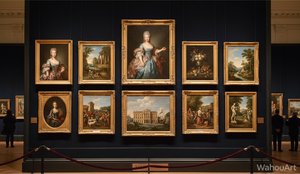
Величие XVIII века: Топ-10 шедевров искусства для вашего интерьера
Погрузитесь в эпоху рококо и барокко! Топ-10 шедевров XVIII века от Буше, Фрагонара и Рейнольдса. Узнайте историю создания культовых картин и вдохновитесь для декора вашего дома. Репродукции высокого качества на OriginalUniqueArt.com
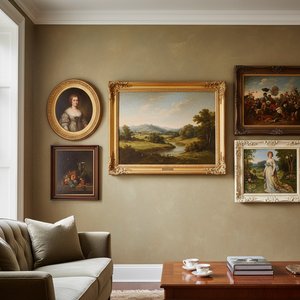
Iconic Art of the 18th & 19th Centuries: Masterpieces for Your Home | OriginalUniqueArt
Journey through 18th & 19th century art! Explore iconic masterpieces by Monet, Van Gogh & more. Discover the stories behind these timeless paintings and find museum-quality reproductions for your home at OriginalUniqueArt.com.