
 Предпросмотр
 Поделиться
 Поделиться
 Детали произведения

 Скачать
 Похожие работы
 Рентгенография
 Слайд-шоу
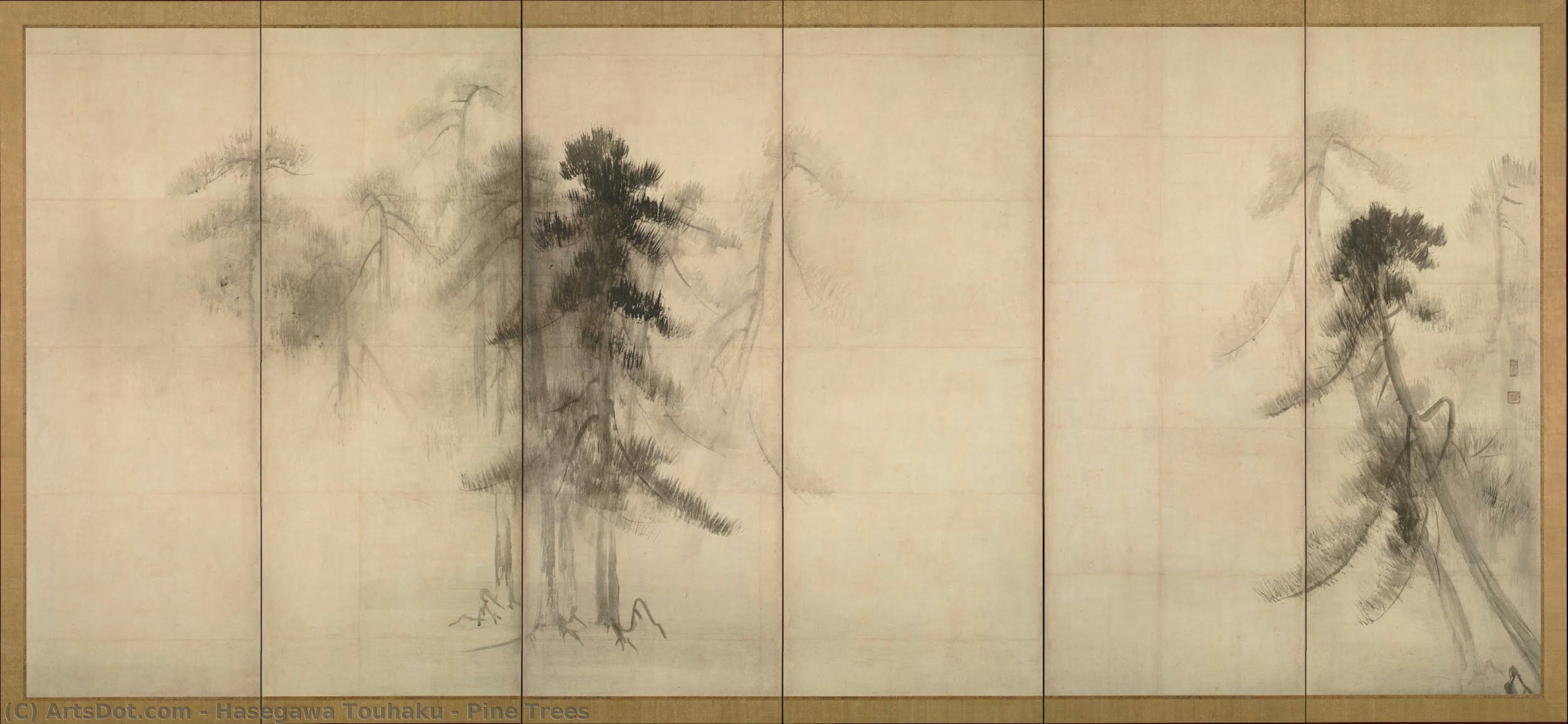
Pine Trees


 Читать далее
Приобретите цифровое изображение высокого разрешения в улучшенном качестве, которое значительно превосходит онлайн-превью.
Каждый файл тщательно подготавливается нашими специалистами с использованием передовых инструментов и экспертной ручной ретуши. Мы гарантируем исключительную четкость, точную цветопередачу и детальную проработку каждого изображения.
Финальный файл доставляется по электронной почте в течение 72 часов и оптимизирован для немедленного использования в профессиональной среде, при верстке и печати. Это тот же уровень качества, которому доверяют ведущие дизайнерские студии, издательства и галереи.
Цифровое изображение
Скачайте файл высокого разрешения для личного использования, печати и творческих проектов. ( Купить принт Купить картину ручной работы)
Включено в каждый заказ цифровых изображений
Гарантия экспертной цифровой доставки
Выбирая OriginalUniqueArt.com, вы получаете не просто изображение — вы приобретаете профессионально обработанное цифровое произведение искусства, созданное с безупречной точностью и под защитой гарантии качества. Вот всё, что автоматически входит в ваш заказ:

Мгновенная доставка по e-mail
Ваш цифровой файл в высоком разрешении будет отправлен вам по электронной почте в течение 72 часов после оформления заказа — и сразу станет доступен для использования.

Цифровой файл с ИИ-улучшением
Ваше произведение искусства проходит профессиональную оптимизацию с использованием передовых инструментов ИИ и ручной обработки, что гарантирует максимальную детализацию, четкость и точность цветопередачи.

Бессрочная бесплатная повторная доставка
Случайно удалили или потеряли файл? Не беспокойтесь — мы отправим его вам повторно в любое время и совершенно бесплатно.

Без импортных пошлин — навсегда
Наслаждайтесь вашим произведением искусства мгновенно без таможенных пошлин, сборов или затрат на доставку — цифровые загрузки всегда не облагаются налогом.

Гарантия точности цветопередачи
Мы гарантируем, что ваше цифровое изображение максимально точно передает оригинальные цвета благодаря использованию профессиональных инструментов и систем управления цветом.

Гарантия удовлетворения в течение 60 дней
Если вы останетесь не удовлетворены покупкой цифрового изображения, мы внесем в него правки или вернем 100% стоимости в течение 60 дней — без лишних вопросов.

100% Гарантия возврата средств
Не удовлетворены покупкой? Мы гарантируем полный возврат средств в течение 60 дней после получения вашего цифрового файла — без лишних вопросов.

Скидки на оптовые заказы
Купите 3 изображения, сэкономьте 10% — Купите 5, сэкономьте 15% — Купите 10+, сэкономьте 20%. Отличное решение для творческих проектов, галерей и агентств.
Описание коллекции
Биография художника
Hasegawa Tohaku: A Master of Serene Landscapes and the Dawn of Rinpa
Hasegawa Tohaku, a name synonymous with understated elegance and profound observation, stands as one of the most pivotal figures in Japanese art history. Born Okumura Tōhaku in 1539 during the tumultuous era of the Sengoku period, he navigated a landscape of war and upheaval to become a foundational artist of the Rinpa school – a movement that would dramatically reshape the aesthetic sensibilities of Japan for centuries to come. More than just a painter, Tohaku was a meticulous scholar of Chinese art, a master of ink techniques, and a subtle innovator who quietly redefined the boundaries of Japanese landscape painting.
His early life remains somewhat shrouded in mystery, though it’s believed he began his artistic journey as a Buddhist icon painter in Noto Province. This formative period instilled within him a deep respect for tradition and a rigorous approach to technique – qualities that would later inform his distinctive style. Crucially, he apprenticed himself to the influential Kanō school, absorbing their sophisticated methods of perspective, color theory, and brushwork. However, Tohaku wasn’t merely a mimic; he skillfully integrated these influences with his own burgeoning artistic vision, forging a unique path that ultimately diverged from the more rigidly formal approach of the Kanō school.
The Rise to Prominence: Kyoto and the Patronage of Power
Around 1571, Tohaku relocated to Kyoto, the cultural heart of Japan, seeking opportunities within the burgeoning artistic circles. It was here that he gained recognition as a court painter, securing commissions from powerful figures like Toyotomi Hideyoshi, the ambitious warlord who would later become Shogun. These commissions – particularly the monumental *Shoheki-ga* (wall paintings) for the Daitoku-ji Temple – showcased his ability to synthesize traditional techniques with innovative composition and a keen understanding of spatial relationships. The scale and ambition of these works demonstrated Tohaku’s growing confidence and established him as a leading artist of his time.
His relationship with Sen no Rikyu, the legendary tea master who profoundly influenced Japanese aesthetics, further elevated his status. Rikyu recognized Tohaku's ability to capture the essence of nature – not through dramatic grandeur, but through subtle details and an appreciation for quiet beauty. This shared sensibility would become a defining characteristic of the Rinpa school, which sought to emulate this understated elegance.
A Distinctive Style: Simplicity, Observation, and the Essence of Nature
Tohaku’s artistic style is immediately recognizable by its remarkable simplicity and profound observation. Unlike many of his contemporaries who favored elaborate detail and vibrant colors, Tohaku masterfully employed a restrained palette – primarily consisting of shades of gray, brown, and black – to create atmospheric landscapes that exude serenity and tranquility. His brushwork is characterized by its fluidity and economy; he used minimal strokes to convey the essence of his subjects with remarkable precision.
His most celebrated works—the iconic “Pine Trees” (1500), a triptych exploring the interplay of light, shadow, and texture, and the evocative “Eight Views of Ōmi” – exemplify this approach. These paintings are not merely depictions of landscapes; they are meditations on nature’s inherent beauty and the fleeting passage of time. The subtle variations in tone, the delicate rendering of foliage, and the suggestion of depth create a sense of immersive realism that invites contemplation.
- Pine Trees: A triptych showcasing the interplay of light and shadow on pine trees, demonstrating Tohaku’s mastery of *sumi-e* (ink wash painting).
- Eight Views of Ōmi: A series of landscapes capturing the diverse beauty of the region of Ōmi (present-day Shiga Prefecture), reflecting a deep understanding of topography and seasonal changes.
Legacy and Influence: The Foundation of Rinpa
Hasegawa Tohaku’s influence extends far beyond his own lifetime. He is widely considered the founder of the Rinpa school, a movement that profoundly impacted Japanese art for centuries to come. Rinpa artists, building upon Tohaku's principles, rejected the rigid conventions of traditional painting and embraced a more naturalistic approach – emphasizing observation, simplification, and the exploration of light and shadow.
His legacy is firmly established through numerous national treasures, including “Pine Trees” and “Eight Views of Ōmi,” which are housed in museums across Japan. Tohaku’s work continues to inspire artists and art lovers alike, serving as a testament to the power of simplicity, observation, and the enduring beauty of the natural world. His quiet revolution transformed Japanese painting, leaving an indelible mark on its history and shaping the aesthetic sensibilities of generations to come.
Key Achievements
- Founder of the Rinpa School: Established a new artistic movement emphasizing simplicity, observation, and naturalism.
- Master of *Sumi-e*: Perfected the art of ink wash painting, utilizing subtle variations in tone to create atmospheric landscapes.
- Innovative Composition: Developed unique compositional techniques that prioritized clarity, balance, and a sense of spatial depth.
- National Treasures: His works, including “Pine Trees” and “Eight Views of Ōmi,” are recognized as national treasures of Japan.

hasegawa touhaku
1539 - 1610

