Размер текста

() ·

Картина, созданная вручную специально для вас

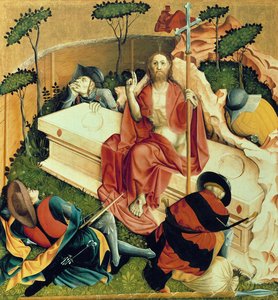
Christus before Pilate (detail)

Масляная репродукция ручной работы

Картина маслом на холсте в выбранном вами размере и раме, написанная на заказ нашими художниками. ( Перейти к печатным копиям Перейти к цифровым изображениям)

Описание предмета коллекционирования

Experience Northern Renaissance realism with Hans Multscher's detailed depiction of Christus before Pilate; discover this masterpiece of German faith.

Биография художника

"meta_description": "Ханс Мултшер (1400-1467) – немецкий скульптор и живописец, соединивший позднеготическое и ренессансное искусство. Известен алтарем Святой Марии Магдалины и своим влиянием на развитие немецкой живописи."

от ·

Глава 1

Какой размер выбрать?

Передвигайте ползунок, чтобы изменить размер; на изображении слева показана реальная ширина рамы. Пропорции оригинала сохраняются.

Стандартный размер
на заказ
CM
INCH

Выберите один из наших стандартных размеров, соответствующих оригинальным пропорциям произведения искусства.

ширина
высота

Введите необходимую ширину и высоту, чтобы репродукция подошла к вашей раме или стене. Поскольку работа выполняется вручную, при изменении пропорций художник может немного увеличить область вокруг картины или, наоборот, обрезать края — выбор за вами. Перед началом работы мы пришлем вам цифровой макет на утверждение. Изображение на этой странице не является точным результатом — увидеть реальный вид можно только на макете.

Глава 2

В каком виде вы хотите получить заказ?

Выберите тип обработки краев холста

Выберите свою раму

Corner sample of the WhiteWrap canvas edge finish, stretched on массив дерева bars
Белый торцевой край $1
Corner sample of the BlurSideWrap canvas edge finish, stretched on массив дерева bars
Размытый край $1
Corner sample of the ExtendedWrap canvas edge finish, stretched on массив дерева bars
С продолжением изображения $1
Corner sample of the P118B picture frame: формованный полистирол, 5 cm wide and 3 cm thick
P118B $10
Corner sample of the P118H picture frame: формованный полистирол, 5 cm wide and 3 cm thick
P118H $10
Corner sample of the P118W picture frame: формованный полистирол, 5 cm wide and 3 cm thick
P118W $10
Corner sample of the P438Z picture frame: формованный полистирол, 5.5 cm wide and 3.5 cm thick
P438Z $10
Corner sample of the P508JH picture frame: формованный полистирол, 7 cm wide and 3.5 cm thick
P508JH $12
Corner sample of the P508YH picture frame: формованный полистирол, 7 cm wide and 3.5 cm thick
P508YH $12
Corner sample of the P805H picture frame: формованный полистирол, 5 cm wide and 3.5 cm thick
P805H $10
Corner sample of the P805Z picture frame: формованный полистирол, 5 cm wide and 3.5 cm thick
P805Z $10
Corner sample of the P919BZ picture frame: формованный полистирол, 7 cm wide and 3.5 cm thick
P919BZ $10
Corner sample of the P919G picture frame: формованный полистирол, 7 cm wide and 3.5 cm thick
P919G $10
Corner sample of the P919XJ picture frame: формованный полистирол, 7 cm wide and 3.5 cm thick
P919XJ $10
Corner sample of the P959ZH picture frame: формованный полистирол, 5 cm wide and 3 cm thick
P959ZH $10
Corner sample of the P968JZ picture frame: формованный полистирол, 6 cm wide and 4 cm thick
P968JZ $12
Corner sample of the W106C picture frame: массив дерева, 5 cm wide and 3 cm thick
W106C $8
Corner sample of the W218G picture frame: массив дерева, 5 cm wide and 3 cm thick
W218G $10
Corner sample of the W218JH picture frame: массив дерева, 5 cm wide and 3 cm thick
W218JH $8
Corner sample of the W218Y picture frame: массив дерева, 5 cm wide and 3 cm thick
W218Y $10
Corner sample of the W307PJ picture frame: массив дерева, 6 cm wide and 3 cm thick
W307PJ $10
Corner sample of the W316G picture frame: массив дерева, 6 cm wide and 3 cm thick
W316G $10
Corner sample of the W316PJ picture frame: массив дерева, 6 cm wide and 3 cm thick
W316PJ $8
Corner sample of the W316Y picture frame: массив дерева, 6 cm wide and 3 cm thick
W316Y $10
Corner sample of the W398PJ picture frame: массив дерева, 5 cm wide and 3 cm thick
W398PJ $8
Corner sample of the W4111J picture frame: массив дерева, 6.5 cm wide and 3.5 cm thick
W4111J $10
Corner sample of the W500HY picture frame: массив дерева, 7 cm wide and 5 cm thick
W500HY $15
Corner sample of the W500JH picture frame: массив дерева, 7 cm wide and 5 cm thick
W500JH $15
Corner sample of the W692G picture frame: массив дерева, 8 cm wide and 4 cm thick
W692G $12
Corner sample of the W849H picture frame: массив дерева, 5 cm wide and 3 cm thick
W849H $8
Corner sample of the W940BG picture frame: массив дерева, 7.5 cm wide and 4.5 cm thick
W940BG $15
Corner sample of the W953PJ picture frame: массив дерева, 6 cm wide and 3.5 cm thick
W953PJ $8
Corner sample of the H24-GOLD picture frame: резное дерево с левкасом, 10 cm wide and 6 cm thick
H24-GOLD $30
Corner sample of the H24-SILVER picture frame: резное дерево с левкасом, 10 cm wide and 6 cm thick
H24-SILVER $30
Corner sample of the H36-GOLD picture frame: резное дерево с левкасом, 15 cm wide and 6.5 cm thick
H36-GOLD $45
Corner sample of the H36-SILVER picture frame: резное дерево с левкасом, 15 cm wide and 6.5 cm thick
H36-SILVER $45

Багет: . Общий размер в раме: .

Глава 3

Кто является автором и стоит ли что-то изменить?

Примеры того, что можно изменить: заменить лицо фотографией клиента; добавить питомца (например, заменить кошку на собаку); добавить скрытое послание на задний план; изменить пейзаж или элементы фона.
После оформления заказа команда OriginalUniqueArt.com свяжется с клиентом по электронной почте для получения инструкций и предоставит предварительный макет

Доставка по всему миру () за 3–4 недели вместо стандартных 5 недель. (5 Ноябрь). Без компромиссов в качестве.

Глава 4

Последние штрихи

Табличка, как в музее?

Детали гравировки на бронзовой плакетке

This elegant plaque features the artist's name and the title of the artwork, finely engraved for a timeless presentation.

It is made from bronze with a refined, elegant finish. The text is precisely laser-engraved for a sharp and permanent result. Measuring 9x2 cm, the plaque is compact yet easy to read. It's built to be durable and scratch-resistant, offering a professional, museum-quality look. Mounting is simple thanks to the included adhesive backing.

Детали прозрачной акриловой таблички

The plaque includes essential engraved details such as the artist's name, the title of the artwork, the date it was created, the type of media used-like oil on canvas or watercolor-a brief description of the piece, and a QR code that links to the complete artwork information.

It is crafted from clear acrylic, offering a sleek, modern appearance. The text is UV-engraved in black to ensure strong visual contrast. With a size of 10x15 cm, it ensures optimal readability. It comes equipped with two metal hooks for secure wall mounting. The plaque is designed to be weather-resistant, making it suitable for various environments, and it includes interactive features that work seamlessly with smartphone scanning.

Информация о чёрной акриловой табличке

This elegant plaque includes engraved information such as the artist's name, the title of the artwork, the date it was created, the type of media used (like oil on canvas or watercolor), a short description of the artwork, and a QR code for quick access to more information.

The plaque itself is made from refined black acrylic with a premium finish. The text is laser-engraved in white for high contrast and readability. Its size is 10x15 cm, designed to be easy to read. It comes with two metal hooks for professional mounting. The design is sleek and fits any interior style. It is also weather-resistant and durable, with built-in digital integration for mobile compatibility.

Защитный лак?

Когда вам нужна доставка?

Глава 5

Ваша картина в соответствии с вашим заказом

Christus before Pilate (detail)

Техника репродукции

Размер репродукции

-

Выдающийся мастер высокого класса

Более высокая детализация, изысканность и дополнительное время на создание работы

-

Оформление репродукции

-

-

Для произведений искусства или репродукций, размер которых превышает 105 см (приблизительно 41 дюйм) по любой из сторон, рама будет доставлена в разобранном виде (в виде комплекта). Этот метод обеспечивает безопасную доставку и предотвращает повреждения при транспортировке.

Требуется профессиональная сборка — это не продукт для самостоятельной сборки (DIY).
Комплект должен быть собран, а холст натянут опытным мастером по багетным рамам с использованием клеевого ПВА (не входит в комплект), струбцин для натяжки холста и зажимов, чтобы удерживать подрамник ровным до полного высыхания клея. Неправильная сборка или неравномерное натяжение холста могут привести к необратимому повреждению произведения искусства и не являются гарантийным случаем.

  • В комплект входят все бруски из массива дерева, точно вырезанные по размеру.

  • Собирается с помощью предоставляемых винтов, а также столярного клея для угловых соединений, который не входит в комплект и должен быть приобретен вашим мастером.

  • Требуются профессиональные инструменты, не входящие в комплект: щипцы для натяжки холста (натяжитель) и зажимы, чтобы удерживать рейки ровно во время высыхания клея.

Важно:
Для соединения углов требуется клей для дерева, перекладины необходимо зафиксировать струбцинами до полного высыхания клея, а для натяжки холста на собранную раму требуются щипцы для натяжки холста. Ни один из этих инструментов не входит в комплект. Пожалуйста, убедитесь в наличии опытного мастера по багетным работам перед заказом рамы такого размера.

Этикетка

-

-

Защитный лак

Глянцевый лак (насыщает цвета, защищает от воздействия света и влаги)

-

Персонализация картины

Примеры возможных изменений: замена лица на фото клиента; добавление домашнего питомца (например, замена кошки на собаку); добавление скрытого сообщения на фоне; изменение пейзажа или элементов фона.

-

Экспресс-доставка

Доставка по всему миру () за 3–4 недели вместо стандартных 5 недель. (5 Ноябрь). Без компромиссов в качестве.

-

Экспресс-доставка

Доставка по всему миру () в течение 5 недель. (12 Ноябрь).

Включено в стоимость

Итоговая стоимость

$ 300

Итоговая стоимость $ 300

Вариант со стеклом доступен только для размеров менее 110 см

Включено в каждый заказ

  • Бесплатная экспресс-доставка по всему миру
  • Высококачественный льняной холст
  • Полное страхование при доставке
  • Гарантия возмещения таможенных пошлин
  • Гарантия точного цветового соответствия
  • 100-дневная гарантия возврата (только при обнаружении дефектов)
  • Гарантия возврата 100% средств
  • Скидка при оптовом заказе

A Divine Encounter in the Northern Renaissance

In the quiet intensity of Hans Multscher’s 1437 masterpiece, Christus before Pilate (detail), we are invited to witness one of the most profound confrontations in human history. This exquisite detail from the Wurzach Altar does not merely depict a biblical event; it captures the very breath held between two worlds: the eternal and the temporal. As Jesus Christ stands before the Roman governor, the canvas vibrates with the tension of a trial that would alter the course of civilization. Multscher, a pioneer of German realism, moves beyond the flat, symbolic gestures of the Gothic era to present a scene where every furrowed brow and heavy fold of fabric tells a story of spiritual weight and earthly consequence.

The artistry of this piece lies in its breathtaking commitment to Northern Renaissance Realism. Utilizing the delicate medium of oil paint on fir wood, Multscher achieved a level of textural nuance that was revolutionary for his time. One can almost feel the heavy, tactile quality of the garments worn by the gathered crowd—the rougher textures of commoners contrasted against the more refined attire of those in positions of authority. This meticulous attention to detail serves a higher purpose than mere decoration; it grounds the divine narrative in a palpable, physical reality, making the miraculous feel disturbingly present and human.

Symbolism and the Language of Light

Every element within this composition is imbued with deep theological significance, designed to guide the viewer toward spiritual contemplation. The central figure of Christ is marked by a subtle yet unmistakable halo, a luminous emblem of his divine nature that pierces through the surrounding earthly chaos. Around him, the faces of the onlookers form a mosaic of human emotion—fear, doubt, skepticism, and apprehension. These expressions serve as a mirror for the viewer's own soul, reflecting the universal struggle to recognize truth amidst the noise of worldly judgment.

The interplay of light and shadow, or chiaroscuro, plays a vital role in directing the narrative flow. Light falls upon Christ with a clarity that suggests an inner radiance, while the deeper shadows enveloping the periphery represent the uncertainty and moral ambiguity of Pilate’s court. For the collector or the interior designer, this painting offers more than just visual beauty; it provides a focal point of profound intellectual and emotional depth. It is a piece that commands attention, inviting long periods of study and reflection, making it an ideal centerpiece for spaces dedicated to thought, heritage, and the appreciation of fine classical art.

A Legacy of Faith and Humanism

To look upon this work is to step into the cultural heart of 15th-century Ulm. Created during a period of intense religious fervor and the burgeoning movement of Northern Humanism, Multscher’s work embodies the era's desire to find the sacred within the natural world. His travels through France and the Netherlands clearly left an indelible mark on his technique, allowing him to bring a sophisticated, international realism to the German landscape. This painting is not just a relic of the past; it is a living testament to the moment when art began to look more closely at the human condition.

Whether displayed in a private gallery or as a sophisticated element of a curated interior, a high-quality reproduction of this detail allows the timeless drama of Multscher’s vision to inhabit modern spaces. It brings with it an atmosphere of historical gravity and artistic excellence, offering anyone who appreciates the masters a window into a period where every brushstroke was an act of devotion.

Вопросы и ответы

Как выстроена цветовая композиция в «Christus before Pilate (detail)», Ханс Мултшер?

Цветовая композиция «Christus before Pilate (detail)», Ханс Мултшер сочетает в себе Statement контраст с Softly Mixed Palette гармонией.

Какую атмосферу передает «Christus before Pilate (detail)»?

«Christus before Pilate (detail)» пронизано Dramatic атмосферой.

Что изображено на картине «Christus before Pilate (detail)»?

На полотне «Christus before Pilate (detail)», Ханс Мултшер изображены: religious art, medieval painting, christian iconography, pilate trial, crucifixion scene, renaissance style, german sculpture.

Подробнее об этой картине

Предпросмотр Предпросмотр в AR Перейти к печатным копиям Перейти к цифровым изображениям Поделиться
Детали произведения Руководство Добавить в избранное Скачать Похожие предметы Рентгенография Слайд-шоу Вопросы и ответы Статистика просмотров

В цифрах

  • 1437год написания
  • 29доступные варианты рам
  • стандартные размеры, в их собственных пропорциях
  • 5недель на написание и доставку
Ханс Мултшер

Ханс Мултшер

1400 - 1467, Германия

Краткая информация об авторе: Ханс Мултшер

  • Artistic Movement Or Style: Поздний готика/Ренессанс
  • Artists Or Movements Influenced By This Artist: ['Последователи']
  • Artists Who Influenced This Artist:
    • Северная французская школа
    • Нидерландская школа
  • Date Of Birth: c. 1400
  • Date Of Death: 1467
  • Full Name: Hans Multscher
  • Nationality: Немецкий
  • Notable Artworks:
    • Алтарь Святой Марии Магдалины
    • Муж с болью
    • Группа императоров
  • Place Of Birth: Регенсбах, Германия

Биография художника

Hans Multscher: A Bridge Between Gothic and Renaissance in German Art

Born around 1400 in the tranquil Bavarian town of Reichenhofen, now part of Leutkirch im Allgäu, Hans Multscher’s life was a pivotal moment in the evolution of German art. He wasn't merely an artist; he was a translator, skillfully bridging the stylistic gap between the late Gothic period and the burgeoning Renaissance – a transition marked by both profound change and remarkable artistic innovation. While the details of his early years remain somewhat shrouded in history, it’s clear that Multscher possessed an insatiable curiosity and a keen eye for capturing the essence of human experience through art. He didn't simply mimic prevailing trends; he actively sought out new influences, embarking on journeys that fundamentally shaped his distinctive artistic vision – a vision rooted in both tradition and a daring embrace of contemporary European styles.

His travels likely led him to the vibrant artistic centers of northern France and the Netherlands, regions where realism and meticulous detail were rapidly gaining prominence. These encounters exposed Multscher to the revolutionary techniques and aesthetic sensibilities of Early Netherlandish painting – a style characterized by its luminous colors, dramatic lighting, and profound psychological depth. This exposure profoundly impacted his own work, leading him to incorporate these innovations into his sculptures and paintings, creating a unique synthesis that distinguished him from his contemporaries.

  • Early Training: While specific details of his formal training are scarce, it’s believed Multscher honed his skills in the workshops of master sculptors in Bavaria.
  • The Influence of Northern Europe: The stylistic elements evident in his early works – particularly the anatomical accuracy and naturalistic portrayal of figures – strongly suggest a formative period spent studying art in the Netherlands or northern France.
  • A Free Citizen: In 1427, Multscher achieved a significant milestone by becoming a free citizen of Ulm, a bustling commercial hub on the banks of the Danube River. This move marked a turning point in his career, providing him with greater independence and access to new opportunities.

The Workshop: A Crucible of Artistic Innovation

Multscher’s workshop wasn't simply a production facility; it was a dynamic environment where artistic experimentation flourished. He presided over a sizable team – records indicate as many as sixteen assistants working alongside him at various times – fostering an atmosphere conducive to innovation and the development of new techniques. This collaborative setting allowed for a constant exchange of ideas, pushing the boundaries of traditional Gothic forms while simultaneously incorporating elements of naturalism and realism. The workshop’s influence extended far beyond Multscher himself; it played a crucial role in disseminating his artistic principles throughout Swabia and beyond.

His sculptural work underwent a particularly dramatic transformation during this period. Moving away from the elongated figures and stylized drapery characteristic of late Gothic sculpture, Multscher began to depict human forms with greater anatomical accuracy and emotional depth. This shift is vividly illustrated in his sculptures, which exhibit a remarkable sensitivity to the nuances of human expression – a hallmark of his distinctive style.

The Wurzach Altar: A Masterpiece of Transition

Among Multscher’s most celebrated achievements is the *Wurzacher Altar*, begun in 1437 and representing a pivotal moment in his artistic development. This ambitious project, commissioned for the church of St. James in Wurzach, showcases Multscher's mastery of oil painting – a relatively new medium at the time – and his ability to render textures, light, and shadow with breathtaking precision. The altar’s panels depict scenes from the life of Christ and the Virgin Mary, each imbued with a palpable sense of humanity that set it apart from earlier devotional art.

  • Oil Painting Innovation: The use of oil paint in the *Wurzacher Altar* demonstrated Multscher’s willingness to embrace new techniques and materials.
  • Realistic Depiction: The figures in the altar are rendered with remarkable realism, capturing not only their physical appearance but also their emotional states.
  • Symbolic Composition: The arrangement of scenes within the altar is carefully considered, conveying a complex theological message to viewers.

Beyond Wurzach: Sculpture and Secular Commissions

While the *Wurzacher Altar* remains his most famous work, Multscher’s artistic output extended far beyond this single masterpiece. He created numerous sculptures, including the poignant depiction of *Holy Mary Magdalen*, now housed in Frankfurt's Liebieghaus – a testament to his ability to convey profound emotion through sculpted form. His workshop also produced a series of impressive stone carvings, notably the group of emperors adorning the eastern window of Ulm’s city hall.

Furthermore, Multscher accepted commissions for secular works, demonstrating his versatility and appeal to a broad clientele. These commissions included portraits, decorative panels, and architectural sculptures – reflecting his ability to adapt his style to diverse contexts and patron demands. His work served as a powerful symbol of civic pride and artistic excellence in Ulm.

A Lasting Legacy: A Bridge Between Eras

Hans Multscher’s significance lies not only in the beauty and technical skill of his art but also in his role as a catalyst for change. He was among the first German artists to fully embrace the realism and naturalism that were transforming art in northern Europe, paving the way for subsequent generations of Renaissance masters. His work represents a crucial moment in the development of German art – a transition from the stylized conventions of the Gothic period towards a more humanistic and observational approach.

Despite his untimely death in 1467, Multscher’s influence endured. The workshop he established continued to thrive for decades after his passing, disseminating his artistic principles throughout Swabia and beyond. Today, his works are treasured as national treasures, offering a profound glimpse into the artistic landscape of 15th-century Germany – a testament to the enduring legacy of a true pioneer.

Основные сведения

  • Influences: Early Netherlandish painting
  • Subject or theme: Religious art; Crucifixion
  • Movement: Northern Renaissance
  • Location: Staatliche Museen zu Berlin
  • Year: 1437

Тест на знание искусства

В каждом вопросе только один правильный ответ.

Вопрос 1:
What is the title of the artwork being detailed?
Вопрос 2:
In what year was Hans Multscher's 'Christus before Pilate' completed?
Вопрос 3:
The artistic style of this work is characteristic of which movement?
Вопрос 4:
What material did Hans Multscher use for this painting, allowing for nuanced shading?
Вопрос 5:
The halo surrounding Christ's head in the painting is a traditional emblem signifying what?
Откройте для себя произведения искусства, распределенные по темам, стилям и характеристикам.