

 Примерить в интерьере
 Отправить
 Поделиться
 Подробнее
 Руководство

 Скачать
 Похожие объекты
 Рентгенография
 Слайд-шоу
 Q&A
Q&A Статистика
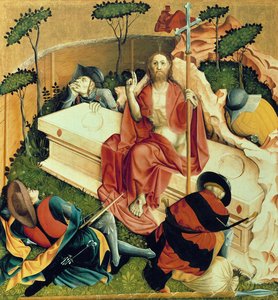
Christ before Pilate (detail)


 Развернуть текст
Получите файл, готовый к печати, качество которого значительно превосходит веб-превью. Каждое цифровое изображение в нашем каталоге создано на основе мастер-файла высокого разрешения — обычно шириной от 5 000 до 15 000 пикселей, — что позволяет вам уверенно печатать работы большого формата, использовать кадрирование или воспроизводить мельчайшие детали.
Ни один файл не покидает нашу студию без обработки. Эксперт по цифровой ретуши сверяет цвета с оригинальной картиной и при необходимости корректирует их, после чего повышает четкость и детализацию с помощью профессиональных инструментов — неизменно сохраняя верность мазкам кисти и стилю автора. В результате получается изображение, которое выглядит как подлинная живопись, а не как отсканированный снимок с наложенными фильтрами.
Вы одобряете результат до завершения заказа: наш эксперт отправит изображение по электронной почте в течение 72 часов для вашего ознакомления. Не удовлетворены результатом? Попросите внести правки или исправления, либо запросите возврат средств, если качество не соответствует ожиданиям.
Именно на это качество полагаются издательства, дизайн-студии, галереи и типографии.
Цифровое изображение
Скачайте файл высокого разрешения для личного использования, печати и творческих проектов. ( Переключиться на печать Заказать репродукцию ручной работы)
Включено в каждый заказ цифровых изображений
Гарантия профессиональной цифровой доставки
Выбирая OriginalUniqueArt.com, вы получаете не просто изображение — вы приобретаете профессионально обработанное цифровое произведение искусства, созданное с безупречной точностью и под защитой гарантии качества. Вот всё, что автоматически входит в ваш заказ:

Быстрая доставка по e-mail
Ваш цифровой файл в высоком разрешении будет отправлен по электронной почте в течение 72 часов после оформления заказа и сразу станет доступен для использования.

Цифровой файл с ИИ-обработкой
Ваше произведение искусства проходит профессиональную оптимизацию с использованием передовых инструментов ИИ и ручной обработки, что гарантирует максимальную детализацию, четкость и точность цветопередачи.

Бессрочная бесплатная повторная отправка
Случайно удалили или потеряли файл? Не беспокойтесь — мы отправим его вам повторно в любое время и совершенно бесплатно.

Без импортных пошлин — навсегда
Наслаждайтесь вашим произведением искусства мгновенно без таможенных пошлин, сборов или затрат на доставку — цифровые загрузки всегда не облагаются налогом.

Гарантия точности цветопередачи
Мы гарантируем максимально точное соответствие цифрового изображения оригиналу благодаря использованию профессиональных инструментов и систем управления цветом.

Гарантия удовлетворенности 100 дней
Если вы не будете удовлетворены своим цифровым изображением, мы внесем правки или вернем 100% стоимости в течение 100 дней — без лишних вопросов.

100% Гарантия возврата средств
Не удовлетворены покупкой? Мы вернем вам полную стоимость в течение 100 дней после получения цифрового файла — без лишних вопросов.

Скидки на оптовые заказы
Купите 3 изображения — скидка 10%; купите 5 — скидка 15%; от 10 изображений — скидка 20%. Отличное решение для творческих проектов, галерей и агентств.
A Moment of Contemplation: Christ Before Pilate by Hans Multscher
The painting “Christ before Pilate” by Hans Multscher, created around 1437, is not merely a depiction of a biblical scene; it’s a profound meditation on power, judgment, and the weight of human responsibility. Multscher, a pivotal figure bridging the Gothic and burgeoning Renaissance in Germany, masterfully captures a tense, almost suffocating atmosphere within this single composition. He wasn't simply replicating a narrative from scripture; he was distilling its essence – the agonizing confrontation between divine authority and earthly doubt – into a powerfully resonant visual experience. The painting’s enduring appeal lies not just in its technical skill but in its ability to evoke a deep sense of empathy for both Christ and Pilate, forcing the viewer to confront uncomfortable questions about faith, guilt, and the nature of leadership.
A Masterclass in Early German Realism
Multscher’s style is immediately recognizable as a significant step forward in German art. Departing from the stylized forms of late Gothic painting, he embraces a newfound realism that anticipates the meticulous detail and naturalistic portrayal characteristic of the Northern Renaissance. Observe how he renders the textures of the clothing – the heavy wool of Christ's robe, the rough linen of Pilate’s tunic – with astonishing accuracy. The faces are equally compelling; Christ’s expression is one of quiet resignation mingled with a profound sorrow, while Pilate’s face reflects a mixture of weariness and reluctant apprehension. The artist skillfully employs chiaroscuro—the dramatic contrast between light and shadow—to heighten the emotional impact, drawing our attention to key figures and creating a sense of depth within the crowded scene. The use of oil paint allowed for layering and blending, contributing significantly to the richness and luminosity of the work.
Symbolism Woven into the Scene
Beyond its realistic depiction, “Christ before Pilate” is rich in symbolic detail. The gathering of onlookers – a diverse group representing Roman officials, Jewish elders, and common citizens – underscores the universal nature of Christ’s trial. The presence of the bowls and cups suggests the offer of compromise, the temptation to avert judgment through earthly means. Note the subtle gestures: Christ's outstretched hands, Pilate’s averted gaze, the nervous fidgeting of the guards—each detail contributes to the narrative tension. The inclusion of animals – a dog and a bird – adds an element of earthy realism and perhaps hints at the broader themes of judgment and innocence. The positioning of these figures is deliberate; they frame Christ within a microcosm of human society, highlighting the conflict between divine law and human desire.
Historical Context and Artistic Legacy
Created during a period of significant artistic transition in Germany, “Christ before Pilate” reflects Multscher’s engagement with both established Gothic traditions and emerging Renaissance influences. His work is closely linked to the Wurzach Altar, a monumental altarpiece that once dominated the church of Wurzach in southern Germany. The wings of this altar, now separated into panels, are particularly significant for their depiction of the Passion narrative. Multscher’s contribution—the central panel depicting Christ before Pilate—is considered one of the most compelling and emotionally resonant images from the entire altarpiece. His workshop produced numerous copies and variations on this theme, demonstrating its enduring appeal to artists and viewers alike. The painting's influence can be seen in subsequent depictions of the Passion narrative, solidifying Multscher’s place as a key figure in the development of German art.
Today, reproductions of “Christ before Pilate” continue to captivate audiences with its timeless message and masterful execution. It serves as a poignant reminder of the complexities of faith, justice, and the enduring power of human emotion—a testament to Hans Multscher’s artistic vision and his profound understanding of the human condition.
Вопросы и ответы
Существует ли путеводитель по «Christ before Pilate (detail)», Ханс Мултшер?
Для произведения «Christ before Pilate (detail)», Ханс Мултшер доступна страница Справка для студентов: печатный информационный лист о произведении искусства, предназначенный для студентов и использования в учебном процессе.
Какая комната лучше всего сочетается с цветами произведения «Christ before Pilate (detail)», Ханс Мултшер?
Учитывая его цветовую палитру Earthy, полотно «Christ before Pilate (detail)» идеально подойдет для Living Room.
К какому виду произведений искусства относится «Christ before Pilate (detail)», Ханс Мултшер?
«Christ before Pilate (detail)» — это произведение в технике WallArt.
Биография художника
Hans Multscher: A Bridge Between Gothic and Renaissance in German Art
Born around 1400 in the tranquil Bavarian town of Reichenhofen, now part of Leutkirch im Allgäu, Hans Multscher’s life was a pivotal moment in the evolution of German art. He wasn't merely an artist; he was a translator, skillfully bridging the stylistic gap between the late Gothic period and the burgeoning Renaissance – a transition marked by both profound change and remarkable artistic innovation. While the details of his early years remain somewhat shrouded in history, it’s clear that Multscher possessed an insatiable curiosity and a keen eye for capturing the essence of human experience through art. He didn't simply mimic prevailing trends; he actively sought out new influences, embarking on journeys that fundamentally shaped his distinctive artistic vision – a vision rooted in both tradition and a daring embrace of contemporary European styles.
His travels likely led him to the vibrant artistic centers of northern France and the Netherlands, regions where realism and meticulous detail were rapidly gaining prominence. These encounters exposed Multscher to the revolutionary techniques and aesthetic sensibilities of Early Netherlandish painting – a style characterized by its luminous colors, dramatic lighting, and profound psychological depth. This exposure profoundly impacted his own work, leading him to incorporate these innovations into his sculptures and paintings, creating a unique synthesis that distinguished him from his contemporaries.
- Early Training: While specific details of his formal training are scarce, it’s believed Multscher honed his skills in the workshops of master sculptors in Bavaria.
- The Influence of Northern Europe: The stylistic elements evident in his early works – particularly the anatomical accuracy and naturalistic portrayal of figures – strongly suggest a formative period spent studying art in the Netherlands or northern France.
- A Free Citizen: In 1427, Multscher achieved a significant milestone by becoming a free citizen of Ulm, a bustling commercial hub on the banks of the Danube River. This move marked a turning point in his career, providing him with greater independence and access to new opportunities.
The Workshop: A Crucible of Artistic Innovation
Multscher’s workshop wasn't simply a production facility; it was a dynamic environment where artistic experimentation flourished. He presided over a sizable team – records indicate as many as sixteen assistants working alongside him at various times – fostering an atmosphere conducive to innovation and the development of new techniques. This collaborative setting allowed for a constant exchange of ideas, pushing the boundaries of traditional Gothic forms while simultaneously incorporating elements of naturalism and realism. The workshop’s influence extended far beyond Multscher himself; it played a crucial role in disseminating his artistic principles throughout Swabia and beyond.
His sculptural work underwent a particularly dramatic transformation during this period. Moving away from the elongated figures and stylized drapery characteristic of late Gothic sculpture, Multscher began to depict human forms with greater anatomical accuracy and emotional depth. This shift is vividly illustrated in his sculptures, which exhibit a remarkable sensitivity to the nuances of human expression – a hallmark of his distinctive style.
The Wurzach Altar: A Masterpiece of Transition
Among Multscher’s most celebrated achievements is the *Wurzacher Altar*, begun in 1437 and representing a pivotal moment in his artistic development. This ambitious project, commissioned for the church of St. James in Wurzach, showcases Multscher's mastery of oil painting – a relatively new medium at the time – and his ability to render textures, light, and shadow with breathtaking precision. The altar’s panels depict scenes from the life of Christ and the Virgin Mary, each imbued with a palpable sense of humanity that set it apart from earlier devotional art.
- Oil Painting Innovation: The use of oil paint in the *Wurzacher Altar* demonstrated Multscher’s willingness to embrace new techniques and materials.
- Realistic Depiction: The figures in the altar are rendered with remarkable realism, capturing not only their physical appearance but also their emotional states.
- Symbolic Composition: The arrangement of scenes within the altar is carefully considered, conveying a complex theological message to viewers.
Beyond Wurzach: Sculpture and Secular Commissions
While the *Wurzacher Altar* remains his most famous work, Multscher’s artistic output extended far beyond this single masterpiece. He created numerous sculptures, including the poignant depiction of *Holy Mary Magdalen*, now housed in Frankfurt's Liebieghaus – a testament to his ability to convey profound emotion through sculpted form. His workshop also produced a series of impressive stone carvings, notably the group of emperors adorning the eastern window of Ulm’s city hall.
Furthermore, Multscher accepted commissions for secular works, demonstrating his versatility and appeal to a broad clientele. These commissions included portraits, decorative panels, and architectural sculptures – reflecting his ability to adapt his style to diverse contexts and patron demands. His work served as a powerful symbol of civic pride and artistic excellence in Ulm.
A Lasting Legacy: A Bridge Between Eras
Hans Multscher’s significance lies not only in the beauty and technical skill of his art but also in his role as a catalyst for change. He was among the first German artists to fully embrace the realism and naturalism that were transforming art in northern Europe, paving the way for subsequent generations of Renaissance masters. His work represents a crucial moment in the development of German art – a transition from the stylized conventions of the Gothic period towards a more humanistic and observational approach.
Despite his untimely death in 1467, Multscher’s influence endured. The workshop he established continued to thrive for decades after his passing, disseminating his artistic principles throughout Swabia and beyond. Today, his works are treasured as national treasures, offering a profound glimpse into the artistic landscape of 15th-century Germany – a testament to the enduring legacy of a true pioneer.
Ханс Мултшер
1400 - 1467 , Германия
Краткая справка
- Artistic Movement Or Style: Поздний готика/Ренессанс
- Artists Or Movements Influenced By This Artist: ['Последователи']
- Artists Who Influenced This Artist:
- Северная французская школа
- Нидерландская школа
- Date Of Birth: c. 1400
- Date Of Death: 1467
- Full Name: Hans Multscher
- Nationality: Немецкий
- Notable Artworks:
- Алтарь Святой Марии Магдалины
- Муж с болью
- Группа императоров
- Place Of Birth: Регенсбах, Германия