

 Примерить в интерьере
 Отправить
 Поделиться
 Подробнее
 Руководство

 Скачать
 Похожие объекты
 Рентгенография
 Слайд-шоу
 Статистика
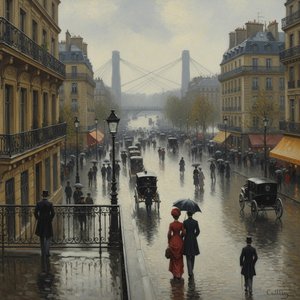
In a Cafe
 Acrylic On Canvas
- WallArt
- Victorian Realism
 1880
1880- 19th Century
 Musée des Beaux-Arts et de la Céramique
 Развернуть текст
Масляная репродукция ручной работы
Картина маслом на холсте в выбранном вами размере и раме, написанная на заказ нашими художниками. ( Переключиться на печать Перейти к цифровым изображениям)




P118B $10

P118H $10

P118W $10

P438Z $10

P508JH $12

P508YH $12

P805H $10

P805Z $10

P919BZ $10

P919G $10

P919XJ $10

P959ZH $10

P968JZ $12

W106C $8

W218G $10

W218JH $8

W218Y $10

W307PJ $10

W316G $10

W316PJ $8

W316Y $10

W398PJ $8

W4111J $10

W500HY $15

W500JH $15

W692G $12

W849H $8

W940BG $15

W953PJ $8




Выберите один из наших стандартных размеров, соответствующих оригинальным пропорциям произведения искусства.

Введите необходимую ширину и высоту, чтобы репродукция подошла к вашей раме или стене. Поскольку работа выполняется вручную, при изменении пропорций художник может немного увеличить область вокруг картины или, наоборот, обрезать края — выбор за вами. Перед началом работы мы пришлем вам цифровой макет на утверждение. Изображение на этой странице не является точным результатом — увидеть реальный вид можно только на макете.
После оформления заказа команда OriginalUniqueArt.com свяжется с клиентом по электронной почте для уточнения деталей и предоставит предварительный макет
Доставка по всему миру () за 3–4 недели вместо стандартных 5 недель. (24 Октябрь). Без компромиссов в качестве.

Бесплатная экспресс-доставка по всему миру

Высококачественный льняной холст

Полное страхование при транспортировке

Гарантия возврата таможенных пошлин

Гарантия точного цветового соответствия

100-дневный период возврата (только при обнаружении дефектов)

Гарантия возврата 100% средств

Скидка при заказе нескольких работ
 Вариант со стеклом доступен только для размеров менее 110 см

In a Cafe
Материал репродукции
Размер репродукции
-


Итоговая стоимость
$ 300
A Snapshot of Parisian Life: Gustave Caillebotte’s “In a Cafe”
The painting "In a Cafe," executed by Gustave Caillebotte in 1880, isn't simply a depiction of a Parisian café scene; it’s a carefully constructed observation of the anxieties and aspirations simmering beneath the veneer of Victorian society. Captured in stark black and white photography—a technique that would soon become commonplace—the artwork offers an unexpectedly modern perspective on its time, reflecting Caillebotte’s fascination with capturing fleeting moments and experimenting with compositional innovations.- Subject Matter: The scene portrays a gentleman seated alone at a table in a café, surrounded by other patrons. He gazes directly at the viewer, establishing an intimate connection that transcends the distance of time.
- Style: Caillebotte’s style is characterized by its understated realism combined with subtle stylistic choices that elevate it beyond mere documentation. He eschewed grand narratives and theatrical gestures, favoring instead a quiet contemplation of everyday life—a deliberate rejection of academic conventions prevalent during his era.
Technique and Composition: Pioneering Photographic Influence
Caillebotte’s masterful use of technique speaks volumes about his artistic sensibilities. Like many photographers of the period, he meticulously considered perspective and framing—elements borrowed directly from photographic principles—to create a sense of depth and immediacy. The slightly off-center placement of the gentleman adds dynamism to the composition, drawing the eye across the canvas and subtly disrupting traditional symmetry. Furthermore, the inclusion of a cup on the table serves as a visual anchor, grounding the scene in the tangible realities of daily life.Historical Context: Victorian Uncertainty
“In a Cafe” emerges from a pivotal moment in Parisian history—the burgeoning Industrial Revolution and its impact on urban culture. The Victorian era was marked by anxieties about social change, moral decay, and the rapid pace of technological advancement. Caillebotte’s depiction captures this atmosphere of uncertainty, presenting a scene populated with individuals absorbed in their own thoughts and activities. The café itself symbolizes both comfort and isolation—a space for socializing yet simultaneously offering refuge from the pressures of the outside world.Symbolism and Emotional Resonance
Beyond its formal elements, “In a Cafe” resonates with deeper symbolic meanings. The gentleman’s gaze toward the viewer is particularly noteworthy; it invites contemplation and suggests that Caillebotte wished to engage his audience in a dialogue about perception and experience. The solitary figure embodies the individual's struggle for identity amidst societal forces—a theme that aligns with broader artistic explorations of human psychology during the Victorian period. Ultimately, the painting evokes a feeling of quiet melancholy—a poignant reminder of the beauty found within ordinary moments and the complexities inherent in navigating modern life.Вопросы и ответы
Какой художник и какой стиль стоят за «In a Cafe»?
За произведением «In a Cafe» стоят Густав Кайботт и направление Victorian Realism.
Почему произведение «In a Cafe» имеет именно такой статус авторского права?
Статус авторского права на произведение «In a Cafe» — является общественным достоянием — срок действия авторского права истек — определяется датой смерти автора в 1894.
Для каких целей и в каком интерьере рекомендуется использовать «In a Cafe»?
Рекомендуется использовать «In a Cafe», Густав Кайботт для Accent, в идеале — в помещении типа Living Room. Сочетание способа использования и пространства поможет определить, где именно будет уместна репродукция.
Биография художника
A Parisian of the New Age: The Life and Art of Gustave Caillebotte
Gustave Caillebotte, born in Paris in 1848, was an artist uniquely positioned to witness – and then capture – the dramatic transformations sweeping across his beloved city. His father, Martial Caillebotte, a successful textile merchant and respected judge, provided not only financial stability but also a privileged vantage point from which to observe the burgeoning modernity of Paris. This upbringing instilled in Gustave a keen awareness of social change and an appreciation for the evolving urban landscape – themes that would become central to his artistic vision. Initially pursuing a path in law, earning degrees at the Sorbonne, Caillebotte’s true passion lay within the realm of art. He began formal training under Léon Bonnat, a respected academic painter, immersing himself in traditional techniques while simultaneously developing an intense fascination with photography – a relatively new medium that was rapidly changing how images were captured and perceived. This early exposure to photographic principles—its precise framing, its ability to freeze fleeting moments, and the way it presented perspective—would profoundly influence his distinctive style, shaping his approach to composition and visual storytelling. Caillebotte wasn’t simply documenting change; he was actively engaging with the aesthetic possibilities inherent in this dynamic era.Realism Meets Impressionist Light
Caillebotte's artistic journey diverged significantly from the rigid conventions of academic painting, yet he never fully embraced the purely optical explorations championed by many of his Impressionist contemporaries. He found a kindred spirit in artists like Edgar Degas and Giuseppe de Nittis, both of whom shared a fascination with modern life but approached it through distinct lenses. Caillebotte’s early masterpiece, Les Raboteurs de Parquet (The Floor Scrapers), exhibited at the 1875 Salon, immediately established his reputation as a bold and unconventional painter. This work, depicting three laborers meticulously scraping a wooden floor in a dimly lit workshop, was a deliberate departure from the idealized subjects typically favored by the Salon. The composition—cropped tightly, almost jarringly direct, and devoid of sentimental embellishment—shocked some viewers while captivating others. It wasn’t merely the subject matter – the depiction of working-class laborers rarely graced the canvases of high art – but also the unflinching honesty with which Caillebotte rendered their toil. This commitment to portraying contemporary life without resorting to romanticization or idealization became a defining characteristic of his work. He continued this exploration in paintings like View of Rooftops (Snow), where he masterfully captured the muted tones and atmospheric effects of a Parisian winter, utilizing techniques borrowed from photography to create a sense of depth and spatial ambiguity.A Patron of Innovation: Supporting the Impressionists
Beyond his own artistic pursuits, Gustave Caillebotte played an unexpectedly significant role in fostering the development of the Impressionist movement. His family’s considerable wealth—inherited after his father's death—provided him with a level of financial independence that allowed him to support and champion other artists who were struggling to gain recognition within the established art world. He became a generous patron, purchasing works by Claude Monet, Pierre-Auguste Renoir, Camille Pissarro, and many others – often at a time when these artists’ work was being rejected by the conservative Salon jury. Caillebotte wasn't simply accumulating artwork; he actively promoted the Impressionist cause, organizing and financing several of their exhibitions, effectively providing them with a platform to showcase their innovative techniques and perspectives. His involvement extended beyond mere financial support; he genuinely admired the artists’ willingness to challenge conventional artistic norms and capture the fleeting moments of modern life. This dedication to fostering innovation within the art world is a testament to his progressive spirit and his belief in the power of artistic experimentation.Capturing Modern Paris: Composition and Perspective
Caillebotte's unique approach to composition and perspective further distinguished his work from that of many of his contemporaries. He was particularly influenced by Japanese prints, which he studied with great interest, appreciating their flattened perspectives, asymmetrical arrangements, and emphasis on everyday subjects. This influence is evident in paintings like Boulevard vu d’en haut (Boulevard Seen from Above), a remarkably modern composition that captures the bustling energy of a Parisian boulevard from an elevated vantage point. The cropped view, dynamic lines, and sense of movement create a powerful impression of urban life – anticipating techniques that would later be employed by photographers and modernist painters. Furthermore, Caillebotte’s early exposure to photography informed his use of light and shadow, allowing him to capture the subtle nuances of color and atmosphere with remarkable precision. His paintings are not simply representations of reality; they are carefully constructed visual narratives that invite viewers to contemplate the complexities of modern Parisian life.Legacy and Rediscovery
For decades following his death in 1894, Caillebotte’s work remained largely overlooked by the art world. His paintings were primarily held within his family's collection and rarely exhibited or reproduced. It wasn’t until the late 20th century that a renewed appreciation for his artistic vision began to emerge, fueled by scholarly research and major exhibitions. Today, Gustave Caillebotte is recognized as a pivotal figure in 19th-century art – an artist who seamlessly blended realism with Impressionist techniques, pioneered innovative compositional strategies, and captured the spirit of a rapidly changing Paris. His paintings offer a unique window into the urban landscape of his time, revealing both the beauty and the challenges of modern life. Caillebotte’s legacy continues to grow as scholars and art enthusiasts alike rediscover the depth and originality of his remarkable body of work.
Густав Кайботт
1848 - 1894 , Франция
Краткая справка
- Artistic Movement Or Style: Реализм, Импрессионизм
- Artists Or Movements Influenced By This Artist: ['Импрессионизм']
- Artists Who Influenced This Artist:
- Дега
- Нитиссе
- Date Of Birth: 19 августа 1848 г.
- Date Of Death: 21 февраля 1894 г.
- Full Name: Gustave Caillebotte
- Nationality: Француз
- Notable Artworks:
- Лесрабы Caillebotte
- Вид на крыши (снег)
- Бульвар с высоты
- Place Of Birth: Париж, Франция
Похожие статьи
Gustave Caillebotte: Bridging Realism & Modernity in Parisian Life
Explore the life & art of Gustave Caillebotte, a pivotal figure bridging Realism & Impressionism. Discover his iconic Parisian scenes and lasting legacy with OriginalUniqueArt.

Белые шедевры: 10 знаменитых картин, покоривших мир (репродукции, декор)
Откройте для себя 10 знаменитых картин, где белый цвет – главный герой! Моне, Дега и другие мастера. История искусства, техники живописи и вдохновение для вашего интерьера. Репродукции высокого качества на OriginalUniqueArt.com

Топ-10 знаменитых картин в черных тонах: шедевры искусства для вашего интерьера
Погрузитесь в мир темных шедевров! Топ-10 знаменитых картин в черных тонах от Гойи, Рембрандта и Мунка. История искусства, техники живописи и вдохновение для вашего интерьера. Купите репродукции высокого качества на OriginalUniqueArt.com

Monochrome Visions: Exploring the Aesthetic & Historical Significance of Black & White Photography
Explore the rich history & artistic power of black and white photography. From early techniques to iconic masters like Ansel Adams, discover why monochrome continues to captivate art lovers today. Expert insights for collectors.

25 Шедевров Густава Климта: Искусство, Декор и Золотой Век Австрийского Модерна
Погрузитесь в мир Густава Климта! 25 шедевров австрийского модерна, символизма и золотой живописи. Узнайте истории создания знаменитых картин Климта и вдохновитесь для декора интерьера. Репродукции музейного качества на OriginalUniqueArt.com.


