
 Предпросмотр
 Поделиться
 Поделиться
 Детали произведения

 Скачать
 Похожие работы
 Рентгенография
 Слайд-шоу
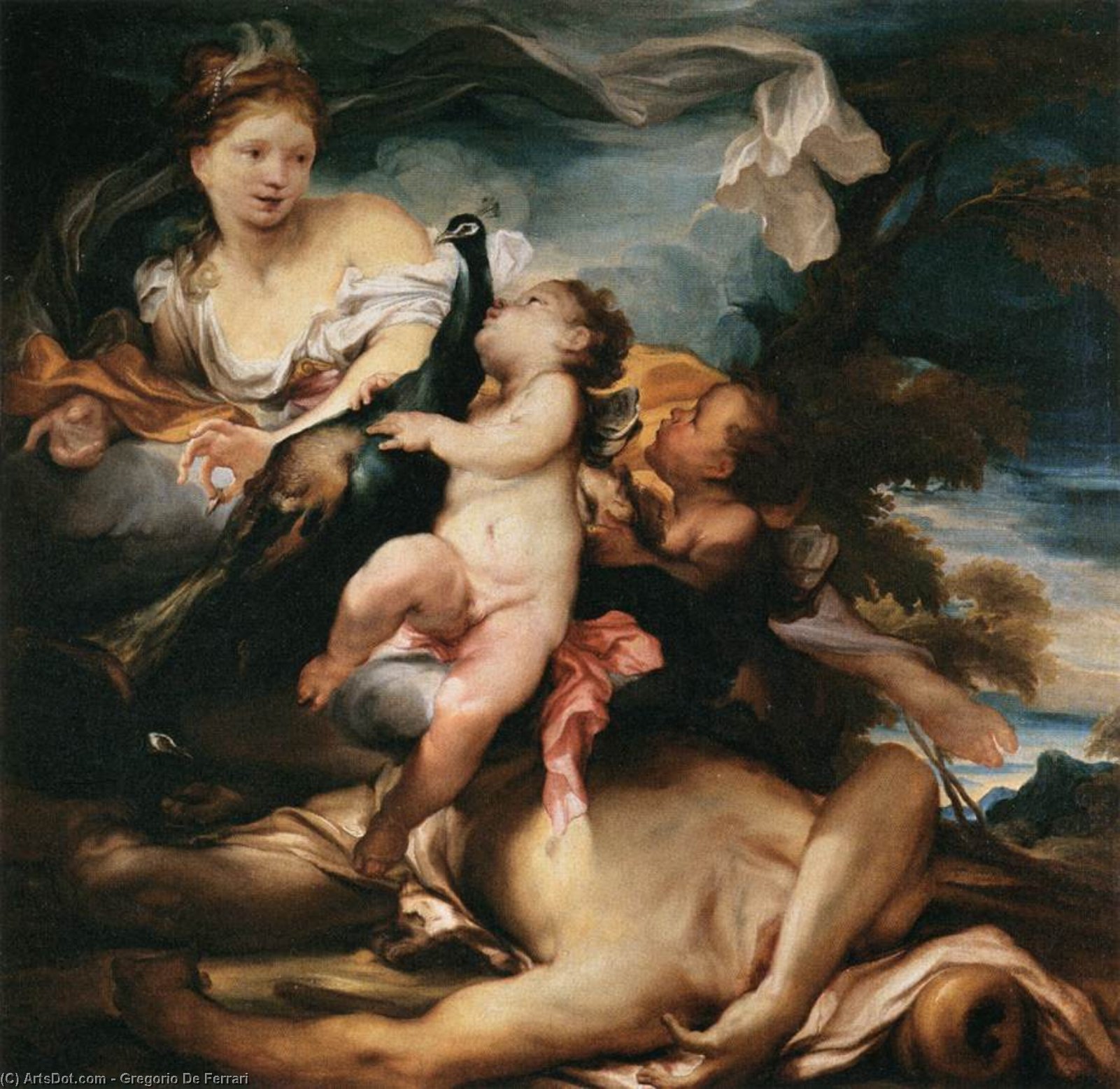
Juno and Argus
 Oil On Canvas
- WallArt
- Genoese Baroque
 1685
1685- Early Modern
 140.0 x 138.0 cm
 Лувр
Лувр
 Читать далее
Жикле / Арт-принт
Печать (жикле) или холст музейного качества с быстрыми сроками изготовления и широким выбором вариантов отделки. ( Купить картину ручной работы Купить изображение)




P118B $10

P118H $10

P118W $10

P438Z $10

P508JH $12

P508YH $12

P805H $10

P805Z $10

P919BZ $10

P919G $10

P919XJ $10

P959ZH $10

P968JZ $12

W106C $8

W218G $10

W218JH $8

W218Y $10

W307PJ $10

W316G $10

W316PJ $8

W316Y $10

W398PJ $8

W4111J $10

W500HY $15

W500JH $15

W692G $12

W849H $8

W940BG $15

W953PJ $8




Выберите один из наших стандартных размеров, соответствующих оригинальным пропорциям произведения искусства.

Вы можете указать свои собственные размеры, чтобы репродукция идеально подошла под конкретную раму или пространство. Если выбранный вами размер не будет соответствовать пропорциям оригинала, мы либо обрежем произведение, либо дополним изображение зеркальным отражением краев или однотонной заливкой. Перед началом производства вам будет отправлен цифровой макет для утверждения.
Пожалуйста, обратите внимание, что предварительный просмотр на экране не отображает фактическую обрезку или расширение изображения. Только макет точно покажет финальную композицию.
Несмотря на возможность заказа индивидуальных размеров, мы рекомендуем выбирать размер из предопределенного списка, чтобы сохранить оригинальные пропорции.
Доставка по всему миру () за 2 недели вместо стандартных 4/5 недель. (15 Август)

Бесплатная экспресс-доставка по всему миру

Высококачественный льняной холст

Полное страхование доставки

Гарантия возмещения таможенных пошлин

Гарантия точного соответствия цветов

Политика возврата в течение 60 дней (только при наличии дефектов)

Гарантия возврата 100% средств

Предложение оптовых скидок
 Вариант со стеклом доступен только для размеров менее 110 см

Juno and Argus
Жикле / Арт-принт
Размер репродукции
-


Итоговая стоимость
$ 80
Описание предмета коллекционирования
The Divine Embrace: Juno and Argus
To gaze upon this depiction of Juno and Argus is to step directly into the opulent heart of the Baroque age, where mythology was not merely recounted but dramatically lived. Gregorio De Ferrari captures a moment of profound intimacy amidst the grandeur expected of Roman divinity. The scene centers on Juno, the powerful goddess, portrayed in an act of tender motherhood as she cradles her infant son, Argus, allowing him to nurse from her breast. This juxtaposition—the monumental power of a goddess against the vulnerability of infancy—is what gives the painting its immediate and arresting emotional resonance. The composition is rich with narrative weight; beyond the central figures, the presence of other onlookers and the stately horse in the background serve not merely as decoration, but as witnesses to this sacred, private rite.
Baroque Grandeur Meets Lyrical Detail
Gregorio De Ferrari’s mastery places this work firmly within the lineage of Genoese Baroque painting. While the scale—a substantial 140 x 138 cm canvas—suggests public display and monumental ambition, the execution retains a delicate lyricism that defines his genius. His technique allows the viewer to appreciate both the sweeping gestures typical of the period's grand narratives and the subtle modeling of flesh and drapery. The handling of light across Juno’s robes and skin suggests an expert understanding of chiaroscuro, lending a palpable three-dimensionality to the figures. One can almost feel the soft texture of the fabric against the divine skin, a testament to De Ferrari’s skilled brushwork.
Symbolism Woven into Myth
The subject matter itself is steeped in potent symbolism. Juno, queen of the gods, represents sovereignty and marriage, yet here she embodies nurturing grace. Argus, often associated with vigilance due to his many eyes (though not explicitly detailed here), symbolizes a new life or perhaps the watchful nature inherent even in divinity. The inclusion of these elements—the maternal bond, the divine lineage, the surrounding witnesses—elevates the painting beyond simple portraiture into an allegory of creation and enduring power. For the modern collector or designer, this piece offers more than just decoration; it offers a conversation starter steeped in classical mythology and profound human emotion.
A Timeless Presence for Any Interior
Considering its scale and rich thematic depth, this reproduction is ideally suited for grand reception halls, formal libraries, or any space that seeks to evoke a sense of cultured history and enduring beauty. The palette, characteristic of the period, balances deep, saturated tones with luminous highlights, ensuring that even when reproduced, the painting retains its visual impact. Owning a piece echoing De Ferrari’s vision means bringing home not just an artwork from 1685, but a carefully curated echo of Baroque artistry—a focal point that speaks eloquently of timeless elegance and mythological depth.
Биография художника
A Lyrical Voice of Genoa’s Baroque
Gregorio De Ferrari stands as a pivotal figure in the Genoese Baroque, embodying its distinctive blend of grandeur and delicate lyricism. Born in Porto Maurizio in 1647, his artistic journey began with an unlikely pursuit of legal studies. However, the call of the brush proved irresistible, leading him to abandon the courtroom for the studio. This transition was guided by the mentorship of Domenico Fiasella, a master whose monumental style left an indelible mark on De Ferrari’s early works. Through this formative period, the young artist absorbed the stylistic echoes of Giovanni Andrea De Ferrari and Giovanni Battista Casone, establishing a foundation that would eventually support one of the most imaginative visions of the seventeenth century.
The evolution of De Ferrari’s hand was profoundly shaped by his time in Parma. Immersed in the atmosphere of Parma Cathedral, he encountered the breathtaking quadratura frescoes—the art of illusionistic ceiling painting—that had been pioneered by Correggio. This encounter was transformative; rather than merely mimicking Fiasella's imposing scale, De Ferrari began to prioritize a more personal and expressive language. He embraced graceful elongations and spiraling, rhythmic movements of figures, drawing inspiration from the sculptural innovations of Filippo Parodi and Bernardo Schiaffino. His work began to breathe with a new, kinetic energy, moving away from static compositions toward a more fluid, atmospheric experience.
The Mastery of Light and Motion
Upon returning to Genoa, De Ferrari became a central pillar of the Casa Piola studio, working alongside his father-in-law, the legendary Domenico Piola. This collaborative era was marked by an extraordinary output of large-scale decorative projects that transformed the interiors of Genoese palaces and churches. In works such as the decoration of the Basilica della Santissima Annunziata del Vastato, De Ferrari masterfully blended the radiant luminescence of Correggio with the sophisticated stylistic elements of Cortona and Castiglione. His ability to weave light through complex, swirling compositions allowed him to create spaces that felt both infinite and intimately alive.
His technical prowess extended beyond the ceiling to the easel, where he produced works of profound mythological and religious depth. Notable examples include:
- Juno and Argus: A captivating display of tension and classical drama, currently housed in the Musée du Louvre.
- Ascension of Christ: An evocative piece showcasing his ability to handle divine light and celestial movement.
- Hercules and Antaeus: A testament to his skill in depicting muscularity and the raw power of mythic struggle.
The artist’s brushwork was characterized by a free-flowing, exploratory quality that many historians view as a precursor to the Rococo style. His compositions often possessed an airy, weightless elegance that led one critic to famously describe him as "a grander Fragonard," despite the fact that the French master would not be born for decades after De Ferrari's death. This anticipatory spirit gave his work a unique temporal quality, bridging the heavy drama of the High Baroque with the lighthearted grace of the coming century.
Legacy and Historical Significance
The historical significance of Gregorio De Ferrari lies in his ability to synthesize the diverse influences of the Italian landscape into a singular, unmistakable style. He did not merely participate in the Genoese Baroque; he elevated it to a level of poetic sophistication that few could match. Through his prolific collaborations and his mastery of both fresco and canvas, he left an indelible imprint on the architectural fabric of Genoa, decorating landmarks such as the Palazzo Rosso, Villa Balbi, and the churches of San Siro and San Giovanni Battista.
His influence also extended to the next generation, most notably through his son, Lorenzo De Ferrari, who continued the family tradition of excellence. As a painter, draughtsman, and architect, Gregorio De Ferrari’s legacy is one of movement, light, and an enduring sense of wonder. He remains a master of the ephemeral, capturing the fleeting beauty of a spiraling figure or a sun-drenched cloud with a precision that continues to captivate the modern eye.

Gregorio De Ferrari
1647 - 1726 , Italy
Основные сведения
- Artistic Movement Or Style: Baroque
- Artists Or Movements Influenced By This Artist: ['Casa Piola studio']
- Artists Who Influenced This Artist:
- Giovanni Andrea De Ferrari
- Giovanni Battista Casone
- Correggio
- Date Of Birth: 1647
- Date Of Death: 1726
- Full Name: Gregorio De Ferrari
- Nationality: Italian
- Notable Artworks:
- Juno and Argus
- Summer
- Hercules and Antaeus
- Place Of Birth: Porto Maurizio, Italy
Похожие статьи

Коммерческие запросы
APS предлагает репродукции изящных искусств и индивидуальные заказы с 2004 года. Корпорации, отели и избранные коллекционеры доверяют нам создание произведений искусства музейного качества, конфиденциальное обслуживание и комплексные художественные решения. Свяжитесь с нами для получения индивидуальной сметы!

Топ-25 шедевров Гойи: от придворного портрета до мрачных пророчеств | OriginalUniqueArt
Погрузитесь в мир гения Франсиско Гойи! 🎨 От придворных портретов до мрачных "Капричос" – исследуйте топ-25 шедевров испанского романтизма. Купите репродукции картин Гойи музейного качества на OriginalUniqueArt.com и украсьте свой интерьер искусством.

О нас
Откройте для себя нашу историю! Мы привносим искусство мирового класса в вашу жизнь благодаря экспертному отбору, индивидуальным заказам и бесплатным обзорам. Одобрено частными лицами и компаниями с 2000 года.

Барочная драма: Искусство величия в современном интерьере
Погрузитесь в мир роскоши и величия барокко! Узнайте об истории стиля, ключевых элементах интерьера и архитектуре. Вдохновляйтесь с и создайте свой неповторимый дизайн.

10 Шедевров Барокко: Искусство, изменившее мир | OriginalUniqueArt.com
Погрузитесь в мир барокко! 10 шедевров Караваджо, Рембрандта и других великих художников. Узнайте историю создания культовых картин и найдите идеальную репродукцию для вашего интерьера на OriginalUniqueArt.com

